One plan built for University of Montana Football, with the roster read, the coach's contact and a dated plan, delivered within 24 hours. An expert checks every plan.
Key facts about the University of Montana football team.
University of Montana plays Division I FCS football in the Big Sky Conference from its campus in Missoula, Montana. The most room for the Class of 2027 is among defensive backs, with eight leaving after the 2026-27 season, followed by seven offensive linemen. It is an experienced group, with 42 of 112 players seniors or graduate students.
NCAA Division IBig Sky ConferenceMontana
Head coach
Bobby Hauck
Head Coach
Home venue
Washington-Grizzly Stadium
Average roster
134
players a season
Fit check
Do You Fit at University of Montana?
Pick your position and level, add a test score if you have one, and get an instant read on your chances here. Free, and no account needed.
Quarterback 2 · Running Back 3 · Wide Receiver 6 · Tight End 1 · Offensive Line 7 · Defensive Line 6 · Linebacker 5 · Defensive Back 8
Expect departures to reach 38% of the roster after the 2026-27 season, 42 players in total, compared with a median of 23% among FCS programs, so the Class of 2027 has room to compete. Looking at that class, departures cluster among defensive backs, with eight finishing up after that season, followed by seven offensive linemen.
With 38% of the roster made up of seniors and graduate students, this is a veteran group. Recruits could step into larger roles as those players move on.
Positions
Football Roster by Position
How many players a season the program carries at each position, and how tall they are.
Quarterback
5.3players a season
Average height 6'1"
Running Back
6.7players a season
Average height 6'0"
Wide Receiver
14players a season
Average height 6'1"
Tight End
6.7players a season
Average height 6'5"
Offensive Line
18.3players a season
Average height 6'5"
Defensive Line
16.7players a season
Average height 6'3"
Linebacker
13players a season
Average height 6'2"
Defensive Back
22.3players a season
Average height 6'0"
Specialist
1.7players a season
Average height 6'2"
Coaches carry fewer specialists than most, around two per season, or 2% of the roster versus 6% among FCS programs.
Transfers
Transfers In and Out
22
transfers in for 2026-27
11
transfers out
Share of the roster
20%
Per 100 freshmen
100
By position
Wide Receiver 2 · Tight End 2 · Offensive Line 4 · Defensive Line 4 · Linebacker 2 · Defensive Back 5 · Specialist 2
Came from
15 from Division I, 3 from Division II, 4 from NAIA
Footprint
Where This Team Recruits
Where the players are from
329players
In-state33.4%
Other US states66%
International0.6%
Counted from players on recent rosters with a known hometown.
Top home states
Montana33%
Washington18%
California10%
Texas8%
Hawaii5%
Standings
Big Sky Conference Standings
Where University of Montana stands in the Big Sky Conference.
Schedule and travel
Football Schedule
The season's games, home and away, and how far the team travels.
Recruiting
Recruiting Outlook
Montana is a highly competitive NCAA Division I FCS program in the Big Sky Conference with a recent FCS semifinal appearance, a long record of conference success, and two national championships. The roster includes recruited high school athletes, junior college players, and transfers, so making the team typically requires verified production, physical readiness, and a clear fit at a specific position.
Montana competes near the national FCS level, so roster opportunities are limited and most recruits need a strong position-specific profile.
What coaches value
Position-specific size, speed, strength, and measurable testing results
Consistent varsity production against strong high school or junior college competition
Football IQ, technique, physicality, and the ability to execute within a structured system
Academic reliability, coachability, toughness, and special teams value
How to get recruited here
Build a concise highlight film with full-game footage, verified height and weight, testing numbers, academic information, and position-specific statistics. Submit the recruiting questionnaire, contact the appropriate football recruiting staff, attend camps when possible, and keep coaches updated with new film and verified results.
How hard is it to make the team
It is difficult to make Montana because the program competes at a high FCS level and has recently reached the national semifinal round. A realistic candidate usually needs strong film, measurable athletic traits, position flexibility or clear positional value, and the ability to contribute on special teams or develop quickly.
Who fits this program
Football players should be prepared for highly competitive Division I FCS competition.
Athletes can balance football with academics at a medium-sized public university.
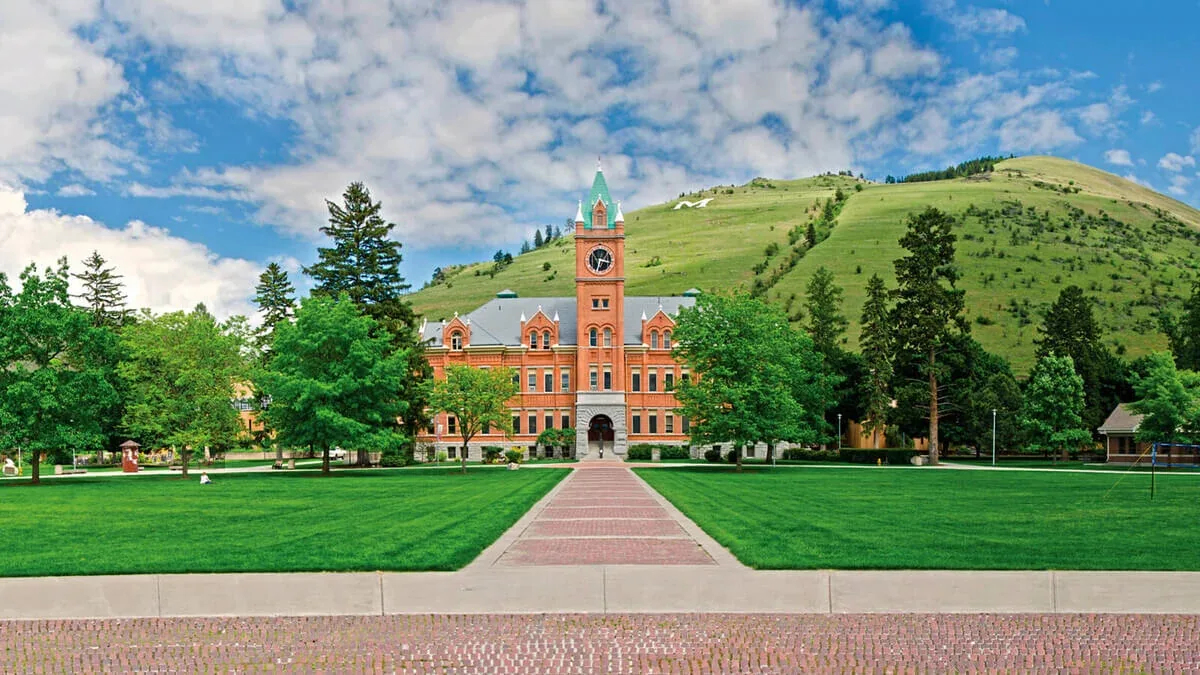
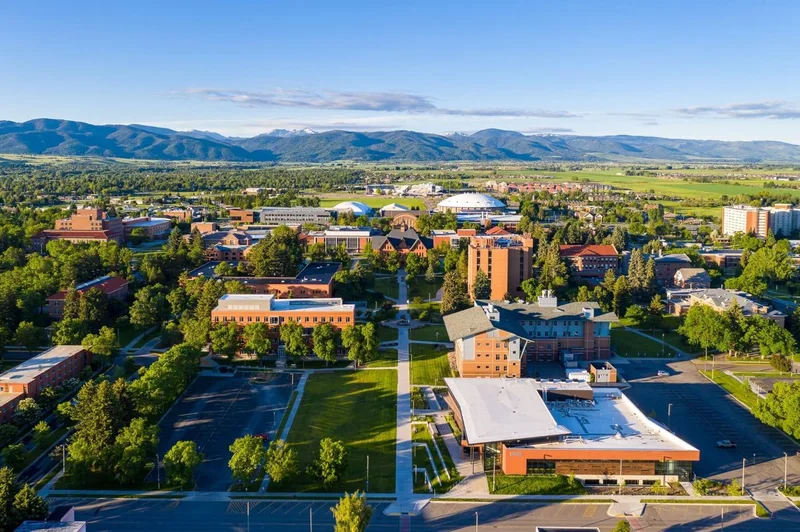
Missoula offers an urban, medium-sized campus with outdoor-oriented surroundings.
Athletes with verified production and position-specific readiness may fit this roster.
Videos
University of Montana Football Videos
#3 Montana Dominates South Dakota State in Missoula to Advance in FCS PlayoffsGriz Football at UC Davis Highlights - 10/7/23
Program stats
The Program by the Numbers
134
Athletes on the roster
10
Coaches on staff
$4,641
Spent per athlete
Spending and revenue a year
Spending$8,889,920
Revenue$11,316,096
Revenue covers everything the program spends.
Coaching time is shared widely, at around 13 athletes per coach in the 2025 EADA report, above the median of 10 among FCS programs. By the same report, the program spends about $3,900 per athlete on operations, about half of the FCS median.
Source: the federal Equity in Athletics report, 2025.
Feeders
Top Feeder Schools and Clubs
The high schools and clubs that sent the most players to this roster.
Across recent rosters, Sentinel High School has supplied nine players, the most of any school or club, ahead of Glacier High School with six. Beyond one-off arrivals, five sources keep sending players, with at least two apiece.
The school
School Environment
The University of Montana pairs strengths in natural resources and journalism with an accessible academic environment, making major selection, classroom expectations and degree completion important considerations for prospective athletes.