Recruiting campLacrosse · Men's
Winter Prospect Camp
- Jan 25, 2026
- Jessee/Miller Field, Hartford, CT
One-day prospect camp for high-school players hosted by the Trinity men's lacrosse staff at Jessee/Miller Field.
Browse programs
College directoryEvery program, filtered by what fits Sport directoryMen's and women's, every division State directoryPrograms in the states you would play inGo deeper
Major directoryYour major and your sport in one list Camp directoryID camps and showcases at college programs Conference directoryEvery conference and its member collegesOverview
Mission and culture
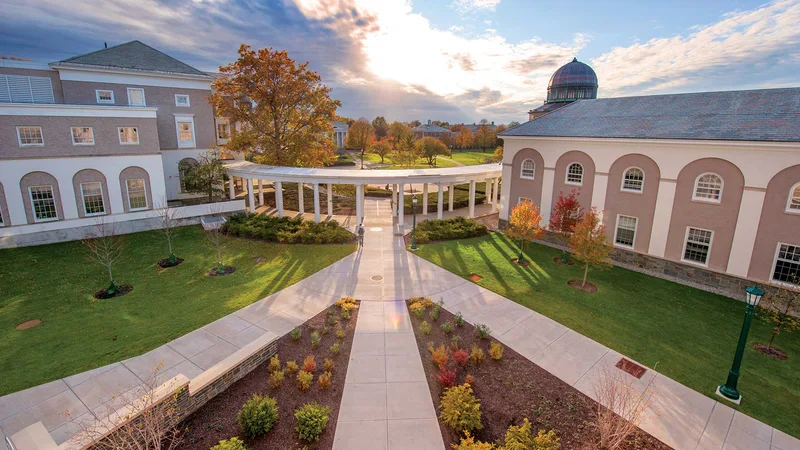
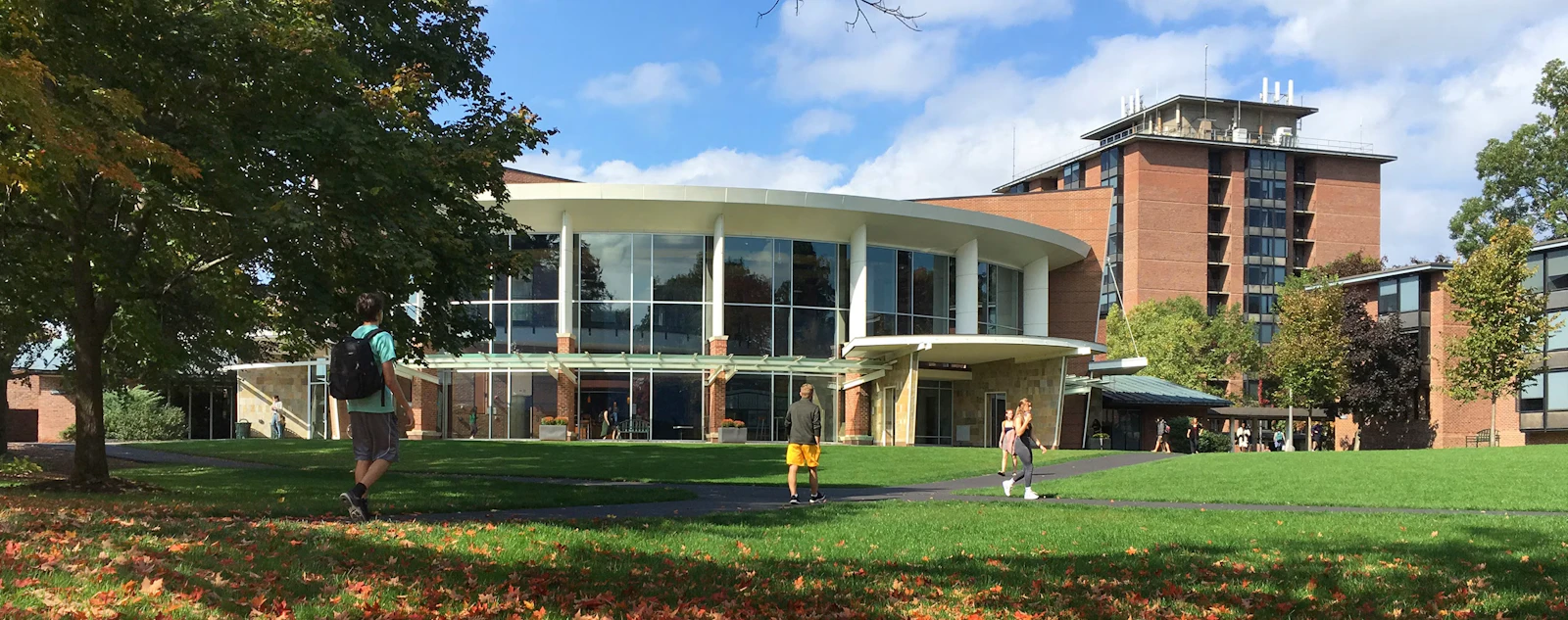
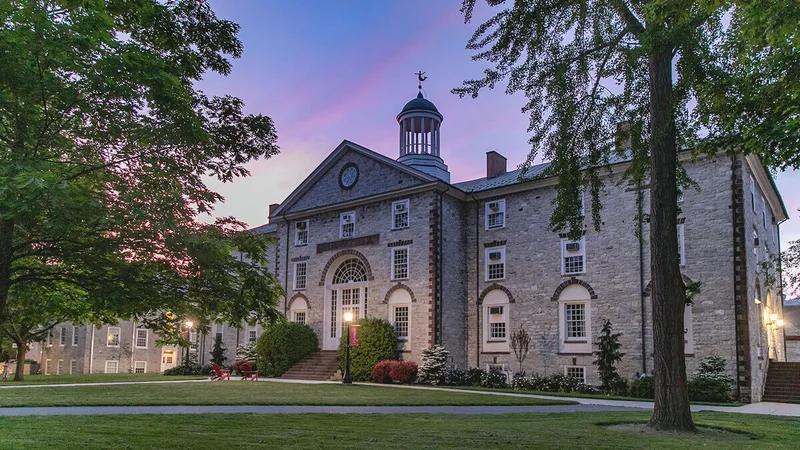
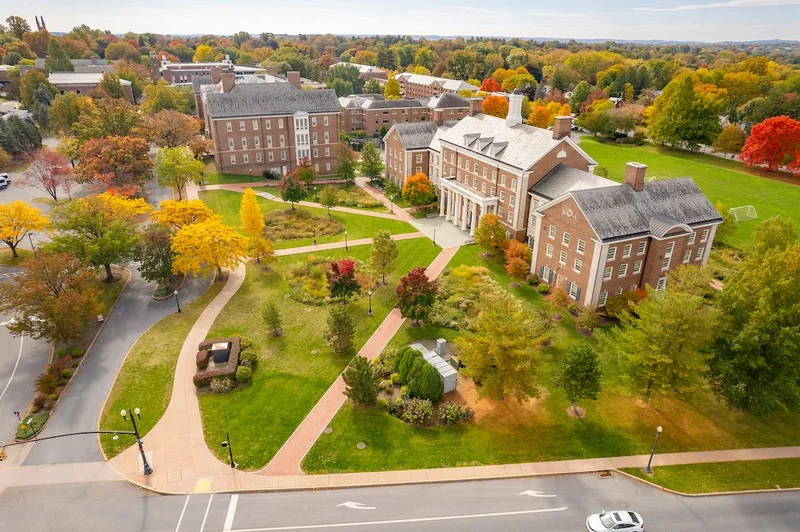
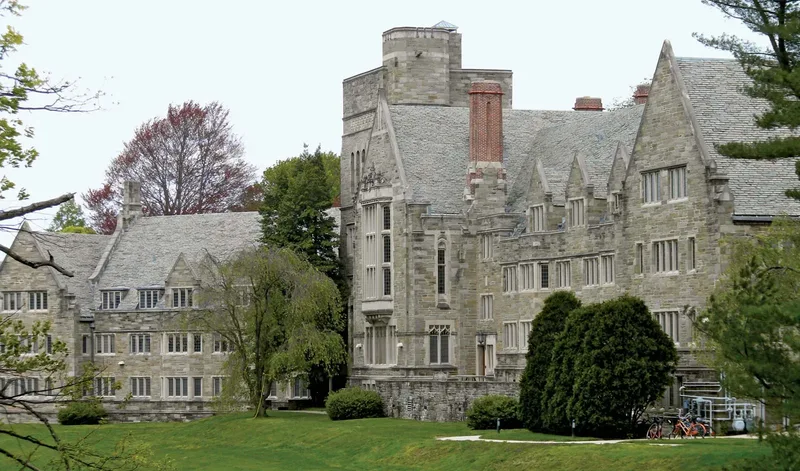
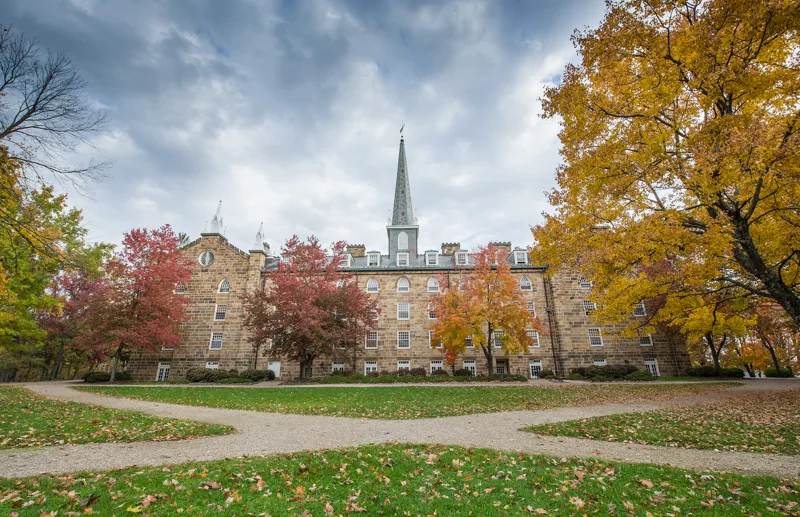
Trinity College is a small liberal arts college in Hartford, Connecticut, where a residential campus meets the opportunities of a state capital. Its NCAA Division III program competes primarily in the NESCAC, with championship-winning squash and an academic environment that asks athletes to take their coursework seriously.
Why athletes choose Trinity College
Close faculty relationships, NESCAC competition and Hartford internship opportunities appeal to athletes seeking a demanding liberal arts experience.
Fit check
Pick a sport, your position and level, add a test score if you have one, and get an instant read on your chances here. Free, and no account needed.
Academics
Trinity College combines demanding liberal arts coursework with strengths in economics, public policy and computer science, making academic preparation and career direction important parts of evaluating your fit here.
Academic strength
A composite of graduation rate, earnings after college, how selective admissions are and how hard the coursework is.
Acceptance rate
More selectiveMore accessible
Admissions are selective, so recruits need strong academic preparation alongside athletic accomplishments to build a competitive application.
Six-year graduation rate
0%100%
Graduation outcomes suggest an excellent chance of finishing on time while balancing academic and athletic commitments.
Academic difficulty
Rated 5 out of 5
Coursework is very demanding and time intensive, requiring careful planning around practices and competition.
Student to faculty ratio
students for every faculty member
Small classes make close faculty mentoring likely, helping athletes stay connected academically through busy competitive seasons.
Median earnings
per year, ten years after starting college
Six years after: $67,628Strong graduate earnings support the college's value, though your major and financial aid package still matter.
Undergraduate enrollment
undergraduate students
The small undergraduate community offers a familiar daily environment, with residential life and athletics helping shape campus connections.
SAT and ACT scores
The test profile reflects strong academic preparation, and testing is sometimes required, so confirm which requirements apply before planning your application.
Most popular majors
Admissions
Preparing your Trinity College application means organizing deadlines by admission plan, reviewing the test policy, and checking the application fee and recommendation requirements.
Binding. If admitted, you commit to attend.
A second binding round with a later deadline.
The standard deadline. Not binding.
Majors
33 undergraduate majors across 5 academic areas.
No major matches that search.
Campus life
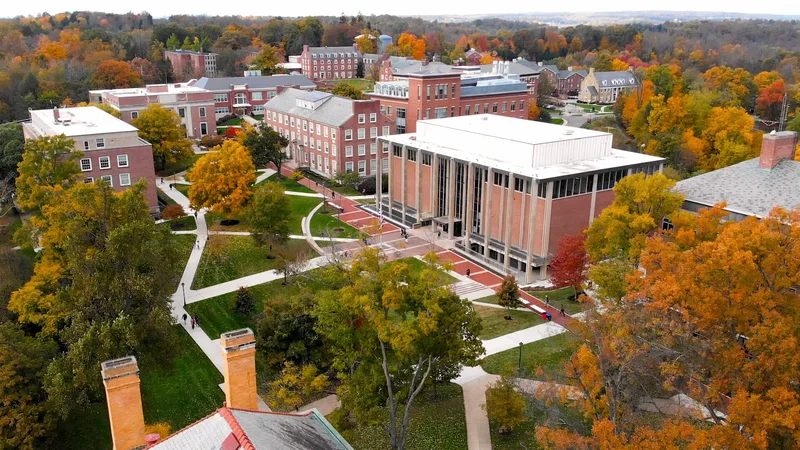
Residential life, active Greek organizations, arts and athletics shape this small urban campus, while Hartford offers opportunities for internships and community engagement.
Athletics
NCAA Division III competition centers primarily on the NESCAC, with championship-winning squash among the program's defining strengths. Athletes compete within a demanding liberal arts setting.
Athletic department
Explore how Trinity College supports its NCAA Division III athletes through department spending and recruiting investment, alongside the breakdown of participation and athletic aid by gender across its programs.
Athletes
Recruiting spend
Source: the federal Equity in Athletics report, 2025.
Cost
At Trinity College, need-based and merit-based aid can reduce the published cost, so compare your estimated net price with available grants rather than relying on tuition alone.
Average net price
What families pay on average after grants and scholarships, including tuition, housing and fees.
Published tuition
The sticker price a year, before any aid.
Financial aid
Need-based and merit-based aid availableAthletic scholarships, where a program offers them, are awarded by the coaching staff and come on top of these figures.
NIL
NIL rating
Trinity College in Hartford, Connecticut offers a developing name, image, and likeness (NIL) environment typical of a strong NCAA Division III program in an urban setting. Student-athletes in Trinity College sports can find personalized NIL opportunities that connect them with the local Hartford community and regional audiences.
See the full NIL breakdownStudent fit
The kind of student-athlete who tends to do well at Trinity College.
Trinity College best suits athletes seeking competitive NCAA Division III athletics alongside a selective, very demanding liberal arts education in an urban setting. It is a good match if you want small classes and close faculty relationships, but can manage substantial coursework around training, travel and competition without expecting an easy academic path. Students interested in economics, public policy or computer science can connect those interests with Hartford internship opportunities and strong career outcomes. Families should be comfortable evaluating need-based and merit-based aid rather than counting on athletic aid, and athletes who prefer a rural campus may find the city setting less appealing.
Who thrives here
High Motor CompetitorsTime ManagersCareer Minded StudentsIndependent Self StartersProfessor Relationship BuildersCamps
Trinity College has not posted new camp dates yet. These ran last season.
One-day prospect camp for high-school players hosted by the Trinity men's lacrosse staff at Jessee/Miller Field.
One-day winter clinic for rising high-school players hosted by the Trinity women's lacrosse coaching staff.
Five-day summer squash camp offering on- and off-court training, video analysis, and day and residential options.
Questions
It is known for rigorous liberal arts academics, strong programs in the humanities, social sciences, and sciences, and an emphasis on critical thinking, writing, and undergraduate research in a small, selective setting.
Admission is very competitive. Applicants are expected to have strong grades in a challenging high school curriculum, solid standardized test performance if submitted, and well-developed essays and recommendations that show intellectual curiosity and engagement.
It looks for students who are academically driven, intellectually curious, and eager to participate in a close-knit campus community, with evidence of leadership, initiative, and meaningful involvement in activities outside the classroom.
Yes, it offers strong STEM options alongside the liberal arts, including well-regarded programs in areas such as engineering, computer science, mathematics, neuroscience, and environmental science, with opportunities for research and hands-on learning.
Student life is centered on a residential campus with active clubs, arts, and community service, a vibrant social scene, and easy access to internships, cultural events, and entertainment in downtown Hartford and the surrounding region.
Yes, it enrolls students from across the United States and around the world, offers dedicated support for international and out-of-state students, and provides a campus environment where it is easy to get involved and build close connections.
Classes are generally small, discussion-based, and led by faculty rather than teaching assistants, allowing for close interaction, frequent feedback, and opportunities to collaborate on projects and research with professors and peers.
Students have access to a career center that helps with internships, advising, resume preparation, and networking, and the Hartford location provides convenient opportunities for placements in business, government, nonprofits, education, and the arts.
It competes in NCAA Division III athletics, offering a wide range of varsity, club, and intramural sports with a focus on balancing high-level competition with strong academic expectations.
Student-athletes balance competitive Division III sports with demanding coursework, receiving academic advising, access to training and athletic facilities, and support to manage time effectively while fully participating in campus life.
Yes, it is a small institution with a tight-knit campus, where most students live on or near campus, know their professors and classmates well, and can easily get involved in research, leadership roles, and extracurricular activities.
It offers a variety of study away options, including faculty-led programs and partner institutions around the world, making it possible for many students to spend a semester or more abroad while staying on track with their major requirements.
Compare
Other colleges worth comparing with Trinity College.
Engineering, close faculty relationships and a residential campus with city access give athletes distinct reasons to consider Union.
Close faculty relationships, interdisciplinary study and NESCAC competition appeal to athletes seeking a small residential college.
Close faculty mentorship and creative academics give athletes room to pursue interests beyond Liberty League competition.
Global learning, a close-knit campus and competitive conference programs give athletes reasons to consider Dickinson.
Close faculty relationships, globally focused academics and Twin Cities opportunities complement competitive Division III athletics here.
Close faculty relationships, research opportunities and Centennial Conference competition appeal to athletes seeking a demanding liberal arts education.
Close faculty mentorship and rigorous liberal arts study appeal to athletes seeking an academically focused college experience.
Athletes choose a setting where challenging liberal arts study, close faculty relationships and competition can fit together.
Close faculty relationships and a strong academic culture complement competitive athletics in a small residential community.
Close faculty relationships and a residential community appeal to athletes seeking challenging academics alongside conference competition.
Immersive academics, close faculty connections and varied athletic competition appeal to recruits who also value outdoor experiences.
Close faculty relationships and Los Angeles opportunities complement a residential liberal arts experience and Division III competition.
Three ways to start
Pick the option that matches where you are, and we will show you the plan that fits.
Resources