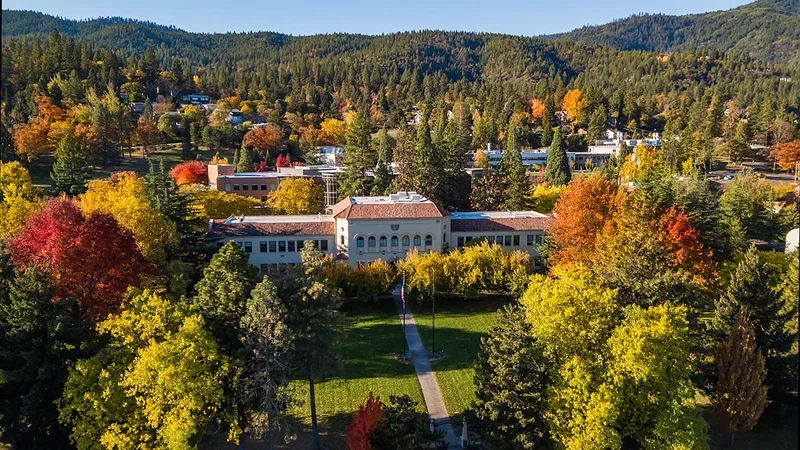
Athletes come for career-focused academics, Frontier Conference competition and a small campus with outdoor recreation nearby.
- 1,702
- Students
- 91%
- Admit rate
- $16,481
- Net price
Browse programs
College directoryEvery program, filtered by what fits Sport directoryMen's and women's, every division State directoryPrograms in the states you would play inGo deeper
Major directoryYour major and your sport in one list Camp directoryID camps and showcases at college programs Conference directoryEvery conference and its member colleges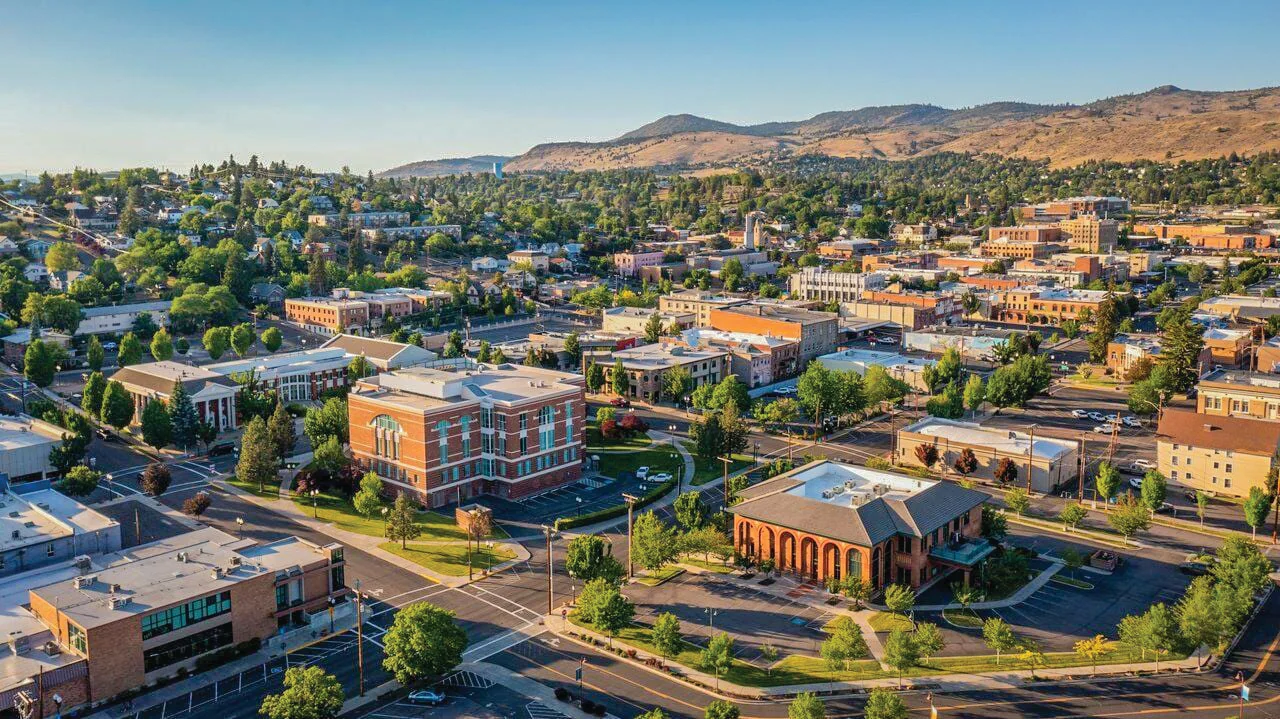

Klamath Falls, OregonCascade Collegiate Conference
Overview
Mission and culture
Oregon Institute of Technology is a public polytechnic university in Klamath Falls, Oregon, pairing applied engineering and health technology programs with NAIA athletics. Its career-focused education and rural, residential setting make it worth considering if you want technical preparation alongside competitive sports and a low-key campus environment.
Why athletes choose Oregon Institute of Technology
Applied academics, accessible admissions and NAIA competition appeal to athletes who want a career-focused college experience.
Fit check
Pick a sport, your position and level, add a test score if you have one, and get an instant read on your chances here. Free, and no account needed.
Academics
Oregon Institute of Technology emphasizes applied engineering, health technologies and career preparation, making academic demands, faculty access and degree completion important considerations as you plan to balance coursework with athletics.
Academic strength
A composite of graduation rate, earnings after college, how selective admissions are and how hard the coursework is.
Acceptance rate
More selectiveMore accessible
Admissions are highly accessible, so recruits should focus on academic readiness and program fit rather than selectivity alone.
Six-year graduation rate
0%100%
Finishing a degree is a reasonable goal with steady academic focus and consistent use of support.
Academic difficulty
Rated 4 out of 5
Challenging coursework demands disciplined study habits and careful planning around practices and travel.
Student to faculty ratio
students for every faculty member
Expect a balanced academic environment with some larger classes, and take initiative to build faculty relationships.
Median earnings
per year, ten years after starting college
Six years after: $68,301Graduate earnings suggest solid outcomes, giving families a useful reason to consider the career-focused curriculum.
Undergraduate enrollment
undergraduate students
The medium-sized undergraduate community offers some variety while giving athletes room to build connections beyond their own programs.
SAT and ACT scores
Testing is optional, and the score profile suggests recruits should weigh whether submitting results would strengthen an application alongside classroom performance.
Most popular majors
Admissions
Preparing an application to Oregon Institute of Technology means reviewing deadlines by plan, test policy, the application fee and recommendation requirements alongside your recruiting conversations.
Not binding. Hear back early and decide by May 1.
The standard deadline. Not binding.
Majors
27 undergraduate majors across 6 academic areas.
No major matches that search.
Campus life
A residential campus in rural Klamath Falls offers close-knit housing, outdoor recreation and student clubs, with a quieter social atmosphere.
Athletics
NAIA athletics compete primarily in the Cascade Collegiate Conference, with basketball and track and field among the conference contenders in a department recognized for academic and athletic performance.
Athletic department
At Oregon Institute of Technology, the NAIA athletic department's athlete participation, revenue, recruiting budgets and aid distribution offer a closer look at how resources support programs and recruiting across genders.
Athletes
Athletic aid
Recruiting spend
Source: the federal Equity in Athletics report, 2025.
Cost
For Oregon Institute of Technology, compare in-state and out-of-state tuition, published attendance costs and average costs after grants, while considering available need-based and merit-based aid in your family's budget.
Average net price
What families pay on average after grants and scholarships, including tuition, housing and fees.
Published tuition
The sticker price a year, before any aid.
Financial aid
Need-based and merit-based aid availableAthletic scholarships, where a program offers them, are awarded by the coaching staff and come on top of these figures.
NIL
NIL rating
The name, image and likeness (NIL) environment at Oregon Institute of Technology in Klamath Falls, Oregon is emerging and community-focused. Student-athletes in Oregon Tech college sports can build modest but meaningful NIL profiles by connecting with the local region and their academic and technical networks.
See the full NIL breakdownStudent fit
The kind of student-athlete who tends to do well at Oregon Institute of Technology.
Oregon Institute of Technology fits athletes seeking competitive NAIA sports alongside demanding, applied study in engineering, health technologies or computing. It suits recruits whose academic preparation can handle challenging coursework, even though admission itself is highly accessible, and who are willing to plan carefully around practices and travel. The rural Klamath Falls setting and low-key residential community appeal most to students who enjoy outdoor recreation and do not need a busy urban social scene. Families prioritizing career preparation and public in-state value should give it a look, while comparing aid offers and the demands of the intended major before committing.
Who thrives here
Career Focused AthletesHands On LearnersIndependent Self StartersStrong Time ManagersProblem SolversQuestions
It is best known for career-focused programs in engineering, technology, health sciences, and applied sciences, with a strong emphasis on hands-on learning, labs, and industry-aligned curriculum that prepares students for technical and professional careers.
The main campus is located in Klamath Falls in southern Oregon, offering a small to medium-sized campus with a close-knit community, access to outdoor recreation, and a quieter, more rural setting compared to large urban universities.
Admission is generally considered moderately selective, with a focus on solid high school preparation rather than extremely high test scores, making it accessible to many students who meet the academic requirements and show readiness for college-level work.
The overall academic difficulty is considered manageable for most students, though technical and health-related majors can be challenging; coursework emphasizes practical skills, projects, and labs, and many students balance classes with part-time work or activities.
Popular programs include various branches of engineering, engineering technology, information technology, renewable energy, medical imaging, dental hygiene, and other health and applied science programs that lead directly to in-demand careers.
Graduates typically see strong job placement outcomes, especially in engineering, technology, and health fields, thanks to industry partnerships, internship opportunities, and programs designed around current workforce needs.
Student life centers on small classes, close interaction with faculty, and involvement in clubs, student organizations, and outdoor activities, creating a community-oriented environment where it is easier to get to know classmates and instructors.
Yes, the campus offers residence halls and student housing options that allow students to live close to classes and campus resources, with common areas and activities designed to build community among residents.
Students have access to academic advising, tutoring, career services, counseling, disability services, and technical support, all aimed at helping them succeed in coursework and prepare for internships and employment after graduation.
The college offers intercollegiate sports teams that compete in the NAIA, along with intramural and recreational sports, giving both student-athletes and non-athletes opportunities to stay active and involved in campus athletics.
Student-athletes benefit from small class sizes, faculty who are generally understanding of competition schedules, and academic support services, making it realistic to balance varsity sports participation with earning a technical or health-related degree.
The Klamath Falls location offers easy access to hiking, lakes, winter sports, and other outdoor recreation, making it appealing for students who enjoy spending time outside when they are not in class or the lab.
Compare
Other colleges worth comparing with Oregon Institute of Technology.
Athletes come for career-focused academics, Frontier Conference competition and a small campus with outdoor recreation nearby.
Technology-focused academics, NAIA competition and a small campus appeal to athletes seeking a career-oriented college experience.
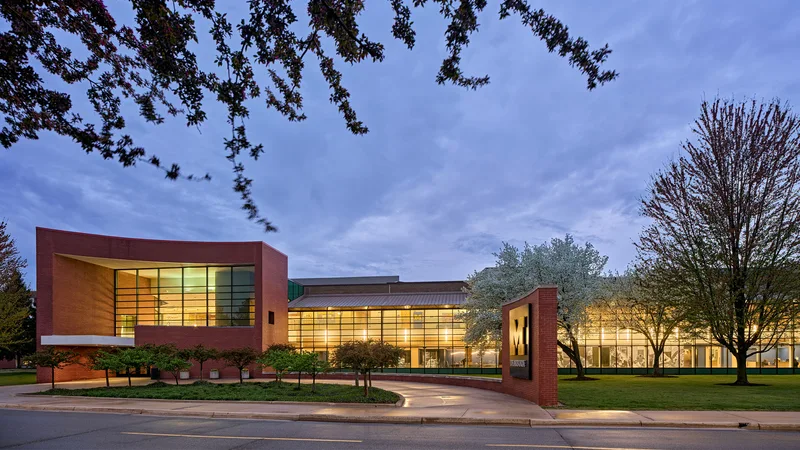
A University of Michigan degree, strong engineering programs and NAIA competition give athletes practical reasons to consider Dearborn.
Personal faculty access, affordable public tuition and regional career connections complement the opportunity to compete in NAIA athletics.
Competitive NAIA programs, accessible admissions and Ashland's creative culture give recruits distinct reasons to consider studying here.
Athletes can combine NAIA competition with career-focused study, a Baptist campus environment and financial aid options.
A small campus, interdisciplinary coursework and accessible costs appeal to athletes seeking a connected college experience.
Athletes choose a close-knit, faith-centered community where competitive sports sit alongside teacher education and career preparation.
Affordable study, flexible classes and regional career connections help athletes build a practical path through college.
Hands-on programs, reachable faculty and relatively affordable tuition give athletes practical reasons to consider competing here.
Athletes choose Evergreen for regional competition, flexible academic pathways and a campus culture centered on sustainability.
Strong health programs, NAIA competition and access to the Chicago area make St. Francis appealing to career-minded athletes.
Three ways to start
Pick the option that matches where you are, and we will show you the plan that fits.
Resources