
Applied academics, accessible admissions and NAIA competition appeal to athletes who want a career-focused college experience.
- 5,299
- Students
- 95%
- Admit rate
- $15,706
- Net price
Browse programs
College directoryEvery program, filtered by what fits Sport directoryMen's and women's, every division State directoryPrograms in the states you would play inGo deeper
Major directoryYour major and your sport in one list Camp directoryID camps and showcases at college programs Conference directoryEvery conference and its member collegesOverview
Mission and culture
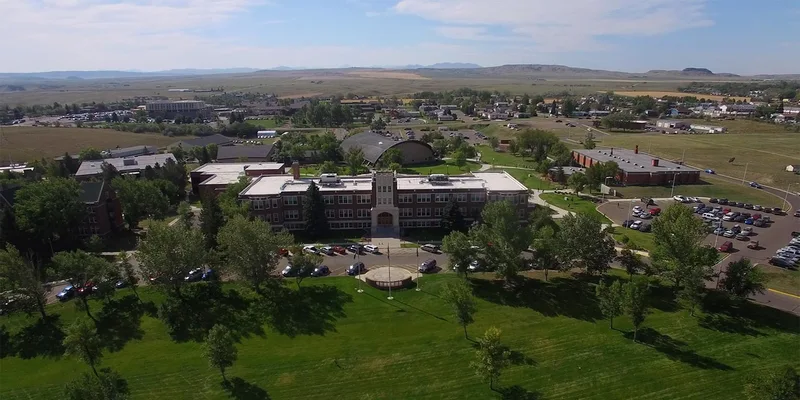
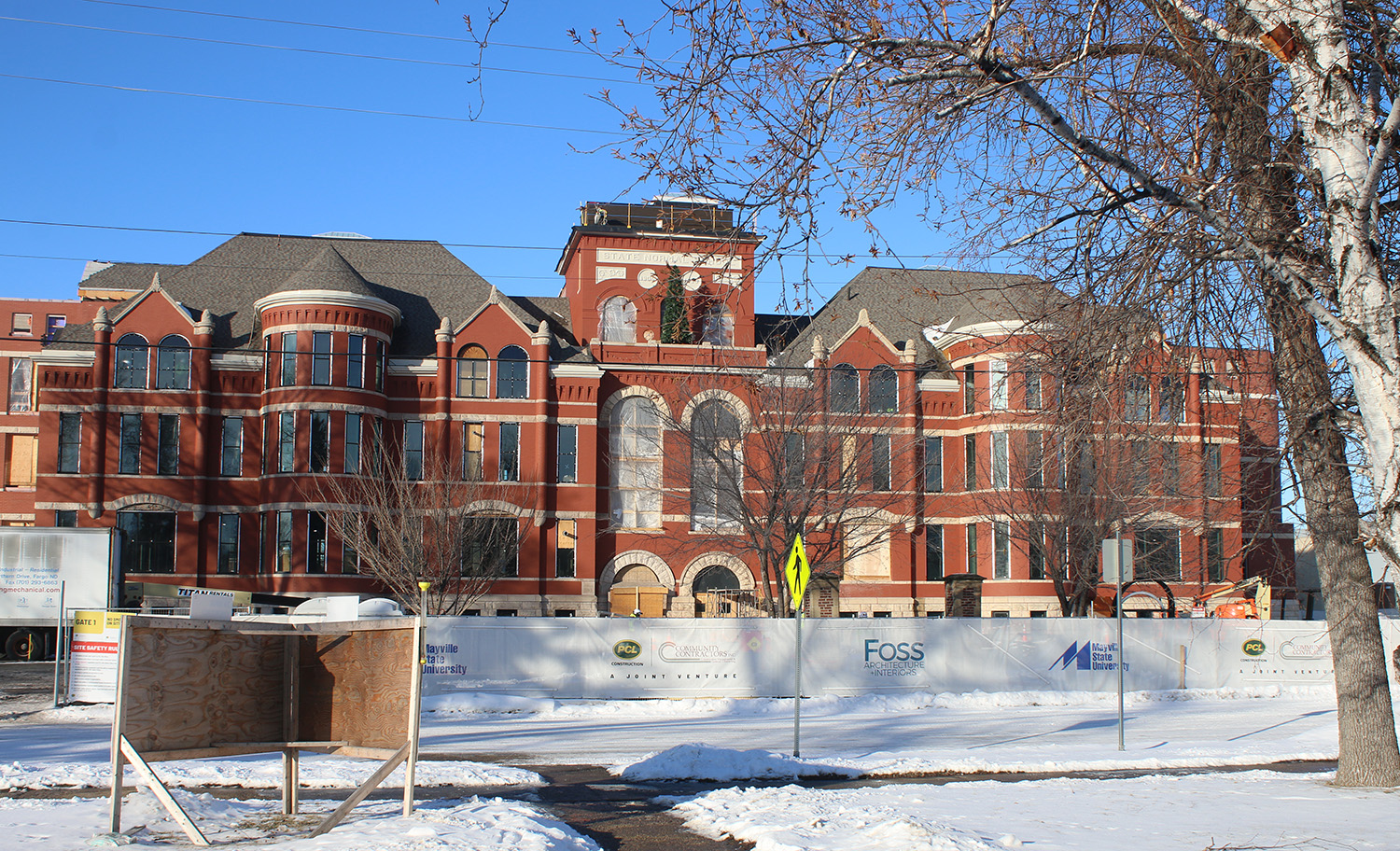
Montana Technological University is a STEM-focused university in Butte, Montana, where engineering, applied sciences and mining-related studies shape the academic experience. Its small, close-knit campus pairs NAIA athletics in the Frontier Conference with hands-on, career-oriented education and access to outdoor recreation in the surrounding area.
Why athletes choose Montana Technological University
Athletes come for career-focused academics, Frontier Conference competition and a small campus with outdoor recreation nearby.
Fit check
Pick a sport, your position and level, add a test score if you have one, and get an instant read on your chances here. Free, and no account needed.
Academics
Engineering and applied sciences shape the academic experience at Montana Technological University, where admissions accessibility, demanding coursework, faculty access and career outcomes help families evaluate the fit alongside athletic goals.
Academic strength
A composite of graduation rate, earnings after college, how selective admissions are and how hard the coursework is.
Acceptance rate
More selectiveMore accessible
Admissions are highly accessible, so recruits should focus on academic readiness and preparation for their intended field.
Six-year graduation rate
0%100%
Finishing is a reasonable goal with steady academic focus and consistent use of available support.
Academic difficulty
Rated 4 out of 5
Demanding coursework calls for disciplined study habits alongside practices, competition and travel.
Student to faculty ratio
students for every faculty member
Faculty should be reachable, giving athletes opportunities to build relationships and discuss coursework around athletic commitments.
Median earnings
per year, ten years after starting college
Six years after: $48,356Graduate earnings are moderate, making thoughtful major selection and career preparation important when weighing overall value.
Undergraduate enrollment
undergraduate students
The small undergraduate community offers a close-knit atmosphere where you can build connections beyond your athletic program.
SAT and ACT scores
Testing is optional, and the score profile leaves room for recruits with solid classroom preparation to consider whether submitting scores strengthens their application.
Most popular majors
Admissions
Plan your application to Montana Technological University by reviewing deadlines by plan, test policy, the application fee and recommendation requirements alongside your recruiting timeline.
Majors
20 undergraduate majors across 5 academic areas.
No major matches that search.
Campus life
A small campus in historic Butte combines residence halls, student activities and a close-knit community with access to outdoor recreation in a rural setting.
Athletics
The Orediggers compete in the NAIA, primarily in the Frontier Conference, with football, basketball and track and field among programs that contend for conference titles and postseason opportunities.
Athletic department
Explore how Montana Technological University supports its NAIA athletic department through program spending, recruiting budgets and athletic aid, including how recruiting resources and scholarship support are distributed by gender.
Athletes
Athletic aid
Recruiting spend
Source: the federal Equity in Athletics report, 2025.
Cost
As a public university, Montana Technological University offers an in-state tuition advantage, with grants and need-based or merit-based aid shaping the cost your family ultimately pays.
Average net price
What families pay on average after grants and scholarships, including tuition, housing and fees.
Published tuition
The sticker price a year, before any aid.
Financial aid
Need-based and merit-based aid availableAthletic scholarships, where a program offers them, are awarded by the coaching staff and come on top of these figures.
NIL
NIL rating
Montana Technological University in Butte, Montana offers a developing name, image, and likeness (NIL) environment where student-athletes in college sports can build personal brands within a close-knit campus and community. While not a major media market, Montana Tech athletes can still benefit from regional recognition and strong local support.
See the full NIL breakdownStudent fit
The kind of student-athlete who tends to do well at Montana Technological University.
Montana Technological University fits athletes who want NAIA competition and a hands-on education centered on engineering, applied sciences or other career-oriented fields. It suits students who are ready for demanding coursework despite highly accessible admissions, and who will protect study time around practices, travel and competition. The small campus and reachable faculty appeal to athletes who value personal connections, while Butte's rural setting and outdoor recreation suit those comfortable outside a major city. Families should weigh aid and academic fit carefully, especially if they want a less technical academic environment or a larger campus experience.
Who thrives here
STEM First AthletesHands On LearnersSelf Motivated StudentsTight Community SeekersTough CompetitorsQuestions
It is best known for strong programs in engineering, applied sciences, health professions, and technology-focused fields, with an emphasis on hands-on learning and industry partnerships.
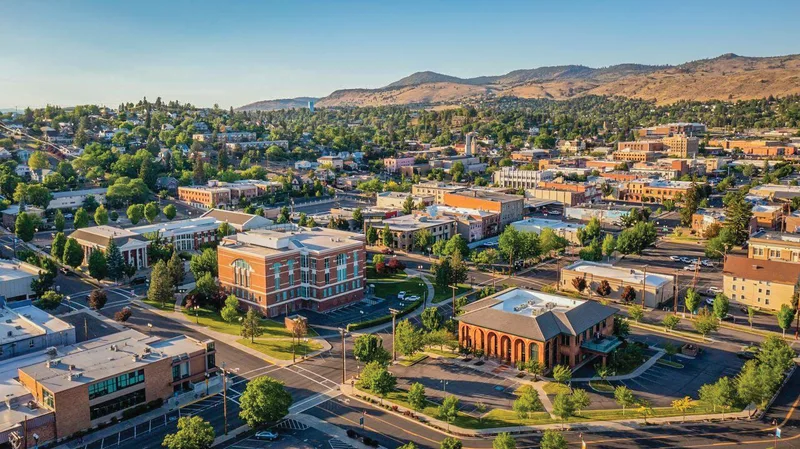
The university is located in Butte, Montana, on a hill overlooking the historic mining city, offering a small-campus feel, easy access to outdoor recreation, and a close-knit academic community.
Admission is considered moderately selective, with applicants evaluated on their high school coursework, grades, and test scores when submitted, along with overall academic preparation for science and engineering-focused study.
Students can pursue undergraduate and graduate degrees in areas such as engineering, environmental science, computer science, health sciences, business, and related applied fields.
It is a small university, which typically means smaller class sizes, more direct interaction with faculty, and a campus community where it is easy to know classmates and professors.
Student life centers around academics, outdoor recreation, student clubs, and campus events, with many students taking advantage of the surrounding mountains, trails, and winter sports opportunities.
Yes, there are residence halls and other on-campus housing options that provide convenient access to classes, campus resources, and student activities, especially for first-year students.
Graduates often move into careers in engineering, technology, natural resources, healthcare, and related industries, supported by internship opportunities, industry connections, and a career services office.
It is considered a strong choice for engineering, especially in disciplines tied to mining, petroleum, environmental, and mechanical engineering, with a focus on practical lab work and field experience.
Students can participate in intercollegiate athletics, club sports, and intramural activities, with varsity teams competing in sports such as football, basketball, volleyball, and track and field.
Student-athletes receive academic support resources, structured practice schedules, and advising designed to help them manage training and competition while staying on track with coursework.
It combines the personal attention of a small campus with specialized strengths in engineering, technology, and applied sciences, set in a historic mining town with extensive outdoor and field-based learning opportunities.
Compare
Other colleges worth comparing with Montana Technological University.
Applied academics, accessible admissions and NAIA competition appeal to athletes who want a career-focused college experience.
A close-knit campus, approachable faculty and NAIA competition appeal to athletes who prefer a smaller college environment.
Athletes can pursue NAIA competition alongside career-focused academics, approachable faculty and a quieter campus experience.
A small campus, interdisciplinary coursework and accessible costs appeal to athletes seeking a connected college experience.
Block scheduling, hands-on academics and Frontier Conference competition appeal to athletes seeking a small Montana campus.
A small campus, practical academic programs and regional career connections appeal to athletes balancing competition with college.
A small campus, practical career preparation and Frontier Conference competition give athletes clear reasons to consider this school.
A close-knit Christian community and approachable faculty help athletes connect their education with competitive NAIA athletics.
Crossroads League competition, a small campus and flexible academic paths give athletes several reasons to consider Grace.
Affordable tuition, teacher education and a small rural community appeal to athletes seeking NAIA competition.
Personalized instruction, career-focused study and a small residential community give athletes reasons to consider competing here.
Athletes choose this rural campus for NAIA competition, teacher preparation and an affordable, personal college experience.
Three ways to start
Pick the option that matches where you are, and we will show you the plan that fits.
Resources