Pathley News
Women's Rowing Recruiting: Process, Times and Coach Expectations
Learn how women's rowing recruiting works, what coaches evaluate, when to start outreach, and how to build a realistic college list for your level.
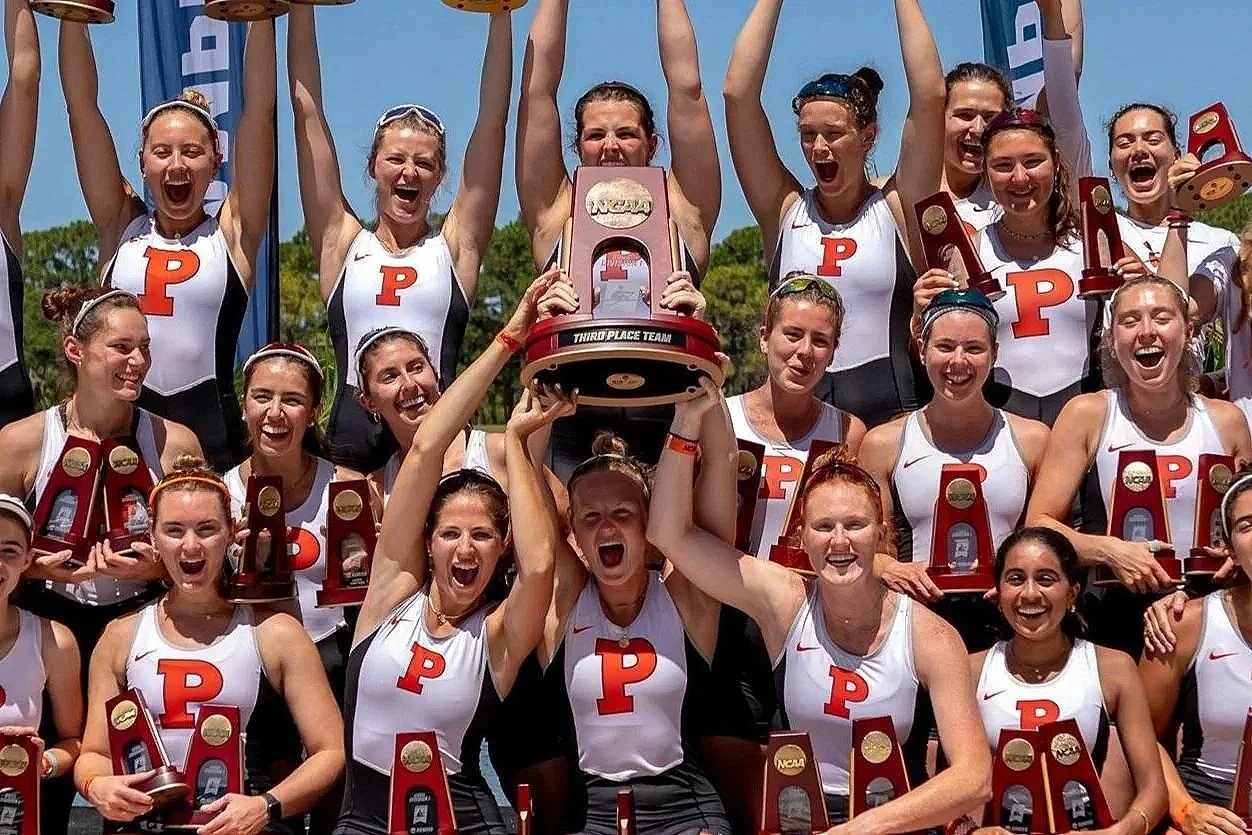
Women's rowing recruiting can feel confusing because the sport does not behave like soccer, softball, or basketball. Many athletes come from club programs instead of high schools, development can happen late, and coaches may care about a mix of erg times, boat experience, height, academics, and long-term upside.
That mix is why families sometimes hear opposite advice at the same time. One coach may focus on raw power and size. Another may care more about technical skill, sweep experience, or academic fit. A recruit who is overlooked by one program can still be a strong target somewhere else.
What do college coaches actually look for in a women's rowing recruit?
The important thing to understand is that the rowing recruiting process is usually about evidence, not hype. Coaches want to see how fast you are, how fast you are becoming, how you compete, how you communicate, and whether your academic profile makes sense for their school.
Rowing has some recruiting patterns that are unusual compared with many other college sports.
First, there is a heavy emphasis on measurable performance. Erg scores, especially over standard testing distances, give coaches a data point they can compare across regions and clubs. That does not mean the erg decides everything, but it does mean objective testing matters.
Second, on-water context matters more than people think. Coaches want to know whether your speed translates in real race settings, whether you move boats, whether you can row both port and starboard, whether you scull, and how you perform when the pressure goes up at a major regatta.
Third, the athlete development curve can be different. Some rowers start early and build years of technical experience. Others enter the sport later, improve quickly, and get recruited because their physical upside is obvious. In rowing, a late bloomer is not automatically too late.
This is also why some programs pay attention to crossover athletes from sports like swimming, track, basketball, or cross country. That path is not universal, but coaches in a projection-based sport will sometimes notice size, endurance, and room to grow.
Fourth, the school fit question is big. Women's rowing opportunities exist across different NCAA divisions and at strong club programs, so the right answer is not always the most famous logo. Families sorting through programs often start broadly with a sport directory, then narrow into individual schools using a college directory once academic, roster, and location priorities become clearer.
If you want to understand women's rowing recruiting, think like a coach building a boat, not like a fan building a highlight reel. Coaches are not just collecting the biggest names. They are trying to assemble lineups that can move well together, handle training, and fit the school's admissions and culture.
In most conversations around college rowing recruiting, the first question families ask is about erg times. That makes sense. The erg is one of the easiest ways for a coach to compare recruits who race in different regions or under different conditions.
Still, coaches rarely evaluate the number in isolation. They usually want context such as body size, age, training age, recent progression, and whether the score came from a normal test environment. An improving athlete with a strong trajectory can be more appealing than someone whose score has stalled.
They also care about honesty. Inflated or unverifiable scores create trust problems fast. If a coach asks for updates, give the exact number, the date, and the distance. Clean, consistent reporting is part of a recruit's credibility.
How do erg scores affect college rowing recruiting?
Results still matter, especially at well-known regattas, but coaches look past raw placement. They want to understand the boat class, the field strength, the conditions, and your actual role in the result.
An athlete who can row cleanly under pressure, adjust to coaching, and contribute across multiple lineups can be very recruitable even without a giant social media following. Versatility matters. So does racing intelligence. Many coaches would rather take a reliable athlete who improves team speed than someone whose profile is loud but whose fit is shaky.
If you are a coxswain, your evaluation will not look like a rower's. Coaches care about command presence, technical language, race management, practice habits, and how much speed you help create in the boat. Audio clips, coach references, and race context can matter more than the usual physical metrics.
That matters because some families accidentally apply rower advice to coxswain recruiting. The overlap exists, but the evaluation is different. Leadership, clarity, decision making, and trust are major parts of the picture.
Some programs place major value on physical tools, especially in a sport where leverage, power development, and durability influence long-term performance. That does not mean there is one universal body type for every college rower. It means coaches are projecting what an athlete can become in a college training environment.
For some recruits, the appeal is present performance. For others, it is the combination of decent current speed and obvious room to improve. This is one reason families should avoid making assumptions from one conversation or one camp experience. Different staffs value different traits.
Academics are not a side issue. At many colleges, especially selective academic schools, the transcript is part of the recruiting conversation from the start. Coaches need to know whether an athlete can clear admissions standards, remain eligible, and handle the workload once training and travel are added.
Families should track core academics early and verify eligibility steps through the NCAA Eligibility Center. Recruiting rules and contact dates can also shift, so it is smart to cross-check current details on the NCAA website rather than relying on old advice from teammates or message boards.
One of the biggest mistakes families make is assuming women's rowing recruiting only happens at a small group of headline programs. The reality is broader.
Division I includes many of the most visible rowing programs, and it draws attention because of strong competition, conference identity, and larger athletic departments. But visibility is not the same thing as fit. Some Division I programs want recruits with established results and strong measurable data. Others are more open to development and projection.
Division II has fewer rowing opportunities, but families should not skip it just because the total number of teams is smaller. A smaller pool can still contain excellent academic, athletic, and geographic fits.
Division III matters a lot in rowing. Many D3 schools offer serious training, strong academics, and meaningful admissions support through the recruiting process. For families focused on long-term school fit, D3 often deserves more attention than it gets.
Aid rules differ by division and by institution, and D3 schools do not award athletic scholarships. Families should also separate admissions support from financial aid, because those are not always the same conversation.
Then there are club rowing programs. Club does not mean casual. At some colleges, club rowing is highly competitive, well organized, and a legitimate home for athletes who want serious training without the exact structure of varsity NCAA athletics. In some cases, a club environment ends up being the best overall college experience.
When families compare these options, it helps to look beyond athletic reputation alone. Academic profile, campus size, geography, team culture, travel demands, and admissions selectivity can all matter just as much as boat speed. A broad scan of the rankings directory can help frame academic and campus categories before you start making a narrower target list.
For the wider rowing landscape, competition structure, and sport terminology, USRowing is also a useful reference.
What divisions offer the best fit for a women's rowing athlete?
There is no perfect master timeline that fits every athlete, because rowing development is not linear. Some athletes are college-ready earlier. Others make their biggest jump during junior year or even later. That said, a few timing patterns show up again and again.
The early phase is about foundation. Build technique, develop training habits, keep grades strong, and start collecting accurate performance data. You do not need to behave like a full-time recruit in the first months of high school, but you do need to take school and development seriously.
This is also the phase where families should learn the landscape. Understand which divisions sponsor rowing, which regions have more opportunities, and what type of school environment feels realistic. The more clearly you understand your possible fit, the less likely you are to waste time chasing random brand names.
For many athletes, junior year is when communication becomes more consistent and the college list becomes more real. Updated erg scores, race results, transcript strength, and video all start to matter more because coaches can project closer-term outcomes.
If you are reaching out to coaches, be specific. Include graduation year, club or school team, basic academic info, measurable results, and upcoming competition dates. Rowing coaches are often reading many messages fast. A clear, factual note works better than a dramatic one.
When should a high school rower start contacting college coaches?
By senior year, the best move is usually not to widen the search endlessly. It is to get more honest. Which schools are truly communicating. Which academic options are realistic. Where do your times, results, and transcript line up. Where would you genuinely want to live and train.
Late movement can still happen in rowing, especially for athletes who keep improving. But late opportunity is easiest to capitalize on when your academic records, communication habits, and college list are already organized.
A good first message in rowing is short, factual, and easy to scan. The goal is not to sound impressive. The goal is to make it easy for a coach to understand who you are and where you currently fit.
A strong outreach note usually includes your graduation year, club or school, height, primary rowing background, recent erg marks with dates, GPA, and a sentence about why the school interests you. If you have video, race schedule details, or updated results, those can help too, but only if they are organized.
Video can help in rowing, especially when it shows rhythm, blade work, posture, or how you move in the boat. But unlike some field and court sports, rowing video is usually a supplement, not the entire story. Coaches still want trustworthy results, measurable data, and a clear sense of your academic fit.
What hurts recruits most is vagueness. Messages that say you are hardworking, passionate, and dream of competing at the next level do almost nothing if they lack real information. Coaches hear that from everyone. Data, fit, and clear communication stand out more than hype.
Many of the same outreach and timing issues that rowing families run into also show up in a broader family recruiting Q&A archive, where common patterns become easier to spot.
Realistic does not mean settling. It means matching ambition with evidence.
In this sport, a realistic list usually includes a mix of schools where your current profile is already competitive, schools where your improvement curve could make you viable, and schools that are strong academic or personal fits even if the recruiting path is less direct.
That last point matters. Some families build a list based only on rowing prestige. Others build one based only on school name. Both approaches can backfire. The best lists usually start with a few non-negotiables, then work outward.
Useful filters include:
• Academic selectivity and whether your transcript matches the range.
• Team level and whether your current performance suggests real interest is possible.
• Geography, weather, and distance from home.
• Campus size and overall student experience.
• The difference between varsity NCAA rowing and serious club rowing.
• How much you are still improving, not just where you are today.
A realistic list also changes. A big erg drop, a strong racing season, or a jump in grades can shift the conversation. So can injuries, burnout, or a better understanding of what kind of school actually feels right.
Some mistakes show up in almost every sport, but a few are especially common here.
• Treating one erg score like a final verdict. Coaches care about trend lines, not just one test.
• Ignoring academics until the recruiting conversation is already serious.
• Waiting too long to organize communication, results, and school research.
• Confusing a recognizable program name with personal fit.
• Assuming club rowing is automatically a backup option, when in reality some club programs offer strong competition and community.
• Letting parents take over athlete communication. Guidance helps. Speaking for the athlete usually does not.
Parents matter in this process, especially because rowing often involves travel, academics, and a lot of moving pieces. The most helpful role is steady support, not control.
Good parent help looks like calendar management, transcript awareness, travel planning, and honest conversations about school fit. It also looks like protecting perspective. Not every quiet week means bad news, and not every enthusiastic conversation means a commitment is coming soon.
It helps when the athlete stays responsible for communication and ownership. Coaches are recruiting the athlete, not the family representative. A parent can absolutely help edit an email or talk through a visit, but the athlete should remain the voice.
The best rowing match is rarely just the fastest team that notices you. It is the place where your athletic level, academic profile, development path, and daily life actually line up.
Some athletes thrive in big Division I environments with deep rosters and intense training culture. Others grow more in Division III or at a serious club program where the academic and social experience fits better. Neither answer is automatically better. What matters is whether the environment makes sense for who the athlete is and who she is becoming.
That is why honest self-assessment matters so much. Honest academic self-assessment. Honest evaluation of results. Honest conversations about geography, campus feel, and training load. Recruits who get honest earlier usually make better decisions later.
The most important thing to remember is that rowing recruiting is rarely decided by one race, one camp, or one email. It is built over time through measurable improvement, consistent communication, and a school list that makes sense in real life.
If you are early in the process, focus on development and academics. If you are in the middle of it, focus on clarity and communication. If you are late in the cycle, focus on realistic opportunities and keep improving anyway. In women's rowing recruiting, momentum often matters more than drama.
How should I build a realistic college list for women's rowing?
Rosters, coaches, and division breakdowns for every NCAA and NAIA program we track.








