Insight
College Rowing Recruiting Guide: Times, Scholarships, Strategy
Understand college rowing recruiting, from erg times and academics to scholarships, walk on options, and smart college list strategy, so you can own your process.
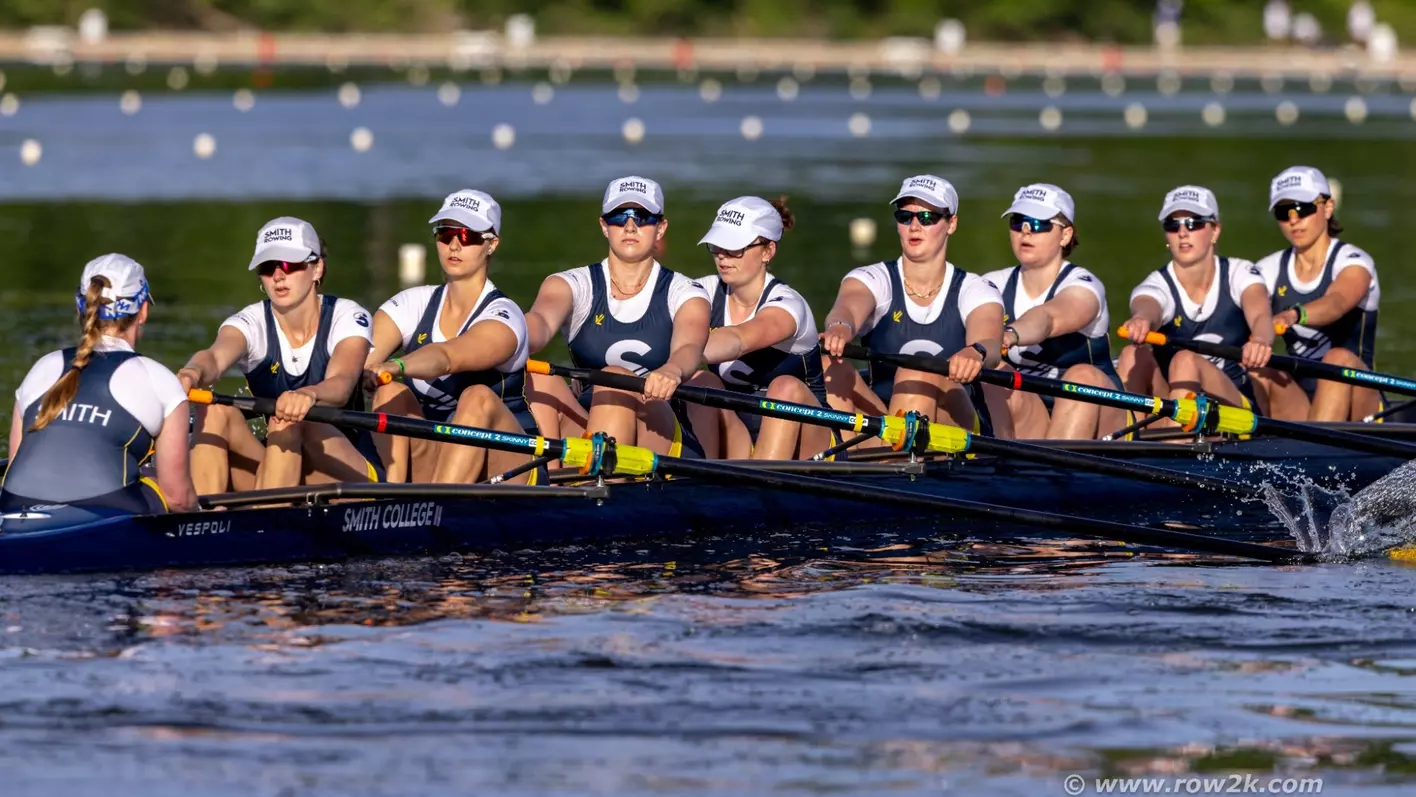
If you are serious about rowing in college, you have probably heard a mix of half-truths and random advice. You need a crazy 2k by sophomore year. Only tall athletes get recruited. If you did not grow up on the water, you are done. None of those are the full story.
College rowing recruiting is its own world. The sport is concentrated at certain schools, men and women are treated differently by the NCAA, and a huge number of athletes start late or walk on. That creates opportunity, but only if you understand how the system really works.
This guide breaks down the landscape, what coaches actually look for, how the timeline works, and how to build a smart plan that fits your level and goals. If you want a deeper, interactive breakdown, you can always ask Pathley directly: How does the college rowing recruiting process really work from first contact to committing?
We will focus on both recruits with years of rowing behind them and athletes who might be new to the sport but have real potential.
Before you can game plan, you need a clear view of what college rowing actually looks like. This is where college rowing recruiting is very different from sports like soccer or basketball.
Women’s rowing is an NCAA championship sport at the Division 1, Division 2, and Division 3 levels. Many Division 1 women’s programs are fully funded or close to it. That means real scholarship money is available, especially at larger public universities. According to the NCAA rowing overview, women’s rowing is also one of the larger roster sports, with big squads at many schools.
Men’s rowing is different. At a lot of universities, men’s rowing is a varsity sport that competes in the IRA or conference championships outside the NCAA structure, or it is a competitive club team. Scholarships on the men’s side are more limited and depend heavily on the specific school and whether the team is varsity or club.
The bottom line: Scholarships and roster spots are typically more plentiful for women, but there are meaningful opportunities for both men and women if you know where to look.
Varsity NCAA programs, mostly women’s teams, operate under NCAA rules for recruiting, eligibility, and scholarships. They have official seasons, strength staff, academic support, and clear limits on practice and recruiting contact. You will see them listed on the official NCAA site and on the school’s athletics page.
Club programs come in a few flavors. At some schools, the club program rows at a very high level, with dedicated coaches and serious training, but the team is managed through campus recreation, not the athletic department. Other clubs are more casual. Club teams generally do not offer athletic scholarships, but they can still be a great fit if you love the sport and want more balance.
Part of smart college rowing recruiting is deciding whether you are aiming for varsity NCAA teams, high level club teams, or both.
Rowing is unusual because many future college rowers have not been in the sport since they were kids. A lot of athletes come from other sports like swimming, basketball, track and field, or volleyball. For women in particular, some coaches recruit multi sport athletes who have never rowed but have the size, power, and academics to develop fast.
On the flip side, there are also athletes who were on the water by middle school, race for strong clubs, and have national level results and impressive erg scores. The recruiting path for these athletes can look more like a traditional sport.
Wherever you fall on that spectrum, there is likely a path for you. The key is understanding how your background lines up with the different levels of college rowing.
Every program has its own priorities, but most rowing coaches look at the same core buckets when evaluating recruits: athletic measurables, on water performance, academics, and character.
Like it or not, erg scores matter in college rowing recruiting. Coaches use them as an initial filter to see who might have the power and endurance to compete at their level.
The most important metric is usually your 2k erg time, followed by the 6k. For heavier athletes, coaches will also look at splits at various stroke rates, peak power, and sometimes strength numbers in the weight room.
Typical recruited times vary by division, by school, by gender, and even by your height and weight. A time that is competitive for a mid major Division 1 program might not be enough for an Ivy, but it could make you a top recruit at a strong Division 3 or high level club program.
If you are not sure what to shoot for, a good starting point is to ask smarter questions rather than chase random numbers you see online. For example, you might ask Pathley: What 2k erg time should I target if I want to be recruitable for top academic college rowing programs?
Remember that coaches look at trends too. Dropping your 2k time consistently over 6 to 12 months shows work ethic and upside, not just raw talent.
Rowing is not done on the erg alone. Coaches care about how you move a boat and how you race.
Key things they look for include:
• Seats and boats you have rowed in, especially if you have experience in top lineups for your club or school.
• Results at major regattas, like regional championships, national events, or wellknown head races.
• Video that shows your technique at race rate and steady state, ideally from multiple angles.
For coxswains, coaches focus more on your communication, race calls, steering, and ability to lead a crew under pressure than on physical measurables.
Rowing rosters are often loaded with strong students. Many top rowing schools are also demanding academically, especially in the Ivy League, NESCAC, and similar conferences. Coaches cannot recruit you if you cannot clear admissions and, for NCAA programs, eligibility rules.
That means your GPA, course rigor, and test scores (if required) are all part of your recruiting profile. The NCAA outlines baseline eligibility standards for Division 1 and Division 2 athletes on its main site at https://www.ncaa.org, but the academic bar at individual schools can be higher.
Serious recruits treat school like part of the sport. Strong academics do two huge things: they open doors at academically selective programs, and they can unlock significant merit and need based aid, especially at Division 3 and non scholarship schools.
Rowing is a grind. Coaches know that if you are not wired for consistent work, early mornings, and putting the boat first, it will not matter how fast your 2k is as a junior.
They pay attention to how you communicate, how you talk about teammates and coaches, how you respond to setbacks, and whether you ask thoughtful questions. They also care about your potential fit with the team’s culture and the academic environment on campus.
This is why your emails, calls, and visits matter so much in college rowing recruiting. Programs want athletes who will not just help them win races, but who will be strong teammates and students for four years.
Rowing recruiting roughly follows the broader NCAA pattern, but it has its own twists. Exact rules can change, so always double check the latest guidance on the NCAA site and with individual schools.
Freshman and early sophomore years are mostly about development. Very few athletes commit this early, and many college coaches cannot initiate recruiting contact yet based on NCAA rules.
Use this time to build a foundation:
• Learn solid technique and build good habits in the boat.
• Log consistent training, including strength and mobility work.
• Establish disciplined academic routines and strong grades.
• Start tracking your erg scores so you can see progress over time.
For most women’s Division 1 programs, coaches can begin calling, texting, and messaging recruits on June 15 after your sophomore year of high school, with official visits typically allowed starting August 1 before your junior year. Many serious rowing conversations begin around this window.
For men’s varsity programs and club teams, timelines are a bit more flexible and driven more by the program than by formal NCAA calendars, but the middle of high school is still a key evaluation period.
By this stage you should be:
• Dialing in your 2k training and pushing for meaningful drops in your time.
• Getting solid race experience at bigger regattas where coaches might be watching.
• Building a real recruiting resume that includes academic and rowing information.
• Beginning to email coaches with updates and introductory information.
If you are unsure when to really start proactive outreach based on your grad year and current numbers, you can ask Pathley something like: Which college rowing programs are realistic matches for my current erg scores, academics, and preferred regions?
Junior year is often when offers and verbal commitments start to happen in women’s rowing, especially for top Division 1 programs. Some athletes will commit in the fall or winter of junior year, while others keep talking with schools into senior year.
Men’s rowing can be even more varied. Some high level recruits commit on similar timelines to women, while others match with programs later, even into the spring of their senior year, especially for walk on or late blooming athletes.
If you are a senior and still uncommitted, you are not done. Many programs want to see how your times progress, what your final test scores and grades look like, and how serious you are about the sport. This is where persistence, targeted outreach, and flexibility with your college list can pay off.
Think of your recruiting profile as your athletic and academic story in one place. When a coach clicks your email or opens a PDF, they should immediately see who you are and where you might fit.
Coaches do not want a novel. They want clean, accurate information. Make sure your resume covers:
• Basic info: name, grad year, height, weight, contact information, high school and club.
• Erg data: best 2k and 6k times with dates, plus any relevant splits that highlight your strengths.
• On water details: primary side or sculling, seats you have rowed, boat classes, and notable race results.
• Academic profile: GPA, class rank if available, test scores if you have them, and intended major interests.
• Extras: other sports, leadership roles, awards, and anything that shows your work ethic and character.
If you want help turning your raw info into a clean, coach ready PDF, the Pathley Athletic Resume Builder can pull your stats, times, and links into a polished format in minutes.
Rowing video does not need to be fancy. Coaches just want to see how you move a boat. A simple training or race video can be enough if it is clear and well framed.
Good footage usually includes:
• A side view at steady state and at higher rates so coaches can see your stroke length, rhythm, and connection.
• A front or back angle to show handle heights and body alignment.
• Short clips of starts and sprints to show how you handle high pressure strokes.
For coxswains, include race audio with your calls, steering, and communication along with video if possible.
Rowing is not as social media driven as some sports, but your online presence still matters. If you share training or racing clips, keep them focused and professional. Avoid complaining about coaches or teammates online. College staffs absolutely notice that stuff.
More important than a public profile is having a simple central link that coaches can click to see your information, video, and updates. Pathley can act as that hub when you share your tools or PDFs with coaches.
The biggest mistake families make is building a college list around names, not fit. For rowing, this is even more dangerous, because the sport is heavily concentrated in certain regions and at specific types of schools.
Step one is being honest about what matters most to you. Competitive level. Academic rigor. Financial reality. Distance from home in your college search. Campus size and culture. Weather. These are not small details; they shape your entire experience.
From there, you can begin to match yourself to realistic program tiers. Maybe you target a mix of high academic Division 1, strong Division 3, and a few elite club teams. Or maybe your best fit is a set of public universities with solid varsity women’s rowing and a couple of club options as backups.
Pathley’s College Directory and sport specific hubs like the Rowing Pathley Hub make this easier by putting every school in one place so you can filter by sport, level, and other factors quickly.
Not every rowing program can offer athletic scholarships, especially on the men’s side and at many Division 3 and Ivy League schools. But that does not mean there is no money.
You may be able to combine:
• Athletic aid at eligible schools.
• Academic or merit scholarships based on your grades and test scores.
• Need based aid from the school, especially at institutions with strong financial aid policies.
Talking frankly about cost early can save you a lot of stress later. Ask coaches how funding works at their school and what typical packages look like for rowers.
Once your basic profile is ready and you have a working college list, you need to get on coaches’ radars. In rowing, that usually starts with email.
A good first email is simple and specific. Coaches do not have time for long life stories. They want to know if you might fit their program and why you are genuinely interested.
Make sure your message includes:
• A clear subject line with your grad year, position, and key metric such as 2k time.
• A short intro with your name, school, club, and where you are from.
• Your top rowing measurables and recent racing highlights.
• Your academic info and any test scores you have.
• A sentence or two on why you are interested in their school specifically.
• Links to your resume and video.
End with a simple question, like asking what erg standards they are typically recruiting for your class, or what the next steps might be if they are interested.
Most coaches will not offer you a spot off one email. That is normal. Following up professionally is part of the process.
Smart updates include:
• New erg personal bests with dates.
• Notable race results or seat moves.
• Academic milestones, like improved GPA or test scores.
• A refined highlight clip or technical video if your stroke has improved.
You do not need to email weekly. Focus on meaningful changes, not noise. And always respect coaches’ time. If they tell you their class is full, thank them and move on.
One unique feature of rowing is how many athletes join as walk ons. At some big universities, especially on the women’s side, a significant portion of the roster started as novices in college.
Walking on typically means you were not formally recruited in high school but you try out once you get to campus. Some schools run organized novice programs, while others hold more traditional tryouts where they look at your athletic background, height, and how you handle a short intro to the sport.
Pros of walking on include:
• You have time to choose a college mostly for academics and overall fit, then pursue rowing once you are there.
• If you come from a strong athletic background, you might develop quickly when you finally focus on one sport.
Cons include:
• You may not have guaranteed access to the team if rosters are full.
• You will likely not have the same admissions support that a recruited athlete might receive.
Many families aim for a hybrid approach: treat college rowing recruiting seriously, reach out to coaches, and build relationships, but also target schools where walking on would be a real and attractive option if recruiting does not line up perfectly.
To finish, let us clear up a few myths that can quietly sabotage good athletes.
Myth: You must have a world class 2k time by sophomore year or you are finished. Reality: Late development is common in rowing, especially for athletes who grow later or transition from other sports. Coaches care about your trajectory and how you are trending, not just one early time.
Myth: Only tall athletes get recruited. Reality: Height can help, but it is not everything. Power, efficiency, and mental toughness matter just as much. Smaller rowers and coxswains can absolutely carve out strong roles at the right programs.
Myth: If you did not grow up rowing at a famous club, you have no chance. Reality: Coaches recruit from everywhere. They care far more about your current level, upside, and academics than about your club’s name.
Myth: Division 1 is the only level worth pursuing. Reality: Some of the best educational and life experiences in rowing happen at Division 3 and club programs where you can balance high level racing with other goals.
If you are unsure how these myths apply to your own situation, it can help to talk it through. A good starting question for Pathley might be: Can you help me build a step by step college rowing recruiting plan based on my grade, sport history, and goals?
Trying to manage college rowing recruiting with random spreadsheets and guesswork is exhausting. Pathley is built to give rowers, coxswains, and parents a clear, modern alternative to that chaos.
With the Rowing Pathley Hub, you can explore programs that actually sponsor your sport, see how different schools compare, and quickly surface options you might never have heard of. The College Fit Snapshot helps you evaluate how your academics and rowing profile line up with specific schools on one simple page.
Pathley’s AI chat is built for questions exactly like the ones in this article. It can break down rules, explain timelines, and help you interpret your times and results in context. If you want to go deeper, you can ask something like: Which college rowing programs are realistic matches for my current erg scores, academics, and preferred regions?
And when you are ready to present yourself to coaches, tools like the Athletic Resume Builder make it easy to share a clean, coach ready snapshot of who you are in and out of the boat.
Reading about college rowing recruiting is a good start. But what actually changes your future is turning this information into a focused, personal plan that fits your level, your academics, your body, and your goals.
You do not have to figure that out alone. Pathley is built to be the coach in your pocket, helping you discover schools where you truly fit, understand how competitive you are at different programs, and take the right recruiting steps at the right time.
College rowing can open incredible doors. With a smarter approach to college rowing recruiting, you can stop guessing, start planning, and give yourself the best possible shot at the right boat, on the right campus, at the right time.
Rosters, coaches, and division breakdowns for every NCAA and NAIA program we track.