Insight
JUCO Pathway to Division 1: How the Route Really Works for Recruits
Understand the JUCO route to Division 1, including eligibility, academics, coach expectations, and how athletes turn junior college into opportunity.
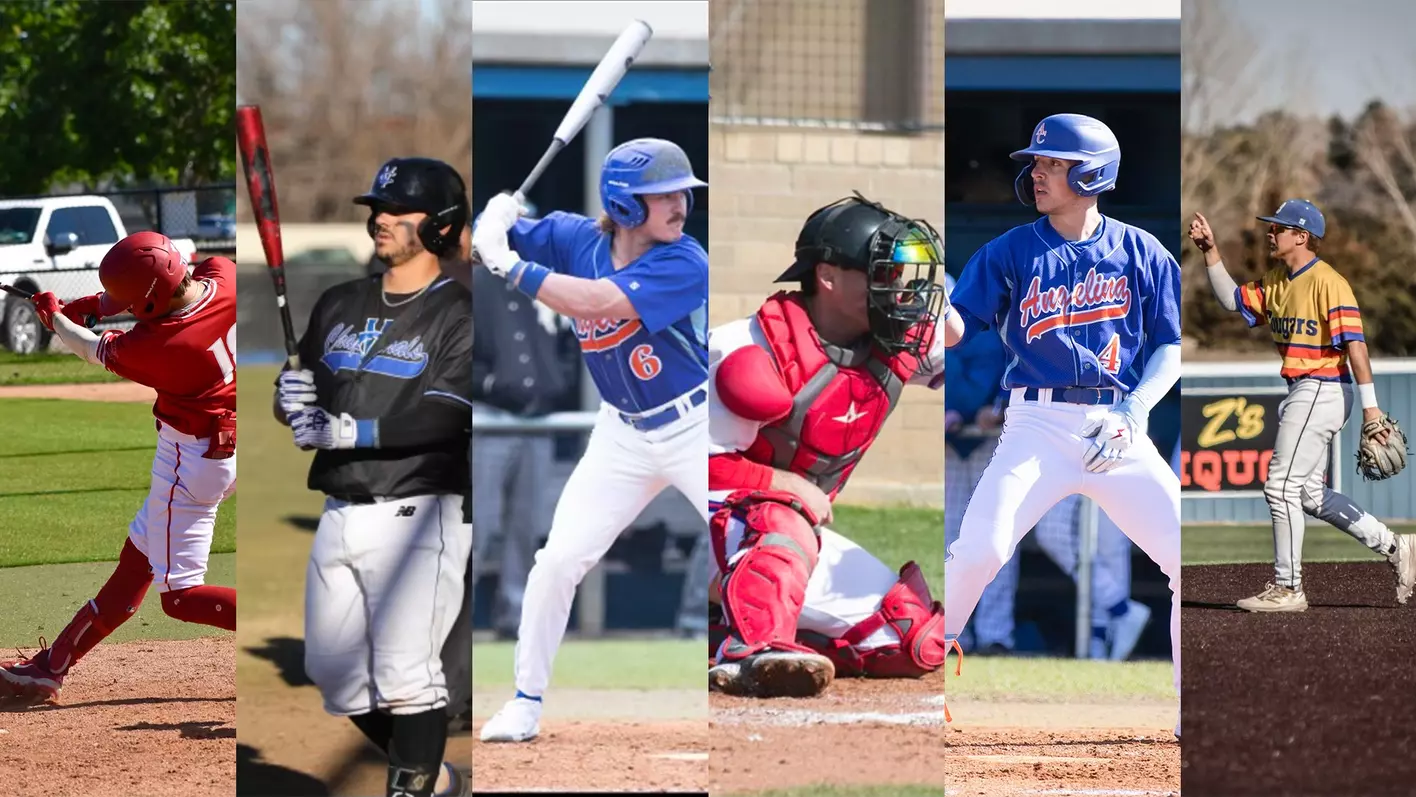
A lot of athletes hear the word JUCO and immediately think backup plan. That is usually the wrong frame. Junior college can be a smart, intentional recruiting move for athletes who need more film, more development, a better academic track, or simply another chance to be evaluated as a more complete player.
The juco pathway to division 1 works best when families understand one simple truth, coaches are not recruiting the label. They are recruiting the athlete in front of them right now. If junior college helps an athlete become more productive, more mature, more physically ready, and more academically stable, then it can absolutely lead to a higher level.
That does not mean it is automatic. Some athletes go the JUCO route and rise fast. Others lose time because they picked the wrong school, ignored academics, or assumed exposure would just happen on its own. The difference is usually not talent alone. It is clarity, fit, and day to day execution.
Early in the process, many families are asking, Is JUCO a good path to Division 1 if I was overlooked in high school?
JUCO usually refers to junior college athletics, most commonly two year colleges that compete through organizations like the NJCAA. In practice, the JUCO world gives athletes a college environment before they transfer to a four year school. That means college classes, college training, college coaching, and college competition, not just more high school.
For recruits, that matters because evaluation changes once an athlete is performing against older players. A high school sophomore or junior may still be mostly projection. A junior college freshman or sophomore is easier to judge because coaches can watch real college level habits, real college strength, and real college production.
That is why JUCO attracts different types of athletes. Some were late physical developers. Some had injuries at the wrong time. Some were under recruited because they played in a weak club or high school environment. Some needed an academic reset. Some simply were not ready, mentally or physically, to contribute at a four year program right away.
There is a reason so many strong college players have junior college in their background. JUCO can change the recruiting conversation from what an athlete might become to what that athlete already is.
High school film gets old fast. So do old times, old measurables, and old opinions. Once an athlete starts producing in junior college, the conversation becomes more current. Coaches can watch how that player handles college speed, physicality, structure, travel, and competition. That is far more useful than guessing whether a high school junior will grow into a role.
Athletes do not all mature on the same schedule. Some gain strength later. Some finally settle into one position after years of playing everywhere. Some need time to clean up mechanics or improve decision making. Junior college gives those athletes room to become the version of themselves that four year staffs actually want to recruit.
Some recruits lose options in high school because their transcript never matched their athletic ability. JUCO does not erase academic responsibility, but it can create a new chapter. Once college coursework enters the picture, coaches and compliance staffs start evaluating current academic progress, transferable credits, and whether the athlete is on track to move forward cleanly.
That is why the middle of this journey often brings up a more specific question, What do Division 1 coaches want to see from JUCO transfers?
Families sometimes assume JUCO recruits get judged only by box score numbers. That is too simple. Production matters, but it is rarely the full story. Coaches want to know whether the athlete can step into their roster and handle the jump.
A coach will care whether an athlete is making an impact, but they also want context. What role did the athlete have. How strong was the competition. Did the player produce consistently or only in flashes. Was the athlete driving winning, or just collecting stats in low leverage moments. Strong staffs know how to read the difference.
Even after an athlete has JUCO numbers, film remains a huge part of evaluation. Coaches want to see movement, pace, physical tools, decision making, and how the athlete competes when the play breaks down. They also want to see whether the player projects up. A dominant junior college athlete is not automatically a Division 1 fit if the tools do not translate.
One reason four year coaches like JUCO transfers is that they are often older and more college ready. That does not just mean age. It means the athlete has already learned how to manage classes, practice, lifting, recovery, travel, and accountability. A coach recruiting from junior college often wants someone who can help sooner, with less hand holding.
This is where many families misread the process. A strong player can still be a bad fit for a specific team if that roster already has depth at the position, a young core, or a different system. Looking at class balance matters more than logo prestige, which is why a team roster analysis page is useful when families are trying to understand how a program is actually built across classes and positions.
If there is one area where families get burned, it is assuming the transfer piece will take care of itself. It will not. Junior college athletes still have to manage eligibility, academics, and transfer requirements carefully. An athlete can be good enough to play at a higher level and still create problems by misunderstanding credits, enrollment status, or transfer timing.
The official details can change, and they can vary by division, sport, and transfer history. That is why families should always verify current requirements through official sources like the NCAA Eligibility Center, the NJCAA, and, if the athlete is considering other four year routes too, the NAIA Eligibility Center. Just as important, athletes need direct guidance from academic advisors and compliance staff at both the junior college and the potential transfer school.
In practical terms, the big issues are usually transferable credits, academic progress, amateurism status, and whether the athlete has stayed eligible while enrolled. Families do not need to become compliance experts overnight, but they do need to respect that this part of the process is real. Waiting until transfer season to ask basic eligibility questions is one of the fastest ways to lose leverage.
Athletes in this stage often wonder, How many years of eligibility can a JUCO athlete have when transferring?
The difference between a successful transfer and a stalled out one is usually visible long before transfer conversations begin. Families should stop thinking of JUCO as a waiting period and start thinking of it as a live recruiting environment.
It works when the athlete treats junior college like a launch point.
• The athlete chose a program with real development, honest coaching, and a level of competition that creates credible evaluation.
• The athlete keeps academics steady instead of assuming talent will outweigh transcript issues later.
• The athlete updates film, communicates clearly, and keeps building a recruiting story based on current performance.
It fails when the athlete treats JUCO like a holding pattern.
• The school was chosen for convenience instead of fit, development, or transfer support.
• The athlete assumes coaches will just find them without proactive communication or organized materials.
• The athlete waits too long to understand credits, graduation path, or transfer timing.
JUCO can absolutely create momentum, but it does not create momentum by itself. College coaches still need a reason to believe the player can help them. Junior college just gives the athlete a new arena to prove it.
Choosing the right JUCO is not about picking the most famous logo or the school with the loudest social media feed. It is about finding a place where the athlete can develop, stay eligible, earn a role, and be in a position to transfer from strength instead of desperation.
Families should look closely at coaching stability, style of play, academic support, competition level, and whether the staff has a real track record of moving athletes on to four year programs. Once an athlete starts mapping both junior college options and future landing spots, a searchable college directory and a broader sport directory make it easier to keep the landscape straight instead of chasing only a handful of familiar names.
It is also smart to ask whether the athlete is likely to play. Exposure matters, but development and real game evidence matter more. Sitting on the bench at a flashy JUCO does not always move a recruit closer to a strong four year opportunity. Playing, improving, and staying healthy usually does.
• Will this coaching staff actually develop my position, or just recruit over it every year?
• Does this school have academic systems that make transfer planning realistic?
• If I spend a season or two here, will I leave with better film, better habits, and better options?
• Is this choice based on fit, or is it just the fastest available answer?
Once an athlete arrives on campus, the work changes. The conversation is no longer about potential alone. It becomes about evidence.
An updated one page profile matters here. A clean resume, current film, recent stats, academic progress, and a clear graduation timeline make communication easier for coaches and compliance staffs. That is why something like an athletic resume builder fits naturally into this stage of recruiting, where current information matters more than polished hype.
• Keep film current. A four year staff wants to evaluate who the athlete is now, not who they were in high school.
• Protect academics every term. Transfer opportunities narrow fast when credits or eligibility become messy.
• Build honest relationships with the junior college staff. Their evaluation, references, and network often matter in transfer conversations.
• Stay realistic about level. Some athletes use JUCO to reach Division 1. Others discover that Division 2, Division 3, or NAIA might be the better competitive and academic fit. That is not failure. That is recruiting becoming more accurate.
• Remember that timing matters. Coaches recruit junior college players when they have a need, when the athlete is academically available, and when the fit lines up. Good players miss opportunities when even one of those pieces is off.
The athletes who benefit most from junior college usually do one thing well, they keep turning vague ambition into current proof. Better habits. Better film. Better academics. Better communication. Better clarity on fit.
The juco pathway to division 1 is not a shortcut, and it is not a failure badge either. It is a development path. For the right athlete, that path creates something high school recruiting never quite produced, a more complete player with college evidence behind them.
The most important thing to understand is that JUCO only works when it is chosen on purpose. If an athlete goes there to compete, improve, stay eligible, and build a smarter transfer profile, the route can be powerful. If the choice is passive, disorganized, or based only on hope, the same route can stall out fast.
By the end of this decision, many families are really asking one honest question, How can an athlete tell if JUCO is the right first step instead of going straight to a four-year college?
Rosters, coaches, and division breakdowns for every NCAA and NAIA program we track.








