Pathley News
Football Recruiting Profile: What Coaches Need to See in 2026
What to put in a football recruiting profile, how coaches scan it, and how to make film, measurables, and academics easy to trust for college coaches.
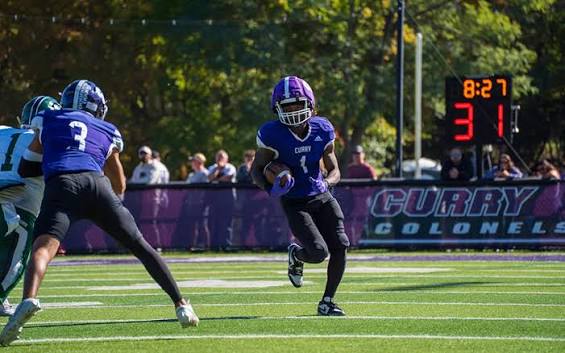
In football recruiting, attention is short and evaluation is fast. Before a coach watches a full game, calls a high school staff, or checks whether an athlete fits the board for a class, there is usually a quick first scan. That first scan often happens on a phone between meetings, in a staff room after practice, or late at night after games.
A football recruiting profile is the cleanest version of that first impression. It is not just a bio page. It is the place where a coach should be able to understand the basics immediately, then decide whether the film, academics, and physical tools are worth a deeper look.
That matters because most recruits do not lose attention from coaches only because of talent. They lose it because their information is hard to sort, outdated, or missing the few details coaches care about first.
What should a football recruiting profile include for my position?
Families sometimes treat the profile like a background document, something nice to have after the film is finished. Coaches usually see it differently. For them, the profile is a sorting tool. It tells them whether they are looking at the right position, the right graduation year, the right body type, the right academic range, and the right level of urgency.
Think about how a staff works. A recruiting coordinator may gather names. A position coach may scan film. A head coach may only see a smaller group after several cuts. If the basics are unclear, an athlete can disappear before the best clips ever get watched.
This is true far beyond the biggest conferences. Division II staffs, Division III staffs, NAIA staffs, and junior college staffs are all making quick judgments with limited time. Families sorting through those paths should remember that timelines and eligibility checkpoints differ across the NCAA, NAIA, and NJCAA.
A strong profile does not need to look flashy. It needs to answer the coach's first questions without making them hunt.
The core information is simple:
• Full name, high school, graduation year, hometown, and state.
• Primary position, and if relevant, a clear secondary position.
• Height and weight, updated recently.
• Verified measurables, including timing method or camp source when possible.
• GPA and basic academic snapshot.
• One easy-to-find highlight film link, plus full game film if available.
• Current season schedule, jersey number, and event dates that matter.
• Contact information for the athlete and high school coach.
• Honors or production data that add context, not clutter.
That may look basic, but basic is exactly the point. Coaches are not looking for a life story on first pass. They are looking for trustworthy football information.
The top of the page should answer the fastest evaluation questions. Who is the athlete. What position does he play. What class is he in. How big is he. Where can I watch him right now.
If a coach has to scroll past a long paragraph, a quote graphic, or a wall of hashtags to find height, position, and grad year, the profile is already making life harder than it should.
A useful format is short and direct. A coach should be able to read the top section in seconds and know whether the athlete belongs in the current recruiting conversation.
Measurables matter in football because coaches recruit bodies as well as skills. But bad measurable data can hurt more than no data. If a forty time came from a hand-timed workout, say that. If shuttle, broad jump, or squat numbers were collected at a school testing day or camp, note the setting. Verified numbers build trust. Mystery numbers create doubt.
Not every position needs the same stat emphasis. A receiver page might spotlight speed, explosiveness, and verified height. A linebacker page might need size, closing speed, and multi-sport movement. A lineman page often needs frame, reach, and weight-development context. A specialist needs precise charted data, not just one perfect clip.
How do college coaches judge measurables versus game film in football recruiting?
Football recruiting is not only about athletic evaluation. Coaches need to know whether an athlete can be admitted, remain eligible, and handle the school. That does not mean a profile needs a full transcript. It does mean the academic snapshot should be easy to find.
For most recruits, that means current GPA, expected graduation year, and any academic distinction that is actually meaningful. If test scores strengthen the profile and the school still uses them in evaluation, include them. If they do not add value, the page does not need filler.
Academics are especially important for players targeting selective academic programs, Division III schools, and late-cycle opportunities where admissions fit can decide whether a conversation continues.
Many athletes think the profile is the main product and the film is the attachment. In reality, the profile exists to move the coach to film quickly. That is why the video link needs to be near the top, clearly labeled, and working on mobile.
Include one primary highlight link. If full games are available, include them separately. Coaches want to see the best traits fast, but they also want to know what happens between big plays, away from the ball, and after the first scripted clips end. If film organization still needs work, this college recruiting highlight video guide explains why length, labeling, and the first few plays shape the entire evaluation.
Coaches cannot show up to watch a player if they cannot find the date, time, opponent, location, or jersey number. That sounds obvious, but many profiles skip it. Others post a schedule once in August and never update it after changes.
Event information matters beyond Friday nights. If an athlete attends spring ball, camp events, showcases, or a school-hosted testing day, that can be relevant too. The point is not to post everything. The point is to make the most important viewing opportunities easy to find.
The best profiles feel specific to the athlete's job on the field. Generic pages make everyone look the same. Coaches recruit roles, not just overall athleticism.
Skill position players need clear evidence of movement. Timed speed, change of direction, frame, hand dominance for quarterbacks, and multi-sport explosiveness can all help. Production numbers matter too, but only when they are tied to role and competition level. Seven touchdown catches mean more when a coach also understands how the athlete wins, whether by separation, catch radius, ball tracking, or run after catch.
For defensive backs, include information that clarifies whether the athlete projects as a corner, safety, nickel, or hybrid piece. The coach does not want to guess what the recruit thinks he is.
These athletes are often recruited by projection. A page should show whether the player is a box defender, space player, pass rusher, or inside-outside hybrid. Body type matters. So does movement skill. If basketball, wrestling, track, or lacrosse adds helpful context for mobility or physicality, it is worth mentioning briefly.
Do not overload the page with every tackle stat from every season. A coach wants to know how the athlete moves, strikes, diagnoses, and fits into a scheme. The film has to support whatever label the page gives him.
Linemen benefit from clarity more than almost any other group because projection is such a big part of the evaluation. Frame, length, current weight, and room to add or redistribute weight should be obvious. If the athlete has a wrestling background, throwing background, or verified testing that shows unusual lower-body power, that context can help.
Film links for linemen should also make life easy. A coach wants clean spotting, clear angle changes, and enough reps to judge hands, pad level, feet, balance, and finish. A few pancake blocks on social media do not replace real evaluation.
Kickers, punters, and long snappers should think like data managers. Charting matters. Operation time matters. Hang time, snap consistency, and directional control matter. These pages should feel extremely organized, because the evaluation itself is organized.
Specialists are also a good example of why vague adjectives are useless. Words like elite, underrated, and explosive do not help a coach. Verified results do.
A common mistake is building a page that sounds bigger than the athlete on video. If the profile calls a player versatile but the film only shows one role, the word does not help. If the page claims top-end speed but the clips do not show separation or pursuit, the claim creates friction.
The cleanest pages use fewer claims and more evidence. Instead of stacking adjectives, they let the coach connect the traits on the page to the traits on the screen. That is why even a short bio should stay factual. Position, body type, academics, verified data, honors, and links are enough.
The same is true when families turn profile details into a document for coaches who still like a printable format. Clear structure in these athletic resume examples shows how the same information can stay readable without turning into a graphic design project.
The profile is not the email. It is not the text. It is not the phone conversation. It supports all of them.
When an athlete reaches out to a coach, the message should be short and relevant, with the page doing the work of holding the details. That is why the top section has to be strong. If the message earns a click, the profile has to reward it. The ideas in this emailing college coaches guide line up with that reality, because coaches usually prefer direct communication backed by easy-to-scan information.
School research matters just as much. Many recruits send the same page to a list that is too narrow, too ambitious, or too random. A broader college directory gives families a cleaner way to compare schools across level, geography, and basic fit before sending coaches a link they may never open.
Should underclassmen and seniors build the same kind of football recruiting profile?
Freshmen and many sophomores do not need a page that pretends the evaluation is finished. They need a clean foundation. Current position, school, class year, early film, growing measurables, and an honest academic picture are enough. The biggest goal at this stage is organization.
This is also the stage where multi-sport information can matter most. Football coaches often like to see basketball, track, wrestling, baseball, or lacrosse because those sports hint at movement patterns, toughness, and developmental upside.
For many players, junior year is when the page becomes a true recruiting hub. Film should be stronger. Measurables should be updated. Contact info should be clean. Schedules should be current. Position labeling should be clearer. If the page is still vague by then, the athlete may lose momentum during the most important evaluation window.
Junior year is also when honesty about level matters. Some recruits chase names. Smart pages support realistic targeting by making it easier for the athlete, the family, and the coach to see where the fit may be strongest.
Late recruiting rewards clarity. Coaches evaluating seniors often do not have time for mystery. They want updated film, current grades, recent testing, and clear availability. A senior who has grown, switched positions, improved academically, or had a breakout season should make those changes obvious without turning the page into a novel.
This is also where wider-school strategy matters. NCAA, NAIA, Division III, and junior college options do not all move at the same pace. A recruit who is still open late should present a page that works across multiple levels, not one that only makes sense for the highest-profile programs.
Most weak pages fail in familiar ways:
• The top of the page hides the athlete's position, size, or graduation year.
• The film link is buried, broken, or takes too many clicks.
• Measurements are old, inflated, or missing context.
• The page lists every award but does not explain the athlete's actual role.
• The schedule is outdated, which tells a coach the page is not maintained.
• The contact info is incomplete, or the high school coach is hard to find.
• The writing sounds like marketing copy instead of a football evaluation snapshot.
• Social posts and graphics overwhelm the useful information.
One more mistake deserves special attention. Some families try to make the athlete look recruitable at every position. That usually backfires. Versatility can help, but uncertainty does not. It is better to say strong safety with nickel ability than to say athlete and make the coach guess.
A page should change whenever meaningful information changes. That includes a new verified height or weight, a better film cut, updated grades, a revised schedule, a position change, or major production context from the current season. It does not need a rewrite every week just to look active.
During season, small updates often matter most in the schedule and film sections. In the offseason, testing and camp results matter more. The best habit is simple. If a coach clicked today, would the page still describe the athlete accurately. If the answer is no, it needs attention.
How often should I update my profile during football season and camp season?
The goal of a profile is not to look important. It is to make evaluation easy. A coach should be able to open the page and understand the athlete quickly, then move to film, academics, and schedule without confusion.
The recruits who do this well are not always the ones with the most stars, the biggest graphics, or the loudest social feeds. They are often the ones who reduce doubt. They make it easy for a staff to see the position fit, the developmental story, and the next step in evaluation.
If there is one takeaway that matters most, it is this. Clear beats flashy. Honest beats exaggerated. Updated beats impressive-looking but stale. When those things are true, a profile stops being decoration and starts being useful recruiting infrastructure.
Rosters, coaches, and division breakdowns for every NCAA and NAIA program we track.