Pathley News
Building a College List for Athletes: Step-by-Step 2026 Guide
Learn how to build a smart, realistic college list for athletes that fits your sport, academics, and budget, plus how Pathley’s AI can guide every step.
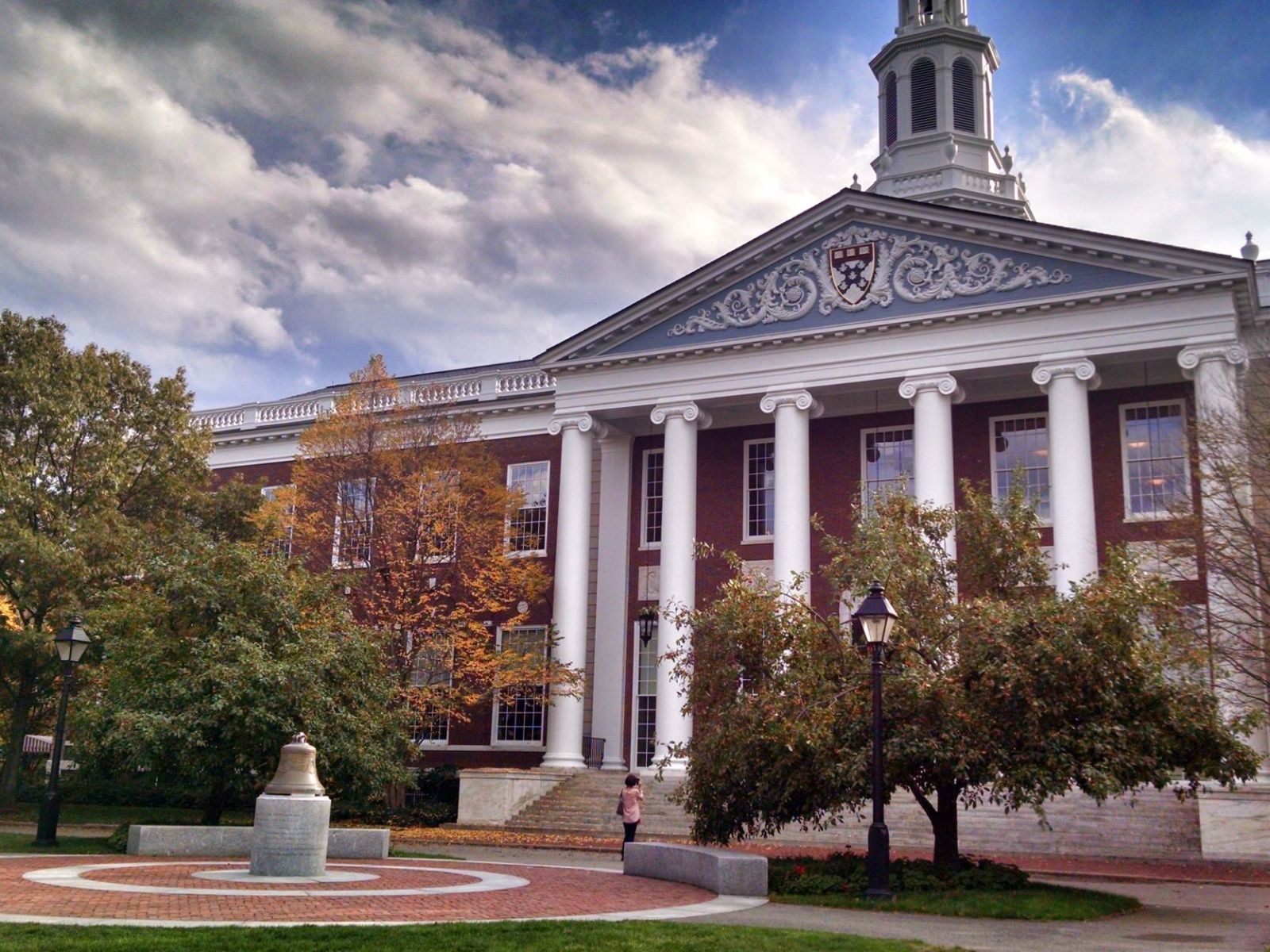
If you are serious about playing in college, your college list is not just a Google Sheet. It is the game plan that decides which coaches you email, where you visit, and what real options you have on signing day.
Most families start with a random mix of big-name Division I programs, a few local schools, and whatever friends talk about on social media. That is not a strategy. That is a wish list.
This guide will walk you through building a college list for athletes that is realistic, competitive, and actually fits who you are as a student, a player, and a person. It is written for athletes, parents, and coaches who want clarity instead of chaos.
If you want live help while you read, you can literally ask Pathley any question about your situation. For example, you might start with this: How should I start building a college list for my sport and graduation year?
Your college list quietly controls almost everything about your recruiting experience. It shapes which coaches you reach out to, what camps you attend, how many offers you can realistically earn, and how stressful your senior year will be.
The odds are already tight. The NCAA estimates that only a small percentage of high school athletes ever compete in college at any level. You can see those numbers yourself on the NCAA participation and probability data at https://www.ncaa.org/sports/2018/3/27/estimated-probability-of-competing-in-college-athletics.aspx.
On the other side, the National Federation of State High School Associations tracks how many athletes play each sport in high school across the country. Their participation survey, at https://www.nfhs.org/articles/latest-high-school-participation-survey-data/, shows just how big the funnel is at the high school level.
Put those together and you can see the picture. If your college list is full of schools that are a poor athletic or academic fit, you will spend years sending emails that never get answered. If your list is built intelligently, you are suddenly one of the most prepared recruits a coaching staff will see.
Building a college list for athletes is really about controlling what you can control. You cannot make a coach offer you, but you can target the right coaches, at the right schools, at the right levels, who actually need what you bring.
When people say “find the right fit,” it sounds nice and vague. In recruiting, fit has very specific layers. If you want your college list to work, you need to think beyond just division or brand name.
This is the piece most athletes focus on, but often in the wrong way. Athletic fit is not just “Can I play Division I?” It is “Where can I realistically compete, earn a role, and keep developing for four years?”
That means understanding:
• The typical size, speed, times, or stats of current players in your position or event.
• The depth chart at your position and how many athletes they carry.
• The style of play, training, and expectations in that program.
Pathley helps with this by letting you compare different programs and conferences instead of just staring at logo rankings. But even before tools, you should be watching film, reading rosters, and comparing measurables to see where you truly stack up.
The NCAA makes it very clear that academics are part of the recruiting equation. Their college-bound student-athlete resources at https://www.ncaa.org/sports/2016/2/23/college-bound-student-athletes.aspx lay out what you need in terms of core courses, GPA, and test scores depending on division.
Academic fit includes:
• Your current GPA and testing compared to typical admits.
• Whether the school offers majors you actually care about.
• Academic support for athletes, like tutoring and study halls.
Coaches want recruits who will get admitted, stay eligible, and graduate. If your academics are way below a school’s normal range, that school should probably not be a core target on your first college list.
This is the piece families ignore until it is too late. Financial fit is about the total cost of attendance after athletic scholarship, academic aid, need-based aid, and other scholarships.
Two schools at the same athletic level can have very different financial realities for your family. A slightly smaller or less famous program might be the one that actually lets you graduate without crushing debt.
Finally, you need to be honest about what kind of environment you want to live in for four years. That includes:
• Distance from home.
• Size of the school and campus.
• Urban vs small town.
• Weather, culture, and team vibe.
If a school looks great on paper but you know you would be miserable living there, it should not be high on your list. Fit is not about impressing people. It is about giving yourself the best chance to thrive.
If you feel overwhelmed by all these factors, you can get a real-time answer tailored to your situation by asking: What factors should matter most when building a college list as a recruit?
There is no magic number for everyone, but there are patterns that work. Your goal is a list that is big enough to give you options, but focused enough that you can actually build relationships with each staff.
A lot of successful recruits end up with a list broken into rough categories like these:
• Ambitious “reach” schools where playing or admissions would be a stretch, but not impossible.
• Solid “target” schools where your academics and athletics line up very well.
• Confident “safety” schools where you are above average academically and athletically, and cost is likely manageable.
Within that structure, most athletes end up working seriously with a couple dozen programs, not hundreds. Building a college list for athletes is about depth, not just volume. You want enough schools that you are not depending on one coach, but not so many that you are sending copy-paste emails that coaches can spot instantly.
When you start building a college list for athletes in your family, think like a coach. Coaches are constantly filtering: Does this recruit fit what we need, what we can afford, and what we value? You should be doing the same thing with schools.
Before you think about divisions or scholarship money, get clear on your must-haves. This will save you from falling in love with a program that was never going to be right.
Key non-negotiables might include:
• Academic interests or possible majors.
• A minimum academic level you want from the school.
• Regions of the country you are open to.
• Size of school you prefer, from small private to huge public.
• Rough budget band your family can realistically manage.
Write these down. Talk about them as a family and with your coach. Everything you add to your college list should clear these basic filters.
If you are not even sure where to start with this, try asking Pathley something like: How do I figure out my non-negotiables before I start building my college list?
The next step in building a college list for athletes is being brutally honest about your current athletic level and upside. This is not about killing your dreams. It is about aiming at the schools where you have a real shot.
You should compare:
• Your times, stats, rankings, or ratings to current college athletes at different levels.
• Your frame, speed, and skill set to what coaches in your sport usually recruit.
• Your development curve, including how long you have been training seriously.
For some sports, you can find public recruiting standards or typical marks by division. For others, you need to study rosters and talk with trusted coaches who know the college landscape. Tools like the sport hubs in Pathley, such as the Track and Field Pathley Hub or the Soccer Pathley Hub, can also help you see how different programs and levels stack up.
Once you understand where you fit athletically, you can immediately narrow your list. For example, if you are a late-developing athlete, it might make sense to lean more heavily into Division II, Division III, NAIA, or junior college options while keeping a few ambitious programs on the list.
In the past, building a college list meant dozens of tabs open, random ranking sites, and a lot of guessing. Pathley was built to replace that chaos with one modern, athlete-first experience.
Here is how you can use Pathley to make this process faster and smarter:
• Start with the Pathley College Directory to explore schools by sport, division, region, and more. This gives you a broad pool of potential fits.
• Use the Rankings Directory as a fast way to find schools that are strong academically, more affordable, or easier to access based on admissions data.
• When a school looks interesting, run a College Fit Snapshot. In a few minutes, you get a simple PDF that shows your academic, athletic, and campus fit for that specific school, plus some suggested next steps.
• If you are stuck between options, use Compare Two Colleges to see side-by-side differences in academics, athletics, campus fit, and cost.
Instead of guessing, you are letting data and personalized guidance shape your list. You are still in control. You just are not flying blind.
Once you have a pool of possible schools, start organizing them into a balanced mix. Ask yourself:
• Which schools feel like strong targets where my academics and athletics both match well?
• Which are higher-reach schools that I would love, but that will require everything to break my way?
• Which are schools where I am a clear fit and the odds of admission, playing time, and affordable cost are very high?
From there, prune ruthlessly. If a school is too expensive, it does not offer what you want to study, or the athletic level does not make sense, move it down or off the list. It is better to have fewer schools you are truly excited about than a long list of schools you do not really understand.
As your list takes shape, check every school through two lenses: “Can I get in and stay eligible?” and “Can we afford it without wrecking our future finances?”
Things to research for each school include:
• Typical GPA and test scores for admitted students.
• Graduation and retention rates.
• Published cost of attendance and what type of aid they usually offer.
• How often athletes in your sport receive athletic scholarship money at that level.
Remember that many sports are equivalency sports, which means scholarship dollars are split among many players instead of full rides for everyone. The NCAA explains this difference between head count and equivalency sports in various educational resources, and understanding it is key for realistic money expectations.
The NAIA has its own scholarship and recruiting rules as well, outlined at https://www.naia.org/membership/faq. If you include NAIA schools on your list, make sure you understand how those rules work too.
This is where a tool like Pathley helps families avoid nasty surprises. You can quickly see whether a school is likely to be in range for your academics and budget instead of guessing based on sticker price alone.
Your first list is not your final list. Building a college list for athletes is a live process that should change as you grow, as coaches respond, and as your priorities evolve.
Your list should shift when:
• You improve quickly and your athletic ceiling clearly changes.
• Your grades or test scores move up or down.
• Coaches show real interest or, just as importantly, clear disinterest.
• Your academic or personal priorities change.
A strong move is to review your list at least each semester and after every major season or showcase period. Add schools that newly fit, move some down to “long shot” based on feedback, and remove programs that clearly are not a match.
If you are not sure how often you should be refining things, try asking Pathley directly: How often should I update my college list as my recruiting situation changes?
Even driven families fall into the same traps when they start building a college list for athletes. Knowing these ahead of time can save you months of frustration.
Only chasing big-name Division I programs.
It is fine to have ambitious goals. The problem comes when your entire list is made of programs that recruit national-level prospects and you are still developing. That usually leads to silence from coaches, late panic, and missed opportunities at levels where you could have thrived.
Ignoring academics.
Coaches need recruits who can get admitted and stay eligible. If your grades are not close to the school’s norms, or if the school does not offer your academic interests, it probably should not be a top target. Ignoring academics also hurts you if injuries change your athletic path.
Forgetting about money.
Too many families build a dream list and only talk about cost after offers come. By then, you may have burned relationships with more affordable schools. Have real conversations about budget early. Research how athletic and academic scholarships typically work at each level.
Having either too many or too few schools.
If your list has only a few schools, one coaching change or roster decision can wipe out your options. If it has far too many, you will never build real connections with any staff. Aim for that balanced middle where you have clear top targets plus a bench of realistic alternatives.
Letting someone else own the list.
Parents and club coaches should absolutely help, but the athlete has to be invested. You are the one living there, going to class, and competing every day. Make sure your voice shapes the list.
Traditional recruiting services often push you into static profiles and canned “top school” lists. Pathley is different. It is built as an AI-first assistant that helps you think through building a college list for athletes in a personal and dynamic way.
Here is what that looks like in practice:
• You open Pathley and describe your sport, position or event, height or measurables, GPA, and what you think you want from a school.
• Pathley asks follow-up questions a smart coach or advisor would ask, helping you uncover what really matters to you.
• It then suggests categories of schools and specific examples that match your profile, pulled from data instead of guesswork.
• You can click out to the College Directory or Rankings Directory, dig into individual schools, and use College Fit Snapshots to see how you match each option.
• As your situation changes, Pathley updates with you. Improve your PR, change your major interest, or get a big test score bump, and you can immediately see schools that move from reach to realistic target.
Parents and coaches benefit too. Instead of manually tracking everything in separate spreadsheets, you can use Pathley as a shared guide that keeps everyone honest about fit, cost, and timing.
If you want to see how this works specifically for your athlete, you can start with a simple question like: Can you help me build a first draft college list based on my sport, GPA, and goals?
Building a college list for athletes is not about chasing every camp, emailing every coach, or loading up a spreadsheet with random schools. It is about doing the thoughtful work up front so that your effort, time, and money go into real opportunities.
If you focus on fit, balance ambition with realism, keep academics and cost in the conversation, and regularly update your list as you grow, you will be far ahead of most recruits competing for the same roster spots.
You do not have to do this alone. Pathley was built to give athletes, parents, and coaches a smarter way to navigate recruiting, from college discovery to list building to ongoing strategy. Instead of static profiles or generic rankings, you get guidance that adapts as fast as your recruiting story does.
Rosters, coaches, and division breakdowns for every NCAA and NAIA program we track.