Pathley News
Best JUCO Baseball Programs: How Recruits Should Compare Them
Searching for the best JUCO baseball programs? Learn how recruits should compare coaching, playing time, transfer paths, academics, and fit.
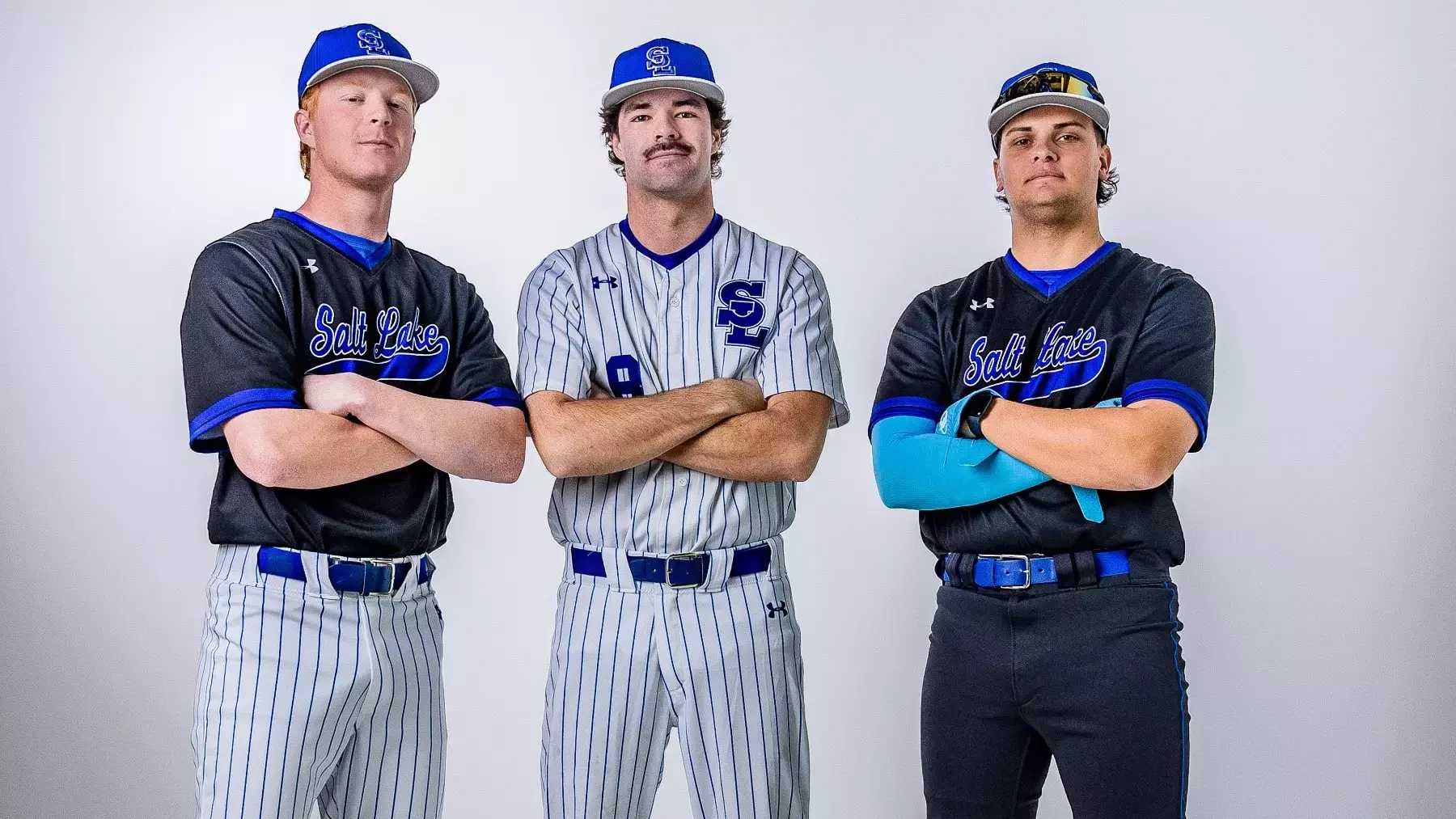
Searching for the best JUCO baseball programs usually means something simple on the surface. An athlete wants a strong place to play, improve, and move on to the right four-year opportunity. The problem is that JUCO baseball is not one big, uniform world. Some junior colleges are national brands. Some are regional powers. Some are perfect for a late bloomer who needs innings, strength gains, and time. Some are so deep that even good players can spend a year watching.
That is why the smartest families do not treat the word best like a ranking only. In baseball recruiting, best should mean the environment that gives a player the clearest path to development, competition, academic progress, and the next step. A famous name can matter. Daily reps matter more.
It also helps to know that JUCO can refer to more than one college sports structure. A lot of the national attention in baseball goes to the NJCAA baseball landscape, but strong community college baseball exists in other systems too. So when families compare options, they should think less about internet lists and more about the actual baseball experience the player will walk into.
How do I know if JUCO baseball is the right path for me?
Most recruits are really looking for a mix of four things. They want a program that wins enough to make the games matter. They want coaching that can sharpen tools, approach, and routine. They want a roster situation where playing time is realistic. And they want a pathway to the next level, whether that is NCAA, NAIA, or another solid fit.
Those factors do not always live in the same place. One team may have national recognition but be overloaded at your position. Another may have less social buzz but a clearer plan for your development. That second school might be the better recruiting decision.
When families use the word best, they also tend to mix together a few different ideas. Sometimes they mean the most competitive schedule. Sometimes they mean the most polished facilities. Sometimes they mean the staff with the strongest reputation for sending players onward. Those are all reasonable signals, but none of them should stand alone.
Families naturally start by searching national lists, postseason results, or big social media accounts. That makes sense. Winning programs often attract better competition, stronger internal standards, and more attention from four-year coaches. But name recognition can hide an important truth.
The best JUCO baseball programs for one player can be the wrong environment for another. A polished shortstop who thrives in a fast game and can handle instant competition may fit a loaded roster. A pitcher who needs innings and mechanical cleanup may grow faster at a less famous school with a clearer development plan. A hitter who has been physically underdeveloped in high school may need daily strength work and consistent at bats more than he needs a logo people recognize.
This is where broader comparison matters. Looking across a full college directory and a wider sport directory can keep a family from shrinking the search to the same ten names everyone already knows. Good JUCO recruiting is often about fit, not just fame.
Another trap is assuming that a strong record automatically means strong player development. Sometimes a program wins because it is older, deeper, or established in a weaker pocket of competition. That does not make it bad, but it does mean you have to ask harder questions about your role, your timeline, and what the staff sees in you.
What should I look for when comparing JUCO baseball programs?
JUCO rosters turn over fast. That can be good news because openings appear quickly. It can also create churn. A recruit should study how many players at his position are returning, how many are sophomores, and how many incoming players the staff is already bringing in. Opportunity is never guaranteed, but it should at least be believable.
If you are a pitcher, think beyond simple depth. Ask yourself what role is realistic. Are you built for starting innings, relief leverage, or development time. If you are a position player, think about versatility. A middle infielder who can also handle third base or the outfield may create his own opportunity faster than a player who fits one narrow box.
Strong junior college baseball programs usually have a clear daily identity. You can see it in how players talk about practice tempo, throwing programs, lifting structure, defensive standards, and feedback. Recruits should want details. Vague answers like we work hard or we compete are not enough. Good staffs can explain how they build players over a season.
Ask yourself whether the program teaches in a way that matches how you improve. Some athletes respond best to hard-edged accountability. Others need a staff that can explain adjustments clearly and consistently. Neither style is automatically right. Fit still matters.
JUCO baseball is often part of a longer journey. That means academics cannot sit on the side. Families should understand what majors are available, what the class support looks like, and how the school helps players stay on track for transfer. The official NJCAA eligibility information is useful context, and athletes with four-year goals should also understand basic NCAA transfer information.
A smart question is not only can I play here, but can I leave here in a better baseball and academic position than where I started. That is the real value of a strong JUCO stop.
Families who want plain-language explanations for the process often spend time with a family recruiting Q&A library, especially when terms like eligibility, credits, and transfer pathways start to blur together.
How do college coaches evaluate JUCO baseball players for transfer recruiting?
When people debate the best JUCO baseball programs, the same well-known names tend to surface. Depending on the year and region, conversations often include programs such as Central Arizona, Chipola, San Jacinto, Walters State, Wabash Valley, Crowder, Iowa Western, and LSU Eunice. That is not a definitive ranking for 2026, and it should not be treated like one. It simply reflects which schools have built long-term reputations in JUCO baseball circles.
More important than any one name is what these programs tend to share. They usually recruit with purpose. They play strong schedules. They create competitive practice environments. They send players onward regularly. And they have enough history that four-year coaches understand what kind of baseball player can come out of that environment.
At the same time, plenty of very good junior college programs live outside national-name territory. Some are excellent regional development stops. Some are better for players who need immediate reps. Some are in states or conferences that simply get less internet attention. If you only chase brands, you can miss a great fit.
That is especially true for underrecruited players. A lesser-known program that sees a clear role for you can change your entire trajectory faster than a famous roster where you sit buried for a year.
Late bloomers are an obvious fit. Baseball development is uneven. A player can add strength, velocity, bat speed, or defensive skill later than his peers and become a completely different recruit within a short window. JUCO gives those players room to grow while still competing at a serious level.
Players who need more game reps can benefit too. Maybe the high school schedule was light. Maybe the travel ball exposure was limited. Maybe the athlete has tools but needs proof against older competition. Junior college baseball can offer a sharper evaluation environment.
There is also a group of recruits who are simply stuck between labels. They are too good to be overlooked, but not polished enough for the level they originally imagined. JUCO can be the place where that gap closes.
Parents sometimes worry that taking the junior college route means a player has failed at traditional recruiting. That is not how experienced baseball people see it. They see a path. If the athlete uses the time well, improves physically, handles school, and competes, the route can be smart and productive.
One realistic reminder matters here. JUCO is not magic. It does not automatically create exposure or guarantees. A player still has to perform, adapt, stay healthy, and build trust with the staff. The setting can help, but the work still decides a lot.
Some families get blinded by record, facilities, or social media polish. Those things can be nice, but they should never erase warning signs.
• A staff cannot explain where they see you fitting on the roster.
• Players at your position stack up in a way that makes real reps hard to picture.
• Academic answers are vague, rushed, or treated like an afterthought.
• The development plan sounds generic and could apply to almost any recruit.
• Current or former players describe confusion about communication, roles, or daily standards.
• The program talks a lot about where past stars ended up, but says little about how average contributors improve.
None of these red flags automatically mean a school is wrong. They do mean you should slow down and get clearer answers. Strong programs are usually comfortable with specific questions.
Parents do not need to evaluate swing planes or pitch shapes like a scout. But they do need to notice the environment. Is the staff direct and consistent. Do the players look organized. Do classes, housing, training, and travel seem like a stable routine rather than chaos. Does the school feel like a place where your athlete can handle adulthood a little better in a year.
Parents should also listen for how coaches speak about development. Good staffs talk about habits, accountability, and progress. They can usually describe why certain players made jumps. They do not only lean on hype.
One quiet but important clue is whether the staff asks good questions back. Coaches who recruit thoughtfully tend to ask about academic interests, family expectations, long-term goals, and how a player handles failure. That usually signals a program thinking about fit rather than just collecting bodies.
A good JUCO shortlist usually has range. It should include some national-name programs if your level matches, some strong regional options, and some schools where the baseball opportunity is easier to picture. That mix keeps you from building a list based on ego or fear alone.
As you narrow things down, compare each school on the same factors. Position opportunity. Development environment. Strength of schedule. Academic fit. Geography. Maturity level required. Transfer history. When you judge every school with the same lens, the right options usually become clearer.
It is also worth remembering that the next step after junior college does not need to look identical for every player. One athlete may jump to an NCAA Division I roster. Another may fit best at a strong Division II, Division III, or NAIA school. The right outcome is not the flashiest label. It is the one that lines up with playing opportunity and long-term progress.
The biggest mistake families make with JUCO baseball is confusing reputation with fit. A respected name can matter, but it is not the whole story. The right junior college is the one that matches the player's current level, offers believable opportunity, develops him every day, and keeps the next step open.
In the end, the best JUCO baseball programs are the ones that turn good questions into clear answers. If a family can explain why a school makes sense beyond rankings, buzz, or tradition, they are usually recruiting from a much stronger position.
How should a baseball player build a college list that includes JUCO, NCAA, and NAIA options?
A player does not need the most famous route. He needs the right next environment. In baseball recruiting, that difference is everything.
Rosters, coaches, and division breakdowns for every NCAA and NAIA program we track.








