Pathley
Build My Plan
Contact us Build My Plan
Seattle University Baseball
NCAA Division IWest Coast ConferenceWashington

Seattle University Baseball

One plan built for Seattle University Baseball, with the roster read, the coach's contact and a dated plan, delivered within 24 hours. An expert checks every plan.

35
Roster
6
Leaving
49%
In-state
17%
Transfers

Overview

Seattle University Baseball Team Details

Key facts about the Seattle University baseball team.

From its campus in Seattle, Washington, Seattle University competes in Division I baseball as a member of the West Coast Conference. The most room for the Class of 2027 is among pitchers, with three leaving after the 2026-27 season, followed by two infielders. Only 42% of last season's non-seniors returned, which marks high turnover among Division I baseball teams.

NCAA Division IWest Coast ConferenceWashington
Head coach
Donny Harrel

Head Coach

Home venue
Bannerwood Park
Average roster
34

players a season

Five-year win rate
36%

Fit check

Do You Fit at Seattle University?

Pick your position and level, add a test score if you have one, and get an instant read on your chances here. Free, and no account needed.

Coaching staff

Get on This Staff's Radar

Roster

Roster Breakdown

The roster by class

7FreshmenFr.
9SophomoresSo.
13JuniorsJr.
5SeniorsSr.
1GraduateGrad

35 players on the latest roster (2027).

Roster openings after 2026-27

6players in their final year, 17% of the roster

Pitcher 3 · Infielder 2 · Utility/Designated Hitter 1

The biggest openings for the Class of 2027 are among pitchers, where three are set to leave after the 2026-27 season, followed by two infielders. After that season, only six players leave, 17% of the roster and a share in the bottom quarter among Division I baseball teams, so spots for that class will be limited. Fewer departures mean fewer open spots for incoming recruits.

See who you would be replacing

Many of last season's non-seniors are gone, as just 42% are back, against a 61% median among Division I baseball teams.

Positions

Baseball Roster by Position

How many players a season the program carries at each position, and how tall they are.

Pitcher
14players a season

Average height 6'3"

Catcher
3players a season

Average height 6'0"

Infielder
7.7players a season

Average height 6'0"

Outfielder
4.3players a season

Average height 6'0"

Utility/Designated Hitter
4.7players a season

Average height 6'0"

A heavy utility players and designated hitters group stands out, at 14% of the roster, or around five a season, versus 4% for the average Division I baseball team.

Transfers

Transfers In and Out

6

transfers in for 2026-27

3

transfers out

Share of the roster
17%
Per 100 freshmen
86
By position
Pitcher 2 · Infielder 1 · Outfielder 1 · Utility/Designated Hitter 2
Came from
2 from Division I, 3 from Division II, 1 from Division III

Footprint

Where This Team Recruits

Where the players are from

33players
In-state48.5%
Other US states45.5%
International6.1%

Counted from players on recent rosters with a known hometown.

Top home states

Washington49%
Nevada9%
California9%
Oregon6%
Hawaii6%

Results

Seattle University Baseball Recent Results

2021

35%

18-33overall

10-22conference

2022

32%

16-34overall

11-21conference

Best season

2023

40%

21-32overall

17-15conference

2024

32%

17-36overall

10-20conference

Latest

2025

38%

20-32overall

8-16conference

With a 36% win rate across five seasons, the team sits in the bottom 10% among Division I baseball teams.

Standings

West Coast Conference Standings

Where Seattle University stands in the West Coast Conference.

Schedule and travel

Baseball Schedule

The season's games, home and away, and how far the team travels.

Recruiting

Recruiting Outlook

Seattle University baseball is an NCAA Division I program competing in the West Coast Conference, which places recruits in a demanding schedule against established college baseball programs. The program has a documented conference title, multiple conference tournament appearances, and a history of developing players who reached professional baseball. Recruits should expect a competitive evaluation process, especially for pitching, catching, and impact position-player roles.

NCAA Division I competitionWest Coast Conference scheduleDocumented player development to professional baseball

Recruiting difficulty

60/ 100Hard
OpenCompetitiveSelectiveElite

Seattle U is a competitive Division I program where most roster opportunities are likely to favor recruited players, but it is not currently positioned as an elite national contender.

What coaches value

  • Pitchers with repeatable mechanics, reliable command, and the ability to handle high-level hitters
  • Position players who combine defensive versatility with consistent offensive approach
  • Catchers who demonstrate receiving, game management, communication, and arm strength
  • Players with measurable development potential, competitive toughness, and strong academic fit

How to get recruited here

Build a complete recruiting profile with verified video, measurable testing data, academic information, position-specific statistics, and a current schedule. Contact the baseball staff early, attend credible summer events, and provide updated video after meaningful development or competition against strong opponents.

How hard is it to make the team

Making Seattle University's baseball team is difficult because it is an NCAA Division I program competing in the West Coast Conference. Recruits generally need a clear position fit, strong baseball tools, and evidence that they can contribute or develop within a competitive college environment. A walk-on or developmental path may exist, but athletes should not assume roster access without direct communication from the program.

Who fits this program

  • Baseball players seeking competitive NCAA Division I opportunities
  • Athletes prepared to balance baseball with small-class academics
  • Students drawn to an urban Seattle campus lifestyle
  • Players interested in development toward professional baseball opportunities

Program stats

The Program by the Numbers

33

Athletes on the roster

3

Coaches on staff

$12,837

Spent per athlete

Spending and revenue a year

Spending$1,841,955
Revenue$1,911,208

Revenue covers everything the program spends.

Source: the federal Equity in Athletics report, 2025.

The school

School Environment

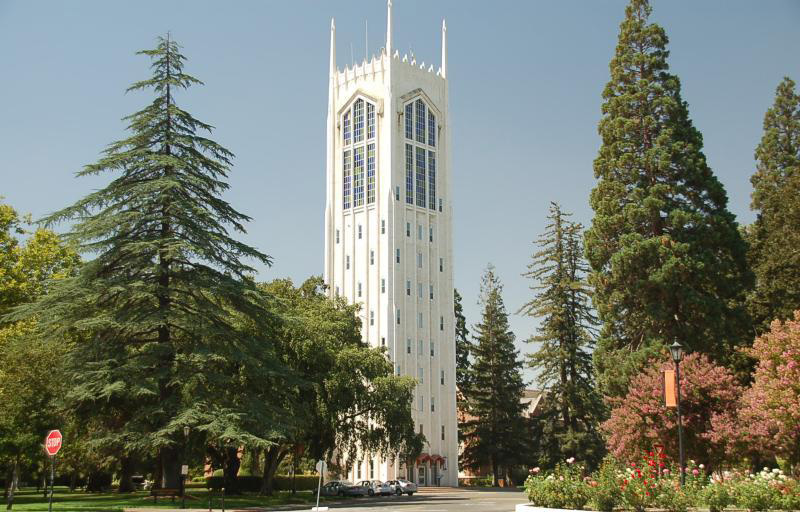
Seattle University combines a Jesuit educational foundation with established strengths in business, health and technology, making academic fit about both your classroom interests and your plans beyond athletic competition.

Seattle University campusSeattle UniversitySeattle, WashingtonSee the full profile
77%

Acceptance rate

76%

Graduation rate

Undergraduates
4,078
Net price a year
$34,662
Earnings after ten years
$75,272

Camps

Seattle University Baseball Camps

New camp dates are not posted yet. These ran last season.

Jun222026
Youth campBaseball · Coed

Nike Baseball Camp at Seattle University (Jun 22-25, 2026)

  • Jun 22 to 25, 2026
  • Logan Field at Seattle University Park, Seattle, WA
  • $419

General skills day camp led by Seattle U coaches focusing on hitting, fielding, baserunning and game situations for ages 7-13.

Jul62026
Youth campBaseball · Coed

Nike Baseball Camp at Seattle University (Jul 6-9, 2026)

  • Jul 6 to 9, 2026
  • Logan Field at Seattle University Park, Seattle, WA
  • $419

General skills day camp led by Seattle U coaches focusing on hitting, fielding, baserunning and game situations for ages 7-13.
Jul132026
Youth campBaseball · Coed

Nike Baseball Camp at Seattle University (Jul 13-16, 2026)

  • Jul 13 to 16, 2026
  • Logan Field at Seattle University Park, Seattle, WA
  • $419

General skills day camp led by Seattle U coaches focusing on hitting, fielding, baserunning and game situations for ages 7-13.

See every Seattle University camp

Similar programs

Similar Baseball Teams

Programs at a similar level, with similar academics, worth adding to your recruiting list.

University of San Francisco

San Francisco, CA

Why it is similar: Same conference.
West Coast Conference44% 5-year win rate

Competitive athletics, career-focused academics and an urban Jesuit mission give recruits distinct reasons to consider studying here.

View team

University of the Pacific

Stockton, CA

Why it is similar: Same conference.
West Coast Conference31% 5-year win rate

Division I competition, small classes and strong health and professional pathways give athletes clear reasons to consider Pacific.

View team

Marist University

Poughkeepsie, NY

Why it is similar: Similar level and academics.
Metro Conference44% 5-year win rate

Competitive athletics, career-focused academics and a residential Hudson River setting give recruits distinct reasons to consider studying here.

View team

Manhattan University

Riverdale, NY

Why it is similar: Similar level and academics.
Metro Conference42% 5-year win rate

Athletes choose a small-campus community that pairs competitive athletics with career-focused study and New York City opportunities.

View team

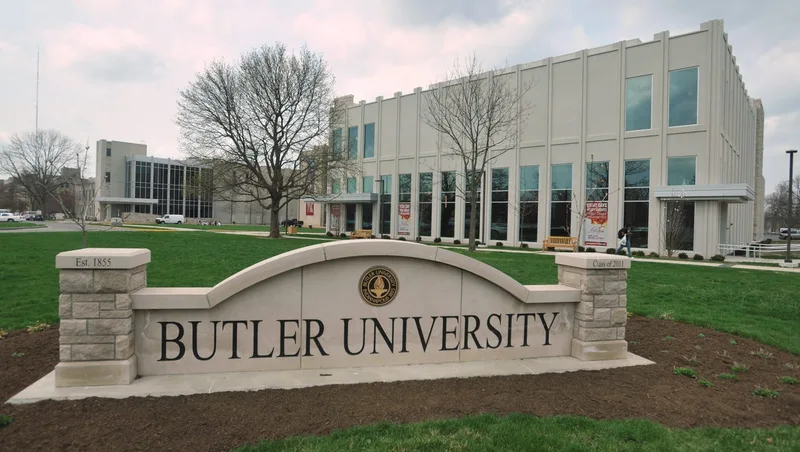
Butler University

Indianapolis, IN

Why it is similar: Similar level and academics.
BIG EAST Conference32% 5-year win rate

Athletes choose Butler for Big East competition, close faculty connections and professional opportunities in Indianapolis.

View team

Teams in Washington

More Baseball Teams in Washington

Pac-12 Conference51% 5-year win rate

Nationally prominent basketball, reachable faculty and strong career outcomes give athletes compelling reasons to consider this campus.

View team
Big Ten Conference50% 5-year win rate

Big Ten competition, research-focused academics and Seattle career opportunities give athletes compelling reasons to consider this campus.

View team
Pac-12 Conference46% 5-year win rate

Division I competition, hands-on research and a spirited residential community give recruits distinct reasons to consider Pullman.

View team

Roster openings · 2026-27

Which D1 Baseball programs have the most roster spots opening up?

Every program ranked by players in their final year, with the positions they are losing.

10.2players leaving per program, on average
See the programs

Three ways to start

Where are you in the search?

Pick the option that matches where you are, and we will show you the plan that fits.

Recruiting Plan

Your 20 to 25 best-fit schools, picked for you.

  • Starter: the list, fit reads, real costs and a dated timeline
  • Complete: adds roster reads and coach emails for every school
$99 or $249Starter or Complete, one time
Build my plan
Roster Report

The roster at your position, at the schools you pick.

  • Who is graduating at your position, class year by class year
  • Where spots are likely to open, in plain words
From $193, 8 or 15 schools
Choose my schools
School Plan

One school, covered end to end.

  • Your honest odds, the roster and the verified coach
  • Intro email, three follow-ups, admissions steps and timeline
$49One school, one time
Pick my school

Resources

Additional Resources

Pathley Chat