

Athletes come for competitive conference play, personal faculty attention and academic connections to Los Angeles industries.

NCAA Division IWest Coast ConferenceCalifornia

University of San Francisco Baseball
One plan built for University of San Francisco Baseball, with the roster read, the coach's contact and a dated plan, delivered within 24 hours. An expert checks every plan.
- 20
- Roster
- 9
- Leaving
- 69%
- In-state
- 0%
- Transfers
Overview
University of San Francisco Baseball Team Details
Key facts about the University of San Francisco baseball team.
University of San Francisco runs a baseball team in San Francisco, California, competing in the West Coast Conference at the Division I level. The most room for the Class of 2027 is among pitchers, with four leaving after the 2026-27 season, followed by three outfielders. Seniors and graduate students make up 45% of the roster, which makes it a veteran team.
NCAA Division IWest Coast ConferenceCalifornia
- Head coach
- Rob DiToma
- Home venue
- Benedetti Diamond
- Average roster
- 41
- Five-year win rate
- 44%
Head Baseball Coach
players a season
Fit check
Do You Fit at University of San Francisco?
Pick your position and level, add a test score if you have one, and get an instant read on your chances here. Free, and no account needed.
Coaching staff
Get on This Staff's Radar
Head coach
Rob DiTomaHead Baseball CoachEmail●●●●●●@●●●●.edu
Phone(●●●) ●●●-●●●●
Roster
Roster Breakdown
The roster by class
0FreshmenFr.
8SophomoresSo.
3JuniorsJr.
9SeniorsSr.
20 players on the latest roster (2027).
Roster openings after 2026-27
9players in their final year, 45% of the roster
Pitcher 4 · Catcher 1 · Infielder 1 · Outfielder 3
More spots open up than at most programs: nine players are set to leave after the 2026-27 season, or 45% of the roster compared with a median of 26% among Division I baseball teams, and the Class of 2027 stands to gain. Position by position, pitchers lead the departures, with four leaving after that season, followed by three outfielders.
See who you would be replacingThe current roster of 20 is 41% smaller than the 34-player average of the last three seasons. On the current roster, nine of the 20 players are seniors or graduate students, or 45%. Those players will leave soon, which tends to open spots for the next class.
Positions
Baseball Roster by Position
How many players a season the program carries at each position, and how tall they are.
Pitcher
15.3players a season
Average height 6'2"
Catcher
3players a season
Average height 6'0"
Infielder
8.7players a season
Average height 6'0"
Outfielder
7players a season
Average height 5'11"
A heavy outfielders group stands out, at 21% of the roster, or roughly seven a season, versus 15% for the average Division I baseball team.
Transfers
Transfers In and Out
0
transfers in for 2026-27
2
transfers out
- Share of the roster
- 0%
Footprint
Where This Team Recruits
Where the players are from
102players
In-state68.6%
Other US states30.4%
International1%
Counted from players on recent rosters with a known hometown.
Top home states
California69%
Colorado6%
Arizona5%
Washington4%
Texas3%
Recruiting here starts at home, since 69% of players are from California, compared with a median of 40% among Division I baseball teams.
Results
University of San Francisco Baseball Recent Results
Swipe to see every season
2021
47%25-28overall
16-11conference
Best season
2022
49%28-29overall
14-13conference
2023
38%18-29overall
8-19conference
2024
38%21-34overall
4-20conference
Latest
2025
46%26-30overall
9-15conference
Not one of the last five seasons has finished above .500, and the winning percentage over that run is 44%.
Standings
West Coast Conference Standings
Where University of San Francisco stands in the West Coast Conference.
Schedule and travel
Baseball Schedule
The season's games, home and away, and how far the team travels.
Recruiting
Recruiting Outlook
San Francisco baseball is a competitive NCAA Division I program in the West Coast Conference. The program has won conference championships and recently earned a high seed in the WCC Tournament, so recruits should expect strong competition for roster opportunities and a recruiting process focused on players who can contribute at the college level.
NCAA Division I and West Coast Conference levelRecent high placement in the WCC Tournament fieldEstablished conference championship history
Recruiting difficulty
80/ 100Hard
OpenCompetitiveSelectiveElite
This is a highly competitive Division I program where most roster opportunities are likely to favor recruited players with proven college-level tools.
What coaches value
- Pitchers with command, velocity or movement, repeatable mechanics, and the ability to handle high-level hitters
- Position players who show quality at-bats, defensive reliability, athletic range, and position flexibility
- Catchers and infielders who communicate well, make quick decisions, and execute consistently under pressure
- Competitive makeup, coachability, academic readiness, and consistent performance against strong opponents
How to get recruited here
Build a complete recruiting profile with verified statistics, video against strong competition, measurable athletic testing, and academic information. Contact the baseball staff early, explain your position fit, and provide a concise schedule so evaluators can see you in person or through reliable video.
How hard is it to make the team
Making this team is difficult because San Francisco competes at the NCAA Division I and West Coast Conference level, with recent evidence of being a strong conference program. Roster competition is especially demanding for players who lack a clear position fit, standout measurable tools, or a track record against high-level competition.
Who fits this program
- Baseball players prepared for highly competitive NCAA Division I competition
- Athletes balancing structured baseball commitments with small-class college coursework
- Students seeking a medium-sized campus in an urban setting
- Independent athletes comfortable pursuing opportunities in central San Francisco
Program stats
The Program by the Numbers
40
Athletes on the roster
4
Coaches on staff
$8,321
Spent per athlete
Spending and revenue a year
Spending$2,077,796
Revenue$2,077,796
Revenue covers everything the program spends.
Source: the federal Equity in Athletics report, 2025.
Feeders
Top Feeder Schools and Clubs
The high schools and clubs that sent the most players to this roster.
1Desert Vista High School2 players on recent rosters
2Mountain View High2 players on recent rosters
3Palma School2 players on recent rosters
4West Valley High2 players on recent rosters
Repeat pipelines are common here, with Desert Vista High School, Mountain View High, and Palma School each showing up with at least two players.
The school
School Environment
University of San Francisco pairs established professional programs with social justice and urban engagement, making academic demands, faculty access and career outcomes important considerations as you evaluate your athletic fit.
 University of San FranciscoSan Francisco, CaliforniaSee the full profile
62%
Acceptance rate
70%
Graduation rate
- Undergraduates
- 5,321
- Net price a year
- $41,431
- Earnings after ten years
- $89,812
Official links
Official University of San Francisco Baseball Links
Similar programs
Similar Baseball Teams
Programs at a similar level, with similar academics, worth adding to your recruiting list.
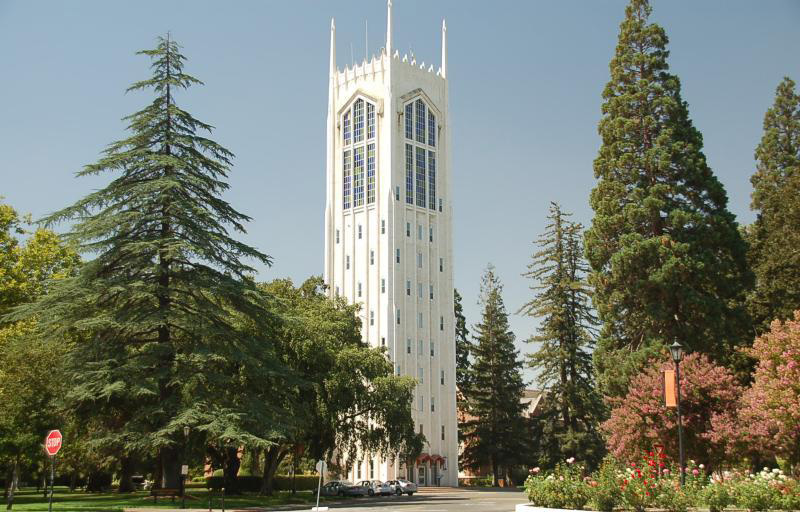

Division I competition, small classes and strong health and professional pathways give athletes clear reasons to consider Pacific.
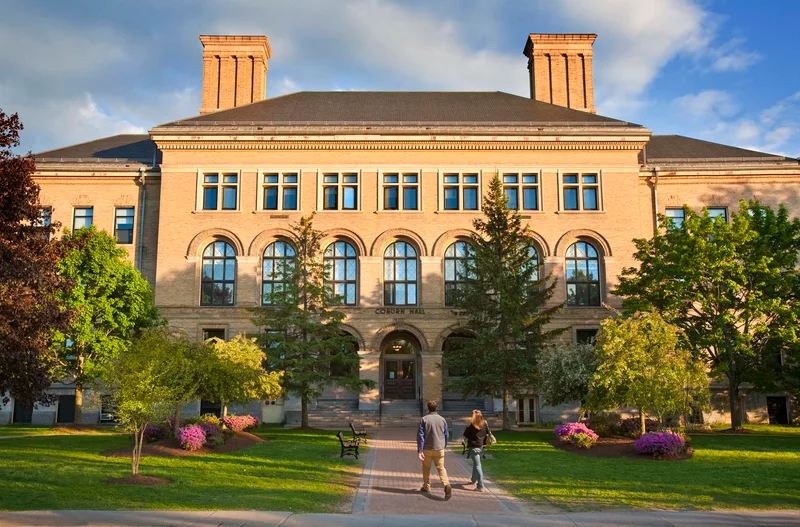

Career-focused academics, hands-on learning and Division I competition appeal to athletes looking beyond their playing careers.


Competitive athletics, career-focused academics and a residential Hudson River setting give recruits distinct reasons to consider studying here.


Division I competition, a respected business school and access to Twin Cities employers give athletes strong reasons to consider St. Thomas.
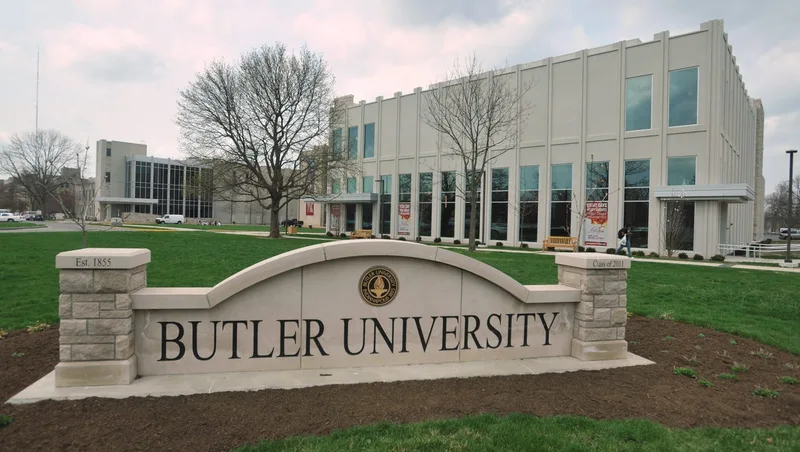

Athletes choose Butler for Big East competition, close faculty connections and professional opportunities in Indianapolis.
Teams in California
More Baseball Teams in California


California Polytechnic State University
San Luis Obispo, CA
Applied learning, competitive athletics and strong career outcomes appeal to recruits who take academics seriously.
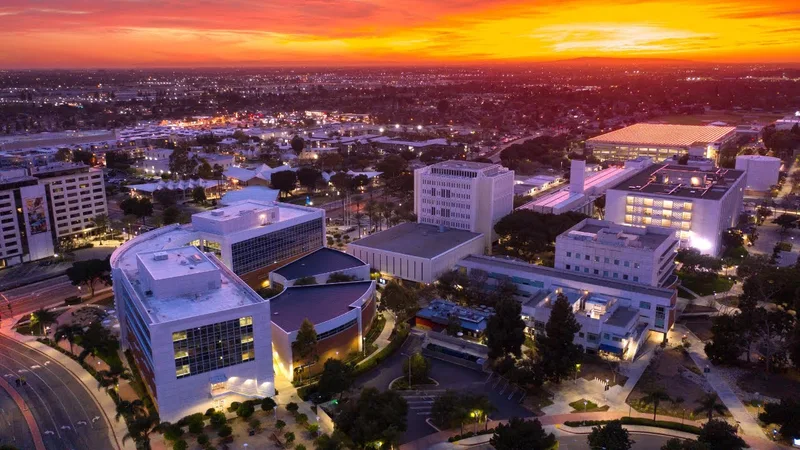

California State University, Fullerton
Fullerton, CA
Competitive athletics, career-focused study and affordable options attract athletes who want a broad university experience.
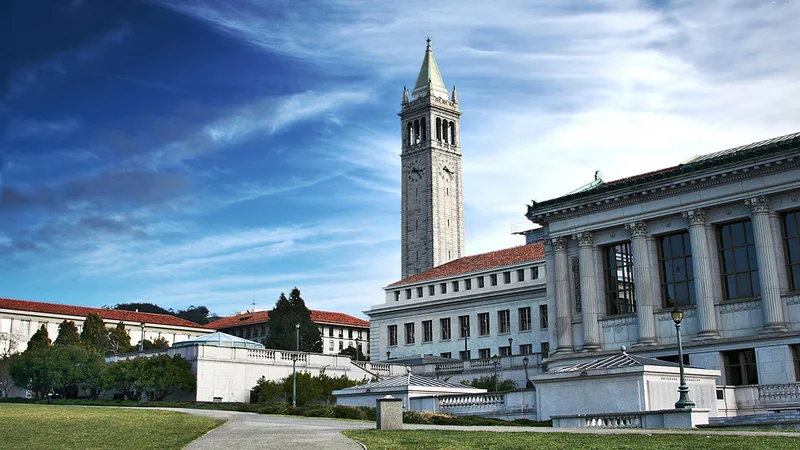

University of California, Berkeley
Berkeley, CA
Demanding academics, competitive athletics and Bay Area career opportunities appeal to athletes with ambitious goals beyond their sport.
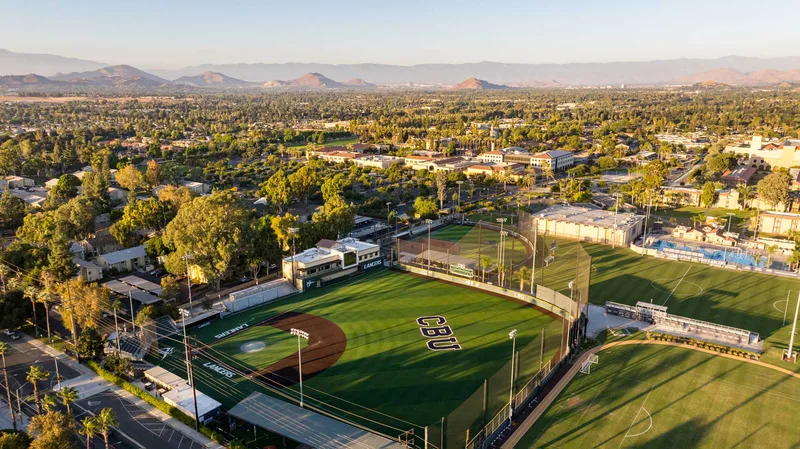

California Baptist University
Riverside, CA
Professional programs, faith-centered campus life and Division I competition give athletes distinct reasons to consider studying here.


California State University, Bakersfield
Bakersfield, CA
Accessible admissions, affordable costs and professional programs give athletes practical reasons to pursue competitive athletics here.
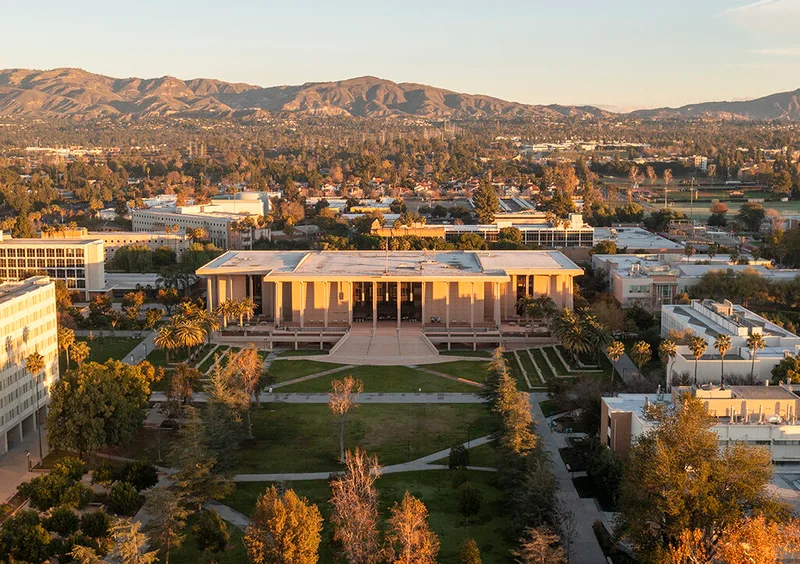

California State University, Northridge
Los Angeles, CA
Accessible admissions, affordable costs and Los Angeles career connections complement the demands of Division I competition.
Loyola Marymount University
Los Angeles, CA
Athletes come for competitive conference play, personal faculty attention and academic connections to Los Angeles industries.
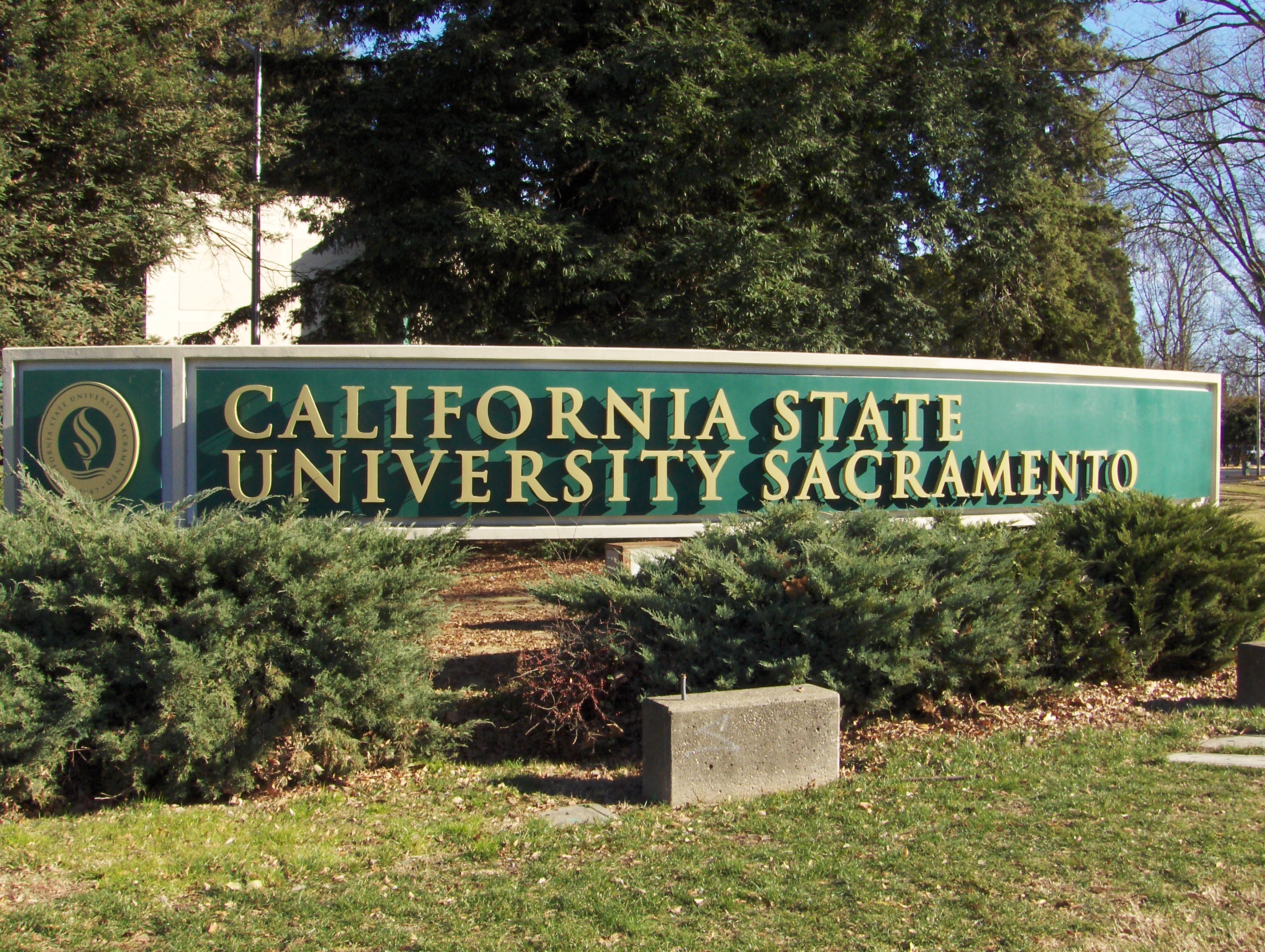

California State University, Sacramento
Sacramento, CA
Competitive athletics, practical majors and capital-city internships give recruits several ways to build their future.


Saint Mary's College of California
Moraga, CA
Personalized teaching and a small-college community pair with demanding coursework and West Coast Conference competition.


University of San Diego
San Diego, CA
Competitive athletics, strong career outcomes and a close-knit campus community give recruits several reasons to consider studying here.
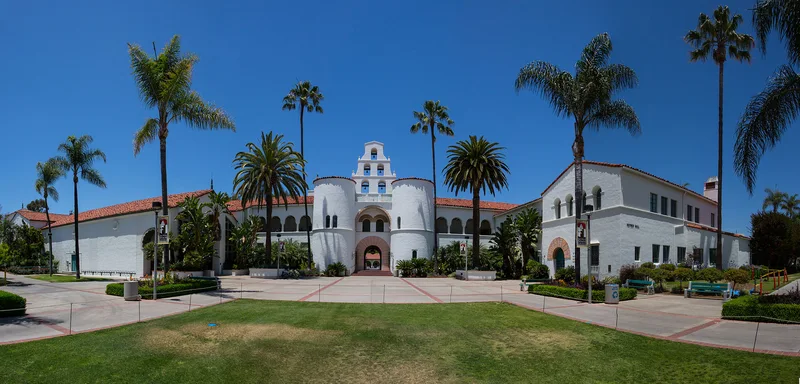

San Diego State University
San Diego, CA
Competitive athletics, regional career connections and an active urban campus give recruits several reasons to consider studying here.


San José State University
San Jose, CA
Career-oriented academics and Mountain West competition attract athletes who want an urban college experience with professional possibilities.
Roster openings · 2026-27
Which D1 Baseball programs have the most roster spots opening up?
Every program ranked by players in their final year, with the positions they are losing.
10.2players leaving per program, on average
See the programs Three ways to start
Where are you in the search?
Pick the option that matches where you are, and we will show you the plan that fits.
Recruiting Plan
Your 20 to 25 best-fit schools, picked for you.



- Starter: the list, fit reads, real costs and a dated timeline
- Complete: adds roster reads and coach emails for every school
$99 or $249Starter or Complete, one time
Build my plan
Roster Report
The roster at your position, at the schools you pick.


- Who is graduating at your position, class year by class year
- Where spots are likely to open, in plain words
From $193, 8 or 15 schools
Choose my schools
School Plan
One school, covered end to end.
- Your honest odds, the roster and the verified coach
- Intro email, three follow-ups, admissions steps and timeline
$49One school, one time
Pick my school Resources