

A small campus, accessible faculty and Big South competition offer athletes a balance of community and challenge.

NCAA Division IBig South ConferenceSouth Carolina

Presbyterian College Baseball
One plan built for Presbyterian College Baseball, with the roster read, the coach's contact and a dated plan, delivered within 24 hours. An expert checks every plan.
- 39
- Roster
- 21%
- In-state
Overview
Presbyterian College Baseball Team Details
Key facts about the Presbyterian College baseball team.
Presbyterian College plays Division I baseball in the Big South Conference from its campus in Clinton, South Carolina. By winning percentage over the last five seasons, at 37%, it sits in the bottom quarter among Division I baseball teams. Florida supplies 25% of its players, more than South Carolina, where the school sits.
NCAA Division IBig South ConferenceSouth Carolina
- Head coach
- Elton Pollock
- Home venue
- Elton Pollock Field at the PC Baseball Complex
- Average roster
- 39
- Five-year win rate
- 37%
Head Coach
players a season
Fit check
Do You Fit at Presbyterian College?
Pick your position and level, add a test score if you have one, and get an instant read on your chances here. Free, and no account needed.
Coaching staff
Get on This Staff's Radar
Head coach
Elton PollockHead CoachEmail●●●●●●@●●●●.edu
Phone(●●●) ●●●-●●●●
Roster
Roster Breakdown
The roster by class
10FreshmenFr.
11SophomoresSo.
12JuniorsJr.
6SeniorsSr.
39 players on the latest roster (2026).
Positions
Baseball Roster by Position
How many players a season the program carries at each position, and how tall they are.
Pitcher
18.7players a season
Average height 6'2"
Catcher
4.7players a season
Average height 5'11"
Infielder
9.3players a season
Average height 6'0"
Outfielder
4.3players a season
Average height 6'0"
Utility/Designated Hitter
2players a season
Average height 5'10"
Few spots go to outfielders, around four per season, 11% of the roster and below the 17% average among Division I baseball teams. A heavy infielders group stands out, at 24% of the roster, or around nine a season, versus 14% for the average Division I baseball team.
Footprint
Where This Team Recruits
Where the players are from
115players
In-state20.9%
Other US states77.4%
International1.7%
Counted from players on recent rosters with a known hometown.
Top home states
Florida25%
South Carolina21%
Georgia17%
North Carolina13%
Virginia9%
Even with the campus in South Carolina, Florida sends more players, 25% of the roster against 21% for South Carolina.
Results
Presbyterian College Baseball Recent Results
Swipe to see every season
2022
41%22-32overall
9-15conference
2023
38%21-34overall
12-15conference
Best season
2024
52%29-27overall
18-6conference
2025
33%17-35overall
9-15conference
Latest
2026
21%12-44overall
8-16conference
A winning percentage of 37% over the last five seasons ranks in the bottom quarter among Division I baseball teams, behind the 49% median. The program went 12-44 in 2026, its lowest-scoring year of the last five seasons by winning percentage.
Standings
Big South Conference Standings
Where Presbyterian College stands in the Big South Conference.
Schedule and travel
Baseball Schedule
The season's games, home and away, and how far the team travels.
Recruiting
Recruiting Outlook
Presbyterian baseball competes at the NCAA Division I level in the Big South Conference and faces a schedule that includes nationally competitive opponents. The roster includes a mix of high school recruits, junior college transfers, and players transferring from four-year programs, so athletes typically need a clear position fit and evidence they can contribute at the Division I level.
NCAA Division I Big South programMix of high school and junior college recruitingPitching development and technology emphasis
Recruiting difficulty
60/ 100Hard
OpenCompetitiveSelectiveElite
Presbyterian is a competitive Division I program where most roster opportunities are likely to go to recruited players, although its level is more accessible than an elite national contender.
What coaches value
- Reliable defensive execution and position-specific skills
- Pitchers with command, pitchability, and repeatable mechanics
- Offensive consistency, quality at-bats, and situational awareness
- Versatility and a willingness to contribute in multiple roles
How to get recruited here
Build a complete recruiting profile with verified measurables, video, academic information, and recent game statistics. Contact the baseball staff early, explain your position fit, and highlight performances against strong competition, travel or junior college experience, defensive versatility, and measurable development.
How hard is it to make the team
Making Presbyterian's baseball team is challenging because it is an NCAA Division I Big South program with a limited roster and a recruiting pool that includes high school, junior college, and four-year transfers. A realistic candidate should show a specific skill that fills a team need, perform consistently against quality competition, and be prepared to compete for playing time after joining the program.
Who fits this program
- Baseball players seeking a competitive NCAA Division I opportunity
- Athletes prepared to balance baseball with liberal arts academics
- Students preferring a small, rural, residential campus setting
- Players bringing a clear position fit and Division I readiness
Program stats
The Program by the Numbers
42
Athletes on the roster
5
Coaches on staff
$4,583
Spent per athlete
Spending and revenue a year
Spending$947,802
Revenue$947,802
Revenue covers everything the program spends.
At around $4,200 per athlete in the 2025 EADA report, operating spending runs about 59% below the Division I median. With 42 athletes and five coaches in the same report, the staff works out to about eight athletes per coach, against a median of 10 among Division I baseball teams.
Source: the federal Equity in Athletics report, 2025.
Feeders
Top Feeder Schools and Clubs
The high schools and clubs that sent the most players to this roster.
1Jefferson High School2 players on recent rosters
2Seminole High School2 players on recent rosters
3Vero Beach High School2 players on recent rostersSeveral pipelines feed this roster, with three sources each placing at least two players, with Jefferson High School among them.
The school
School Environment
Presbyterian College combines liberal arts study with undergraduate research and pre-professional pathways, giving athletes room to explore academic interests while building toward careers in healthcare, business and other fields.
Presbyterian CollegeClinton, South CarolinaSee the full profile 68%
Acceptance rate
51%
Graduation rate
- Undergraduates
- 853
- Net price a year
- $20,528
- Earnings after ten years
- $60,194
Official links
Official Presbyterian College Baseball Links
Similar programs
Similar Baseball Teams
Programs at a similar level, with similar academics, worth adding to your recruiting list.


A small residential community and accessible faculty help athletes keep academics connected to their competitive goals.
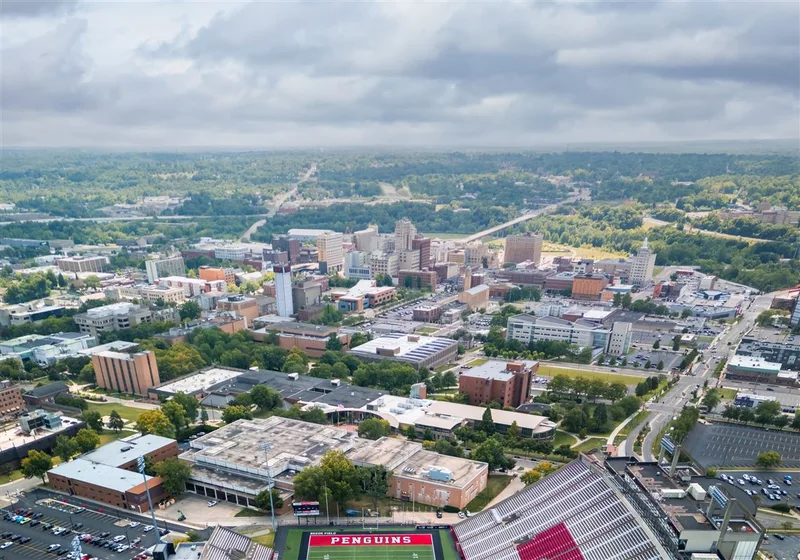

Career-focused programs, affordable tuition and an urban campus give athletes practical reasons to pursue Division I competition here.


Division I competition, affordable tuition and a close small-town campus give athletes practical reasons to consider UT Martin.


Career-focused academics, metropolitan opportunities and accessible admissions give athletes practical reasons to consider competing here.


Competitive athletics, practical academic programs and affordable tuition make this a compelling option for recruits.
Teams in South Carolina
More Baseball Teams in South Carolina


Clemson University
Clemson, SC
Strong professional programs and ACC competition attract athletes who want a residential college experience with career direction.


Coastal Carolina University
Conway, SC
Competitive athletics, coastal research opportunities and nearby Myrtle Beach give recruits distinct reasons to consider this campus.


College of Charleston
Charleston, SC
Division I competition, undergraduate teaching and Charleston's coastal city setting give athletes distinct reasons to consider this campus.


University of South Carolina
Columbia, SC
SEC competition, research opportunities and an active urban campus attract athletes who want a broad college experience.
Winthrop University
Rock Hill, SC
A small campus, accessible faculty and Big South competition offer athletes a balance of community and challenge.


Wofford College
Spartanburg, SC
Athletes choose a close-knit campus where Southern Conference competition pairs with personal academics and financial aid options.
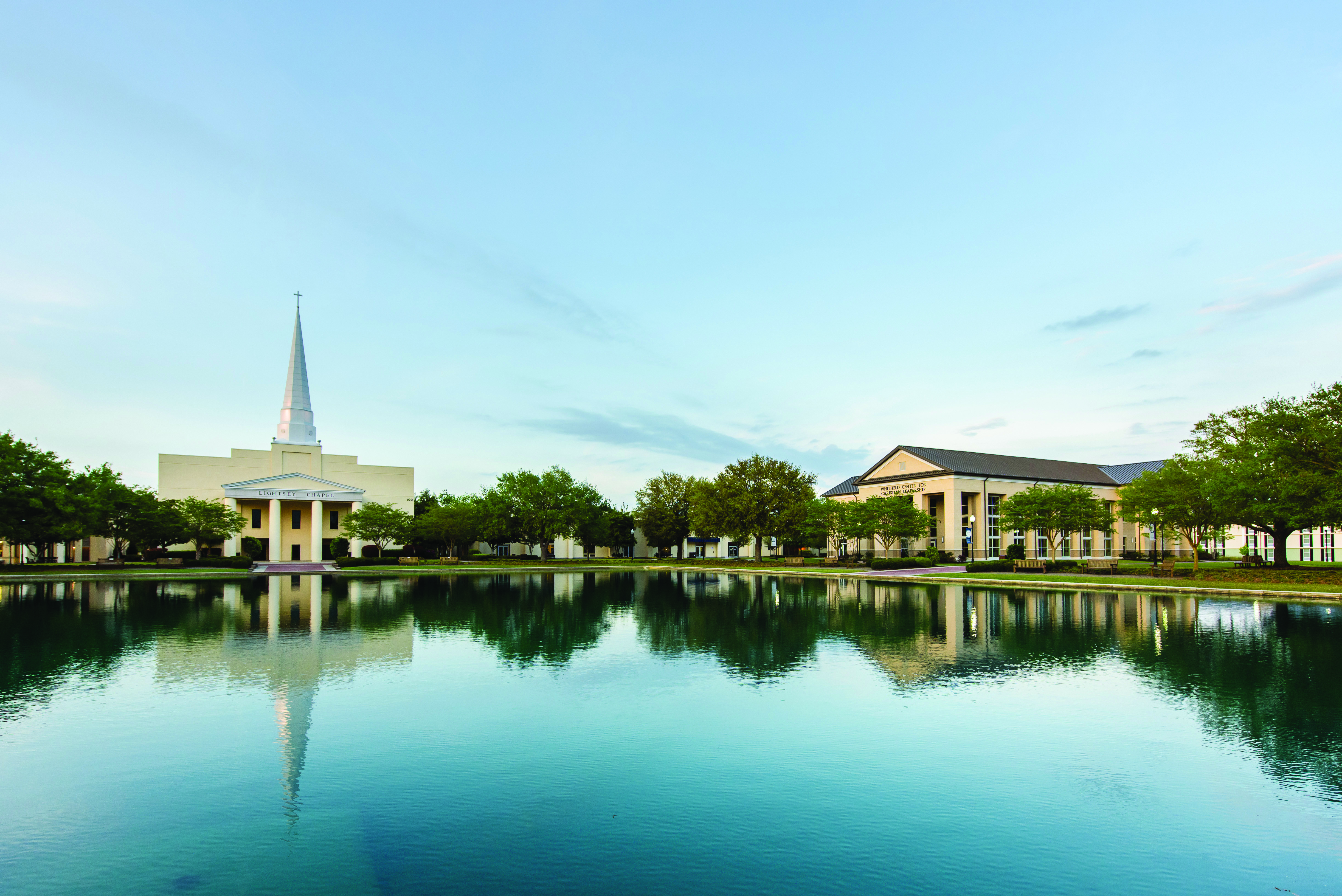

Charleston Southern University
North Charleston, SC
A small Christian community and close faculty interaction help athletes find connection alongside Division I competition.


The Citadel, The Military College of South Carolina
Charleston, SC
Athletes choose a disciplined cadet environment that combines competitive athletics, leadership preparation and life in Charleston.


University of South Carolina Upstate
Spartanburg, SC
A small-campus setting, health-focused academics and Big South competition give recruits distinct reasons to consider coming here.
Roster openings
Which D1 Baseball programs have the most roster spots opening up?
Every program ranked by players in their final year, with the positions they are losing.
10.2players leaving per program, on average
See the programs Three ways to start
Where are you in the search?
Pick the option that matches where you are, and we will show you the plan that fits.
Recruiting Plan
Your 20 to 25 best-fit schools, picked for you.



- Starter: the list, fit reads, real costs and a dated timeline
- Complete: adds roster reads and coach emails for every school
$99 or $249Starter or Complete, one time
Build my plan
Roster Report
The roster at your position, at the schools you pick.


- Who is graduating at your position, class year by class year
- Where spots are likely to open, in plain words
From $193, 8 or 15 schools
Choose my schools
School Plan
One school, covered end to end.
- Your honest odds, the roster and the verified coach
- Intro email, three follow-ups, admissions steps and timeline
$49One school, one time
Pick my school Resources