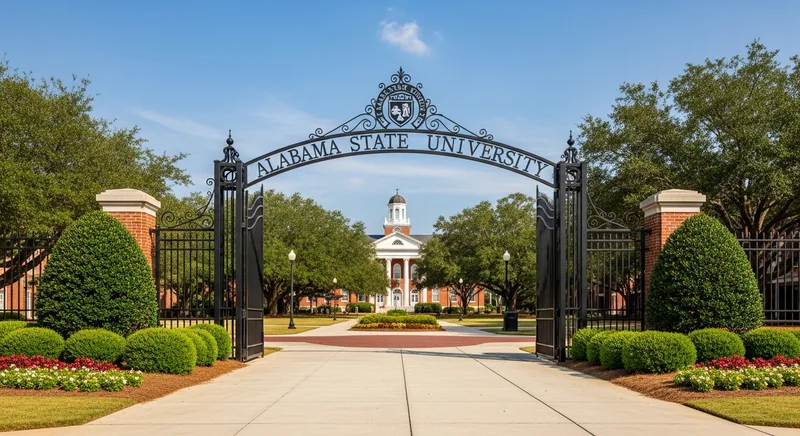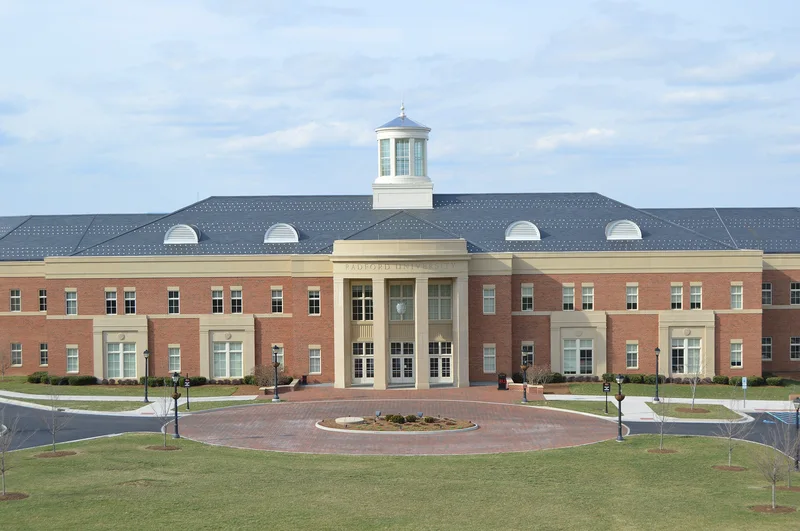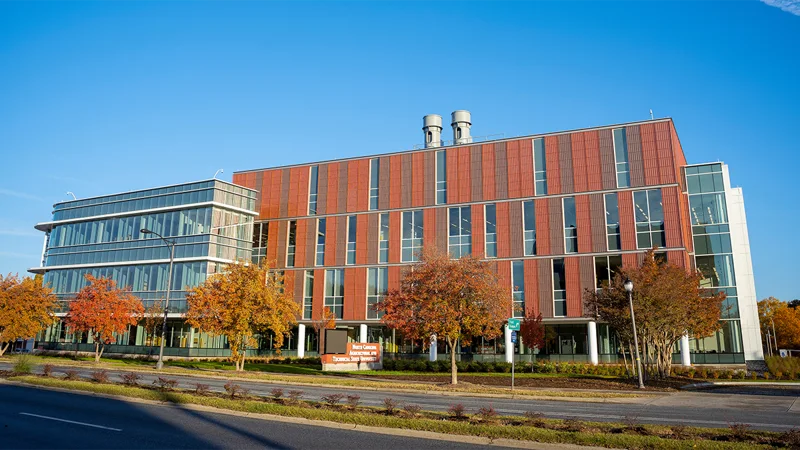

North Carolina Agricultural and Technical State University
Greensboro, NC
Why it is similar: Same conference.Engineering strengths, Division I competition and vibrant HBCU campus life give athletes distinct reasons to consider this university.
Browse programs
College directoryEvery program, filtered by what fits Sport directoryMen's and women's, every division State directoryPrograms in the states you would play inGo deeper
Major directoryYour major and your sport in one list Camp directoryID camps and showcases at college programs Conference directoryEvery conference and its member colleges

One plan built for Hampton University Women's Track & Field, with the roster read, the coach's contact and a dated plan, delivered within 24 hours. An expert checks every plan.
Overview
Key facts about the Hampton University women's track & field team.
In Hampton, Virginia, Hampton University competes in Division I women's track and field through the Coastal Athletic Association. The most room for the Class of 2027 is among throwers, with three leaving after the 2026-27 season, followed by two sprinters. It spends roughly $3,100 per athlete on operations in the 2025 EADA report, about twice the Division I median.
Head Coach - Women's Track & Field
players a season
Fit check
Pick your position and level, add a test score if you have one, and get an instant read on your chances here. Free, and no account needed.
Coaching staff
Head coach
Sha'keela SaundersHead Coach - Women's Track & FieldRoster
The roster by class
25 players on the latest roster (2026-27).
Roster openings after 2026-27
Sprints 2 · Distance 1 · Jumps 1 · Throws 3
After the 2026-27 season, three throwers will leave, the largest group of departures by position, followed by two sprinters. Turnover is coming, since eight athletes are set to leave after that season, a share in the top quarter among Division I women's track and field teams, and the Class of 2027 is the first to benefit.
See who you would be replacingPositions
How many players a season the program carries at each position, and how tall they are.
Average height 5'4"
Average height 5'6"
Average height 5'6"
Average height 5'8"
Average height 6'1"
Roster spots lean toward throwers: 22% of the roster, versus 13% on the average Division I women's track and field team. At 25% of the roster, distance runners trail what the average Division I women's track and field team carries, which is 40%.
Footprint
Where the players are from
Counted from players on recent rosters with a known hometown.
Top home states
Just 24% of athletes come from Virginia, one of the lower in-state shares among Division I women's track and field teams.
Schedule and travel
The season's games, home and away, and how far the team travels.
Recruiting
Who fits this program
Program stats
Athletes on the roster
Coaches on staff
Spent per athlete
Spending and revenue a year
Revenue covers 99% of what the program spends.
According to the 2025 EADA report, the program spends roughly $3,100 per athlete on operations, about twice the Division I median.
Source: the federal Equity in Athletics report, 2025.
Feeders
The high schools and clubs that sent the most players to this roster.
The school
Hampton University's academic profile blends professional programs and research strengths, giving athletes a way to weigh coursework, admissions expectations, faculty access and degree outcomes against their goals beyond sports.
 Hampton UniversityHampton, VirginiaSee the full profile
Acceptance rate
Graduation rate
Official links
Similar programs
Programs at a similar level, with similar academics, worth adding to your recruiting list.
Greensboro, NC
Why it is similar: Same conference.Engineering strengths, Division I competition and vibrant HBCU campus life give athletes distinct reasons to consider this university.
Competitive athletics, accessible admissions and a residential hilltop setting appeal to athletes seeking a balanced college experience.
Competitive athletics, HBCU heritage and a supportive campus community give recruits distinct reasons to consider coming here.
Accessible admissions, research opportunities and affordable costs give athletes practical reasons to consider this border-city university.
Athletes choose this historic university for demanding academics, Division I competition and a close campus community.
Downtown access, approachable admissions and career-focused academics give athletes practical reasons to consider competing here.
Teams in Virginia
Fairfax, VA
Competitive athletics, career-focused academics and access to Washington help athletes connect college goals with life after graduation.
Washington, DC
Competitive athletics, Washington internships and a Jesuit educational tradition attract athletes with strong academic ambitions.
Harrisonburg, VA
Competitive athletics, hands-on academics and an engaged campus community give recruits several reasons to consider studying here.
Lynchburg, VA
Christian campus culture, career-focused programs and Division I competition attract athletes seeking alignment between faith and college goals.
Radford, VA
Career-focused learning, reachable faculty and Big South competition give athletes practical reasons to consider this campus.
Richmond, VA
Competitive athletics, distinctive academic strengths and Richmond career opportunities give recruits several reasons to consider studying here.
Charlottesville, VA
ACC competition, rigorous academics and a residential campus attract athletes looking for a demanding college experience.
Blacksburg, VA
ACC competition, strong technical academics and a spirited residential community give athletes compelling reasons to consider Blacksburg.
Lexington, VA
Athletes choose the combination of demanding competition, military leadership development and a close-knit cadet community.
Roster openings · 2026-27
Every program ranked by players in their final year, with the positions they are losing.
Three ways to start
Pick the option that matches where you are, and we will show you the plan that fits.
Resources