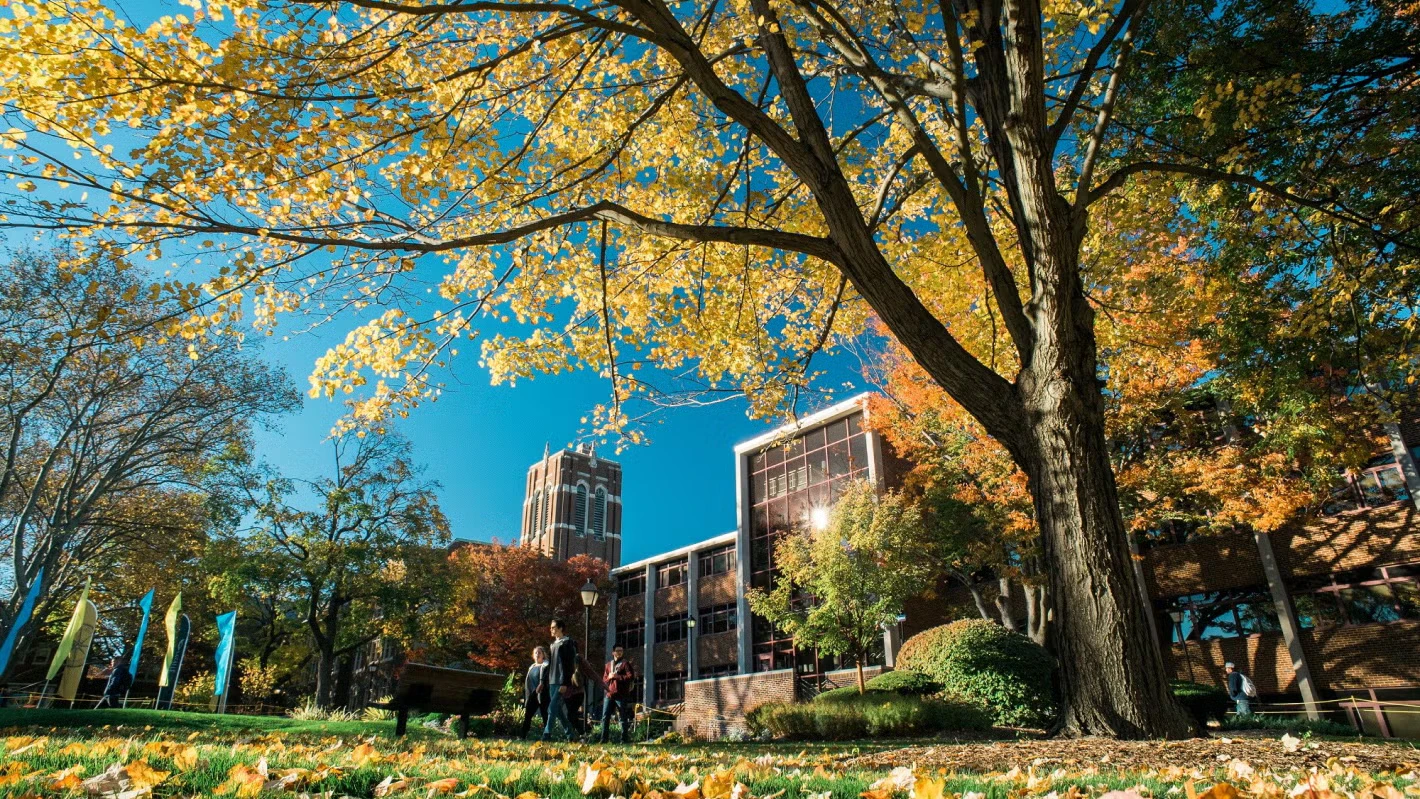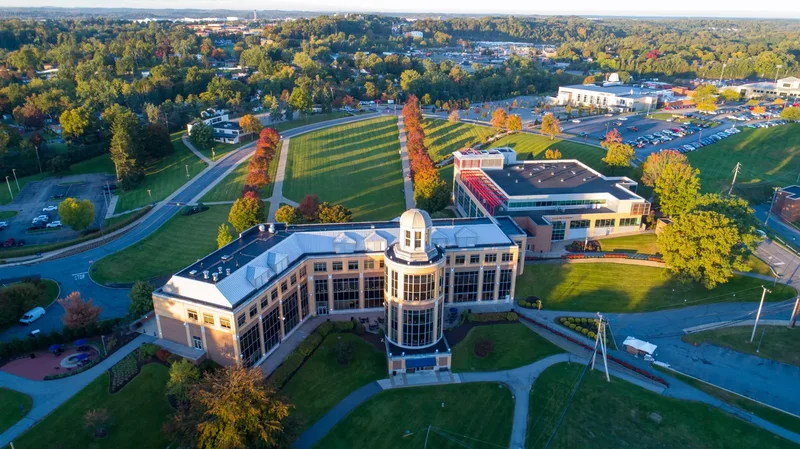

Career-focused coursework, reachable faculty and Pittsburgh connections give athletes practical reasons to consider competing here.
- 5,275
- Students
- 90%
- Admit rate
- $23,003
- Net price
Browse programs
College directoryEvery program, filtered by what fits Sport directoryMen's and women's, every division State directoryPrograms in the states you would play inGo deeper
Major directoryYour major and your sport in one list Camp directoryID camps and showcases at college programs Conference directoryEvery conference and its member collegesOverview
Mission and culture
Hampton University is a historically Black university in Hampton, Virginia, with a residential waterfront campus and NCAA Division I athletics in the Coastal Athletic Association. Its academic identity combines professional programs in areas such as business and engineering with STEM research and a proton therapy and cancer research institute.
Why athletes choose Hampton University
Division I competition, a close campus community and professional academic options give recruits distinct reasons to consider Hampton.
Fit check
Pick a sport, your position and level, add a test score if you have one, and get an instant read on your chances here. Free, and no account needed.
Academics
Hampton University's academic profile blends professional programs and research strengths, giving athletes a way to weigh coursework, admissions expectations, faculty access and degree outcomes against their goals beyond sports.
Academic strength
A composite of graduation rate, earnings after college, how selective admissions are and how hard the coursework is.
Acceptance rate
More selectiveMore accessible
Admissions are moderately selective, so solid classroom preparation matters alongside your athletic ability and fit with the program.
Six-year graduation rate
0%100%
There is a reasonable path to graduation, but steady academic focus and support should remain priorities.
Academic difficulty
Rated 3 out of 5
Coursework offers a balanced challenge, making steady study habits important alongside athletic commitments.
Student to faculty ratio
students for every faculty member
Faculty should be reasonably accessible, helping athletes build relationships and seek guidance when coursework becomes challenging.
Median earnings
per year, ten years after starting college
Six years after: $42,721Graduate earnings suggest solid outcomes, giving families a useful reason to weigh academic fit alongside affordability.
Undergraduate enrollment
undergraduate students
The small undergraduate community offers a more familiar campus environment, especially for athletes seeking connections beyond their sport.
SAT and ACT scores
The test profile suggests room for varied academic backgrounds, but scores are sometimes required, so confirm which expectations apply to your application.
Most popular majors
Admissions
Preparing your application to Hampton University means reviewing deadlines by admission plan, test policy, the application fee and recommendation requirements alongside your recruiting conversations.
Not binding. Hear back early and decide by May 1.
The standard deadline. Not binding.
Majors
38 undergraduate majors across 7 academic areas.
No major matches that search.
Campus life
A small residential community on a suburban waterfront campus brings together student organizations, Greek life and leadership opportunities rooted in historically Black college identity.
Athletics
Competing in NCAA Division I and the Coastal Athletic Association places athletes in a demanding competitive environment, with options including football, men's lacrosse and sailing.
Athletic department
Explore how Hampton University supports its Division I athletic department through overall spending, recruiting investment and athletic aid, including how resources are distributed across men's and women's programs.
Athletes
Athletic aid
Recruiting spend
Source: the federal Equity in Athletics report, 2025.
Cost
At Hampton University, comparing the published cost with the average price after grants and available need-based and merit-based aid helps families assess this private university's affordability.
Average net price
What families pay on average after grants and scholarships, including tuition, housing and fees.
Published tuition
The sticker price a year, before any aid.
Financial aid
Need-based and merit-based aid availableAthletic scholarships, where a program offers them, are awarded by the coaching staff and come on top of these figures.
NIL
NIL rating
Hampton University in Hampton, Virginia offers a growing name, image and likeness (NIL) environment where student-athletes in a range of college sports can build their personal brands. The school’s historic reputation and community ties create a solid foundation for NIL activity, especially for visible and community-engaged athletes.
See the full NIL breakdownStudent fit
The kind of student-athlete who tends to do well at Hampton University.
Hampton University is a good fit for athletes seeking NCAA Division I competition within a small, residential historically Black university community. It suits students interested in professional fields such as business, engineering or nursing who want a balanced academic challenge and are willing to maintain steady study habits through training and travel. The suburban waterfront setting, student organizations and leadership opportunities appeal to recruits who want campus involvement beyond athletics and reasonably accessible faculty. Families should look carefully at their individual aid offer, while athletes who prefer a very large student body or an urban campus may find the setting less suited to them.
Who thrives here
HBCU PrideClose Knit CommunityStructured CompetitorsCareer Focused AthletesOrganized Self StartersQuestions
It is known for strong programs in engineering, business, nursing, journalism, marine and environmental science, and the liberal arts, along with a historic commitment to research, leadership development, and service at a private, historically Black university.
It is located in Hampton, Virginia, on a waterfront campus along the Chesapeake Bay, offering a traditional residential college setting with historic buildings, modern facilities, and views of the water.
Yes, it is a private historically Black university with a long history of educating African American students and a mission focused on leadership, character, and community service.
Admission is moderately selective, with the strongest applicants typically showing solid grades in a college-prep curriculum, competitive test scores if submitted, and a record of involvement in extracurricular or community activities.
Popular areas of study include business, biology and health sciences, nursing, psychology, journalism and communications, engineering, computer science, aviation, and marine and environmental science.
The university offers on-campus residence halls and student apartments, and campus life includes Greek organizations, student government, music and marching band, faith-based groups, cultural clubs, and regular events and traditions.
Classes are generally moderate in size, allowing students to know their professors and classmates, with a learning environment that emphasizes personal attention, faculty mentoring, and participation in discussions and projects.
Its varsity teams compete in NCAA Division I, offering sports such as football, basketball, track and field, cross country, softball, baseball, volleyball, golf, tennis, and others depending on the year and conference alignment.
Student-athletes have access to academic advising, study halls, tutoring, athletic training and sports medicine, strength and conditioning, and compliance and eligibility support to help balance academics and competition.
Students can participate in faculty-led research, internships, co-ops, clinical and field placements, community-based projects, and experiential learning tied to areas such as science, engineering, business, health, and the arts.
Yes, it offers a range of graduate degrees and select online and hybrid programs in fields like business, education, nursing, engineering, and the sciences, designed for both recent graduates and working professionals.
The career center provides resume and interview help, career counseling, job and internship fairs, employer networking events, and connections with alumni to support students in finding internships, research positions, and full-time roles.
Compare
Other colleges worth comparing with Hampton University.
Career-focused coursework, reachable faculty and Pittsburgh connections give athletes practical reasons to consider competing here.
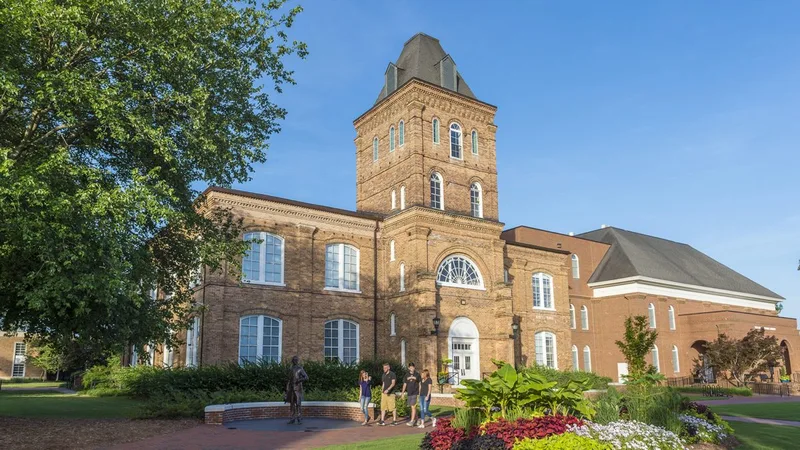
A small Christian community and close faculty interaction help athletes find connection alongside Division I competition.
Athletes can pair demanding competition with personal faculty access and career-focused study in Philadelphia.
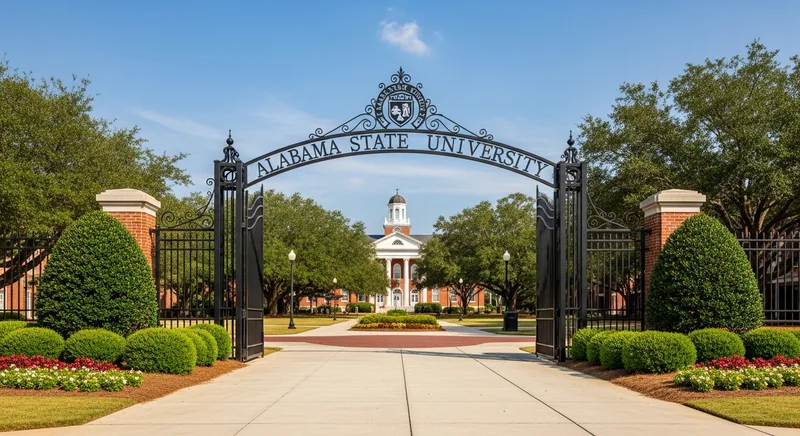
Competitive athletics, HBCU heritage and a supportive campus community give recruits distinct reasons to consider coming here.
Health-profession pathways, reachable faculty and Southland Conference competition appeal to athletes seeking career preparation alongside their sport.
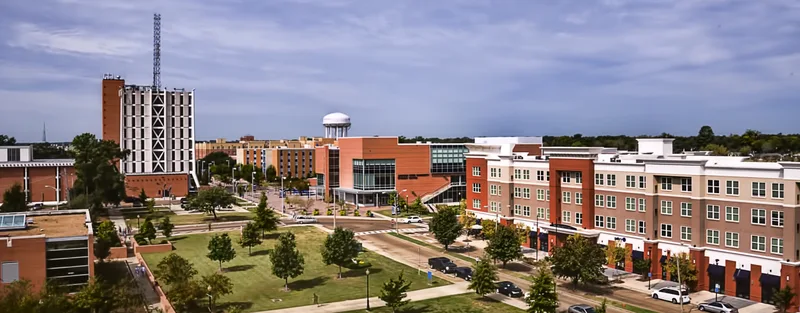
HBCU community, SWAC competition and varied academic options draw athletes who want school spirit alongside their sport.
Athletes come for Division I competition, a supportive HBCU community and academic options connected to practical careers.
Personalized teaching and a small-college community pair with demanding coursework and West Coast Conference competition.
A small Christian community and Houston career connections give athletes reasons to look beyond the competition schedule.
Close faculty access and career-focused academics give athletes a personal foundation for balancing Division I competition.
A supportive HBCU community and career-focused academics give athletes reasons to look beyond the competition.
Athletes choose a small-campus environment where Division I competition sits alongside professional preparation and accessible admissions.
Three ways to start
Pick the option that matches where you are, and we will show you the plan that fits.
Resources