Marquette University
Milwaukee, WI
Big East competition, professional programs and Milwaukee internship access connect athletic ambition with preparation for life after college.
Browse programs
College directoryEvery program, filtered by what fits Sport directoryMen's and women's, every division State directoryPrograms in the states you would play inGo deeper
Major directoryYour major and your sport in one list Camp directoryID camps and showcases at college programs Conference directoryEvery conference and its member colleges
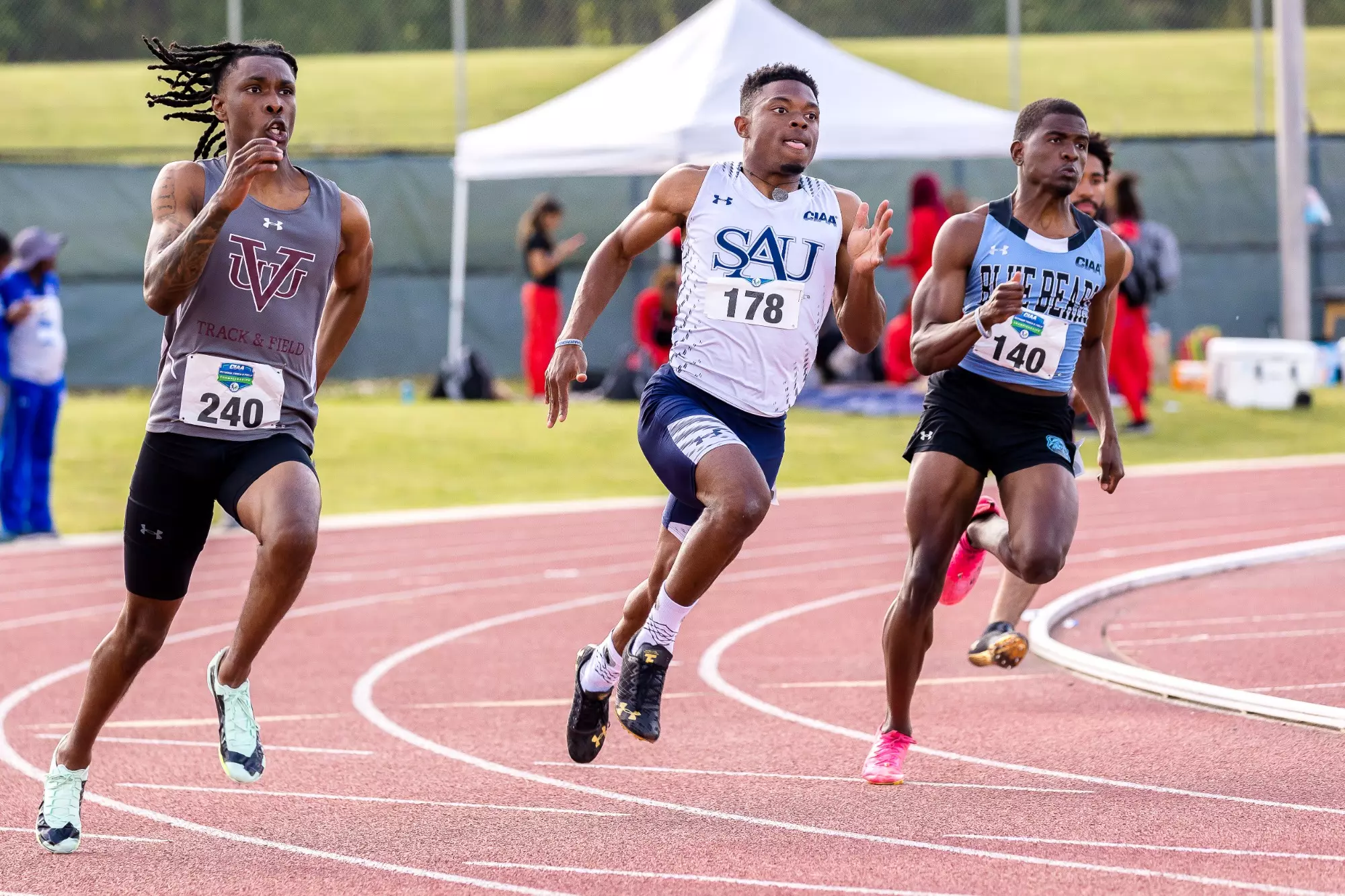
Wisconsin offers a deep women’s track & field landscape, especially at the Division III level. Use this guide to compare divisions, scholarship pathways, and overall college fit.
4 of 25 play in divisions that allow athletic scholarships
At a glance
25 women's track & field programs in Wisconsin. Tap a level to jump to its schools.
Division III has the most options here, with 21 of 25 programs (84%).
NCAA Division I
Wisconsin has a limited set of Division I options for women’s track & field compared with many states, so priority and timing matter in recruiting outreach. If you want more D1 targets, consider pairing in-state schools with nearby Midwest programs.
Strongest programs first, by Pathley's program strength score.
Milwaukee, WI
Big East competition, professional programs and Milwaukee internship access connect athletic ambition with preparation for life after college.
Milwaukee, WI
Research opportunities, urban internships and Horizon League competition give athletes several reasons to consider studying here.
NCAA Division II
Division II opportunities in Wisconsin are currently very limited for women’s track & field. If D2 is your best fit, broaden your search region to add more scholarship-eligible options.
Strongest programs first, by Pathley's program strength score.
Kenosha, WI
Competitive athletics, applied learning and public university value give recruits practical reasons to consider this campus.
NCAA Division III
Division III is where Wisconsin stands out, with many more women’s track & field programs than a typical state. This creates strong options for athletes prioritizing academics, campus fit, and a high-volume meet environment.
Strongest programs first, by Pathley's program strength score.
Eau Claire, WI
Competitive athletics, undergraduate research and a riverside campus give recruits reasons to look beyond their sport.
La Crosse, WI
Health-focused academics, established athletic traditions and a residential riverfront setting give recruits distinct reasons to consider enrolling.
Oshkosh, WI
Competitive WIAC athletics and career-focused programs appeal to athletes who want their sport and education to matter.
River Falls, WI
A close-knit campus, practical academic programs and nearby career opportunities give athletes reasons to look beyond competition.
Stevens Point, WI
Regional competition, specialized academic strengths and public university value give athletes several practical reasons to consider competing here.
Menomonie, WI
Hands-on academics, career connections and Division III competition appeal to athletes who want a practical college experience.
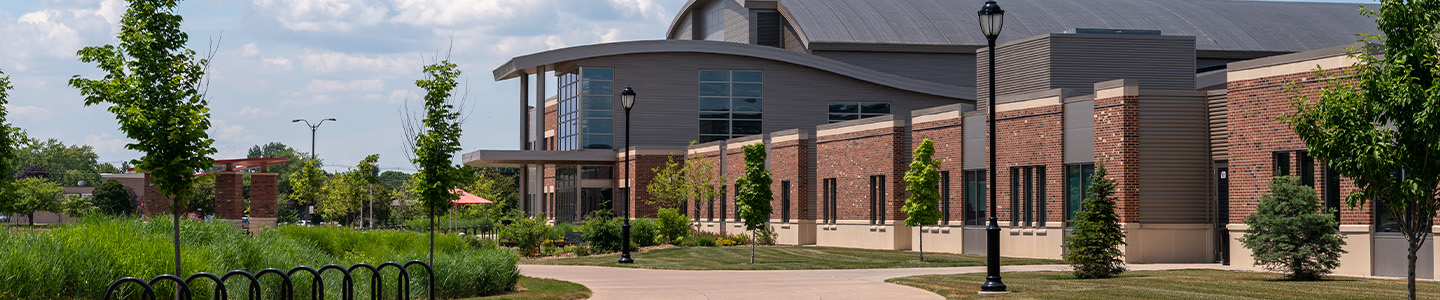
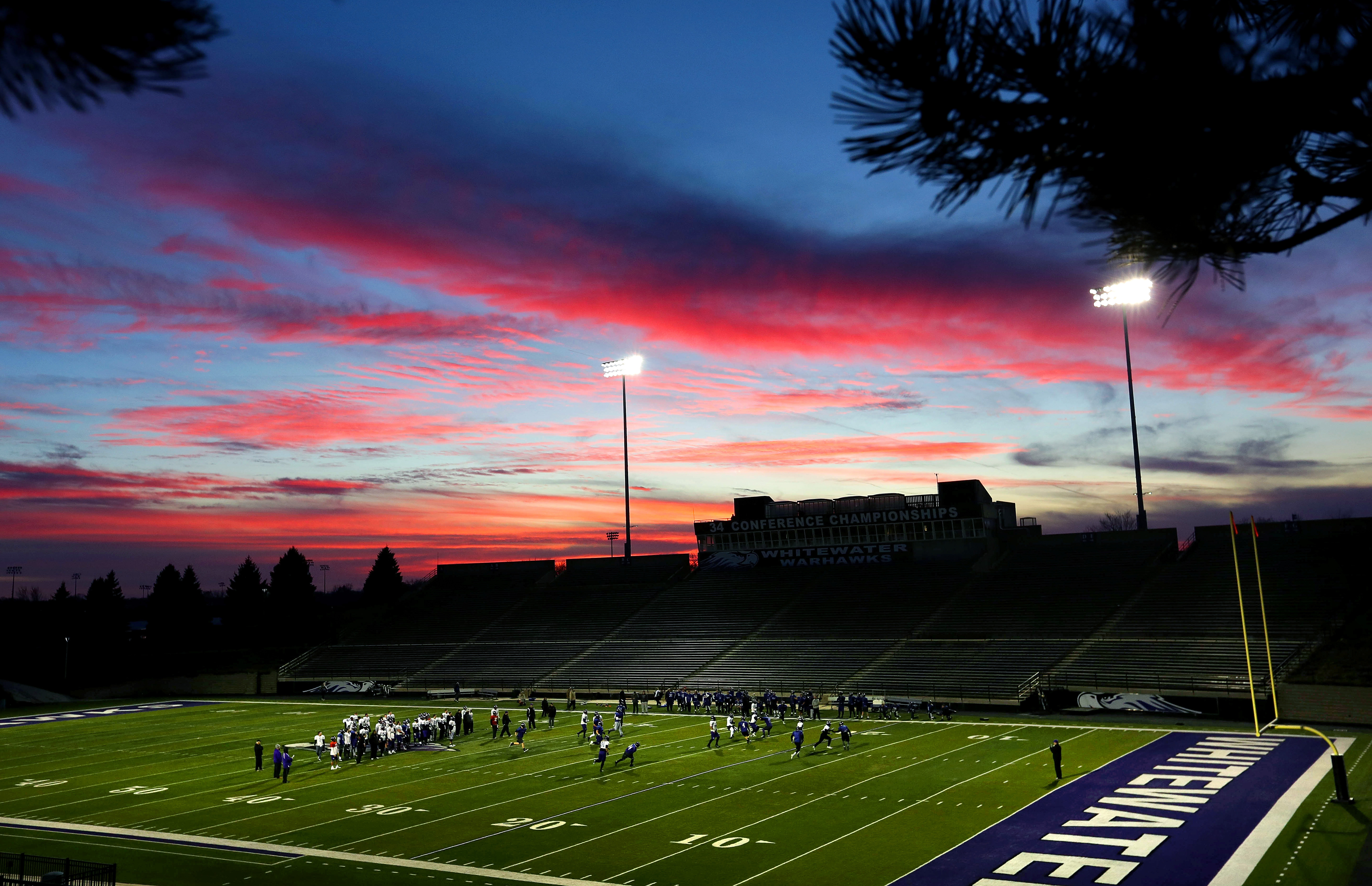
Whitewater, WI
Championship athletics, career-focused academics and affordable tuition give recruits compelling reasons to consider this campus.
Waukesha, WI
Personalized instruction, health sciences strengths and a suburban location give athletes practical reasons to consider Carroll.
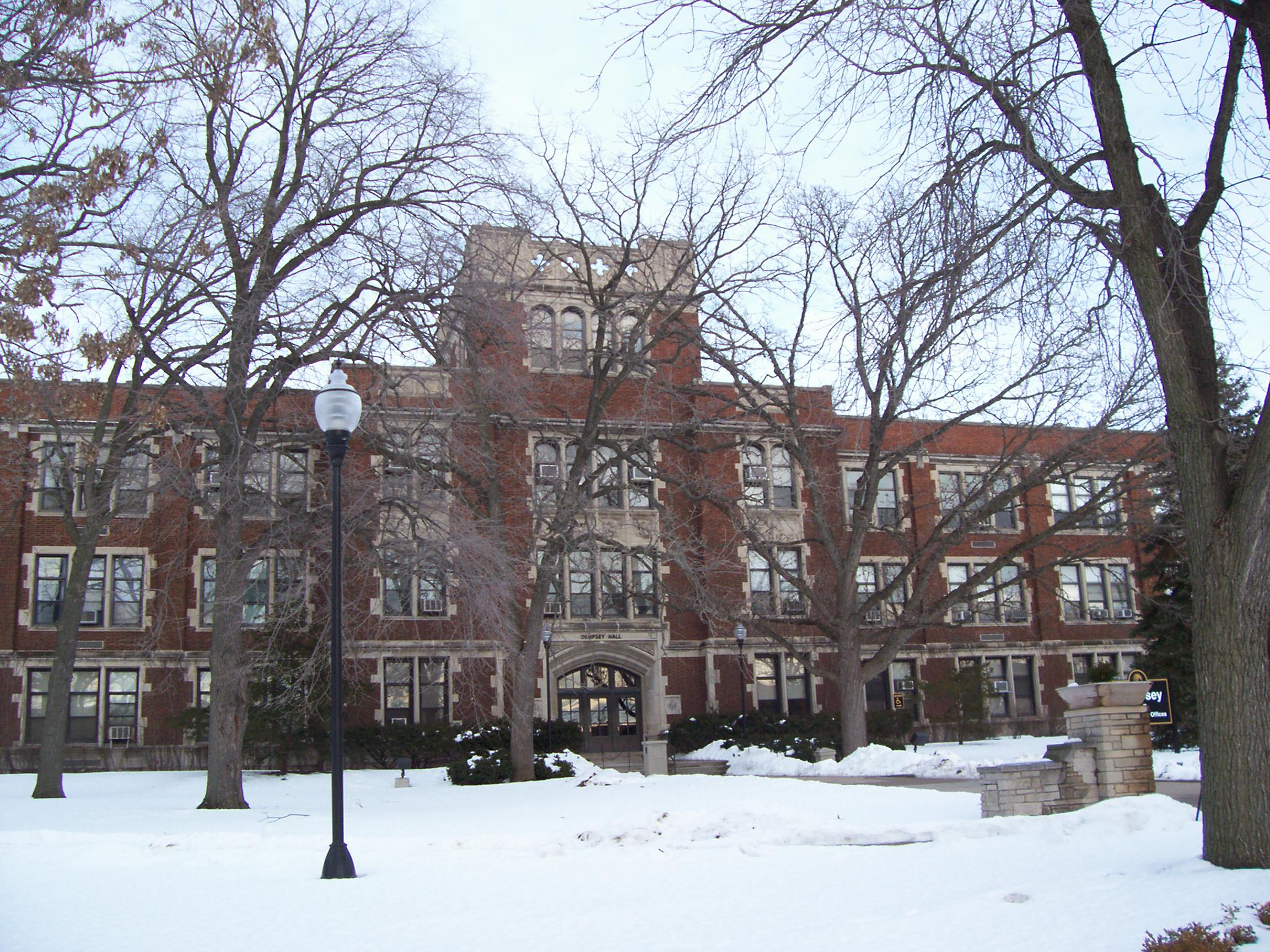
Kenosha, WI
Close faculty relationships, lakeside residential life and competitive athletics give recruits reasons to look closely at Carthage.
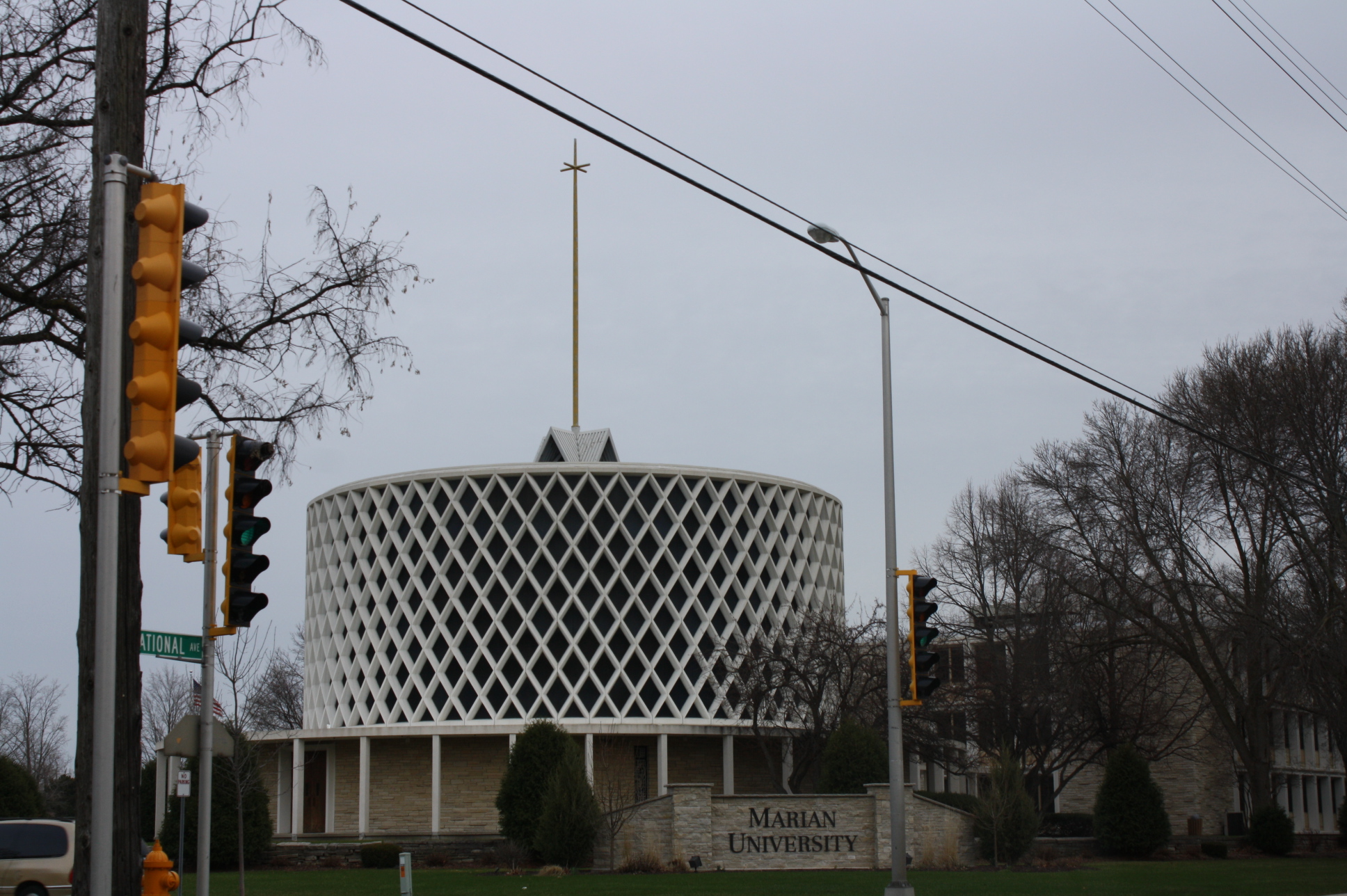
Fond du Lac, WI
Nursing and health programs, small classes and Division III competition, including ice hockey, give athletes practical reasons to consider Marian.
Milwaukee, WI
A supportive women's college environment pairs Division III competition with practical learning and individualized academic feedback.
Beloit, WI
Close faculty connections, residential community and Midwest Conference competition appeal to athletes who value academics alongside their sport.
Mequon, WI
Athletes are drawn to a lakefront setting, professional programs and a Lutheran community alongside Division III competition.
Madison, WI
Small classes, career-focused programs and a lakeside Madison setting complement the experience of competing in Division III.
Plymouth, WI
Paid work experience, accessible admissions and a small campus give athletes practical reasons to consider Lakeland.
Appleton, WI
Close faculty relationships and a lively arts community give athletes meaningful interests beyond competition.
Milwaukee, WI
Hands-on academics, reachable faculty and downtown opportunities give athletes a clear connection between college and career.
Ripon, WI
A close residential community helps athletes combine competitive sports, hands-on learning and involvement beyond their teams.
De Pere, WI
A small residential community and competitive athletics appeal to recruits who also value accessible admissions and faculty connections.
Milwaukee, WI
A close-knit residential community and reachable faculty help athletes stay connected to college life beyond competition.
Superior, WI
A small campus, accessible admissions and regional opportunities give athletes practical reasons to consider studying and competing here.
NAIA
Wisconsin includes a small NAIA footprint for women’s track & field, which can be a useful middle ground for athletes seeking competitive teams with potential athletic aid. Expanding to nearby states can quickly add more NAIA choices.
Strongest programs first, by Pathley's program strength score.
La Crosse, WI
Close faculty relationships and a supportive community help athletes pursue challenging academics alongside NAIA competition.
Free school matcher
Pick your position and level, and we score every women's track & field program on roster openings at your position, athletic level and academics.
Conferences
Every women's track & field conference with at least one program in Wisconsin, across every division.
Scorecard
This scorecard summarizes in-state opportunity for women’s track & field across program depth, division access, scholarship pathways, and college-fit considerations.
Overall opportunity score
AverageWisconsin is an average overall state for women’s track & field recruiting, driven by exceptional Division III depth but more limited scholarship-eligible choices.
Wisconsin offers a moderate in-state number of women’s track & field programs, with depth concentrated heavily in Division III rather than across all levels.
With multiple divisions represented, Wisconsin provides strong access points for women’s track & field recruits even though some levels are thinner than typical.
Scholarship-eligible women’s track & field options in Wisconsin are more limited than in many states, so athletes should also build a regional list for aid-focused recruiting.
Wisconsin’s women’s track & field schools tend to be somewhat more accessible by admissions and slightly more affordable than typical, but the scholarship-side menu is narrower.
Recruiting snapshot
Who it suits, what the landscape looks like, where the money is and what gives this state an edge.
Athletes who want lots of Division III team options in-state and are comfortable making recruiting decisions based on academics, roster fit, and event group needs.
The state’s women’s track & field landscape is D3-heavy, with fewer Division I, Division II, and NAIA programs than many comparable states.
Most athletic scholarship opportunities are tied to NCAA Division I, NCAA Division II, and NAIA programs, while Division III recruiting is typically more academic and fit-driven without athletic scholarships.
Wisconsin’s central Midwest location can make regional scheduling and campus visits practical, which helps when you add nearby states to expand D1, D2, and NAIA options.
Key metrics
How women's track & field programs in Wisconsin compare with the average state on program count, tuition, enrollment and admissions.
Three ways to start
Pick the option that matches where you are, and we will show you the plan that fits.
News
Resources
National rankings
Sport hub
The Women's Track & Field hub brings every division together: how D1, D2, D3 and NAIA compare, the strongest programs in each state, camps, and the recruiting guides for each level.