Skills campWrestling · Women's
High-Intensity Camp
- Jun 26 to 28, 2026
- Muehlmeier Hall, Lakeland University, Plymouth, WI
- $275
- Overnight
Elite-level technical instruction including college-style drilling and live combat situations for grades 8-12.
Browse programs
College directoryEvery program, filtered by what fits Sport directoryMen's and women's, every division State directoryPrograms in the states you would play inGo deeper
Major directoryYour major and your sport in one list Camp directoryID camps and showcases at college programs Conference directoryEvery conference and its member colleges

Plymouth, WisconsinNorthern Athletics Collegiate Conference
Overview
Mission and culture
Lakeland University is a small university in rural Plymouth, Wisconsin, where athletes compete in NCAA Division III, primarily in the Northern Athletics Collegiate Conference. Its distinctive cooperative education model connects paid professional work with academic credit, giving students a practical way to build experience while pursuing a degree.
Why athletes choose Lakeland University
Paid work experience, accessible admissions and a small campus give athletes practical reasons to consider Lakeland.
Fit check
Pick a sport, your position and level, add a test score if you have one, and get an instant read on your chances here. Free, and no account needed.
Academics
At Lakeland University, academics emphasize practical experience through cooperative education, with business, education and technology strengths providing context for admissions accessibility, coursework expectations, faculty access and graduate outcomes.
Academic strength
A composite of graduation rate, earnings after college, how selective admissions are and how hard the coursework is.
Acceptance rate
More selectiveMore accessible
Admissions are highly accessible, so recruits can focus on demonstrating classroom readiness rather than clearing a highly selective barrier.
Six-year graduation rate
0%100%
Finishing a degree takes real self-direction, making consistent academic planning and use of support services important.
Academic difficulty
Rated 2 out of 5
Coursework is manageable with steady effort, leaving room to balance academics and athletics.
Student to faculty ratio
students for every faculty member
Faculty should be reachable in this personal academic environment, helping athletes build connections around busy schedules.
Median earnings
per year, ten years after starting college
Six years after: $49,546Graduate earnings suggest solid outcomes, giving families a useful reason to weigh career preparation alongside cost.
Undergraduate enrollment
undergraduate students
The small undergraduate community offers a close-knit setting for athletes who prefer familiar faces and a more personal campus experience.
SAT and ACT scores
The test-blind policy means scores are not considered for admission, so recruits should focus on classroom preparation rather than the typical score profile.
Most popular majors
Admissions
Preparing your application to Lakeland University starts with reviewing deadlines by plan, test policy, application fees and recommendation requirements alongside your recruiting conversations.
Majors
20 undergraduate majors across 6 academic areas.
No major matches that search.
Campus life
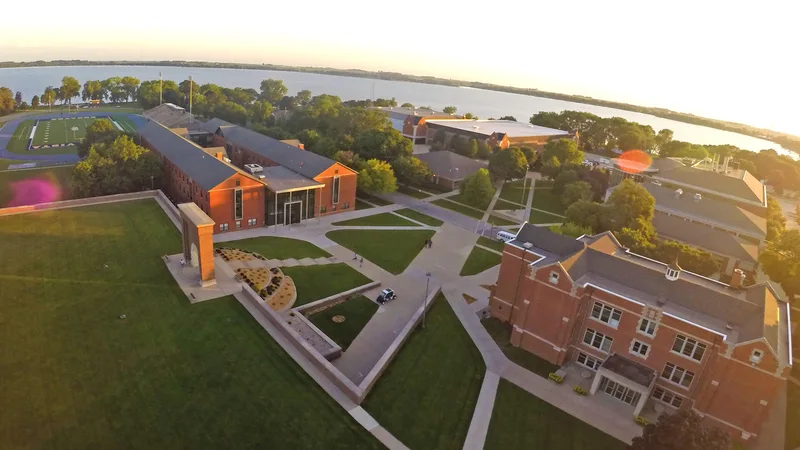
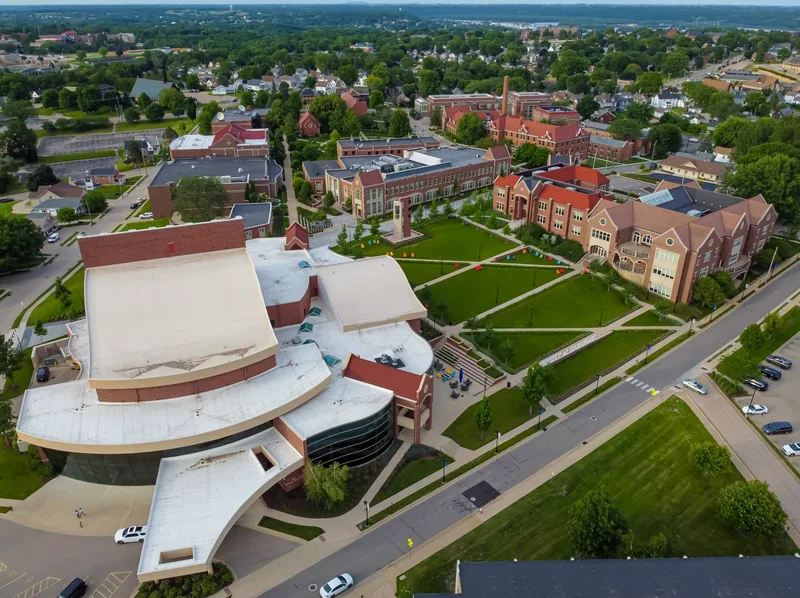
A small residential campus in rural Plymouth offers a close-knit community and personalized attention, with a quieter setting than an urban university.
Athletics
The Muskies compete in NCAA Division III, primarily in the Northern Athletics Collegiate Conference, with opportunities in programs such as football, volleyball and women's wrestling.
Athletic department
Explore how Lakeland University supports its NCAA Division III athletic department through operating resources, recruiting investment and the distribution of athletes and reported aid across men's and women's programs.
Athletes
Athletic aid
Recruiting spend
Source: the federal Equity in Athletics report, 2025.
Cost
For Lakeland University, compare the published cost with the price after grants, available need-based and merit-based aid, and opportunities to earn through cooperative education.
Average net price
What families pay on average after grants and scholarships, including tuition, housing and fees.
Published tuition
The sticker price a year, before any aid.
Financial aid
Need-based and merit-based aid availableAthletic scholarships, where a program offers them, are awarded by the coaching staff and come on top of these figures.
NIL
NIL rating
Lakeland University in Plymouth, Wisconsin offers a developing name, image and likeness (NIL) environment typical of a private NCAA Division III school. Student-athletes in a range of college sports can pursue local and online NIL opportunities that fit around academics and competition schedules.
See the full NIL breakdownStudent fit
The kind of student-athlete who tends to do well at Lakeland University.
Lakeland University fits athletes who want NCAA Division III competition, accessible admissions and a small rural campus where relationships can feel more personal. Its cooperative education model particularly suits students who want paid professional experience alongside their degree and are ready to plan carefully around work, classes and athletic commitments. Athletes interested in business, education or computer science may find a useful academic direction here, with manageable coursework and reachable faculty helping them balance responsibilities. Students who prefer a busy urban setting may find the location less appealing, while anyone enrolling should take degree planning seriously and use available academic support consistently.
Who thrives here
Work Experience FocusedPlaying Time SeekersCost Conscious PlannersSelf Directed StudentsCommunity Oriented AthletesCamps
Lakeland University has not posted new camp dates yet. These ran last season.
Elite-level technical instruction including college-style drilling and live combat situations for grades 8-12.
A prospect camp for graduating high school seniors (Class of 2026) featuring advanced technical instruction, college-style drilling, campus tours, and recruitment information.
Questions
It is known for career-focused undergraduate programs, flexible learning options for working adults, and strong support for first-generation and transfer students. The academic environment is generally considered accessible and collaborative rather than highly competitive.
Admission is considered accessible for many students, with a holistic review that looks at high school coursework, grades, and overall potential. Meeting basic academic requirements and submitting a complete application on time are usually the most important factors.
The campus offers a small, rural setting with close-knit residence halls, easy access to faculty, and a quiet environment that supports focused study. Students often describe the atmosphere as friendly, personal, and community-oriented.
Classes are typically small, allowing students to get to know their instructors and classmates well. This setting supports more individualized attention, frequent interaction, and additional academic help when needed.
Popular areas of study include business, education, criminal justice, computer science, and various arts and sciences majors. Programs are designed to connect classroom learning with practical skills and career preparation.
Students have access to academic advising, tutoring, writing support, career services, and counseling. These resources help with class selection, study skills, internship searches, and overall personal and academic success.
It is considered transfer-friendly and offers flexible options such as evening, online, and hybrid courses. Many programs are structured to recognize prior credits and work experience, making it a practical option for adult learners.
Student life centers on campus clubs, student organizations, residence hall activities, and community events. The small size makes it easy to get involved, take on leadership roles, and build close friendships across campus.
Athletics compete in NCAA Division III, which emphasizes a balance between academics and sports. Student-athletes are encouraged to prioritize coursework while still competing at a high level in their chosen sport.
The athletics program includes a range of men’s and women’s teams in sports such as football, basketball, soccer, volleyball, and others typical of NCAA Division III schools. Club and intramural sports offer additional ways to stay active.
Most undergraduates live in on-campus housing that includes traditional residence halls and other community-style options. Living on campus supports involvement in activities, easy access to classes, and a stronger sense of community.
The campus is in Plymouth, Wisconsin, in a rural setting with access to outdoor recreation and small-town amenities. Larger cities and regional attractions are within driving distance, giving students options for internships, shopping, and entertainment.
Compare
Other colleges worth comparing with Lakeland University.
A close-knit community and career-focused academics appeal to athletes seeking personal attention alongside Division III competition.
Close faculty relationships, lakeside residential life and competitive athletics give recruits reasons to look closely at Carthage.
A lakeside campus, approachable faculty and regional conference competition give athletes a connected college experience.
Personalized advising, career-connected learning and a close-knit residential community give athletes reasons to consider competing here.
A supportive women's college environment pairs Division III competition with practical learning and individualized academic feedback.
Small classes, career-focused programs and a lakeside Madison setting complement the experience of competing in Division III.
Personal attention, career-focused programs and accessible admissions appeal to athletes seeking a small college with competitive athletics.
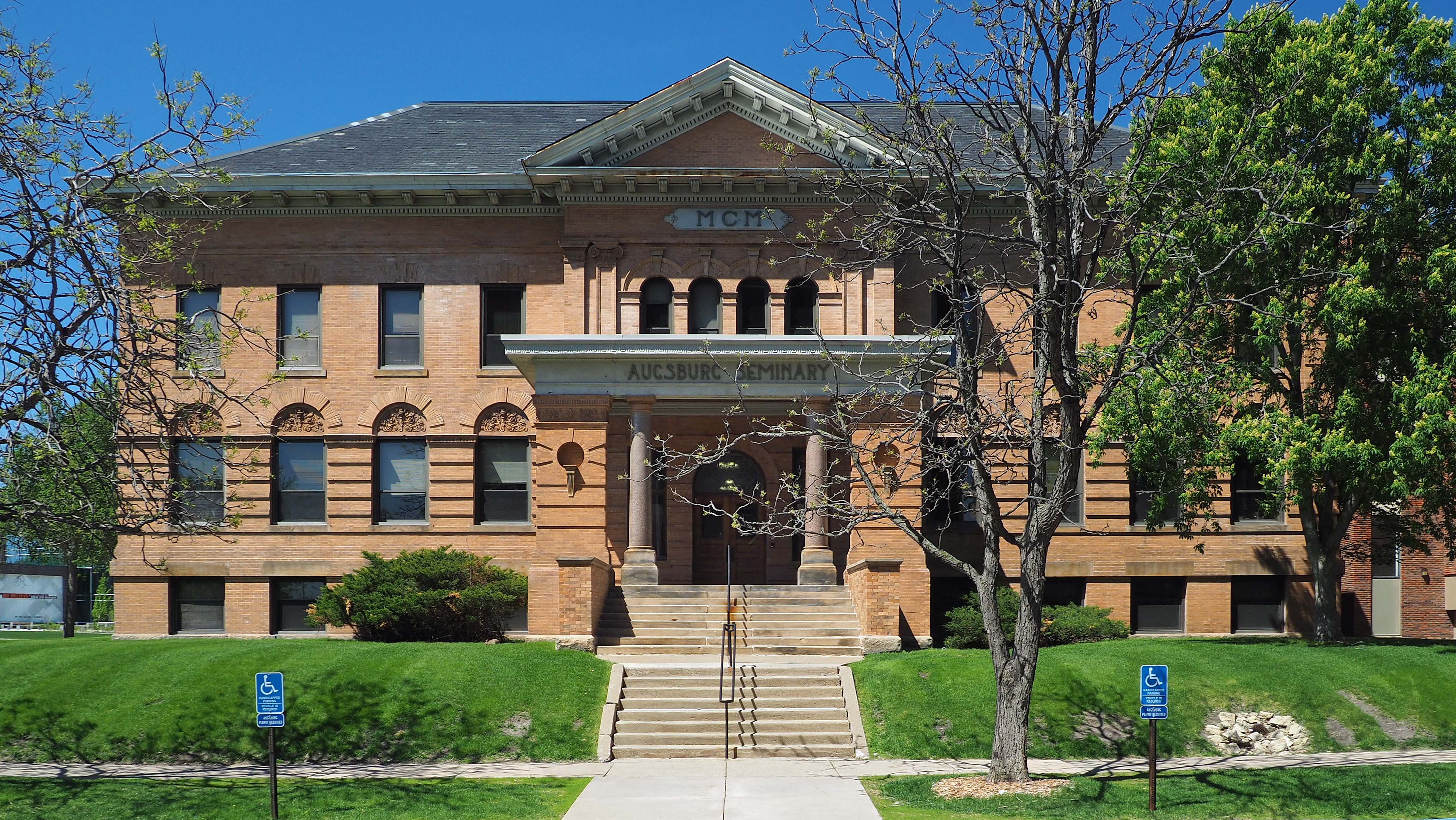
Competitive athletics, approachable faculty and an urban setting give recruits distinct reasons to consider Augsburg.
Career-focused programs, approachable faculty and conference competition appeal to athletes who want a close-knit college experience.
Personalized instruction, career-focused majors and suburban Chicago access complement a competitive Division III athletic experience.
A Christian community, career-focused academics and nationally successful athletics draw recruits seeking a small-campus experience.
A close-knit campus, hands-on academics and student-athlete support make balancing college life and competition feel more personal.
Three ways to start
Pick the option that matches where you are, and we will show you the plan that fits.
Resources