Youth campBasketball · Men's
New Year's Day Youth Camp
- Jan 1, 2026
- Kern Center / Hotchkin Arena, Milwaukee, WI
- $75
Youth skills camp for boys (3rd–8th grade) with coaching and instruction provided by MSOE men's basketball coaches and players.
Browse programs
College directoryEvery program, filtered by what fits Sport directoryMen's and women's, every division State directoryPrograms in the states you would play inGo deeper
Major directoryYour major and your sport in one list Camp directoryID camps and showcases at college programs Conference directoryEvery conference and its member colleges

Milwaukee, WisconsinNorthern Athletics Collegiate Conference
Overview
Mission and culture
Milwaukee School of Engineering combines hands-on technical education with NCAA Division III athletics in downtown Milwaukee, Wisconsin. Its small campus community, lab-focused engineering and computing programs, and strong graduate career outcomes make it worth considering if you want a demanding academic path alongside your sport.
Why athletes choose Milwaukee School of Engineering
Hands-on academics, reachable faculty and downtown opportunities give athletes a clear connection between college and career.
Fit check
Pick a sport, your position and level, add a test score if you have one, and get an instant read on your chances here. Free, and no account needed.
Academics
Milwaukee School of Engineering pairs strong engineering and computing programs with intensive laboratory work, making academic preparation, faculty access and career outcomes especially important when evaluating your fit as an athlete.
Academic strength
A composite of graduation rate, earnings after college, how selective admissions are and how hard the coursework is.
Acceptance rate
More selectiveMore accessible
Admissions are moderately selective, so solid classroom preparation matters even when your athletic profile draws a coach's interest.
Six-year graduation rate
0%100%
Students have a solid path to graduation, with consistent academic progress important alongside athletic commitments.
Academic difficulty
Rated 5 out of 5
Coursework is very demanding and time-intensive, requiring careful planning around practices and competition.
Student to faculty ratio
students for every faculty member
Faculty are generally reachable, giving you opportunities to ask questions and build personal academic connections.
Median earnings
per year, ten years after starting college
Six years after: $75,114Strong graduate earnings support the career value here, though your major and financial aid still matter.
Undergraduate enrollment
undergraduate students
The small undergraduate community offers a more familiar daily environment while keeping engineering and computing central to campus life.
SAT and ACT scores
Testing is optional, but the score profile suggests academically prepared applicants; consider whether your results strengthen the classroom readiness shown in your application.
Most popular majors
Admissions
Prepare your application to Milwaukee School of Engineering by reviewing deadlines by plan, test policy, application fees and recommendation requirements within its rolling admissions process.
Majors
18 undergraduate majors across 4 academic areas.
No major matches that search.
Campus life
A small downtown Milwaukee campus combines on-campus housing and meal plans with an engineering-focused community, athletics and access to nearby internship opportunities.
Athletics
The Raiders compete primarily in the Northern Athletics Collegiate Conference at the NCAA Division III level, with facilities including the Kern Center and Viets Field.
Athletic department
Explore how Milwaukee School of Engineering supports its NCAA Division III department through program spending and recruiting investment, alongside athlete participation and the gender breakdown of athletic aid.
Athletes
Recruiting spend
Source: the federal Equity in Athletics report, 2025.
Cost
At Milwaukee School of Engineering, need-based and merit-based aid can reduce the private university's published cost, so compare your net price with the full attendance budget.
Average net price
What families pay on average after grants and scholarships, including tuition, housing and fees.
Published tuition
The sticker price a year, before any aid.
Financial aid
Need-based and merit-based aid availableAthletic scholarships, where a program offers them, are awarded by the coaching staff and come on top of these figures.
NIL
NIL rating
Milwaukee School of Engineering in Milwaukee, Wisconsin offers a developing name image and likeness (NIL) environment that fits a focused, NCAA Division III engineering campus. Student-athletes in MSOE college sports can find individualized NIL opportunities that leverage their academic strength, niche audiences, and the resources of a major Midwest city.
See the full NIL breakdownStudent fit
The kind of student-athlete who tends to do well at Milwaukee School of Engineering.
Milwaukee School of Engineering fits athletes who want NCAA Division III competition and are genuinely interested in a demanding, hands-on technical education. You should be ready to organize practices and travel around intensive coursework and laboratory learning, rather than expect academics to take a back seat to athletics. Its small community and reachable faculty suit students who value personal connections, while downtown Milwaukee offers nearby internship opportunities and an urban setting. Families focused on engineering or computing careers may find the strong earnings outcomes appealing, but should weigh need-based and merit-based aid carefully because athletic aid is not part of the funding picture.
Who thrives here
Hands On LearnersSTEM Focused AthletesSelf Directed StudentsTime Management StrengthCareer Goal DrivenCamps
Milwaukee School of Engineering has not posted new camp dates yet. These ran last season.
Youth skills camp for boys (3rd–8th grade) with coaching and instruction provided by MSOE men's basketball coaches and players.
One-day winter instructional sessions (pitching/catching and hitting) providing detailed position instruction from MSOE coaching staff.
One-day prospects camp for high school players featuring position-specific instruction, evaluations, and drills run by MSOE baseball staff.
Questions
Milwaukee School of Engineering is best known for its hands-on, industry-focused engineering and technology programs, small class sizes, and strong ties to regional employers that emphasize practical project work and applied research.
Admission is competitive, especially for engineering and technology majors. Successful applicants typically have strong grades in math and science, solid standardized test scores if submitted, and a demonstrated interest in STEM fields and problem-solving.
Popular majors include mechanical engineering, electrical engineering, computer engineering, software engineering, biomedical engineering, and business programs with a technology focus, along with other STEM-related disciplines.
The campus is compact and urban, located near downtown Milwaukee. Students have easy access to city amenities, internships, and cultural attractions while benefiting from a closely knit campus community and modern academic facilities.
Career placement outcomes are strong, with many students securing internships, co-ops, and full-time roles in engineering, technology, and business fields. Employers value the school’s emphasis on applied learning and real-world project experience.
Student life centers around engineering and technology clubs, professional societies, design teams, esports, and residence hall activities. The urban setting also provides access to music, sports, dining, and lakefront recreation in Milwaukee.
Yes, there is on-campus housing available, primarily in residence halls and campus apartments. Housing is designed to support first-year students and upperclass students with convenient access to classes, labs, and campus resources.
Students can expect relatively small classes, especially in upper-level courses. This allows for closer interaction with faculty, more personalized instruction, and greater opportunities for hands-on lab and project work.
It offers strong programs in computer science, software engineering, and related areas with a focus on practical skills, programming, systems design, and collaboration with industry partners on real-world projects.
The athletic program competes in NCAA Division III, emphasizing a balance between academics and athletics. Student-athletes participate for the love of the sport while maintaining rigorous academic commitments.
Varsity athletics include several men’s and women’s sports such as basketball, soccer, track and field, cross country, and other NCAA Division III offerings, with additional club and intramural sports for broader student participation.
Yes, internships and co-op experiences are a major part of the academic culture. Many programs encourage or integrate applied work experiences to help students build résumés, gain industry contacts, and transition smoothly into full-time roles.
Compare
Other colleges worth comparing with Milwaukee School of Engineering.
Close faculty relationships, undergraduate research and competitive athletics appeal to students seeking a demanding, personal college experience.
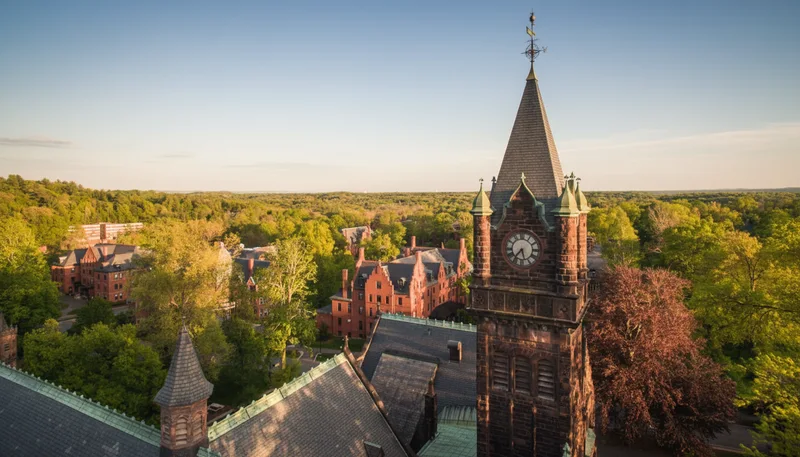
Athletes can combine competitive athletics with strong liberal arts academics, music opportunities and a close-knit residential community.
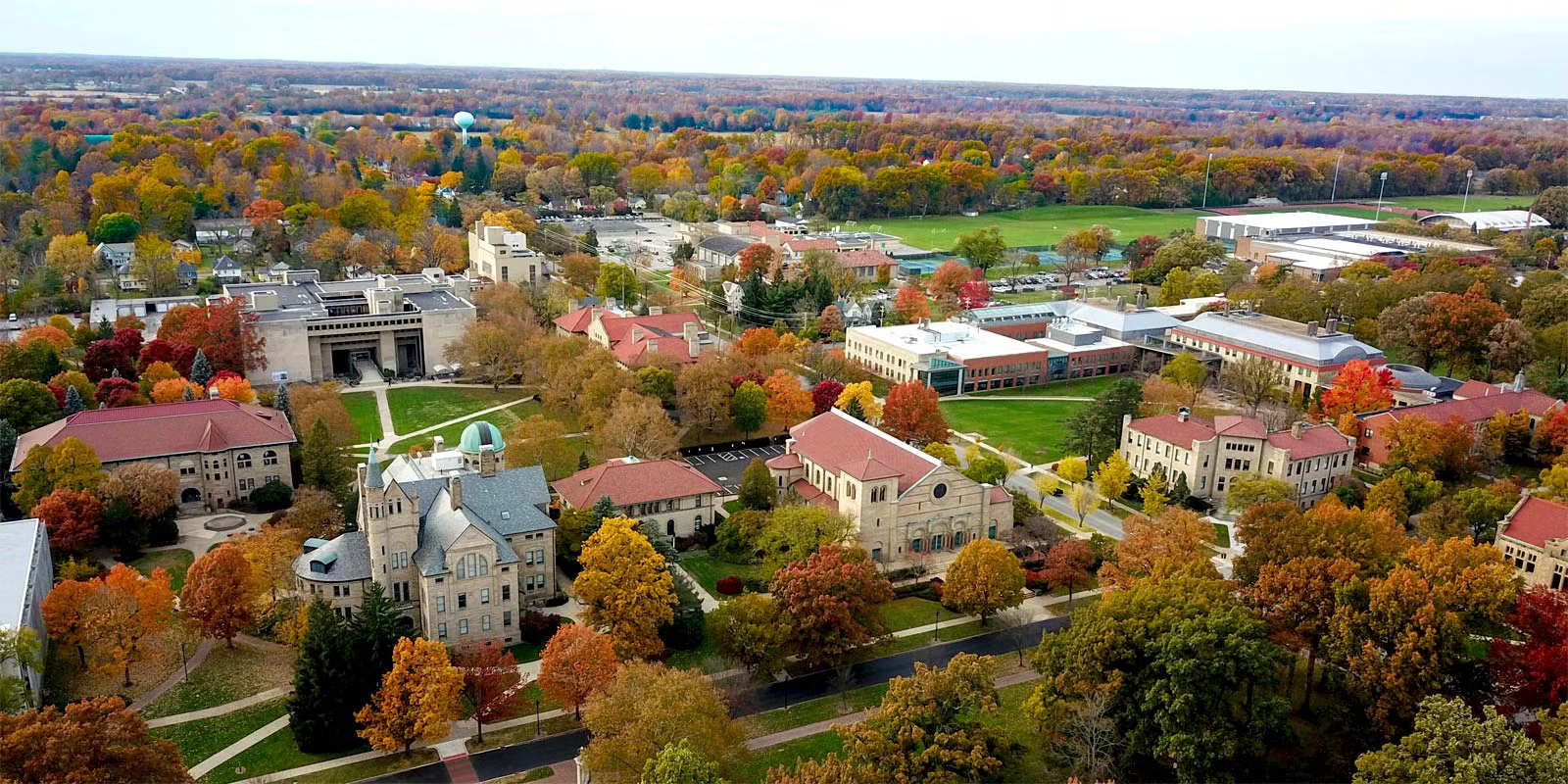
Athletes choose Oberlin for demanding academics, close faculty relationships and a campus shaped by music and activism.
Close faculty relationships and a residential community appeal to athletes who want demanding academics alongside competitive athletics.
Professional programs, reachable faculty and a small residential community give athletes clear reasons to consider competing here.
Close faculty relationships and a residential women's college community complement competitive athletics and demanding liberal arts study.
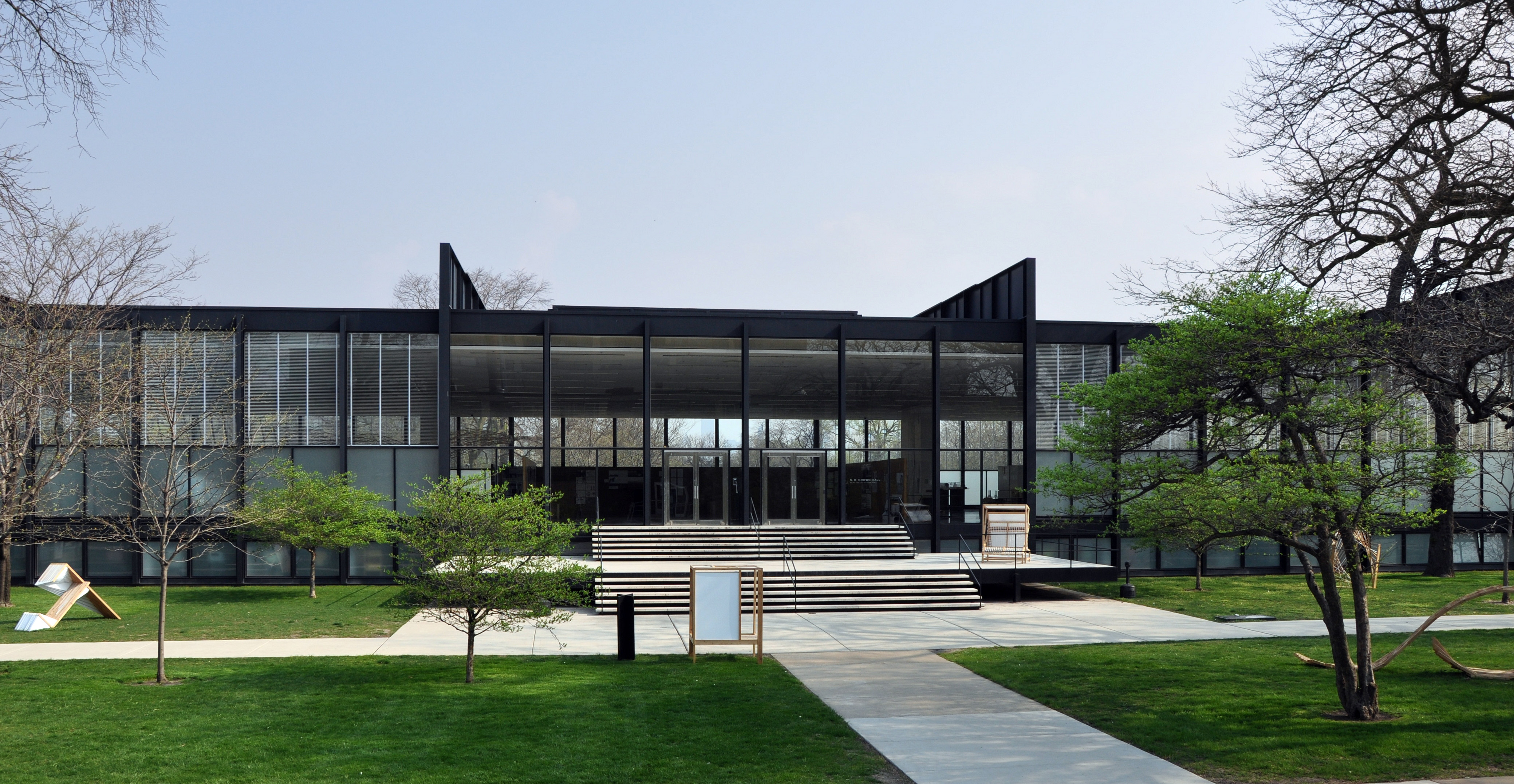
Athletes choose a small undergraduate community, technology-focused academics and competitive athletics within Chicago's urban setting.
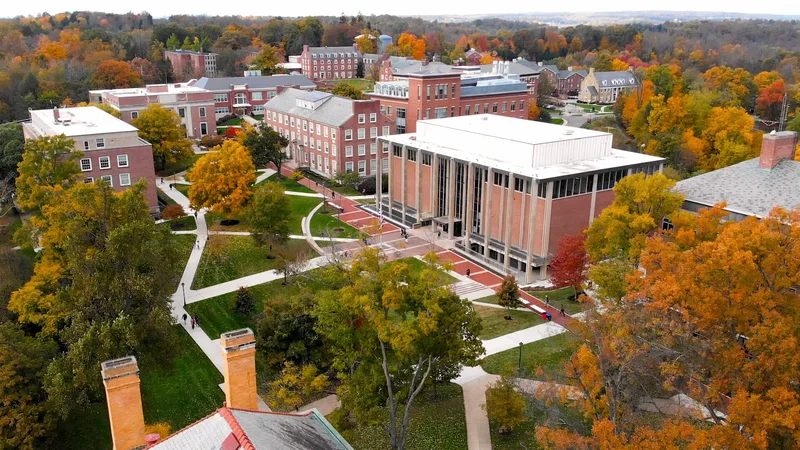
Residential campus life and hands-on learning give athletes ways to build connections and prepare for careers.
Close faculty relationships, globally focused academics and Twin Cities opportunities complement competitive Division III athletics here.
Close faculty relationships, challenging liberal arts coursework and Centennial Conference competition make this a distinctive recruiting option.
Close faculty relationships and a residential community appeal to athletes seeking challenging academics alongside conference competition.
Competitive athletics, undergraduate research and close faculty relationships give athletes meaningful opportunities beyond their sport.
Three ways to start
Pick the option that matches where you are, and we will show you the plan that fits.
Resources