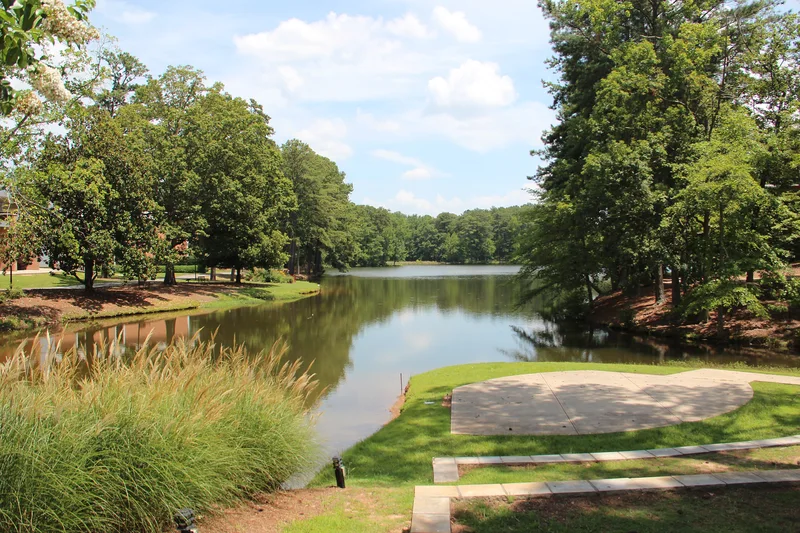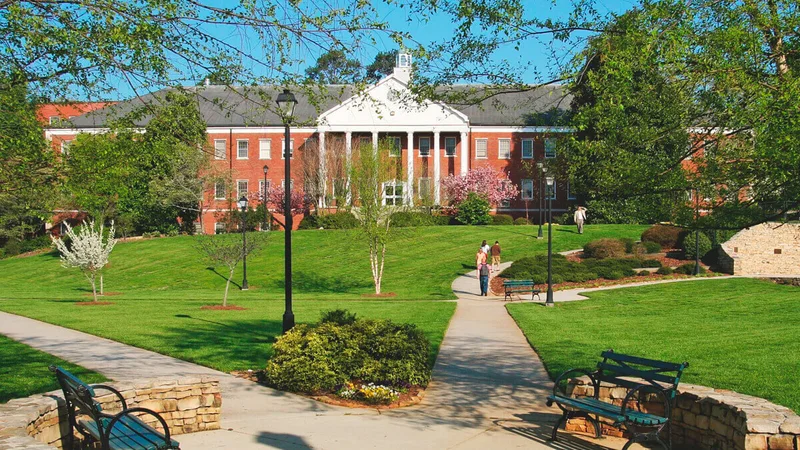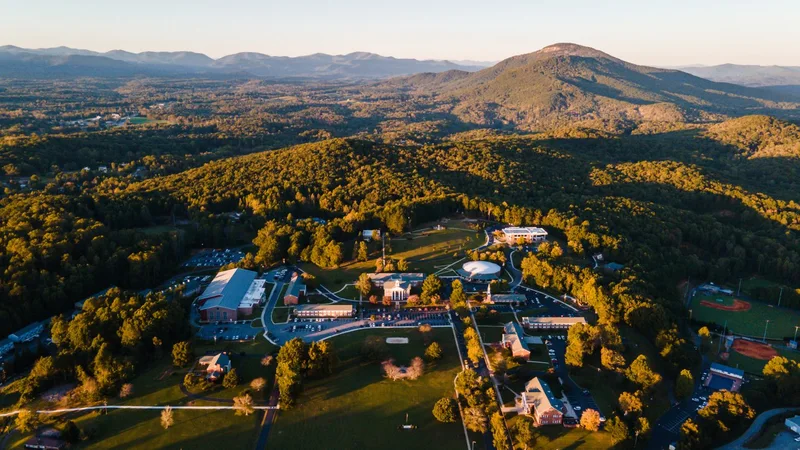

University of Georgia
Athens, GA
Strong academic options, SEC competition and Athens campus life give athletes compelling reasons to pursue a place here.
Browse programs
College directoryEvery program, filtered by what fits Sport directoryMen's and women's, every division State directoryPrograms in the states you would play inGo deeper
Major directoryYour major and your sport in one list Camp directoryID camps and showcases at college programs Conference directoryEvery conference and its member colleges
Georgia offers a wide mix of women’s soccer programs across NCAA and NAIA levels. Use this page to compare divisions, recruiting tradeoffs, and college-fit priorities in-state.
29 of 36 play in divisions that allow athletic scholarships
At a glance
36 women's soccer programs in Georgia. Tap a level to jump to its schools.
NAIA has the most options here, with 13 of 36 programs (36%).
NCAA Division I
Georgia’s Division I women’s soccer options are competitive and typically recruit athletes ready for a high training and travel commitment. If you are targeting D1, plan early around showcases, video, and proactive coach outreach.
Strongest programs first, by Pathley's program strength score.
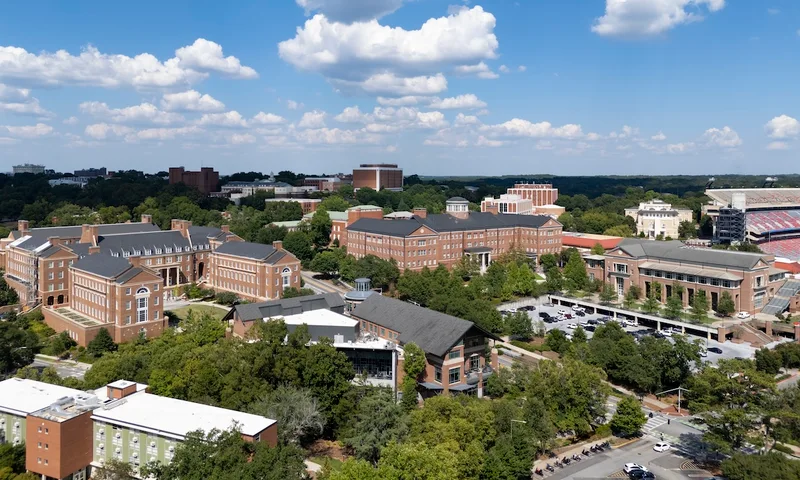
Athens, GA
Strong academic options, SEC competition and Athens campus life give athletes compelling reasons to pursue a place here.
Macon, GA
Athletes choose a personal academic environment alongside demanding competition and clear connections between coursework and careers.
Atlanta, GA
Sun Belt competition, career-focused academics and downtown Atlanta give athletes reasons to consider this urban university.
Statesboro, GA
Sun Belt competition, career-focused academics and affordable in-state tuition give athletes practical reasons to consider this campus.
Kennesaw, GA
Conference USA competition, career-focused coursework and access to Atlanta give athletes practical reasons to consider this university.
Carrollton, GA
Professional degree options, public university affordability and Division I competition give athletes practical reasons to consider this campus.
NCAA Division II
Division II is one of Georgia’s biggest strengths for women’s soccer, with many in-state programs and meaningful recruiting activity. It can be a strong lane if you want scholarship-eligible soccer with a slightly wider range of roster needs and fit profiles.
Strongest programs first, by Pathley's program strength score.
Columbus, GA
Peach Belt competition, career-focused academics and relatively affordable tuition make this an appealing option for recruits.
Dahlonega, GA
Affordable tuition, competitive athletics and a leadership-focused campus give recruits practical reasons to consider this university.
Milledgeville, GA
A residential liberal arts experience and Peach Belt competition appeal to athletes seeking academic and athletic balance.
Macon, GA
Specialized academics, accessible admissions and in-state value give athletes practical reasons to consider this developing athletic program.
Morrow, GA
Accessible admissions, practical majors and Atlanta proximity give athletes reasons to consider competing here.
Americus, GA
Athletes can pursue Peach Belt competition alongside career-focused academics, affordable public tuition and a quieter campus environment.
Valdosta, GA
Competitive athletics, professional programs and relatively affordable costs attract recruits who want a balanced college experience.
Young Harris, GA
Personal faculty attention, mountain surroundings and Division II competition appeal to athletes seeking a close-knit college.
Franklin Springs, GA
Competitive athletics, reachable faculty and a close-knit rural community give recruits several reasons to consider studying here.
Rome, GA
A faith-centered community and approachable faculty give athletes a personal setting for pursuing academics and competitive sports.
NCAA Division III
Georgia’s Division III women’s soccer programs provide a solid set of options focused on academics, campus fit, and the overall student-athlete experience. Since athletic scholarships are not offered in D3, recruiting conversations often center on admissions, academic merit, and finding the right roster role.
Strongest programs first, by Pathley's program strength score.
Atlanta, GA
Strong academics, established athletic success and Atlanta internship access appeal to recruits who want a demanding college experience.
Mount Berry, GA
Competitive athletics, hands-on work experience and a supportive campus community give recruits distinct reasons to consider Berry.
Atlanta, GA
A small campus, Atlanta career access and Division III competition give athletes room to build a well-rounded college experience.
Demorest, GA
A small campus, reachable faculty and accessible admissions appeal to athletes seeking a personal college experience.
Lookout Mountain, GA
Close faculty relationships and a residential mountain setting appeal to athletes seeking connection beyond their sport.
LaGrange, GA
Close faculty relationships and a residential community help athletes build a college experience beyond competition.
Decatur, GA
Athletes choose a close-knit women's college where conference competition complements leadership development and access to Atlanta.
NAIA
Georgia stands out for NAIA women’s soccer program availability, giving recruits additional scholarship-eligible pathways beyond the NCAA. NAIA timelines and roster building can move quickly, so early communication and clear fit targets matter.
Strongest programs first, by Pathley's program strength score.
Cleveland, GA
Athletes choose this close-knit mountain campus for its Christian environment, personal attention and Appalachian Athletic Conference competition.
Savannah, GA
Athletes can pursue competitive sports while building creative skills in an urban, industry-connected academic community.
Waleska, GA
Close faculty relationships, a residential community and athletic scholarship opportunities make balancing college and competition appealing here.
Gainesville, GA
Women’s athletics and career-focused programs appeal to recruits who want a small community with accessible faculty.
Marietta, GA
Health-centered academics, competitive athletics and a small campus appeal to recruits who want a focused college environment.
Thomasville, GA
Personal faculty access, NAIA competition and flexible study options give athletes several practical reasons to consider studying here.
Mount Vernon, GA
A Baptist community, approachable faculty and NAIA competition appeal to athletes seeking a small, supportive college.
Dalton, GA
Affordable study and career-focused programs give athletes practical reasons to pursue NAIA competition here.
West Point, GA
A small campus community and personal faculty access help athletes connect their college experience with their goals.
Lawrenceville, GA
Accessible admissions, competitive NAIA programs and in-state tuition value give athletes practical reasons to consider this campus.
Tifton, GA
Athletes can pair NAIA competition with hands-on learning, accessible admissions and an affordable rural college experience.
Cuthbert, GA
A new NAIA program, a very small campus and close contact with coaches and faculty draw athletes to Andrew College.
Macon, GA
Close faculty relationships, a women's-college community and financial aid options give athletes practical reasons to consider Wesleyan.
Free school matcher
Pick your position and level, and we score every women's soccer program on roster openings at your position, athletic level and academics.
Conferences
Every women's soccer conference with at least one program in Georgia, across every division.
Scorecard
These scores summarize how Georgia compares for women’s soccer recruiting based on in-state program availability, division access, scholarship-eligible options, and general college-fit signals.
Overall opportunity score
StrongGeorgia is a strong state for women’s soccer recruits, driven by broad division coverage and a high number of scholarship-eligible options.
Georgia offers an in-state selection of women’s soccer programs that is close to a typical state for this sport, providing multiple recruiting directions without being the deepest overall.
With D1, D2, D3, and NAIA all represented, Georgia gives women’s soccer recruits standout access to multiple college soccer levels in one state.
Georgia stands out for scholarship-eligible women’s soccer options, with many opportunities concentrated in D2 and NAIA alongside D1 programs.
Georgia’s women’s soccer schools tend to be more affordable than the typical state for this sport and generally accessible by admissions, with a school-size mix that leans slightly larger.
Recruiting snapshot
Who it suits, what the landscape looks like, where the money is and what gives this state an edge.
Recruits who want multiple in-state division options, especially those prioritizing D2 or NAIA scholarship-eligible pathways.
The in-state landscape is busy and varied, with plenty of programs across levels, so targeting schools by playing style, roster needs, and academics can sharpen your outreach.
Most athletic scholarship opportunities are tied to NCAA D1, NCAA D2, and NAIA women’s soccer programs, while NCAA D3 is typically more academic and fit-driven without athletic scholarships.
Georgia’s large footprint and strong club-soccer presence can support frequent regional competition and evaluation opportunities, helping families build efficient visit and communication plans.
Key metrics
How women's soccer programs in Georgia compare with the average state on program count, tuition, enrollment and admissions.
Three ways to start
Pick the option that matches where you are, and we will show you the plan that fits.
News
Resources
National rankings
Sport hub
The Women's Soccer hub brings every division together: how D1, D2, D3 and NAIA compare, the strongest programs in each state, camps, and the recruiting guides for each level.