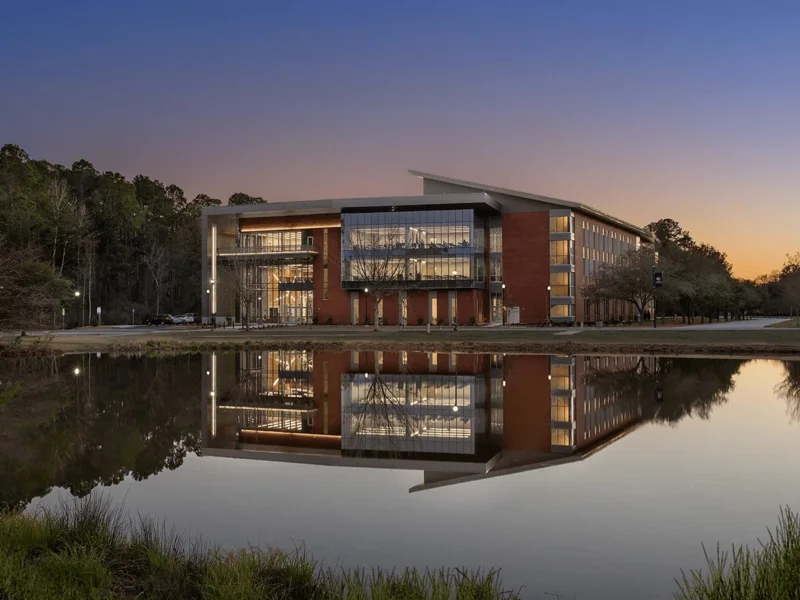

Sun Belt competition, career-focused academics and affordable in-state tuition give athletes practical reasons to consider this campus.
- 27,423
- Students
- 88%
- Admit rate
- $15,267
- Net price
Browse programs
College directoryEvery program, filtered by what fits Sport directoryMen's and women's, every division State directoryPrograms in the states you would play inGo deeper
Major directoryYour major and your sport in one list Camp directoryID camps and showcases at college programs Conference directoryEvery conference and its member colleges

Atlanta, GeorgiaSun Belt Conference
Overview
Mission and culture
Georgia State University is a large public research university in downtown Atlanta, with a diverse student body and NCAA Division I athletics in the Sun Belt Conference. Its urban setting connects broad academic options, especially in business and health fields, with nearby employers and internship opportunities.
Why athletes choose Georgia State University
Sun Belt competition, career-focused academics and downtown Atlanta give athletes reasons to consider this urban university.
Fit check
Pick a sport, your position and level, add a test score if you have one, and get an instant read on your chances here. Free, and no account needed.
Academics
Georgia State University combines a broad research university curriculum with strengths in business, public affairs and health, making academic fit and career planning important parts of your recruiting decision.
Academic strength
A composite of graduation rate, earnings after college, how selective admissions are and how hard the coursework is.
Acceptance rate
More selectiveMore accessible
Admissions are moderately selective, so recruits should bring solid classroom preparation alongside their athletic credentials and college goals.
Six-year graduation rate
0%100%
Finishing your degree is a reasonable goal, but steady academic focus and use of support matter.
Academic difficulty
Rated 3 out of 5
Coursework presents a balanced challenge, making consistent study habits important alongside athletic commitments.
Student to faculty ratio
students for every faculty member
Expect a larger, less individualized learning environment where building relationships with faculty takes initiative.
Median earnings
per year, ten years after starting college
Six years after: $37,844Graduate earnings are moderate, so compare costs carefully and connect your major with a clear career plan.
Undergraduate enrollment
undergraduate students
The large undergraduate community offers variety, while finding connections through your team and student organizations can make daily life more personal.
SAT and ACT scores
Required entrance exams make test preparation part of your application plan, while the score profile leaves room for recruits with varied academic backgrounds.
Most popular majors
Admissions
Prepare your application to Georgia State University by reviewing deadlines by plan, test policy, application fees and recommendation requirements alongside your recruiting conversations.
Not binding. Hear back early and decide by May 1.
The standard deadline. Not binding.
Majors
50 undergraduate majors across 6 academic areas.
No major matches that search.
Campus life
Daily life unfolds in downtown Atlanta, where a large, diverse student community and active organizations connect with the city's cultural and professional scene.
Athletics
The Panthers compete in NCAA Division I within the Sun Belt Conference, giving recruits a competitive setting across programs such as football, basketball and soccer.
Athletic department
Explore how Georgia State University supports its Division I athletic department through program spending, recruiting investment and athletic aid, including how resources are distributed between men's and women's programs.
Athletes
Athletic aid
Recruiting spend
Source: the federal Equity in Athletics report, 2025.
Cost
At Georgia State University, in-state tuition offers a cost advantage, while grants and need-based or merit-based aid help shape what your family ultimately pays.
Average net price
What families pay on average after grants and scholarships, including tuition, housing and fees.
Published tuition
The sticker price a year, before any aid.
Financial aid
Need-based and merit-based aid availableAthletic scholarships, where a program offers them, are awarded by the coaching staff and come on top of these figures.
NIL
NIL rating
Georgia State University in Atlanta, Georgia offers a strong name image and likeness (NIL) environment, combining NCAA Division I athletics with a large urban campus. Student-athletes benefit from the visibility of major college sports in a major media market and access to diverse promotional opportunities.
See the full NIL breakdownStudent fit
The kind of student-athlete who tends to do well at Georgia State University.
Georgia State University fits athletes seeking NCAA Division I competition in the Sun Belt Conference and a college experience rooted in a major city. It suits recruits with solid academic preparation who want a balanced classroom challenge and options in fields such as business, technology or health. You should be comfortable taking initiative with faculty, staying organized around athletic commitments and finding community within a large, diverse student body. Families who value Atlanta's employer and internship access may find the setting appealing, while athletes wanting a quieter campus or more individualized classroom attention may prefer another environment.
Who thrives here
Urban Self StartersCareer Focused AthletesDiversity SeekersProactive Network BuildersIndependent PlannersQuestions
It is known for strong programs in business, public policy, education, health professions, computer science, and the arts, as well as for its urban research focus and student success initiatives that support a diverse, first-generation student population.
Admission is considered moderately selective. Applicants with solid grades, a strong high school curriculum, and competitive test scores or alternative application materials generally have a good chance of admission, especially if they apply on time and submit a complete application.
A strong high school GPA, particularly in core academic subjects, is important for admission. Successful applicants typically have above-average grades, but the university reviews applications holistically, considering coursework rigor, test scores if submitted, essays, and other achievements.
Campus life is urban and vibrant, with students integrated into the heart of downtown Atlanta. There are many student organizations, cultural events, service opportunities, and access to city-based internships, along with residence halls, dining options, and recreation facilities on and near campus.
Students benefit from extensive internship and career opportunities due to the campus being located in a major business and cultural center. Many programs incorporate experiential learning, and the university’s career services help connect students with employers, networking events, and job placements.
It is widely regarded as a strong choice for business majors, with a well-established business college, a range of undergraduate and graduate business programs, and close connections to corporations, nonprofits, and startups in the Atlanta area that provide real-world learning and career pathways.
The student body is highly diverse in terms of race, ethnicity, age, and background. The university is often recognized for serving a large number of first-generation and underrepresented students and offers extensive support services and cultural organizations to foster an inclusive campus environment.
It offers a variety of online, hybrid, and flexible learning options, especially in business, education, and health-related fields. Many programs allow students to balance coursework with work or family responsibilities through evening, weekend, and distance-learning classes.
Its varsity teams compete in NCAA Division I athletics, primarily in the Sun Belt Conference, facing other top programs in sports such as football, basketball, baseball, softball, soccer, and more.
Athletic facilities include a football stadium adapted from a former professional venue, basketball and volleyball arenas, baseball and softball fields, soccer fields, and training and practice complexes that support Division I athletes with strength, conditioning, and sports medicine resources.
It is very commuter-friendly, with many students living off campus and using public transit, campus shuttles, and parking facilities. The university schedules classes throughout the day, offers commuter lounges and study spaces, and provides services tailored to students who live off campus.
The campus has its own police department, security measures, emergency alert systems, and safety programs such as escort services and awareness training. Students are encouraged to use campus transportation options, stay aware of their surroundings, and follow standard safety practices common to urban campuses.
Compare
Other colleges worth comparing with Georgia State University.
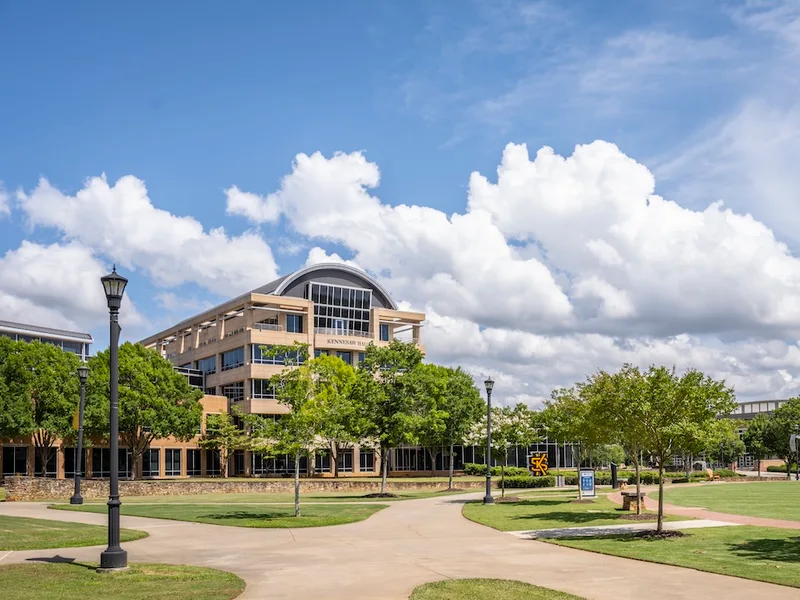
Sun Belt competition, career-focused academics and affordable in-state tuition give athletes practical reasons to consider this campus.
Conference USA competition, career-focused coursework and access to Atlanta give athletes practical reasons to consider this university.
Competitive athletics, professional programs and relatively affordable tuition give recruits practical reasons to consider an urban college experience.
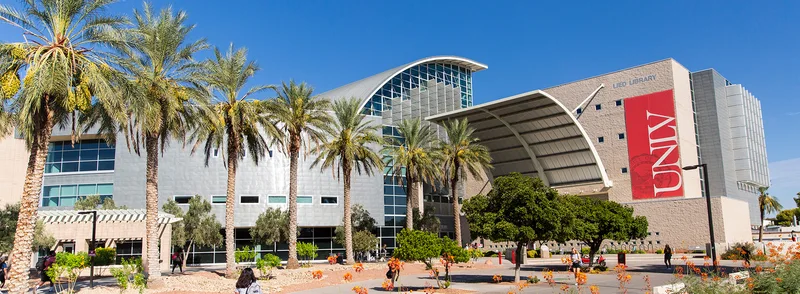
Hospitality strengths, Las Vegas internship access and Mountain West competition give athletes practical reasons to consider this campus.
Research opportunities, urban internships and Horizon League competition give athletes several reasons to consider studying here.
Accessible admissions, technology-focused academics and urban opportunities make this a practical option for athletes pursuing competitive college sports.
Sun Belt competition, career-focused academics and relatively affordable tuition make this a practical option for athletes.
Greensboro, NC
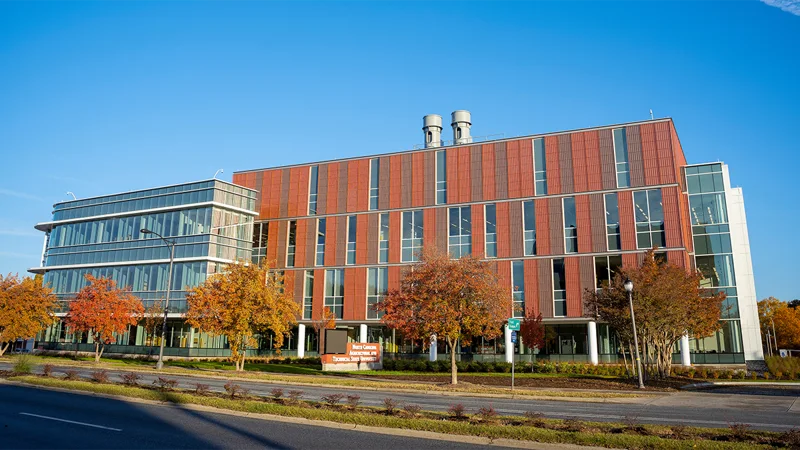
Why it is similar: Similar academics.Engineering strengths, Division I competition and vibrant HBCU campus life give athletes distinct reasons to consider this university.
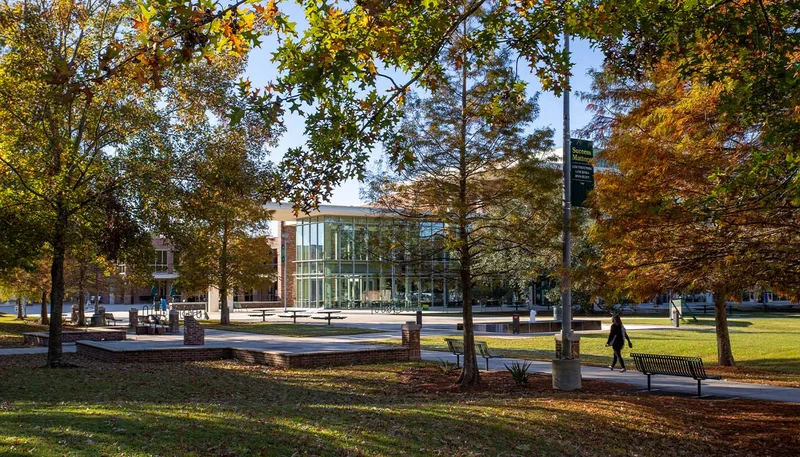
Southland Conference competition, career-oriented study and relatively affordable tuition give athletes practical reasons to consider this Hammond campus.
Division I competition, career-focused academics and Central Texas connections give athletes several reasons to consider this campus.
Research opportunities, Division I competition and Honolulu's cultural setting give athletes distinct reasons to pursue a place here.
Athletes come for Mountain West competition, research opportunities, accessible admissions and a culturally diverse campus.
Three ways to start
Pick the option that matches where you are, and we will show you the plan that fits.
Resources