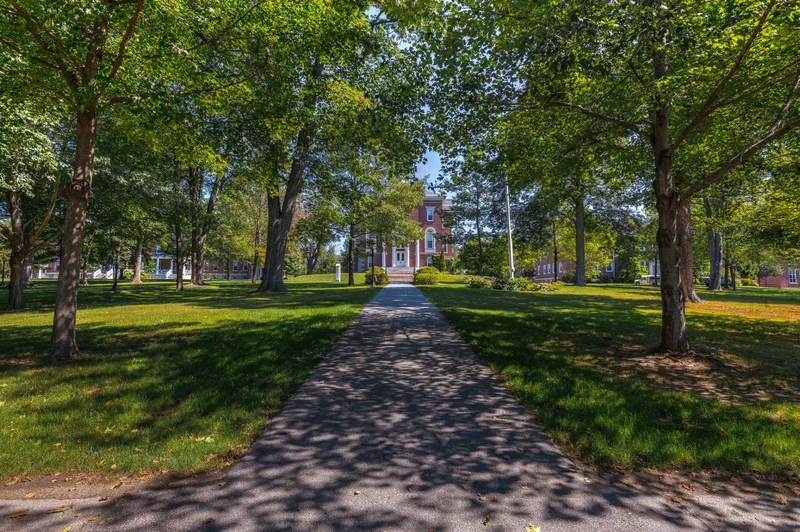

University of Maine
Orono, ME
Division I competition, research opportunities and a residential campus attract athletes seeking a traditional college experience.
Browse programs
College directoryEvery program, filtered by what fits Sport directoryMen's and women's, every division State directoryPrograms in the states you would play inGo deeper
Major directoryYour major and your sport in one list Camp directoryID camps and showcases at college programs Conference directoryEvery conference and its member colleges
Maine offers a D3-heavy women’s cross country landscape with a smaller set of in-state options overall. Use this page to compare divisions, recruiting targets, and college-fit priorities.
1 of 12 play in divisions that allow athletic scholarships
At a glance
12 women's cross country programs in Maine. Tap a level to jump to its schools.
Division III has the most options here, with 11 of 12 programs (92%).
NCAA Division I
Division I is a limited path in Maine for women’s cross country, so roster competition can be tight and standards can be more consistent. If you want multiple D1 options, consider adding nearby states to your search.
Strongest programs first, by Pathley's program strength score.
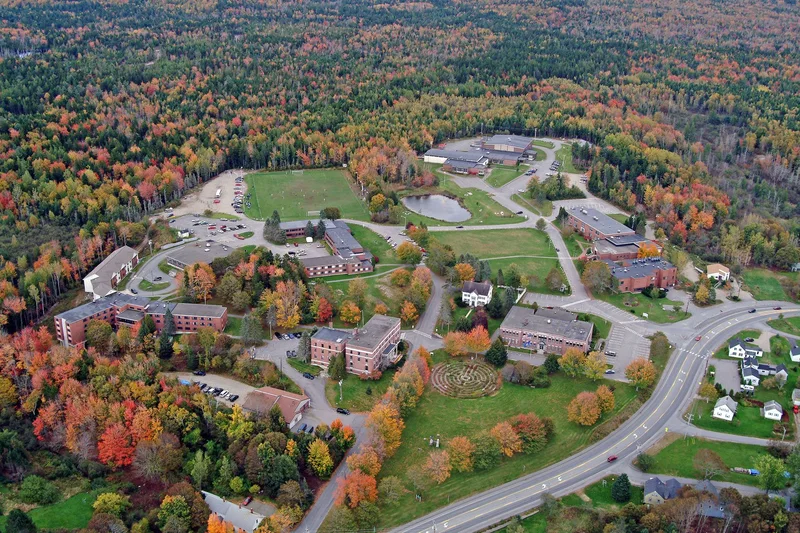
Orono, ME
Division I competition, research opportunities and a residential campus attract athletes seeking a traditional college experience.
NCAA Division III
Maine’s strongest in-state footprint for women’s cross country is NCAA Division III, giving recruits more ways to match coaching style, campus life, and academics. D3 recruiting is often relationship-driven and can move quickly once you engage with coaches.
Strongest programs first, by Pathley's program strength score.
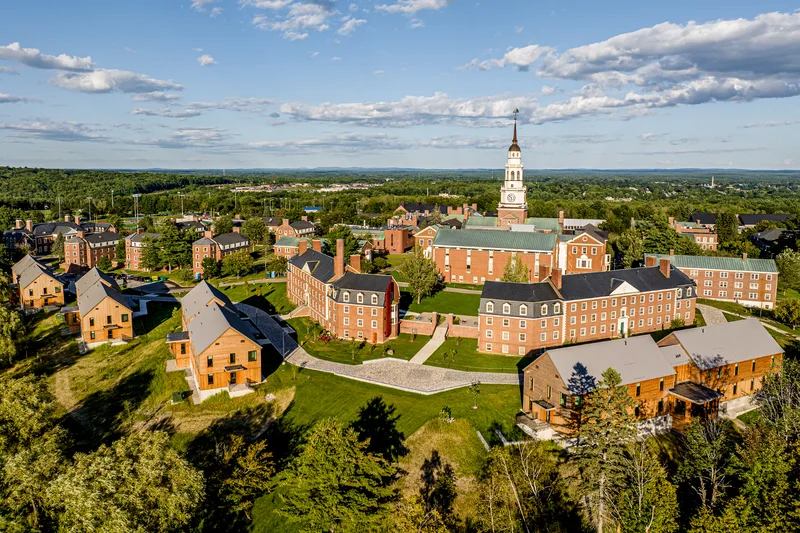
Lewiston, ME
Close faculty connections and a collaborative campus culture complement demanding academics and competitive NESCAC athletics.
Brunswick, ME
Rigorous academics, close mentoring and competitive NESCAC athletics appeal to recruits seeking a connected campus community.
Waterville, ME
Competitive NESCAC athletics, close mentoring and funded learning opportunities appeal to athletes who prioritize academic engagement.
Portland, ME
Accessible faculty, applied learning and Portland career connections complement competitive athletics in the Little East Conference.
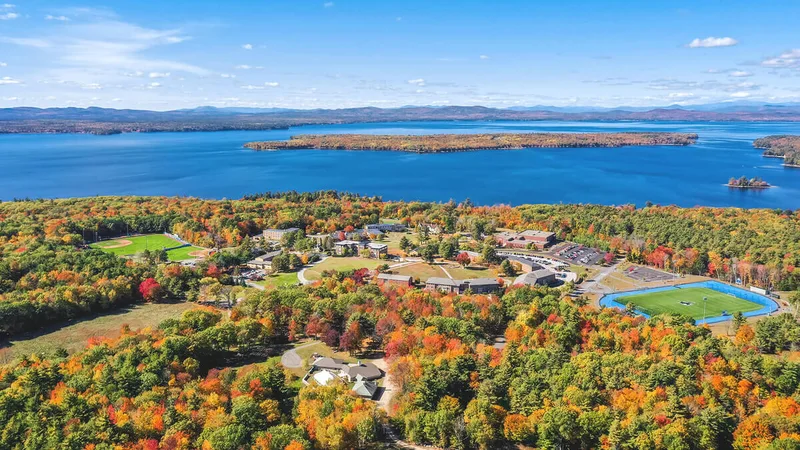
Standish, ME
Lakeside living, career-focused academics and GNAC competition give athletes distinct reasons to consider this small college.
Bangor, ME
Career-focused programs, approachable faculty and conference competition appeal to athletes who want a close-knit college experience.
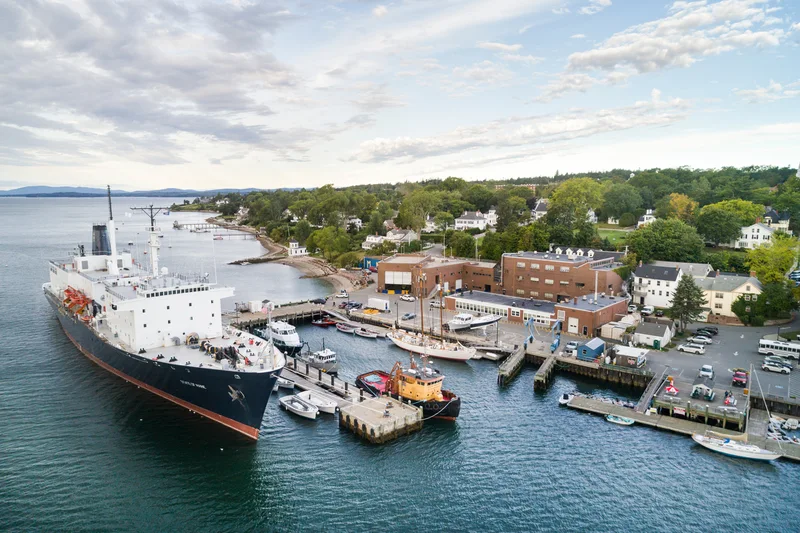
Castine, ME
Career-focused maritime training, close faculty access and Division III competition give athletes a distinctive college experience.
Waterville, ME
A close-knit campus and career-focused academics appeal to athletes who want their education connected to life after sports.
Farmington, ME
Accessible faculty, liberal arts study and a close-knit rural campus give athletes room to develop beyond competition.
Presque Isle, ME
Accessible admissions, affordable costs and a quiet campus give athletes practical reasons to consider competing here.
Biddeford, ME
Health-focused academics, coastal Maine surroundings and accessible admissions give athletes several practical reasons to consider competing here.
Free school matcher
Pick your position and level, and we score every women's cross country program on roster openings at your position, athletic level and academics.
Conferences
Every women's cross country conference with at least one program in Maine, across every division.
Scorecard
These scores summarize in-state program availability, division coverage, scholarship pathways, and overall college-fit utility for women’s cross country recruits considering Maine.
Overall opportunity score
EmergingMaine is an emerging opportunity overall, led by Division III options but with limited scholarship-eligible in-state programs for women’s cross country.
Program depth is emerging because the state has fewer women’s cross country teams than a typical state, even though there is a meaningful D3 presence.
Division access is emerging since Maine is largely concentrated in D3 with only a small D1 footprint and no D2 or NAIA options listed.
Scholarship opportunity is limited because in-state women’s cross country options that can offer athletic aid are rare compared with most states.
Academic fit is average overall, with schools that skew smaller than typical and admissions that can be somewhat selective, but with a narrower set of programs to compare in-state.
Recruiting snapshot
Who it suits, what the landscape looks like, where the money is and what gives this state an edge.
Recruits who want a D3-focused college search in Maine and prefer smaller-campus team environments with strong coach and roster fit.
The in-state landscape is smaller than most states for women’s cross country, with most options concentrated in Division III and fewer alternatives across other levels.
Most athletic scholarship pathways are tied to D1, D2, and NAIA programs, while D3 cross country is typically more academic and fit-driven with need-based and merit aid playing a larger role.
Maine can be a practical regional recruiting base in the Northeast, with close-knit college communities and travel that often stays within nearby New England recruiting corridors.
Key metrics
How women's cross country programs in Maine compare with the average state on program count, tuition, enrollment and admissions.
Three ways to start
Pick the option that matches where you are, and we will show you the plan that fits.
News
Resources
National rankings
Sport hub
The Women's Cross Country hub brings every division together: how D1, D2, D3 and NAIA compare, the strongest programs in each state, camps, and the recruiting guides for each level.