Bernard M. Baruch College
New York · New York · Urban
Business-focused academics, Manhattan opportunities and affordable costs give athletes practical reasons to pursue a place here.
- Net price after aid
- $3,033
- Total cost
- $14,170
Browse programs
College directoryEvery program, filtered by what fits Sport directoryMen's and women's, every division State directoryPrograms in the states you would play inGo deeper
Major directoryYour major and your sport in one list Camp directoryID camps and showcases at college programs Conference directoryEvery conference and its member collegesExplore the most affordable NCAA Division III men’s swimming programs, ranked for lower cost and overall value. This list helps prospective student-athletes compare colleges where they can pursue competitive swimming while keeping tuition and expenses manageable.
Top of the list
25 programs ranked by Most Affordable
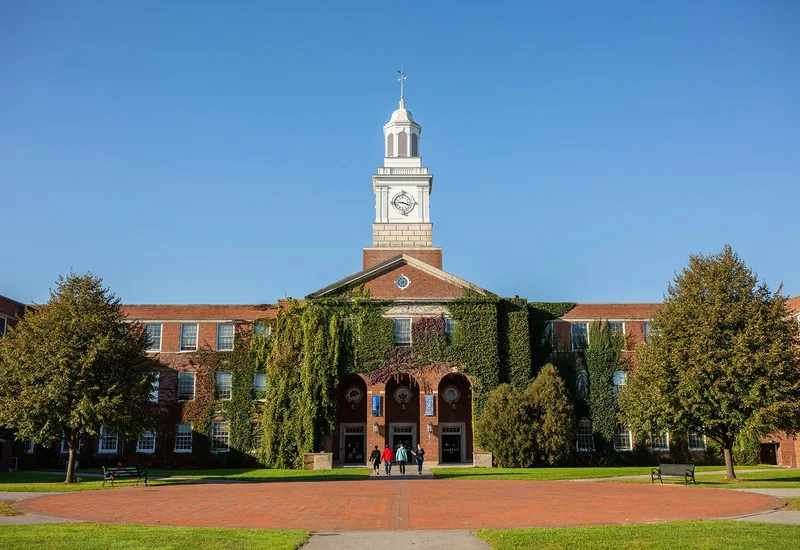
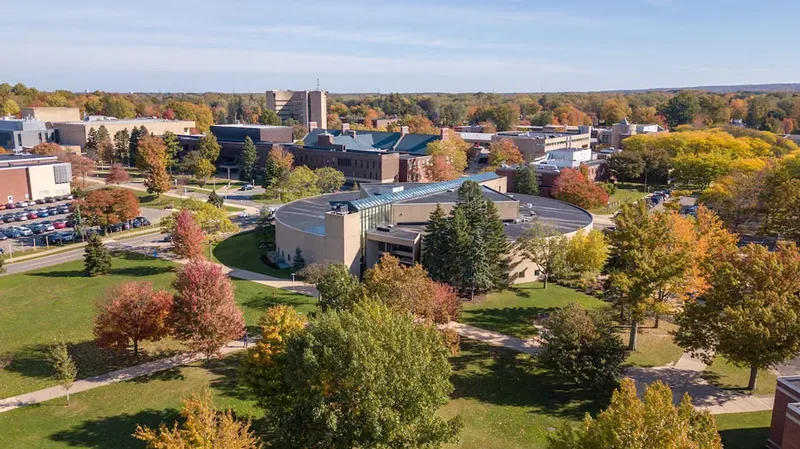
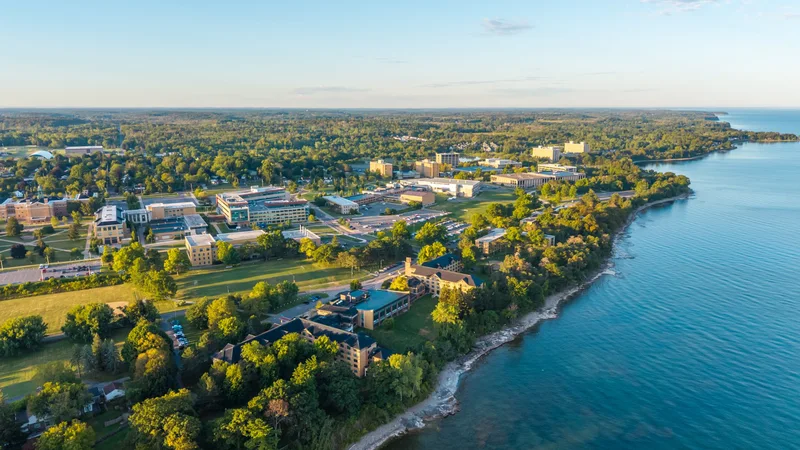
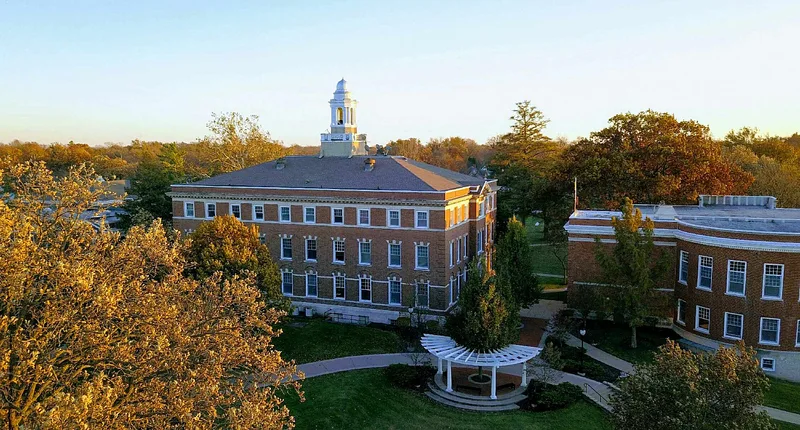
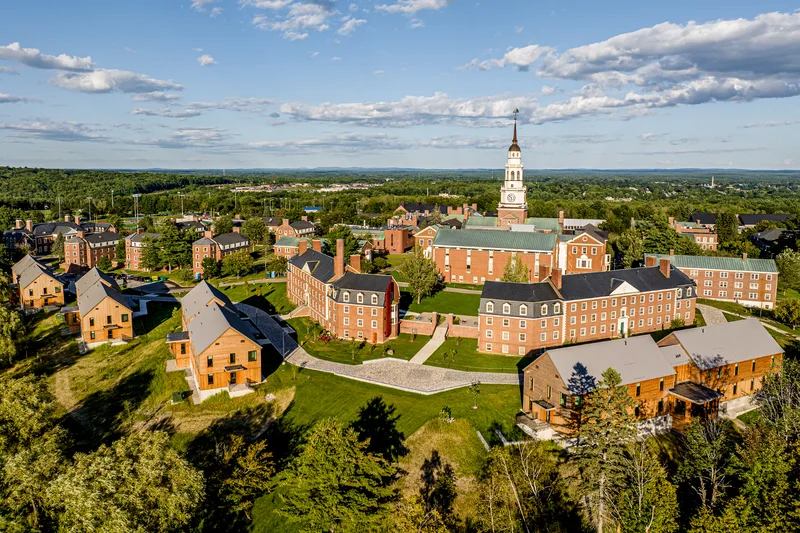
 Bernard M. Baruch CollegeNew York, New York$3,033Net price2

 Brooklyn CollegeBrooklyn, New York$3,103Net price3
 Lehman CollegeBronx, New York$3,148Net price
By the numbers
Every figure below is worked out from the 25 schools on this list.
The ranking
The list below spotlights NCAA Division III Men's Swimming programs that deliver competitive training without overwhelming family budgets. You will see schools where typical net cost, financial aid, and long-term value stand out for cost-conscious recruits building a realistic college list.
Ranked by net price, what families pay on average after grants and scholarships, lowest first.
New York · New York · Urban
Business-focused academics, Manhattan opportunities and affordable costs give athletes practical reasons to pursue a place here.
Brooklyn · New York · Urban
Affordable study, broad academic choices and city career access give athletes practical reasons to pursue this campus.
Bronx · New York · Urban
Affordable study, career-focused academics and CUNYAC competition give athletes practical reasons to pursue a place here.
Jamaica · New York · Urban
Career-focused majors, affordable tuition and city access give athletes practical reasons to pursue a place here.

Kings Point · New York · Suburban
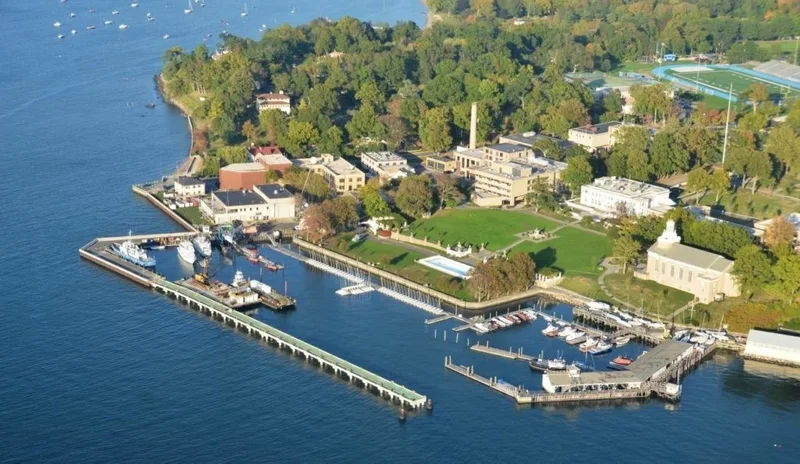
Maritime career preparation, close faculty access and competitive athletics appeal to recruits who welcome a structured academy lifestyle.

Morris · Minnesota · Rural
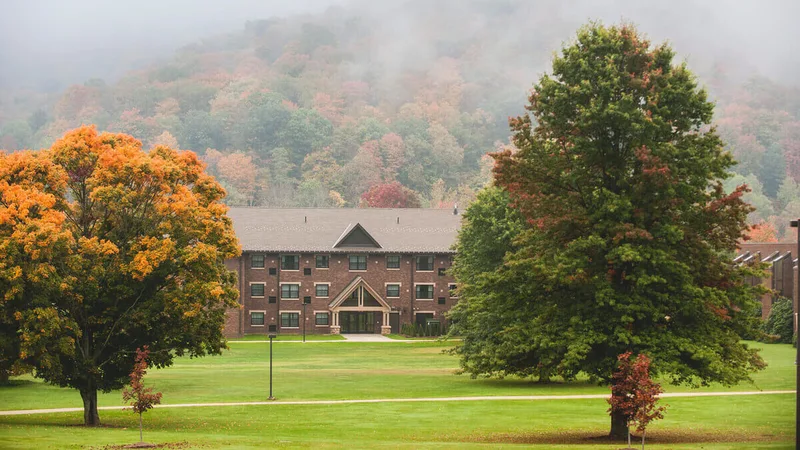
Athletes choose Morris for close faculty access, liberal arts study, accessible admissions and Division III competition.

Potsdam · New York · Rural
Close faculty relationships, a creative campus culture and SUNYAC competition give athletes distinct reasons to consider Potsdam.

Whitewater · Wisconsin · Rural
Championship athletics, career-focused academics and affordable tuition give recruits compelling reasons to consider this campus.

Oshkosh · Wisconsin · Urban
Competitive WIAC athletics and career-focused programs appeal to athletes who want their sport and education to matter.

Brunswick · Maine · Suburban
Rigorous academics, close mentoring and competitive NESCAC athletics appeal to recruits seeking a connected campus community.

Chicago · Illinois · Urban
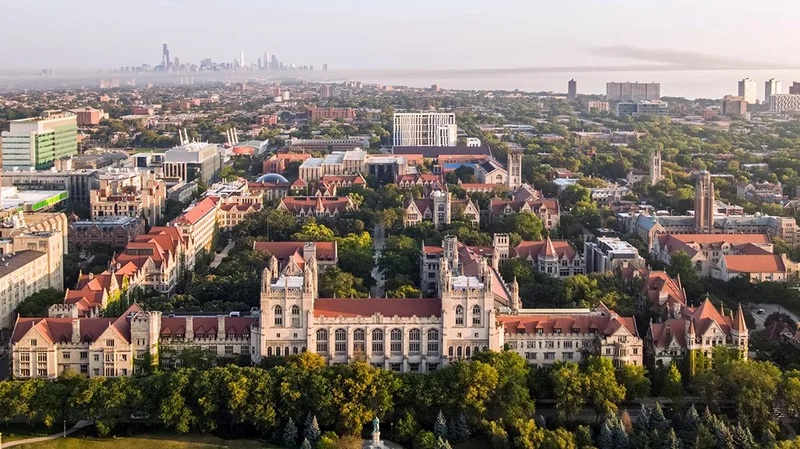
Rigorous academics, competitive athletics and Chicago access appeal to recruits who want intellectual challenge alongside sport.

Waukesha · Wisconsin · Suburban
Personalized instruction, health sciences strengths and a suburban location give athletes practical reasons to consider Carroll.

Bradford · Pennsylvania · Rural
A small campus, approachable faculty and competitive athletics appeal to recruits who want a close-knit college experience.

Montclair · New Jersey · Suburban
Accessible admissions, public tuition and nearby career opportunities make this a practical option for college athletes.

Washington · District of Columbia · Urban
An accessible bilingual environment helps athletes pursue competitive sports while building connections within a close-knit Deaf community.

Fredonia · New York · Rural
A close-knit campus, approachable faculty and SUNYAC competition give athletes room to pursue interests beyond their sport.

Lynchburg · Virginia · Suburban
Close faculty relationships and a residential community give athletes a personal setting for academics and conference competition.

Pasadena · California · Suburban
Close faculty relationships, intensive research and Division III competition appeal to athletes with serious scientific interests.

La Crosse · Wisconsin · Urban
Health-focused academics, established athletic traditions and a residential riverfront setting give recruits distinct reasons to consider enrolling.

Oswego · New York · Rural
Lakeside campus life, accredited academic options and public tuition appeal to athletes pursuing Division III competition.

Brockport · New York · Suburban
Accessible admissions, career-focused majors and a welcoming campus give athletes practical reasons to consider competing here.

Bridgewater · Massachusetts · Suburban
Accessible admissions, career-focused programs and public tuition give athletes practical reasons to consider competing here.

Eau Claire · Wisconsin · Small city
Competitive athletics, undergraduate research and a riverside campus give recruits reasons to look beyond their sport.

Monmouth · Illinois · Rural
Close faculty relationships and a residential community help athletes connect their sport with a broader college experience.

Waterville · Maine · Rural
Competitive NESCAC athletics, close mentoring and funded learning opportunities appeal to athletes who prioritize academic engagement.
No school on this list is in that state.
Three ways to start
Pick the option that matches where you are, and we will show you the plan that fits.
Questions
25 programs are ranked here, from 11 states. Bernard M. Baruch College is ranked first.
New York (9), Wisconsin (5), Maine (2).
The average acceptance rate across the list is 63%. Admission for recruited athletes still depends on the coach's support and on meeting each school's academic standards.
The average net price, which is what families pay after grants and scholarships, is $13,040 a year. Athletic aid varies by program and division, so ask each coach what is available.
Resources
More rankings
Programs and roster openings
Sport hub
The Men's Swimming hub brings every division together: how D1, D2, D3 and NAIA compare, the strongest programs in each state, camps, and the recruiting guides for each level.