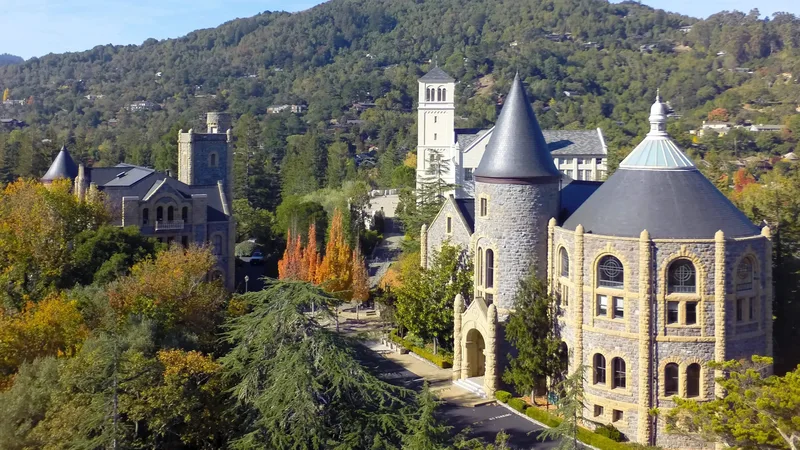
Rigorous academics, close mentoring and competitive NESCAC athletics appeal to recruits seeking a connected campus community.
- 1,881
- Students
- 7%
- Admit rate
- $14,398
- Net price
Browse programs
College directoryEvery program, filtered by what fits Sport directoryMen's and women's, every division State directoryPrograms in the states you would play inGo deeper
Major directoryYour major and your sport in one list Camp directoryID camps and showcases at college programs Conference directoryEvery conference and its member colleges

Pasadena, CaliforniaSouthern California Intercollegiate Athletic Conference
Overview
Mission and culture
California Institute of Technology is a small, research-focused university in Pasadena, California, where science and engineering shape the undergraduate experience. Its NCAA Division III athletics offer a competitive outlet for students who want intensive coursework, close faculty collaboration and substantial research opportunities alongside their commitment to sport.
Why athletes choose California Institute of Technology
Close faculty relationships, intensive research and Division III competition appeal to athletes with serious scientific interests.
Fit check
Pick a sport, your position and level, add a test score if you have one, and get an instant read on your chances here. Free, and no account needed.
Academics
California Institute of Technology combines intensive science and engineering study with undergraduate research, making academic preparation, faculty access and long-term career goals central to evaluating your fit as an athlete.
Academic strength
A composite of graduation rate, earnings after college, how selective admissions are and how hard the coursework is.
Acceptance rate
More selectiveMore accessible
Admissions are highly selective, so recruits need standout academic preparation and accomplishments beyond their contributions to a sport.
Six-year graduation rate
0%100%
Graduation outcomes suggest an excellent chance of finishing on time while maintaining your academic and athletic commitments.
Academic difficulty
Rated 5 out of 5
Coursework is very demanding and time intensive, making careful planning around athletics essential.
Student to faculty ratio
students for every faculty member
Close faculty access creates opportunities for personal mentoring, especially as you develop research interests alongside athletics.
Median earnings
per year, ten years after starting college
Six years after: $132,140Strong graduate earnings support the long-term value of a degree, alongside careful consideration of your financial aid.
Undergraduate enrollment
undergraduate students
The small undergraduate community offers a close-knit daily experience, with student houses and shared scientific interests shaping campus connections.
SAT and ACT scores
Required testing and exceptionally strong score profiles mean recruits should prepare thoroughly, with academic readiness remaining central to their application.
Most popular majors
Admissions
Prepare your application to California Institute of Technology by reviewing deadlines by plan, test policy, application fees and recommendation requirements alongside your recruiting conversations.
Not binding, but limits other early applications.
The standard deadline. Not binding.
Majors
16 undergraduate majors across 3 academic areas.
No major matches that search.
Campus life
A small suburban campus centers on research and close-knit student houses, with Pasadena and greater Los Angeles offering arts, dining and outdoor options.
Athletics
Competing in NCAA Division III within the Southern California Intercollegiate Athletic Conference, the program emphasizes scholar-athletes balancing competitive sport with an intensive academic environment.
Athletic department
Explore how California Institute of Technology supports its Division III scholar-athletes through department spending and recruiting investment, with athlete participation and gender breakdowns providing context for athletic aid.
Athletes
Recruiting spend
Source: the federal Equity in Athletics report, 2025.
Cost
At California Institute of Technology, need-based grants can substantially change the published cost, so compare your family's aid offer with the full attendance budget before deciding.
Average net price
What families pay on average after grants and scholarships, including tuition, housing and fees.
Published tuition
The sticker price a year, before any aid.
Financial aid
Need-based aid availableAthletic scholarships, where a program offers them, are awarded by the coaching staff and come on top of these figures.
NIL
NIL rating
The name, image and likeness (NIL) environment at California Institute of Technology in Pasadena, California reflects its small, highly academic NCAA Division III profile. Student-athletes in Caltech college sports can find selective but meaningful NIL opportunities that align with their strong academic reputation and niche athletic presence.
See the full NIL breakdownStudent fit
The kind of student-athlete who tends to do well at California Institute of Technology.
California Institute of Technology best suits athletes who want NCAA Division III competition without stepping away from exceptionally demanding science and engineering study. You should bring standout academic preparation, genuine curiosity about research and the discipline to manage intensive coursework alongside practices and competition. The small campus, close faculty relationships and student house community favor someone who values personal connections and a shared technical focus, while Pasadena offers access to a broader urban area. Athletes seeking a less demanding academic experience or relying on an athletic scholarship would find this a less suitable match.
Who thrives here
Research First MindsetSTEM Problem SolversSelf Managed LearnersIntrinsically MotivatedGraduate School OrientedQuestions
It is best known for its rigorous programs in science, engineering, and mathematics, along with groundbreaking research in fields such as physics, astronomy, chemistry, computer science, and applied sciences. The institute emphasizes close collaboration with faculty, hands-on research, and a strong foundation in analytical and quantitative thinking.
Admission is highly selective and competitive. Successful applicants typically have exceptional academic records, strong preparation in advanced math and science, high standardized test performance when submitted, and evidence of deep intellectual curiosity and engagement in research or STEM-related activities.
The institute looks for students who are exceptionally strong in math and science, demonstrate creativity and problem-solving skills, show sustained passion for inquiry and research, and thrive in a collaborative, intensely academic environment. Personal integrity, initiative, and the ability to contribute to a close-knit community are also important.
Student life centers around a small, tight-knit residential community with a unique house system, strong traditions, and close relationships between students and faculty. Campus culture blends serious academic focus with collaborative problem-solving, research involvement, and a variety of clubs, performing arts, and recreational activities.
Undergraduate research is a core part of the experience. Students have extensive access to faculty-led projects, state-of-the-art labs, and major research facilities, often starting as early as their first year. Many participate in formal research programs over the summer and throughout the academic year.
The campus is located in Pasadena, California, a city in the greater Los Angeles area. The surroundings offer a mix of quiet residential neighborhoods, cultural institutions, restaurants, and access to outdoor activities, with nearby mountains, beaches, and the broader entertainment and tech industries of Southern California.
Classes are generally small, with many upper-level courses and seminars offering close interaction with professors. The learning environment is intensive and collaborative, emphasizing deep understanding of core principles, problem sets that require creative thinking, and frequent engagement with faculty and teaching assistants.
Graduates enjoy excellent career outcomes in academia, research, technology, engineering, finance, and many other fields. Many pursue advanced degrees at leading institutions, while others join innovative companies, startups, and national laboratories. The institute’s reputation, alumni network, and research experience support strong placement in competitive roles.
Yes, it competes at the NCAA Division III level, offering varsity teams in several sports for both men and women. Student-athletes balance rigorous academics with their sport, and the athletic program emphasizes personal development, teamwork, and the student-first model typical of Division III competition.
Student-athletes manage demanding coursework alongside practices, competitions, and team commitments. Coaches and academic advisors work with students to plan schedules, and the culture emphasizes academic success, time management, and mutual support. Many student-athletes also participate in research, clubs, and other campus activities.
The institute offers need-based financial aid to eligible students and aims to make education accessible regardless of financial background. Aid packages can include grants, work-study, and limited loans. Applicants submit financial aid forms by published deadlines to be considered for institutional and federal assistance.
Applicants typically submit a common application platform with essays, high school transcripts showing strong preparation in advanced math and science, recommendation letters, and information about activities and achievements. Standardized testing policies can evolve, so students should review the most current requirements and deadlines on the official admissions site.
Compare
Other colleges worth comparing with California Institute of Technology.
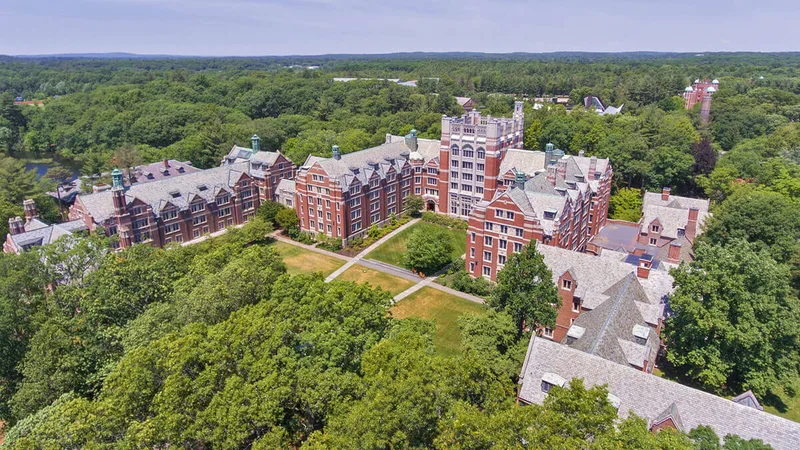
Rigorous academics, close mentoring and competitive NESCAC athletics appeal to recruits seeking a connected campus community.
Close faculty relationships, competitive athletics and generous need-based aid appeal to athletes seeking a demanding liberal arts education.
Athletes choose Wellesley for demanding academics, competitive athletics, close faculty relationships and a residential community near Boston.
Rigorous academics, shared campus resources and competitive athletics appeal to recruits seeking a connected liberal arts experience.
Close faculty relationships, rigorous academics and competitive athletics appeal to students who want meaningful commitments beyond their sport.
Athletes choose Babson for competitive athletics, entrepreneurial learning, a close-knit community and strong business career outcomes.
Close faculty relationships and Centennial Conference competition appeal to athletes who want demanding academics alongside their sport.
Close faculty relationships, professional programs and Northwest Conference competition give athletes several reasons to consider this campus.
Personal attention, career-focused learning and a supportive Catholic community give athletes reasons to consider the Mount.
An open curriculum, close faculty connections and competitive NESCAC athletics appeal to academically driven recruits.
Close faculty relationships, career-focused study and Ohio Athletic Conference competition give athletes a balanced college experience.
Close faculty relationships and hands-on learning complement conference competition within a small, residential Southern California community.
Three ways to start
Pick the option that matches where you are, and we will show you the plan that fits.
Resources