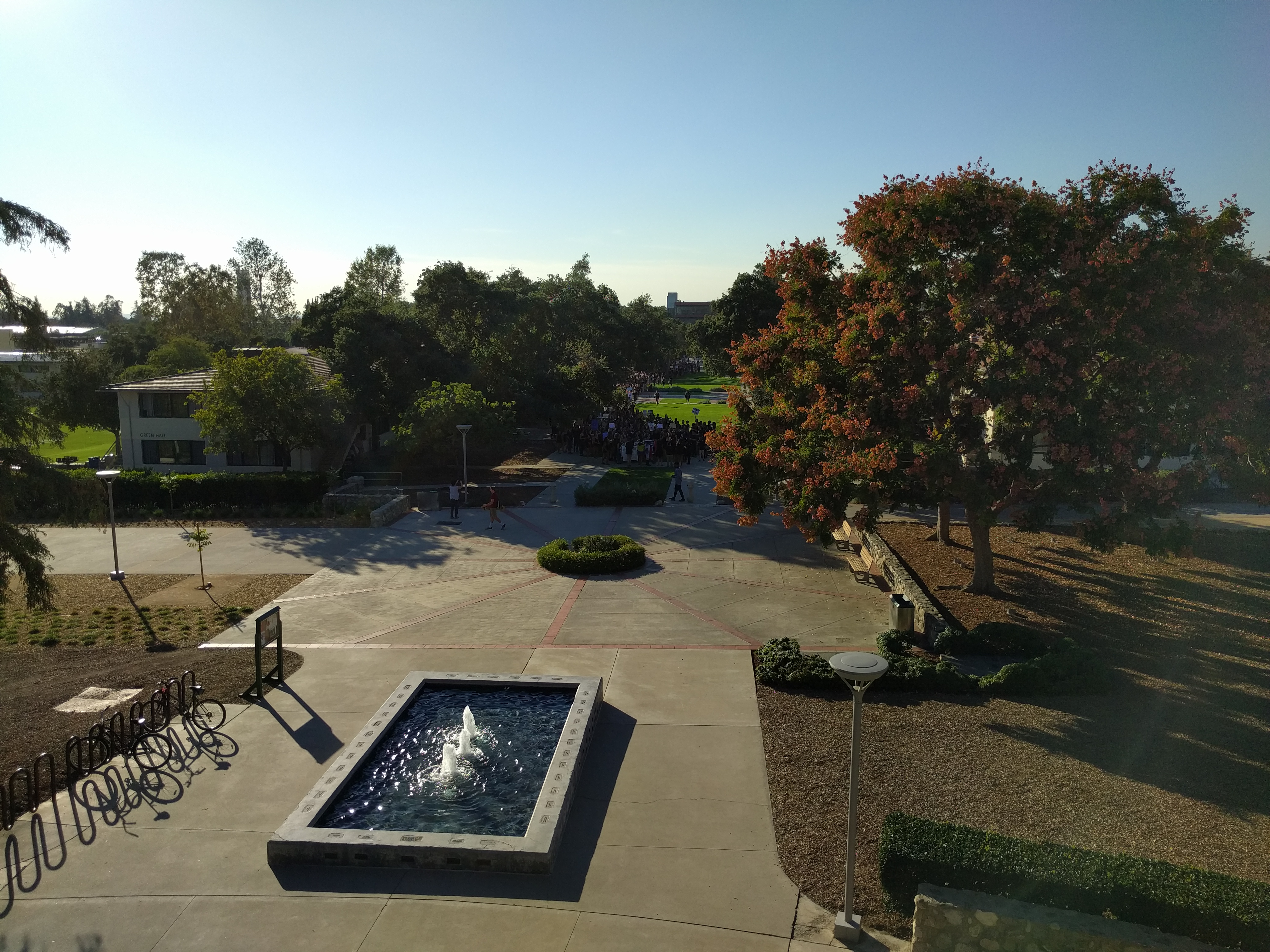
Pomona College and Pitzer College
Claremont · California · Suburban
- 34
- Roster
- 83%
- 5-year win rate
- 54%
- In-state
Browse programs
College directoryEvery program, filtered by what fits Sport directoryMen's and women's, every division State directoryPrograms in the states you would play inGo deeper
Major directoryYour major and your sport in one list Camp directoryID camps and showcases at college programs Conference directoryEvery conference and its member collegesEvery SCIAC women's soccer team in one place, with roster sizes, records and how many players each one is losing.
At a glance
Ten SCIAC schools sponsor women's soccer: Azusa Pacific University, California Institute of Technology, California Lutheran University, Chapman University, Claremont McKenna College, Harvey Mudd College, and Scripps College, Occidental College, Pomona College and Pitzer College, University of La Verne, University of Redlands and Whittier College.
There are 10 women's soccer programs in the SCIAC, competing in NCAA Division III. The average roster carries about 31 players, and 77 players across the conference are set to leave after the 2026-27 season. Pomona College and Pitzer College has the best five-year win rate in the group, at 83%.
Teams
Ordered by five-year win rate. Open a team to see its roster, coaches and how to get recruited there.
Claremont · California · Suburban

Thousand Oaks · California · Suburban

Claremont · California · Suburban

La Verne · California · Suburban

Redlands · California · Suburban

Pasadena · California · Suburban
Standings
Where every team in the conference stands, with each school's conference and overall record. Tap a school to see its roster and openings.
Compare
Sort any column to rank programs on roster size, winning and how many players are leaving.
| Pomona College and Pitzer College | California | 34 | 83% | 6 | 18% | 54% | 1% |
| California Lutheran University | California | 34 | 73% | 7 | 21% | 58% | 0% |
| Azusa Pacific University | California | 27 | 67% | 8 | 30% | 82% | 8% |
| Claremont McKenna College, Harvey Mudd College, and Scripps College | California | 34 | 64% | 11 | 32% | 39% | 2% |
| Chapman University | California | 39 | 49% | 8 | 21% | 71% | 0% |
| Whittier College | California | 34 | 49% | 12 | 35% | 83% | 5% |
| Occidental College | California | 27 | 46% | 6 | 22% | 37% | 0% |
| University of La Verne | California | 27 | 35% | 6 | 22% | 90% | 1% |
| University of Redlands | California | 26 | 32% | 5 | 19% | 63% | 0% |
| California Institute of Technology | California | 17 | 20% | 8 | 47% | 47% | 3% |
Roster openings
Players in their final year across the conference, by position. These are the spots coaches will be recruiting to fill.
Roster Report
Pick the teams you care about and we break down each current roster at your position: who is graduating, how deep the room is and where your class year stands.
One-time payment, checked by an expert, delivered in 24 hours.
Your shortlist
College fit finder
Pick your position and level, and we score every program in your sport on roster openings at your position, athletic level and academics.
FAQ
Ten schools sponsor women's soccer in the SCIAC: Azusa Pacific University, California Institute of Technology, California Lutheran University, Chapman University, Claremont McKenna College, Harvey Mudd College, and Scripps College, Occidental College, Pomona College and Pitzer College, University of La Verne, University of Redlands and Whittier College.
Whittier College has the most players leaving after the 2026-27 season, with 12, followed by Claremont McKenna College, Harvey Mudd College, and Scripps College (11) and Azusa Pacific University (8). Departures are a signal of need, not a guaranteed spot.
SCIAC women's soccer rosters average about 31 players, ranging from 20 to 36 across the conference.
Keep exploring
Other women's soccer conferences
Other SCIAC sports
Three ways to start
Pick the option that matches where you are, and we will show you the plan that fits.
Sport hub
The Women's Soccer hub brings every division together: how D1, D2, D3 and NAIA compare, the strongest programs in each state, camps, and the recruiting guides for each level.