Youth campSoftball · Women's
Monday Clinic — Jan 12, 2026
- Jan 12, 2026
- University of La Verne Softball Field, La Verne, CA
- $69
Two-hour evening clinic (1 hour fielding, 1 hour hitting) for ages 7–12 on the university's softball facilities.
Browse programs
College directoryEvery program, filtered by what fits Sport directoryMen's and women's, every division State directoryPrograms in the states you would play inGo deeper
Major directoryYour major and your sport in one list Camp directoryID camps and showcases at college programs Conference directoryEvery conference and its member colleges

La Verne, CaliforniaSouthern California Intercollegiate Athletic Conference
Overview
Mission and culture
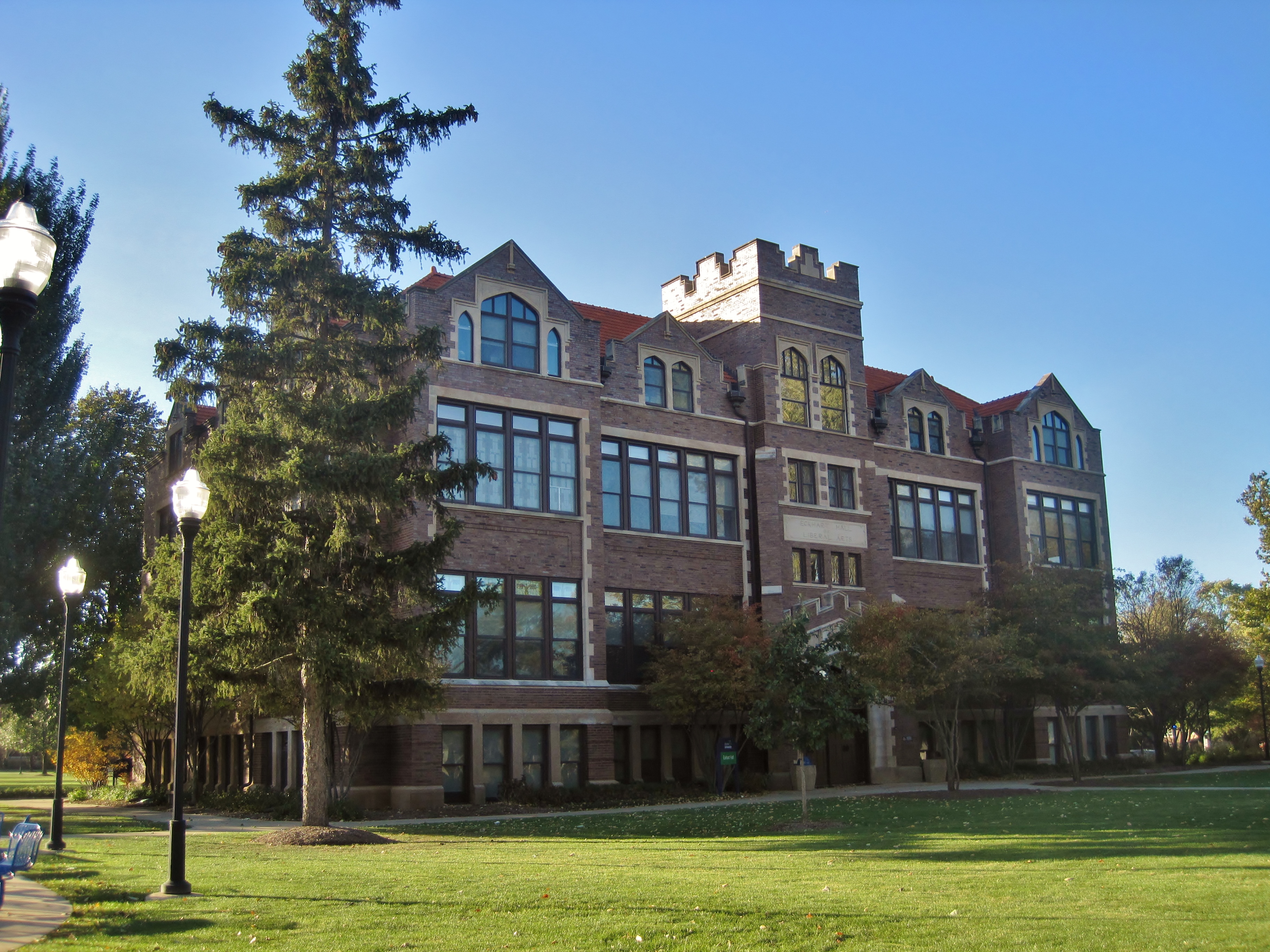
The University of La Verne combines liberal arts and professional programs with NCAA Division III athletics in suburban Southern California. Its small-university environment, close faculty access and connections to the Greater Los Angeles area make it worth considering if you want competitive sports alongside career-focused academics.
Why athletes choose University of La Verne
Close faculty access and a community-oriented campus help athletes connect their sport with broader academic and career goals.
Fit check
Pick a sport, your position and level, add a test score if you have one, and get an instant read on your chances here. Free, and no account needed.
Academics
The University of La Verne blends liberal arts with professional preparation, making academic fit a question of course demands, faculty access, major choices and the path toward a career.
Academic strength
A composite of graduation rate, earnings after college, how selective admissions are and how hard the coursework is.
Acceptance rate
More selectiveMore accessible
Admissions are accessible, giving recruits with solid classroom preparation a realistic opportunity to pursue an academic and athletic fit.
Six-year graduation rate
0%100%
Students have a solid path to graduation, with consistent academic progress important throughout an athletic career.
Academic difficulty
Rated 3 out of 5
Coursework presents a balanced challenge, requiring steady study habits alongside practices and competition.
Student to faculty ratio
students for every faculty member
Close faculty access can make it easier to build mentoring relationships and discuss academic challenges around competition.
Median earnings
per year, ten years after starting college
Six years after: $53,806Graduate earnings suggest solid outcomes, supporting a value discussion that connects your major with career goals.
Undergraduate enrollment
undergraduate students
The small undergraduate community offers a more personal environment where athletes can build connections beyond their own program.
SAT and ACT scores
Testing is optional, and the score profile suggests recruits can remain competitive with solid academic preparation while deciding whether scores strengthen their application.
Most popular majors
Admissions
Plan your University of La Verne application around its rolling admissions process, reviewing deadlines by plan, test policy, application fee and recommendation requirements.
Majors
38 undergraduate majors across 6 academic areas.
No major matches that search.
Campus life
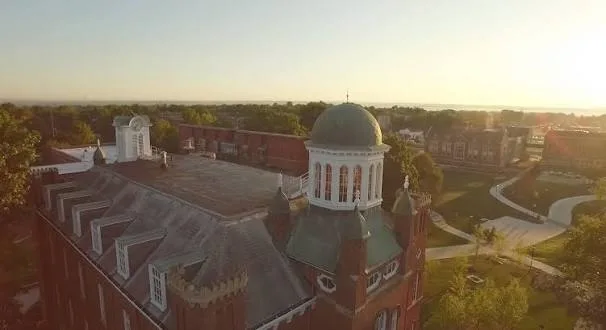
Daily life centers on a small, community-oriented suburban campus in Southern California, with access to the broader Greater Los Angeles area.
Athletics
Competing in NCAA Division III and the Southern California Intercollegiate Athletic Conference, the Leopards bring a championship history in baseball and women's volleyball.
Athletic department
Explore how the University of La Verne supports its Division III athletic department through operating resources, athlete participation, recruiting expenditures and the gender breakdown of athletic aid.
Athletes
Source: the federal Equity in Athletics report, 2025.
Cost
At the University of La Verne, compare the published private-university cost with the price after grants, then consider how need-based and merit-based aid affect your budget.
Average net price
What families pay on average after grants and scholarships, including tuition, housing and fees.
Published tuition
The sticker price a year, before any aid.
Financial aid
Need-based and merit-based aid availableAthletic scholarships, where a program offers them, are awarded by the coaching staff and come on top of these figures.
NIL
NIL rating
The name, image and likeness (NIL) environment at the University of La Verne gives student-athletes in La Verne, California, access to modest but growing opportunities tied to local and regional exposure. As a NCAA Division III program, NIL at University of La Verne focuses on community-based deals and personal branding across a broad range of college sports.
See the full NIL breakdownStudent fit
The kind of student-athlete who tends to do well at University of La Verne.
The University of La Verne is a good fit for athletes seeking NCAA Division III competition, a small campus community and academics that connect liberal arts with professional preparation. It suits students with solid classroom habits who want a balanced academic challenge and close faculty relationships while pursuing interests such as business, psychology or kinesiology. Athletes who prefer a suburban Southern California setting with access to Greater Los Angeles may appreciate the location without needing a large-campus experience. Families should weigh need-based and merit-based aid carefully, since athletic aid is not part of the funding picture and local living costs deserve attention.
Who thrives here
Close Knit CommunityEarly ContributorsCoachability And GrowthSelf Directed PlannersCareer Focused AthletesCamps
University of La Verne has not posted new camp dates yet. These ran last season.
Two-hour evening clinic (1 hour fielding, 1 hour hitting) for ages 7–12 on the university's softball facilities.
Two-hour evening clinic (1 hour fielding, 1 hour hitting) for ages 7–12 on the university's softball facilities.
Prospect clinic for grades 8th through college senior to showcase skills for La Verne coaching staff; includes position-specific instruction and evaluations.
Questions
It is known for strong programs in business, education, psychology, and public administration, along with a student-centered approach that emphasizes small classes, personalized support, and practical learning experiences such as internships and community-based projects.
Admission is considered moderately selective. Applicants with solid grades, a challenging high school curriculum, and a well-rounded profile in activities and community involvement have a good chance of admission, especially when they submit a thoughtful personal statement.
The campus has a close-knit, small-school atmosphere with a diverse student body and strong sense of community. Students often describe it as friendly and supportive, with easy access to faculty, active student organizations, and a quiet suburban setting near major Southern California cities.
It is located in La Verne, California, a suburban city in the eastern Los Angeles County area. Students are within driving distance of downtown Los Angeles, beaches, mountains, and major cultural and entertainment venues, offering many options for internships, jobs, and recreation.
It provides dedicated support for first-generation and transfer students through advising, orientation programs, academic resources, and student success centers that help with course planning, study skills, and campus involvement to ease the transition into the university.
Classes are generally small, which allows for more interaction with professors, regular participation in discussions, and closer academic mentoring. This environment can be especially helpful for students who prefer personalized attention and collaborative learning.
It can be a strong option for student-athletes who value a balance between academics and athletics. As an NCAA Division III program, the emphasis is on the student experience, with opportunities to compete at a high level while maintaining focus on coursework and campus life.
Its athletic teams compete in NCAA Division III, which does not offer athletic scholarships but focuses on integrating athletics with academics and campus involvement. Student-athletes typically have more flexibility to pursue majors, internships, and other extracurricular activities.
Student life includes a variety of clubs, cultural organizations, service groups, and leadership opportunities, as well as campus events and traditions. Many students participate in community service and experiential learning, which are integrated into both academic and co-curricular programs.
It offers on-campus housing in residence halls and apartment-style options for undergraduates. Living on campus helps students engage more fully in activities, access support services easily, and build connections with peers and faculty.
Students have access to career counseling, resume and interview support, internship guidance, and networking opportunities with alumni and local employers. Many programs incorporate hands-on projects and field experiences that help prepare students for professional roles or graduate study.
It is well-suited for students who prefer a smaller campus community with personal attention while still wanting the advantages of a Southern California location. The setting offers a quieter residential campus experience paired with nearby urban, cultural, and outdoor opportunities.
Compare
Other colleges worth comparing with University of La Verne.
Career-focused study, competitive athletics and a residential campus near Chicago give athletes practical reasons to consider Aurora.
Close faculty mentoring and access to New York City opportunities complement a competitive Division III experience.
Health-focused academics, accessible admissions and Northwest Conference competition appeal to athletes seeking a small Oregon campus.
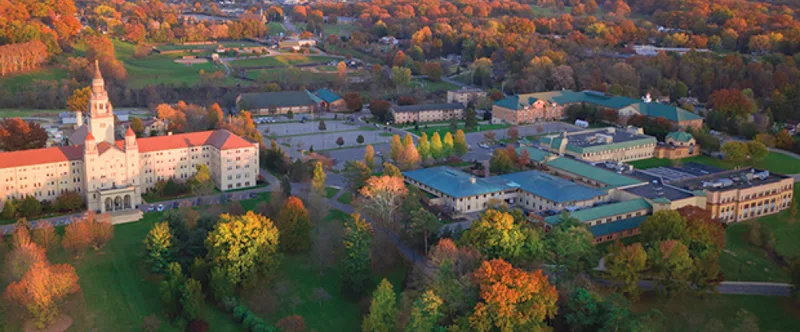
A Christian community, career-focused academics and nationally successful athletics draw recruits seeking a small-campus experience.
Competitive athletics, approachable faculty and career-focused programs give recruits reasons to look closely at this small university.
Career-focused programs and close faculty contact give athletes practical reasons to consider this small university.
Close faculty relationships and access to Columbus internships complement a small-campus experience and competitive Division III athletics.
Global academic options and a small undergraduate community give athletes room to build interests beyond competition.
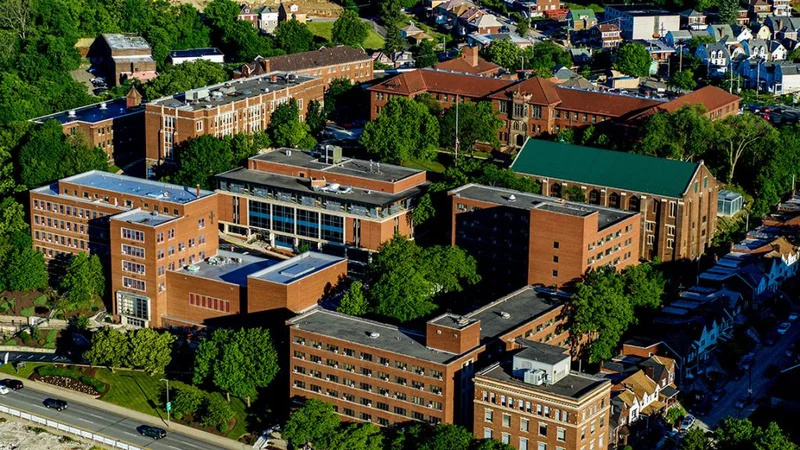
Athletes choose a small campus, healthcare-focused academics and college competition with Pittsburgh's professional opportunities close by.
A close-knit community and career-focused academics appeal to athletes seeking personal attention alongside Division III competition.
A close-knit campus and career-focused academics appeal to athletes seeking a supportive setting for college competition.
A small campus, approachable faculty and career-focused programs give athletes reasons to look beyond the playing field.
Three ways to start
Pick the option that matches where you are, and we will show you the plan that fits.
Resources