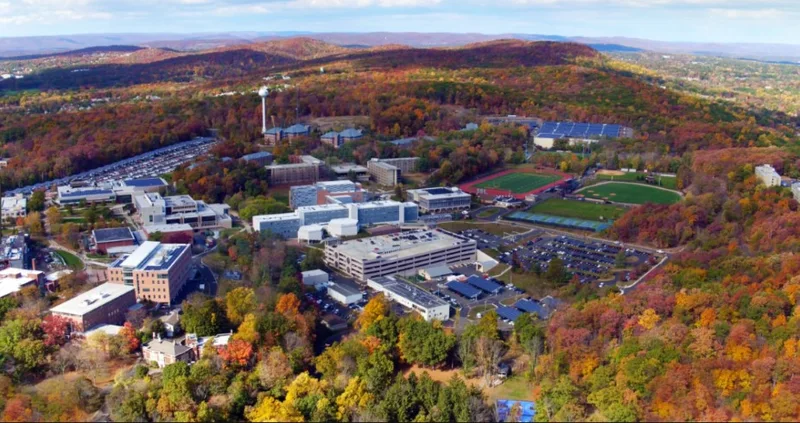
A close-knit campus, career-focused programs and rural outdoor access give athletes reasons to look beyond competition.
- 5,093
- Students
- 82%
- Admit rate
- $18,212
- Net price
Browse programs
College directoryEvery program, filtered by what fits Sport directoryMen's and women's, every division State directoryPrograms in the states you would play inGo deeper
Major directoryYour major and your sport in one list Camp directoryID camps and showcases at college programs Conference directoryEvery conference and its member colleges

Lyndonville, VermontNorth Atlantic Conference
Overview
Mission and culture
Vermont State University Lyndon is a small public campus in rural Lyndonville, Vermont, with NCAA Division III athletics and a distinctive focus on weather, climate and broadcasting. Hands-on academic work, student-run media and an outdoor-focused hilltop setting give athletes a practical learning environment beyond their sport.
Why athletes choose Vermont State University – Lyndon
Specialized academics, regional competition and outdoor opportunities appeal to athletes who want a small campus experience.
Fit check
Pick a sport, your position and level, add a test score if you have one, and get an instant read on your chances here. Free, and no account needed.
Academics
At Vermont State University Lyndon, academic fit centers on hands-on learning in atmospheric sciences, environmental studies and media, alongside the classroom expectations and career outcomes that matter when balancing athletics.
Academic strength
A composite of graduation rate, earnings after college, how selective admissions are and how hard the coursework is.
Acceptance rate
More selectiveMore accessible
Admissions are accessible, giving recruits with solid preparation a realistic path while still making academic readiness important.
Six-year graduation rate
0%100%
There is a reasonable path to graduation, but steady focus and consistent use of academic support matter.
Academic difficulty
Rated 3 out of 5
Coursework presents a balanced challenge that calls for steady planning around practices and competition.
Student to faculty ratio
students for every faculty member
Faculty should be reachable, offering opportunities to build relationships and discuss coursework around athletic commitments.
Median earnings
per year, ten years after starting college
Six years after: $41,340Graduate earnings are moderate, making thoughtful major selection and practical career preparation important when weighing value.
Undergraduate enrollment
undergraduate students
The small undergraduate community offers a more familiar daily environment, where athletes can build connections beyond their sport.
SAT and ACT scores
Testing is optional, and the score profile suggests an accessible academic entry point, so recruits can consider whether scores strengthen their application.
Most popular majors
Admissions
To plan your application to Vermont State University Lyndon, review deadlines by plan, testing policy, the application fee and recommendation requirements alongside your recruiting timeline.
Majors
58 undergraduate majors across 7 academic areas.
No major matches that search.
Campus life
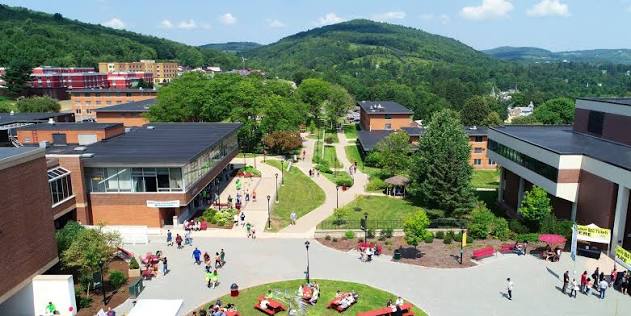
Daily life centers on a small, rural hilltop campus with trails, student broadcasting and cultural events, with nearby ski areas adding outdoor options.
Athletics
Athletes compete in NCAA Division III, primarily through the North Atlantic Conference and United East Conference, with regional competition and student-athlete development shaping the experience.
Athletic department
Explore how Vermont State University Lyndon supports its NCAA Division III athletic department through operating resources and recruiting investment, including the gender breakdown of spending and athletic aid.
Athletes
Recruiting spend
Source: the federal Equity in Athletics report, 2025.
Cost
At Vermont State University Lyndon, compare public in-state tuition value with the full attendance budget, average cost after grants and available need-based and merit-based financial aid.
Average net price
What families pay on average after grants and scholarships, including tuition, housing and fees.
Published tuition
The sticker price a year, before any aid.
Financial aid
Need-based and merit-based aid availableAthletic scholarships, where a program offers them, are awarded by the coaching staff and come on top of these figures.
NIL
NIL rating
Vermont State University – Lyndon in Lyndonville, VT offers a small-college name, image and likeness (NIL) environment where committed student-athletes in NCAA Division III sports can build a personal brand. The campus setting and close-knit community support local NIL connections for baseball, basketball, soccer, lacrosse and other college sports.
See the full NIL breakdownStudent fit
The kind of student-athlete who tends to do well at Vermont State University – Lyndon.
Vermont State University Lyndon fits athletes who want NCAA Division III competition alongside hands-on academics, especially in weather, environmental science or digital media. It suits students who prefer a small, rural campus, appreciate accessible admissions and want faculty they can get to know while managing a balanced academic challenge. Outdoor-minded athletes may particularly enjoy the hilltop trails and nearby skiing, while those seeking a city-centered college experience may find the setting less appealing. Families should plan around need-based and merit-based aid rather than athletic scholarships, and students should bring steady academic habits to keep their degree progress on track.
Who thrives here
Tight Knit CommunitySelf Motivated StudentsHands On LearnersOutdoors OrientedCareer Focused AthletesQuestions
It is best known for hands-on programs in areas like atmospheric sciences, meteorology, digital communications, exercise science, and education, with a strong focus on experiential learning, internships, and close faculty interaction in a small-campus setting.
Admission is generally considered accessible, with a student-friendly application review that looks at overall academic performance, preparation for college-level work, and potential for success rather than only highly selective criteria.
The campus offers a small, close-knit community in a rural Vermont setting, with easy access to outdoor recreation, a relaxed atmosphere, and opportunities to get to know classmates, faculty, and staff on a first-name basis.
Yes, it offers on-campus residence halls with traditional dorm-style living and community spaces, and most students find housing options that allow them to live close to classes, campus activities, and dining facilities.
Students who thrive tend to value small classes, personal attention from professors, a practical and applied approach to learning, and a quiet, outdoors-oriented lifestyle rather than a large or highly urban campus experience.
Yes, the campus is surrounded by the mountains and forests of northern Vermont, giving students access to hiking, skiing, snowboarding, biking, and other outdoor activities throughout the year.
Student life centers on clubs, campus events, student media, outdoor recreation, and residence hall activities, with a friendly and informal atmosphere where it is easy to be involved and build close friendships.
Classes are typically small, which allows for more interaction with professors, easier participation in discussions and labs, and more individualized academic support than is common at large universities.
Yes, students have access to academic advising, tutoring, writing and math support, career services, and personal counseling, all designed to be approachable and easy to use on a small campus.
Its varsity teams compete at the NCAA Division III level, emphasizing the balance between academics and athletics and offering student-athletes the chance to participate in college sports without athletic scholarships.
Student-athletes generally find it manageable to balance sports and academics because of small class sizes, supportive faculty, and an athletics philosophy that prioritizes academic success alongside competition.
It can be a strong option for transfer and nontraditional students who want a welcoming, flexible environment, personal attention from faculty and staff, and an easier transition into a small, supportive campus community.
Compare
Other colleges worth comparing with Vermont State University – Lyndon.
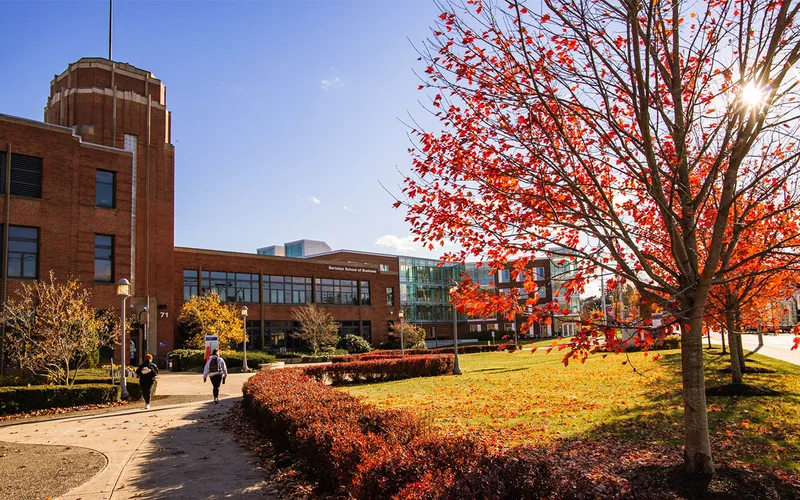
A close-knit campus, career-focused programs and rural outdoor access give athletes reasons to look beyond competition.
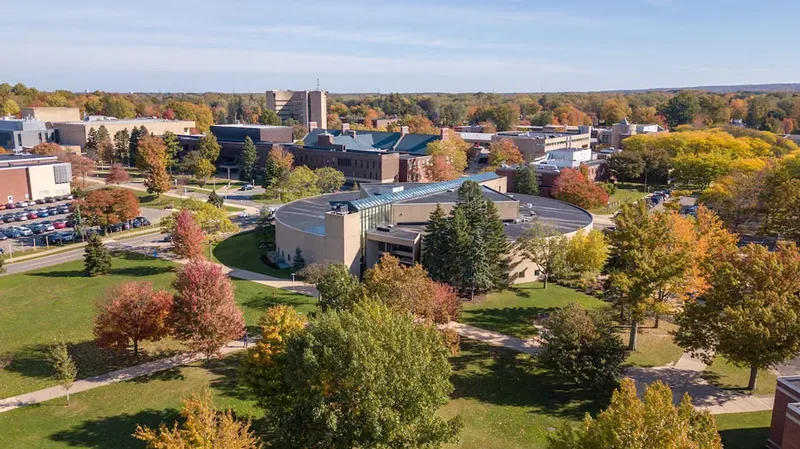
Accessible admissions, outdoor learning and a supportive community appeal to athletes seeking a close-knit college experience.
Interdisciplinary learning, accessible admissions and a small mountain-town community give athletes practical reasons to consider competing here.
Hands-on academics, approachable faculty and SUNY tuition appeal to athletes seeking a small, career-focused college.
Accessible faculty, public tuition and a commuter-friendly campus help athletes build a practical college experience.
Career-focused academics, accessible admissions and a compact campus appeal to athletes seeking a balanced college experience.
Accessible admissions, career-focused programs and public tuition give athletes practical reasons to consider competing here.
Athletes can combine Division III competition with career-focused study, accessible admissions and Connecticut in-state tuition advantages.
A close-knit campus, approachable faculty and SUNYAC competition give athletes room to pursue interests beyond their sport.
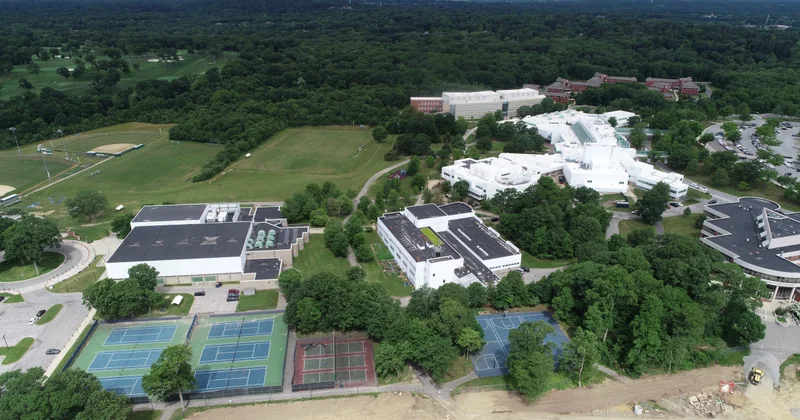
Old Westbury, NY
Why it is similar: Similar academics and size.Skyline Conference competition, public tuition value and an inclusive campus appeal to athletes seeking a balanced college experience.
Accessible faculty, applied learning and Portland career connections complement competitive athletics in the Little East Conference.
Accessible admissions, career-focused learning and nearby city opportunities make this a practical option for college athletes.
Three ways to start
Pick the option that matches where you are, and we will show you the plan that fits.
Resources