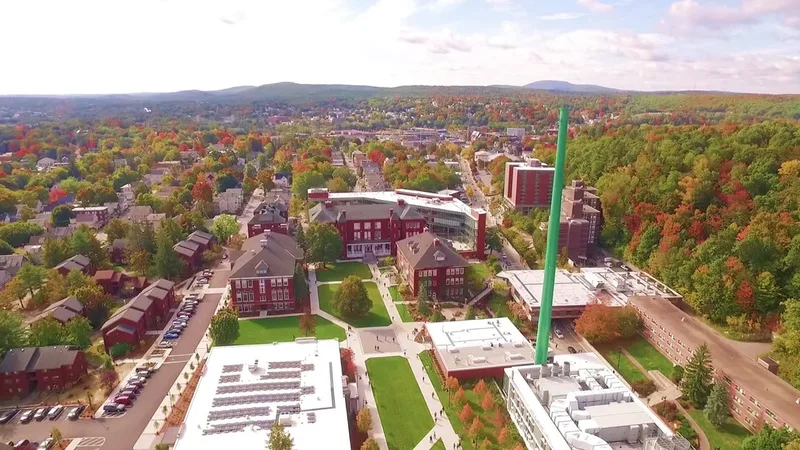
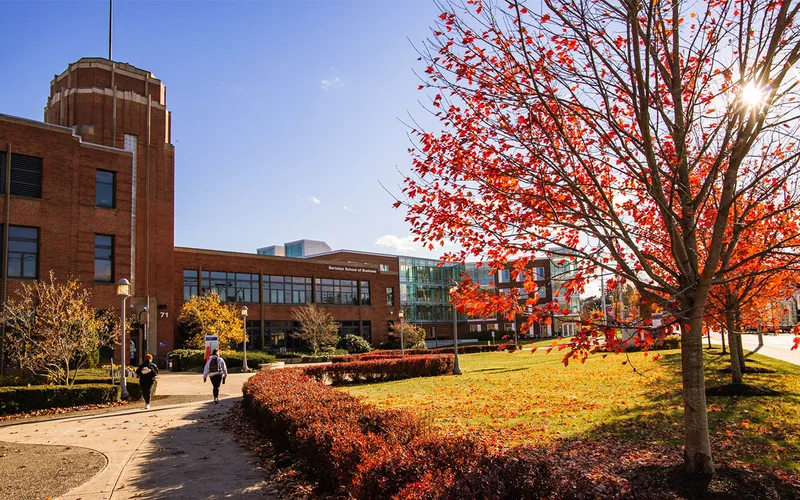
Accessible admissions, professional programs and relatively low tuition give athletes practical reasons to pursue a place here.
- 6,155
- Students
- 92%
- Admit rate
- $9,478
- Net price
Browse programs
College directoryEvery program, filtered by what fits Sport directoryMen's and women's, every division State directoryPrograms in the states you would play inGo deeper
Major directoryYour major and your sport in one list Camp directoryID camps and showcases at college programs Conference directoryEvery conference and its member colleges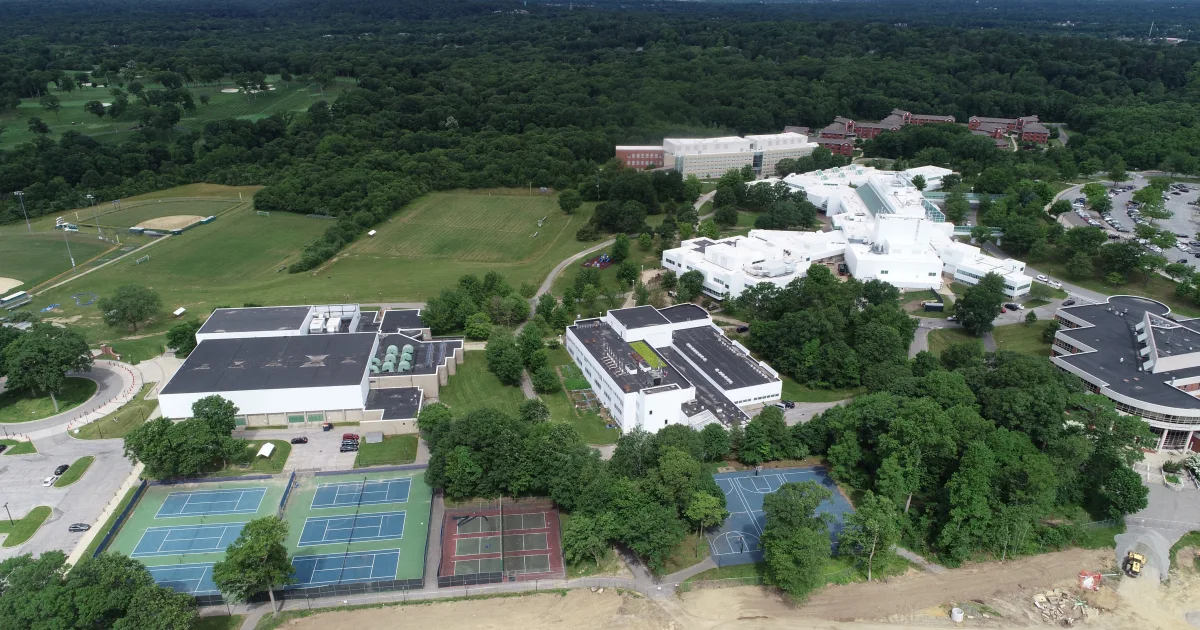
Old Westbury, New YorkSkyline Conference
Overview
Mission and culture
State University of New York at Old Westbury combines liberal arts and professional study on a small suburban campus on Long Island, with NCAA Division III athletics in the Skyline Conference. Its emphasis on social mobility, diverse campus community and affordable public tuition gives families several practical reasons to consider it.
Why athletes choose State University of New York at Old Westbury
Skyline Conference competition, public tuition value and an inclusive campus appeal to athletes seeking a balanced college experience.
Fit check
Pick a sport, your position and level, add a test score if you have one, and get an instant read on your chances here. Free, and no account needed.
Academics
State University of New York at Old Westbury pairs a liberal arts foundation with professional study, including accredited business programs, while admissions, coursework and career outcomes help you assess academic fit.
Academic strength
A composite of graduation rate, earnings after college, how selective admissions are and how hard the coursework is.
Acceptance rate
More selectiveMore accessible
Admissions are accessible for well-prepared recruits, though you should still confirm expectations for your intended academic program.
Six-year graduation rate
0%100%
Finishing is a reasonable goal, but steady academic focus and consistent use of support remain important.
Academic difficulty
Rated 3 out of 5
Coursework presents a balanced challenge, making steady study habits important alongside athletic commitments.
Student to faculty ratio
students for every faculty member
The academic environment balances faculty access with some larger classes, so building relationships with instructors still matters.
Median earnings
per year, ten years after starting college
Six years after: $43,671Graduate earnings suggest solid outcomes, giving families a useful reason to weigh academic fit alongside affordability.
Undergraduate enrollment
undergraduate students
The small undergraduate community offers a more familiar campus environment, with opportunities to build connections beyond your athletic circle.
SAT and ACT scores
The test profile suggests an accessible academic entry point, but scores are sometimes required, so confirm how the policy applies to your application.
Most popular majors
Admissions
Plan your application to State University of New York at Old Westbury by reviewing admission deadlines, test policy, application fees and recommendation requirements alongside your recruiting conversations.
Not binding. Hear back early and decide by May 1.
Majors
30 undergraduate majors across 6 academic areas.
No major matches that search.
Campus life
Daily life centers on a small, diverse suburban campus on Long Island, with an emphasis on inclusion and access to New York City culture.
Athletics
Competing in NCAA Division III's Skyline Conference, athletes pursue college-level competition alongside academic study, with options including baseball, basketball and soccer.
Athletic department
The athletic department at State University of New York at Old Westbury supports NCAA Division III competition, with spending, recruiting budgets and aid information helping families understand the scale of its investment.
Athletes
Recruiting spend
Source: the federal Equity in Athletics report, 2025.
Cost
For State University of New York at Old Westbury, comparing published costs, net price after grants and available aid helps families assess public tuition value, especially for New York residents.
Average net price
What families pay on average after grants and scholarships, including tuition, housing and fees.
Published tuition
The sticker price a year, before any aid.
Financial aid
Need-based and merit-based aid availableAthletic scholarships, where a program offers them, are awarded by the coaching staff and come on top of these figures.
NIL
NIL rating
The name, image and likeness (NIL) environment at State University of New York at Old Westbury gives student-athletes in Old Westbury, New York, a chance to build personal brands while competing in NCAA Division III college sports. Opportunities are modest but growing, with athletes able to leverage campus visibility and the broader Long Island and New York City region.
See the full NIL breakdownStudent fit
The kind of student-athlete who tends to do well at State University of New York at Old Westbury.
State University of New York at Old Westbury fits athletes who want NCAA Division III competition, a small campus community and a suburban Long Island setting. It suits students with solid academic preparation who can manage a balanced classroom challenge while staying committed to their sport, particularly those interested in business, psychology or biology. Families focused on affordability should examine its public tuition and need-based or merit-based aid, rather than expecting athletic scholarship support. Athletes who value diversity, inclusion and access to the New York City area may feel more at home here than those seeking a large campus experience.
Who thrives here
Supportive Community SeekersFirst Generation StudentsValue Focused AthletesSelf Directed PlannersPlaying Time PrioritizersQuestions
It is known for strong programs in liberal arts and sciences, business, education, and public affairs, with an emphasis on social justice, experiential learning, and preparing students for careers or graduate study through small classes and close faculty interaction.
Admission is moderately selective. Applicants with solid grades, a college-preparatory curriculum, and a thoughtful application essay typically have a good chance of being admitted, especially if they show potential for academic growth and campus engagement.
The campus offers a small, close-knit community on a suburban Long Island setting, combining quiet green spaces with easy access to nearby towns and New York City, and a student body that is diverse and commuter-friendly with active student organizations and events.
Yes, there are residence halls and apartment-style options for students who want to live on campus, providing easy access to classes, campus resources, and activities, while many students also commute from surrounding Long Island and New York City areas.
Students typically experience small to medium-sized classes, which allows for regular interaction with professors, opportunities for mentoring, and participation in research, projects, and internships that support both academic and professional development.
The college offers a range of undergraduate majors in areas such as business, media and communications, biological and physical sciences, psychology, politics and economics, education, and criminal justice, as well as selected graduate and professional programs.
The student body is highly diverse, drawing students from different cultural, ethnic, and socioeconomic backgrounds, with a strong representation from Long Island and New York City and a campus culture that emphasizes inclusion and equity.
Students have access to academic advising, tutoring and writing support, disability services, counseling, career development, and financial aid guidance, along with programs that support first-generation, transfer, and underrepresented students.
The college competes in NCAA Division III, offering varsity sports for men and women where student-athletes balance academics with athletics in a non-scholarship environment focused on development, teamwork, and academic success.
Athletics include multiple varsity teams in sports such as basketball, soccer, baseball, softball, and others, along with opportunities for recreational and intramural play, creating an active campus sports culture that supports student-athletes academically and physically.
It is a popular option for transfer students due to its moderate size, flexible transfer credit policies, and support from dedicated transfer advising, making it easier for students from community colleges and other institutions to complete their degrees.
The campus is located on Long Island in Old Westbury, with access by car, bus, and nearby train stations, allowing students to reach New York City and surrounding suburbs for internships, jobs, cultural experiences, and commuting while studying.
Compare
Other colleges worth comparing with State University of New York at Old Westbury.
Accessible admissions, professional programs and relatively low tuition give athletes practical reasons to pursue a place here.
Career-focused academics, accessible admissions and a compact campus appeal to athletes seeking a balanced college experience.
Accessible faculty, public tuition and a commuter-friendly campus help athletes build a practical college experience.
Accessible admissions, career-focused programs and public tuition give athletes practical reasons to consider competing here.
Conservatory arts programs, Division III competition and access to New York City give athletes distinct reasons to consider Purchase.
Career-focused majors, affordable tuition and city access give athletes practical reasons to pursue a place here.
Accessible admissions, career-focused majors and a welcoming campus give athletes practical reasons to consider competing here.
A close-knit campus, practical academic programs and nearby career opportunities give athletes reasons to look beyond competition.
A close-knit campus, career-focused programs and rural outdoor access give athletes reasons to look beyond competition.
Specialized academics, regional competition and outdoor opportunities appeal to athletes who want a small campus experience.
Accessible admissions, outdoor learning and a supportive community appeal to athletes seeking a close-knit college experience.
A small residential community and undergraduate-focused teaching give athletes a personal setting for balancing academics and competition.
Three ways to start
Pick the option that matches where you are, and we will show you the plan that fits.
Resources