Youth campBaseball · Men's
Catching Small Group - Session 1
- Feb 10 to Mar 3, 2026
- Knowles Fieldhouse, River Falls, WI
- $100
Four-week catching clinic for ages 8-13 with instruction from UWRF baseball coaching staff and current players.
Browse programs
College directoryEvery program, filtered by what fits Sport directoryMen's and women's, every division State directoryPrograms in the states you would play inGo deeper
Major directoryYour major and your sport in one list Camp directoryID camps and showcases at college programs Conference directoryEvery conference and its member colleges

River Falls, WisconsinWisconsin Intercollegiate Athletic Conference
Overview
Mission and culture
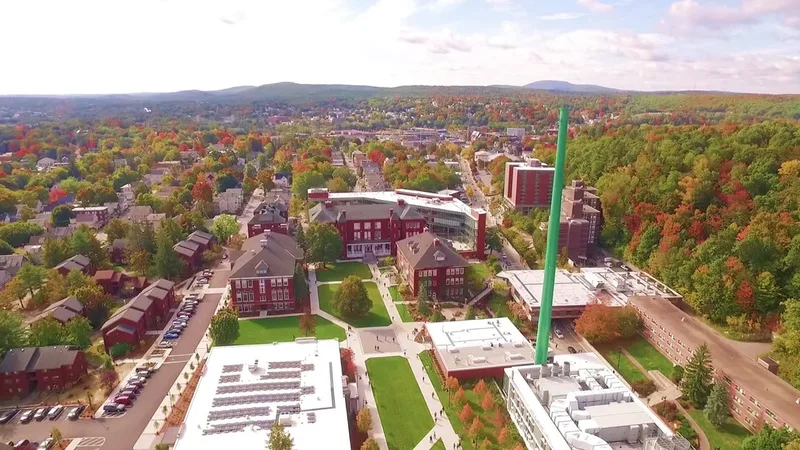
The University of Wisconsin-River Falls is a public university in River Falls, Wisconsin, with NCAA Division III athletics and a strong agricultural focus. Its small, student-centered campus combines a close-knit college-town environment with access to internships and employment near the Twin Cities.
Why athletes choose University of Wisconsin–River Falls
A close-knit campus, practical academic programs and nearby career opportunities give athletes reasons to look beyond competition.
Fit check
Pick a sport, your position and level, add a test score if you have one, and get an instant read on your chances here. Free, and no account needed.
Academics
At the University of Wisconsin-River Falls, strengths in agriculture, teacher education and business shape an academic experience that emphasizes practical learning while leaving room to explore STEM and liberal arts.
Academic strength
A composite of graduation rate, earnings after college, how selective admissions are and how hard the coursework is.
Acceptance rate
More selectiveMore accessible
Admissions are accessible, so solid classroom preparation matters, though individual programs may present a more competitive path.
Six-year graduation rate
0%100%
There is a reasonable path to graduation, especially when you maintain steady focus and seek academic support.
Academic difficulty
Rated 3 out of 5
Coursework offers a balanced challenge that calls for consistent study habits alongside athletic commitments.
Student to faculty ratio
students for every faculty member
Expect a balance of faculty access and some larger classes, with relationships requiring initiative on your part.
Median earnings
per year, ten years after starting college
Six years after: $46,524Graduate earnings are moderate, making thoughtful major selection, career preparation and your actual cost important considerations.
Undergraduate enrollment
undergraduate students
The small undergraduate community offers a more familiar campus environment while still bringing together students with varied academic interests.
SAT and ACT scores
The test-optional policy lets you decide whether scores strengthen your application, while the typical score profile suggests an accessible path for academically prepared recruits.
Most popular majors
Admissions
Prepare your University of Wisconsin-River Falls application by reviewing deadlines by plan, test policy, application fees and recommendation requirements within its rolling admissions process.
Majors
45 undergraduate majors across 7 academic areas.
No major matches that search.
Campus life
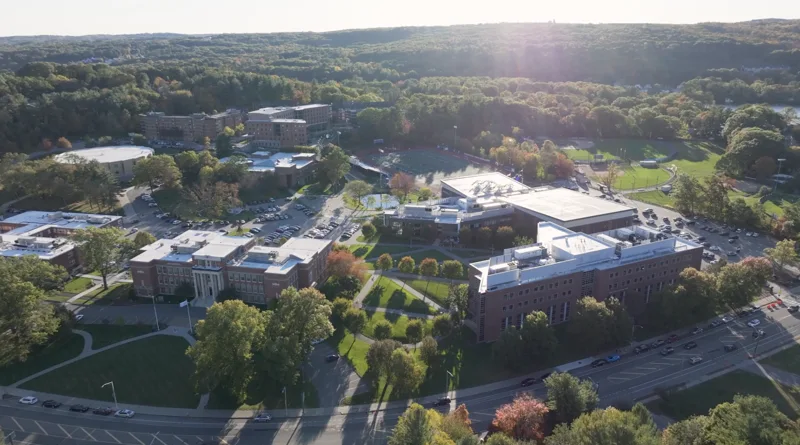
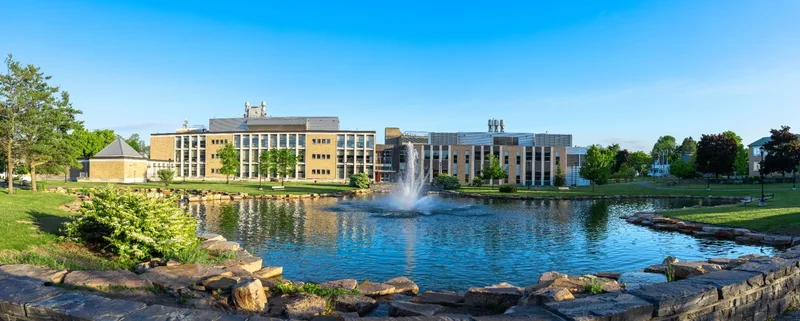
A traditional residential experience brings student organizations and outdoor recreation to a close-knit suburban campus, with Twin Cities opportunities nearby.
Athletics
Competing in NCAA Division III within the Wisconsin Intercollegiate Athletic Conference, athletes join an established program with notable histories in football and men's ice hockey.
Athletic department
Explore how the University of Wisconsin-River Falls supports its NCAA Division III athletic department through operating resources and recruiting investment, alongside the breakdown of athletes and athletic aid by gender.
Athletes
Recruiting spend
Source: the federal Equity in Athletics report, 2025.
Cost
At the University of Wisconsin-River Falls, in-state tuition can strengthen value, while published costs, net price after grants and need-based or merit-based aid help frame your family's budget.
Average net price
What families pay on average after grants and scholarships, including tuition, housing and fees.
Published tuition
The sticker price a year, before any aid.
Financial aid
Need-based and merit-based aid availableAthletic scholarships, where a program offers them, are awarded by the coaching staff and come on top of these figures.
NIL
NIL rating
The name, image and likeness (NIL) environment at the University of Wisconsin–River Falls offers student‑athletes at this NCAA Division III school a growing set of local and regional opportunities. Located in River Falls, Wisconsin, the college’s sports programs give athletes a platform to build personal brands and engage with the community while focusing on academics and competition.
See the full NIL breakdownStudent fit
The kind of student-athlete who tends to do well at University of Wisconsin–River Falls.
The University of Wisconsin-River Falls fits athletes seeking NCAA Division III competition, a small campus community and practical academic options, especially in agriculture, education or business. It suits students who can maintain steady study habits alongside practices and travel, while taking initiative to build faculty relationships and stay on track toward graduation. The suburban, residential setting works well if you want a close-knit college environment without giving up access to Twin Cities internships, cultural activities and employment. Families should be comfortable planning around need-based and merit-based aid rather than athletic aid, and weighing affordability against their student's specific career goals.
Who thrives here
Team First CompetitorsDisciplined Self StartersProfessor Relationship BuildersApplied Learning FocusedCost Conscious PlannersCamps
University of Wisconsin–River Falls has not posted new camp dates yet. These ran last season.
Four-week catching clinic for ages 8-13 with instruction from UWRF baseball coaching staff and current players.
Four-week catching clinic for ages 14-18 with instruction from UWRF baseball coaching staff and current players.
Series of day clinics (hitting, pitching, fielding) for ages 8-18 held across multiple weekend dates in February 2026.
Questions
It is known for strong programs in education, agriculture, business, environmental science, and the liberal arts, with an emphasis on hands-on learning, undergraduate research, and experiential opportunities such as internships and study abroad.
Admission is considered moderately selective. Applicants with a solid high school record, college-preparatory coursework, and competitive test scores or other demonstrated academic strengths generally have a good chance of being admitted.
The campus offers a close-knit, small-college atmosphere with a friendly Midwestern feel. Students benefit from smaller class sizes, easy access to faculty, and a traditional residential campus set in a scenic small town near the Twin Cities metropolitan area.
Popular areas of study include education, agriculture and animal science, business administration, biology, psychology, communication, and various STEM and liberal arts majors that prepare students for both careers and graduate study.
First-year students have access to orientation programs, academic advising, tutoring and writing support, first-year seminars, and residential programming designed to help them transition to college both academically and socially.
The academic difficulty is moderate, with coursework that is rigorous but manageable for students who stay engaged and keep up with assignments. Smaller class sizes foster discussion, personalized feedback, and regular interaction with professors.
Students can choose from traditional residence halls, suite-style living, and themed or learning communities. On-campus housing is commonly available to first-year and many upper-level students, helping create a strong residential community.
Students can participate in faculty-led programs, semester and year-long exchanges, and international internships. There is a long-standing emphasis on global engagement, with opportunities in a wide range of countries and academic disciplines.
Student life includes a variety of clubs and organizations, intramural sports, music and theater, leadership opportunities, volunteer programs, and outdoor activities. The small campus size makes it easy to get involved and build connections.
Yes, it competes in NCAA Division III with multiple men’s and women’s teams. Student-athletes balance academics and athletics, with access to training facilities, academic support, and competition in regional conferences.
Non-athletes can participate in intramural leagues, club sports, fitness classes, and outdoor recreation programs. Campus recreation facilities support activities like weight training, cardio workouts, and informal team sports.
It is a good fit for students who prefer a smaller campus with a strong sense of community, accessible professors, and a quieter setting, while still being within driving distance of the cultural, internship, and job opportunities of a larger metro area.
Compare
Other colleges worth comparing with University of Wisconsin–River Falls.
Career-focused academics, accessible admissions and a compact campus appeal to athletes seeking a balanced college experience.
Hands-on academics, career connections and Division III competition appeal to athletes who want a practical college experience.
Regional competition, specialized academic strengths and public university value give athletes several practical reasons to consider competing here.
Applied learning, WIAC competition and relatively affordable tuition appeal to athletes who want practical preparation alongside their sport.
Accessible admissions, applied academics and MASCAC competition give athletes practical reasons to consider this urban campus.
A small residential community and undergraduate-focused teaching give athletes a personal setting for balancing academics and competition.
Accessible faculty, public tuition and a commuter-friendly campus help athletes build a practical college experience.
Plattsburgh, NY
Why it is similar: Similar academics and size.Athletes choose this small campus for competitive athletics, accessible admissions, public tuition value and nearby outdoor recreation.
Career-oriented academics and Skyline Conference competition appeal to athletes seeking practical preparation alongside their sport.
Accessible admissions, career-focused majors and a welcoming campus give athletes practical reasons to consider competing here.
Accessible admissions, environmental science strengths and distinctive campus settings give athletes practical reasons to consider Stockton.
A smaller campus, reachable faculty and nearby Philadelphia opportunities help athletes build a life beyond competition.
Three ways to start
Pick the option that matches where you are, and we will show you the plan that fits.
News
Resources