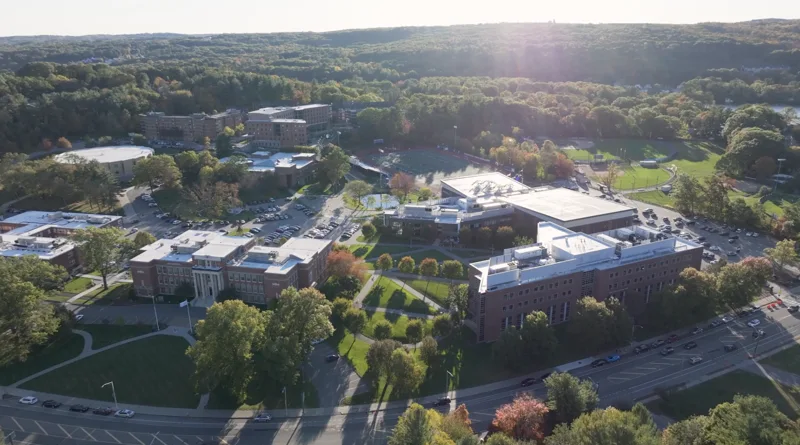
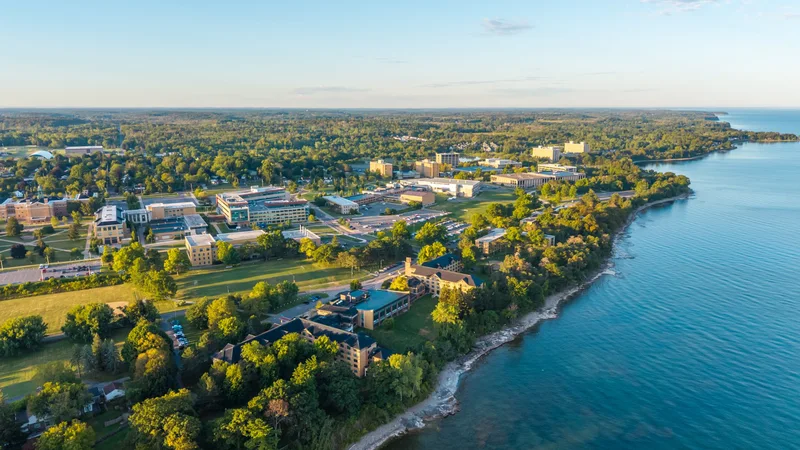
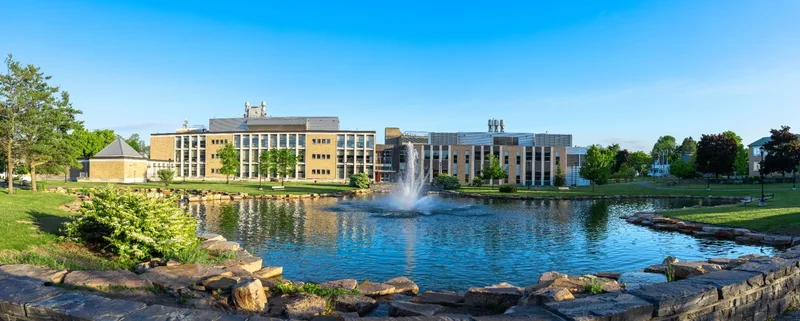
Division III competition, career-focused academics and a suburban campus give athletes several reasons to consider this college.
- 5,981
- Students
- 71%
- Admit rate
- $18,173
- Net price
Browse programs
College directoryEvery program, filtered by what fits Sport directoryMen's and women's, every division State directoryPrograms in the states you would play inGo deeper
Major directoryYour major and your sport in one list Camp directoryID camps and showcases at college programs Conference directoryEvery conference and its member colleges

Camden, New JerseyNew Jersey Athletic Conference
Overview
Mission and culture
Rutgers University-Camden offers a small urban campus in Camden, New Jersey, within a major public research university, with NCAA Division III athletics. Its strengths in business, arts and sciences, nursing and law sit alongside civic engagement and access to learning opportunities near Philadelphia.
Why athletes choose Rutgers University–Camden
A smaller campus, reachable faculty and nearby Philadelphia opportunities help athletes build a life beyond competition.
Fit check
Pick a sport, your position and level, add a test score if you have one, and get an instant read on your chances here. Free, and no account needed.
Academics
Rutgers University-Camden combines established academics in business, arts and sciences, nursing and law with research and civic engagement opportunities, giving athletes several directions for connecting coursework with career goals.
Academic strength
A composite of graduation rate, earnings after college, how selective admissions are and how hard the coursework is.
Acceptance rate
More selectiveMore accessible
Admissions are accessible, giving recruits with solid academic preparation a realistic opportunity while still requiring attention to classroom readiness.
Six-year graduation rate
0%100%
Students have a solid path to finishing, with consistent academic planning helping athletes stay on track.
Academic difficulty
Rated 3 out of 5
Coursework presents a balanced challenge, making consistent study habits important alongside athletic commitments.
Student to faculty ratio
students for every faculty member
Faculty are generally reachable, creating opportunities to build academic relationships and discuss coursework around your athletic schedule.
Median earnings
per year, ten years after starting college
Six years after: $61,263Graduate earnings suggest solid outcomes, giving families a useful reason to weigh career preparation alongside affordability.
Undergraduate enrollment
undergraduate students
The small undergraduate community offers a more personal campus experience while remaining part of a major research university.
SAT and ACT scores
Testing is optional, and the score profile suggests recruits should weigh whether their results strengthen an application built around solid classroom performance.
Most popular majors
Admissions
Prepare your application to Rutgers University-Camden by reviewing deadlines by plan, test policy, application fees and recommendation requirements alongside your conversations with the coaching staff.
Majors
29 undergraduate majors across 5 academic areas.
No major matches that search.
Campus life
Daily life centers on a small, friendly urban campus, with community engagement in Camden and access to Philadelphia's cultural and internship opportunities.
Athletics
The Scarlet Raptors compete in NCAA Division III, primarily in the New Jersey Athletic Conference, with notable competitive success in softball and men's soccer.
Athletic department
Explore how Rutgers University-Camden supports its smaller NCAA Division III athletic department through operating resources and recruiting spending, alongside the gender breakdown of participation, recruiting investment and athletic aid.
Athletes
Recruiting spend
Source: the federal Equity in Athletics report, 2025.
Cost
At Rutgers University-Camden, residency affects tuition, while need-based and merit-based aid can shape affordability, so compare the published cost with the average price families pay after grants.
Average net price
What families pay on average after grants and scholarships, including tuition, housing and fees.
Published tuition
The sticker price a year, before any aid.
Financial aid
Need-based and merit-based aid availableAthletic scholarships, where a program offers them, are awarded by the coaching staff and come on top of these figures.
NIL
NIL rating
Rutgers University–Camden in Camden, New Jersey offers a growing name, image and likeness (NIL) environment that fits an urban NCAA Division III campus. Student-athletes in various Rutgers–Camden college sports can find niche opportunities focused on community presence, academics, and regional connections across South Jersey and the greater Philadelphia area.
See the full NIL breakdownStudent fit
The kind of student-athlete who tends to do well at Rutgers University–Camden.
Rutgers University-Camden fits athletes who want NCAA Division III competition and a smaller campus without giving up the academic breadth of a major research university. It suits students seeking a balanced academic challenge, accessible faculty and career-oriented options in areas such as business, criminal justice or biology. You should be comfortable in an urban setting and interested in using Camden and nearby Philadelphia for internships, community-engaged learning or cultural experiences beyond your sport. Families who need athletic scholarship funding should look elsewhere, while those willing to explore need-based and merit-based aid can assess whether the overall cost works for them.
Who thrives here
Self Motivated AthletesProfessor Relationship SeekersCareer Focused CompetitorsUrban Opportunity BuildersCommunity Engaged StudentsQuestions
It is known for strong programs in the arts and sciences, business, nursing, law, and public affairs, with particular strengths in criminal justice, psychology, English, and interdisciplinary research that connects directly to urban issues and public service.
The campus is located in Camden, New Jersey, just across the river from Philadelphia, and offers an urban, compact setting with modern academic buildings, access to cultural institutions, and a close-knit community feel due to its smaller size.
Admission is moderately competitive. Applicants with solid grades, a strong college prep curriculum, and a well-rounded profile have a good chance of admission, and the school takes a holistic view of each application.
Classes are generally smaller than at large research universities, which allows for more personal interaction with professors, easier participation in class discussions, and increased access to mentoring and undergraduate research opportunities.
Yes, it offers residence halls and apartment-style housing options, with facilities designed to support first-year students as well as upperclass students who want to live on or near campus for quick access to classes and activities.
Students may qualify for a mix of need-based financial aid, merit scholarships, grants, loans, and work-study opportunities, and many awards are based on academic performance, financial need, and, in some cases, special talents or backgrounds.
Popular majors include business administration, criminal justice, nursing, psychology, biology, English, political science, and various interdisciplinary programs that emphasize real-world experience and community engagement.
It is transfer-friendly, offering clear transfer credit evaluations, dedicated advising, and multiple pathways from community colleges, especially within New Jersey, to help students transition smoothly and complete their degrees on time.
Its varsity teams compete at the NCAA Division III level, emphasizing a balance between academics and athletics, with student-athletes encouraged to pursue rigorous coursework while participating in competitive collegiate sports.
Student-athletes can participate in several men’s and women’s varsity sports such as soccer, basketball, baseball or softball, tennis, cross country, and track and field, along with additional club and intramural sports for recreational play.
Campus life includes student organizations, cultural groups, honor societies, service opportunities, and events that often connect with the broader Camden and Philadelphia communities, creating a blend of campus activities and city experiences.
Undergraduates have many opportunities to work directly with faculty on research, creative projects, and community-based initiatives in areas such as science, social science, the humanities, and public policy, often with the chance to present or publish their work.
Compare
Other colleges worth comparing with Rutgers University–Camden.
Division III competition, career-focused academics and a suburban campus give athletes several reasons to consider this college.
A residential community, leadership opportunities and competitive athletics appeal to recruits who want involvement beyond their sport.
Accessible admissions, environmental science strengths and distinctive campus settings give athletes practical reasons to consider Stockton.
Accessible admissions, applied academics and MASCAC competition give athletes practical reasons to consider this urban campus.
Applied learning, WIAC competition and relatively affordable tuition appeal to athletes who want practical preparation alongside their sport.
Lakeside campus life, accredited academic options and public tuition appeal to athletes pursuing Division III competition.
Plattsburgh, NY
Why it is similar: Similar academics and size.Athletes choose this small campus for competitive athletics, accessible admissions, public tuition value and nearby outdoor recreation.
Career-focused programs, accessible admissions and regional Division III competition give athletes practical reasons to consider this campus.
Accessible faculty, public tuition and a commuter-friendly campus help athletes build a practical college experience.
Accessible admissions, career-focused majors and a welcoming campus give athletes practical reasons to consider competing here.
Stevens Point, WI
Why it is similar: Similar academics and size.Regional competition, specialized academic strengths and public university value give athletes several practical reasons to consider competing here.
Hands-on academics, career connections and Division III competition appeal to athletes who want a practical college experience.
Three ways to start
Pick the option that matches where you are, and we will show you the plan that fits.
Resources