What is the University of North Carolina at Asheville known for academically?
It is known for its strong liberal arts and sciences curriculum, undergraduate research opportunities, and an emphasis on critical thinking, writing, and interdisciplinary study. Students benefit from small classes, close interaction with faculty, and a curriculum that encourages exploration across the humanities, natural sciences, and social sciences.
Is the University of North Carolina at Asheville hard to get into?
Admission is moderately selective. Applicants are evaluated on high school coursework, grades, test scores if submitted, essays, and extracurricular involvement. Strong academic preparation, especially in core subjects, along with evidence of curiosity and engagement outside the classroom generally improves an applicant’s chances.
What is the campus environment like at the University of North Carolina at Asheville?
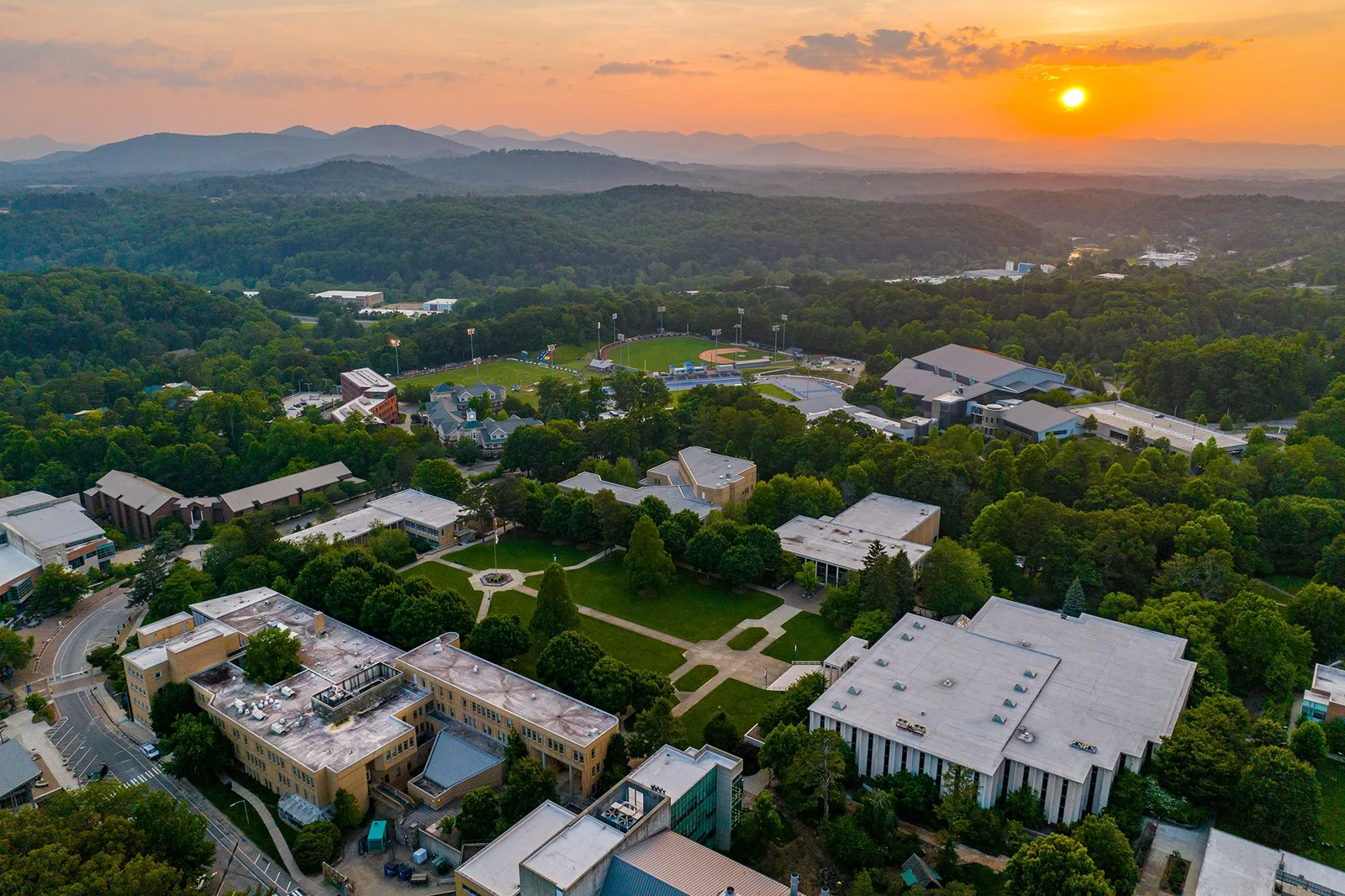
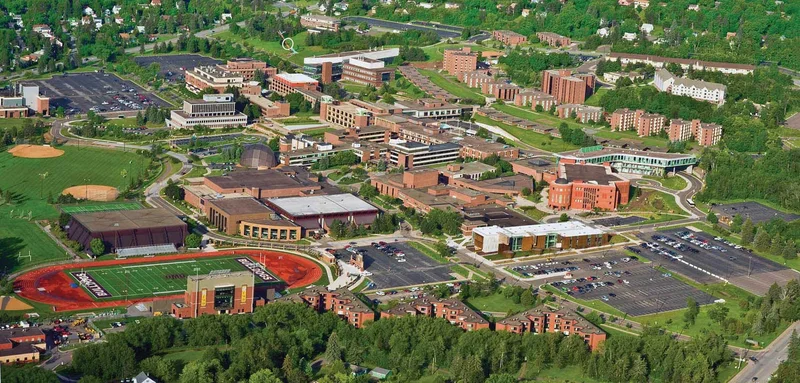
The campus has a small, close-knit feel with a collaborative and welcoming community. Students often know their classmates and professors well, and the atmosphere blends a traditional college setting with the creative, outdoors-focused culture of the surrounding Asheville area.
What majors are popular at the University of North Carolina at Asheville?
Popular areas of study include environmental studies, psychology, biology, engineering, creative writing, management, and the visual and performing arts. Many programs incorporate undergraduate research, community engagement, and interdisciplinary coursework.
How strong are the athletics programs at the University of North Carolina at Asheville?
The university competes in NCAA Division I and offers a range of varsity sports for men and women. Student-athletes benefit from competitive schedules, modern training facilities, academic support services, and opportunities to balance athletics with rigorous coursework.
Does the University of North Carolina at Asheville offer athletic scholarships?
As a Division I institution, it can offer athletic scholarships in many of its varsity sports. Scholarship availability and amounts vary by sport, roster needs, and individual evaluation, and awards are typically combined with academic or need-based aid when appropriate.
What is student life like at the University of North Carolina at Asheville?
Student life is active and community-oriented, with numerous clubs, student organizations, and arts and cultural events. The small size makes it easy to get involved, and many students take advantage of outdoor recreation, music, and local festivals in Asheville in addition to campus activities.
How does the University of North Carolina at Asheville support undergraduate research?
Undergraduate research is a major focus, and students in many majors can work closely with faculty on original projects, honors theses, and independent studies. Opportunities are available in the sciences, humanities, arts, and social sciences, often leading to presentations, publications, or creative showcases.
What housing options are available for students at the University of North Carolina at Asheville?
On-campus housing includes traditional residence halls and suite-style or apartment-style options. Housing is designed to build community, and some areas feature themed or living-learning communities that connect students with similar academic or personal interests.
What is the surrounding city of Asheville like for college students?
Asheville is known for its vibrant arts scene, live music, local food, and easy access to the Blue Ridge Mountains. College students enjoy hiking, kayaking, and outdoor activities, as well as galleries, coffee shops, and community events within a short distance of campus.
How does the University of North Carolina at Asheville support student success and advising?
Students have access to academic advising, tutoring, writing and math centers, and career services. Advisors help plan class schedules and long-term goals, while support centers assist with coursework, study skills, and preparation for internships, graduate school, or employment.
What class sizes can students expect at the University of North Carolina at Asheville?
Class sizes are generally small, especially in upper-level courses, allowing for discussion-based learning and individualized attention. This environment makes it easier for students to participate actively, receive feedback, and build mentoring relationships with professors.