
Recruiting campVolleyball · Women's
Volleyball (High School) - Session 1
- Jun 8 to 10, 2026
- $200
High school volleyball camp (day camp) listed on CSU Summer Programs 2026.
Browse programs
College directoryEvery program, filtered by what fits Sport directoryMen's and women's, every division State directoryPrograms in the states you would play inGo deeper
Major directoryYour major and your sport in one list Camp directoryID camps and showcases at college programs Conference directoryEvery conference and its member collegesOverview
Mission and culture
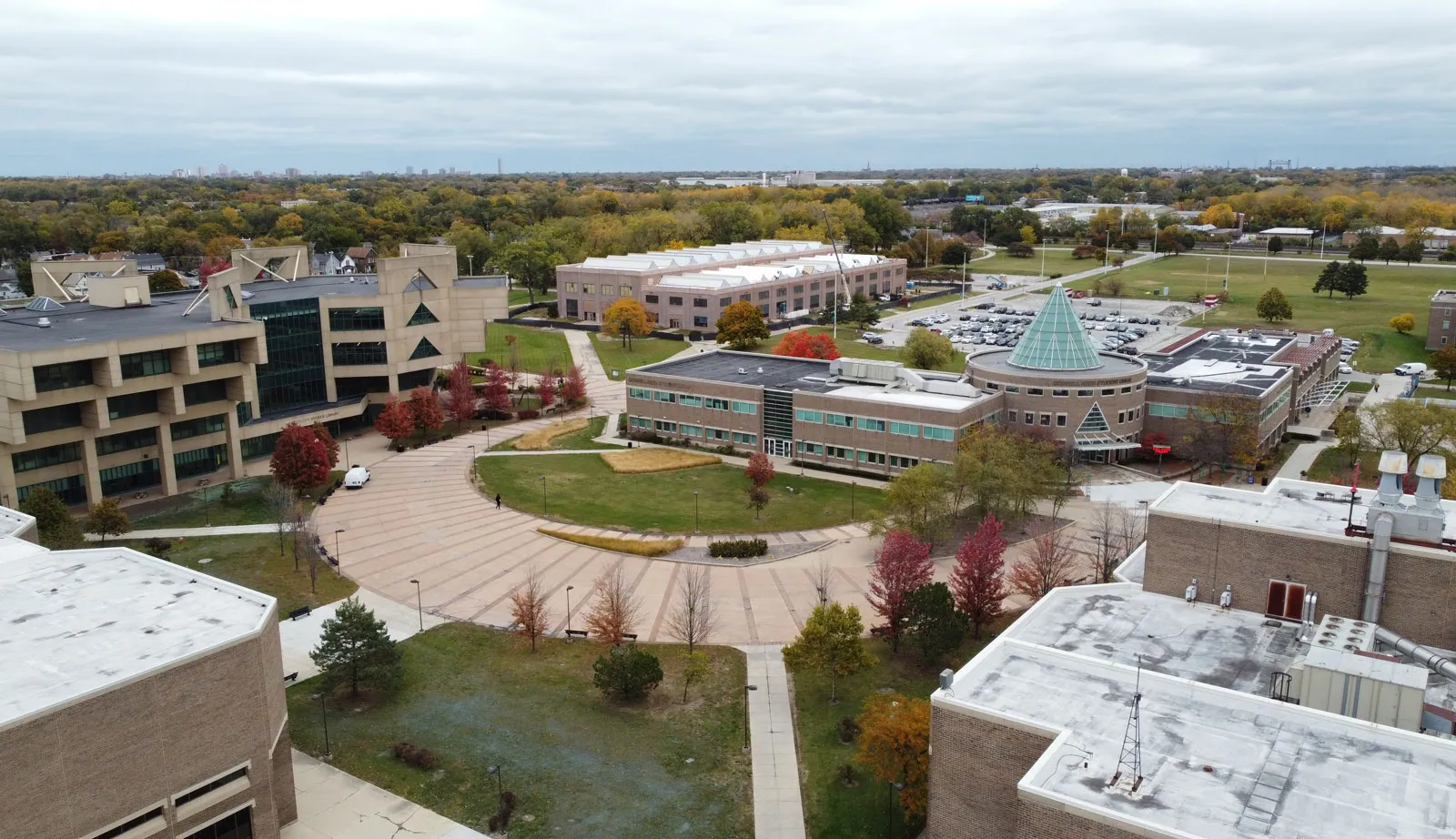
Chicago State University combines NCAA Division I athletics with a small undergraduate community on Chicago’s South Side. Its College of Pharmacy and career-focused programs in education, business and health help define an urban campus where many students commute and affordability matters to families.
Why athletes choose Chicago State University
Athletes can pair high-level competition with personal faculty access, career-focused study and an urban college experience.
Fit check
Pick a sport, your position and level, add a test score if you have one, and get an instant read on your chances here. Free, and no account needed.
Academics
Chicago State University emphasizes career preparation in education, business and health, with an academic profile that helps recruits weigh classroom expectations, faculty access and the path from enrollment to employment.
Academic strength
A composite of graduation rate, earnings after college, how selective admissions are and how hard the coursework is.
Acceptance rate
More selectiveMore accessible
Admissions are moderately selective, so solid classroom preparation matters even when your athletic ability draws recruiting interest.
Six-year graduation rate
0%100%
Finishing a degree takes real self-direction, making consistent advising and use of support services especially important.
Academic difficulty
Rated 3 out of 5
Coursework presents a balanced challenge, making consistent study habits important alongside athletic commitments.
Student to faculty ratio
students for every faculty member
The personal academic environment makes close faculty mentoring more likely as you balance classes and competition.
Median earnings
per year, ten years after starting college
Six years after: $33,805Graduate earnings are modest, so families should prioritize affordability, practical experience and a clear career plan.
Undergraduate enrollment
undergraduate students
The small undergraduate community offers a more familiar daily environment, even within the broader setting of Chicago.
SAT and ACT scores
The test profile suggests room for varied academic backgrounds, and optional testing lets recruits decide whether scores strengthen their application.
Most popular majors
Admissions
Prepare your application to Chicago State University by reviewing deadlines by plan, test policy, application fees and recommendation requirements alongside your recruiting conversations.
Not binding. Hear back early and decide by May 1.
The standard deadline. Not binding.
Majors
24 undergraduate majors across 6 academic areas.
No major matches that search.
Campus life
Daily life centers on a small, diverse urban campus on Chicago’s South Side, with commuter students and career-focused support shaping the experience.
Athletics
Competing in NCAA Division I and the Northeast Conference brings a demanding athletic schedule. Basketball, soccer and tennis are among the options for prospective recruits.
Athletic department
Explore how Chicago State University supports its NCAA Division I athletes through department resources, with a closer look at revenue, recruiting expenditures and athletic aid distribution by gender.
Athletes
Athletic aid
Source: the federal Equity in Athletics report, 2025.
Cost
At Chicago State University, relatively affordable public tuition and need-based or merit-based aid make it important to compare published costs with your price after grants.
Average net price
What families pay on average after grants and scholarships, including tuition, housing and fees.
Published tuition
The sticker price a year, before any aid.
Financial aid
Need-based and merit-based aid availableAthletic scholarships, where a program offers them, are awarded by the coaching staff and come on top of these figures.
NIL
NIL rating
Chicago State University in Chicago, Illinois offers student-athletes a solid name, image and likeness (NIL) environment, combining NCAA Division I visibility with access to a major metropolitan market. Athletes across Chicago State’s college sports can explore NIL opportunities that connect with both the campus community and the wider Chicago area.
See the full NIL breakdownStudent fit
The kind of student-athlete who tends to do well at Chicago State University.
Chicago State University is best suited to athletes seeking NCAA Division I competition, a small undergraduate community and an urban campus rather than a primarily residential college experience. It may appeal especially to recruits interested in business, education or health who value accessible faculty and support for first-generation or nontraditional students. You should be ready to manage training, commuting if needed and consistent academic follow-through, because reaching graduation requires real self-direction and active use of support services. Families who prioritize affordability should weigh the aid offer alongside living expenses and practical career preparation.
Who thrives here
Under The Radar CompetitorsResilient BuildersCity Life FansFirst Generation StudentsCareer Focused PlannersCamps
Chicago State University has not posted new camp dates yet. These ran last season.
High school volleyball camp (day camp) listed on CSU Summer Programs 2026.
One-day women's basketball summer session listed on CSU Summer Programs 2026 (time listed on page).
One-day women's basketball summer session listed on CSU Summer Programs 2026 (time listed on page).
Questions
Chicago State University is known for its strong focus on teaching, student support, and career-oriented programs, particularly in fields like business, health sciences, education, and liberal arts. It emphasizes small class sizes, faculty access, and opportunities for research and community engagement in an urban setting.
Admission is considered competitive but accessible, with a holistic review that looks at grades, course rigor, test scores when submitted, and overall academic preparation. Students who meet the recommended GPA and prerequisite coursework and who demonstrate college readiness generally have a solid chance of being admitted.
The campus offers a small, close-knit environment within a major city, combining a community feel with access to Chicago’s professional, cultural, and internship opportunities. Students often value the supportive atmosphere, commuter-friendly options, and strong ties to the surrounding neighborhoods.
The university is known for its commitment to first-generation, transfer, and nontraditional students, offering advising, tutoring, mentoring, and transition programs. These services are designed to help students adjust academically and socially, stay on track for graduation, and connect with campus resources early on.
Popular areas of study include business and management, criminal justice, education, health sciences, biology, and psychology. Many programs are designed with a practical focus, incorporating internships, clinical experiences, or fieldwork to help students build career-ready skills.
Student life centers around student organizations, cultural and academic clubs, service projects, and campus events, with a strong emphasis on community and leadership development. Many students balance classes with work or family responsibilities, so activities are often scheduled to accommodate commuters and nontraditional students.
The university offers career services that include resume help, interview preparation, career fairs, and networking events with local employers. Its Chicago location gives students access to a wide range of internship and job opportunities in business, healthcare, education, public service, and nonprofit sectors.
It can be a strong option for Division I student-athletes looking for a smaller campus environment, individualized academic attention, and the chance to compete at a high level. Athletes benefit from academic support services, training facilities, and the experience of playing against other Division I programs while still being part of an intimate campus community.
The university competes in NCAA Division I across multiple men’s and women’s sports, offering opportunities for varsity competition, structured training, and travel for games. In addition to varsity teams, students can often engage in recreation and fitness programs that support overall wellness and school spirit.
The institution is generally considered an affordable public option, especially for in-state students, and participates in federal and state financial aid programs. Students may qualify for grants, scholarships, work-study, and loans, and many use a mix of aid and payment plans to help manage costs.
It is often a good fit for students who prefer smaller class sizes and direct interaction with professors. The campus size allows for more personalized advising, easier access to faculty, and a learning environment where students are more likely to be known by name.
The campus is located on the South Side of Chicago, giving students access to public transportation, cultural institutions, professional sports, arts, and diverse neighborhoods. Many students take advantage of the city for internships, part-time work, and networking while still having defined campus grounds for classes and activities.
Compare
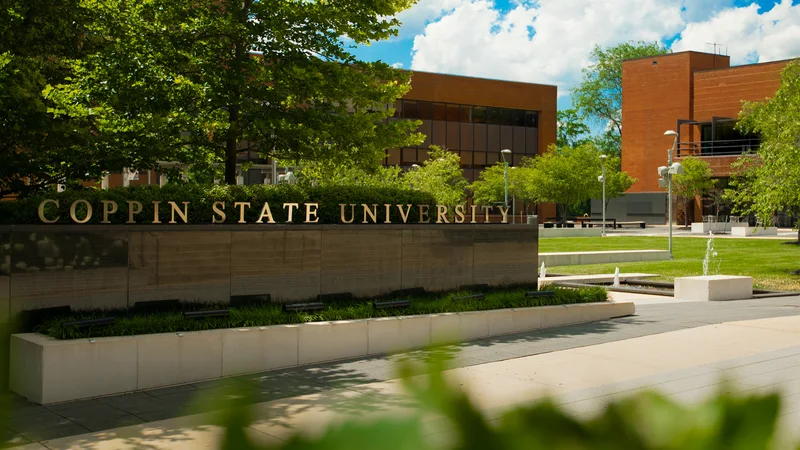
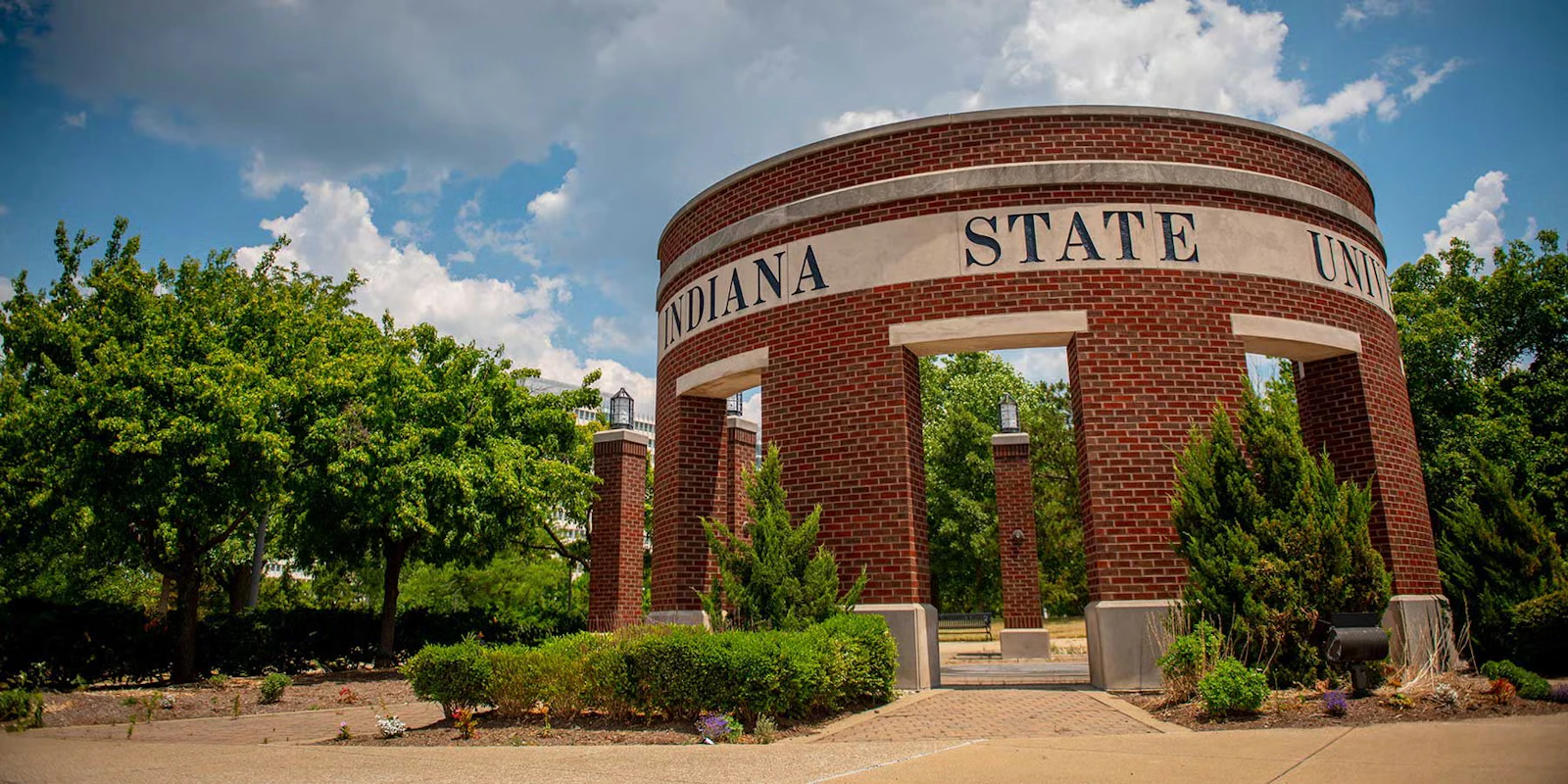
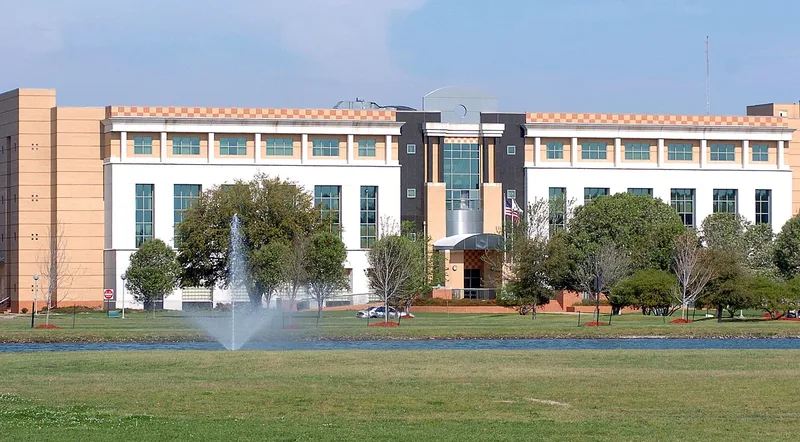
Other colleges worth comparing with Chicago State University.
Athletes can combine Division I competition with a small HBCU community, career-focused academics and affordable public education.
Athletes find competitive conference play, a supportive campus and practical academic options within a historically Black university.
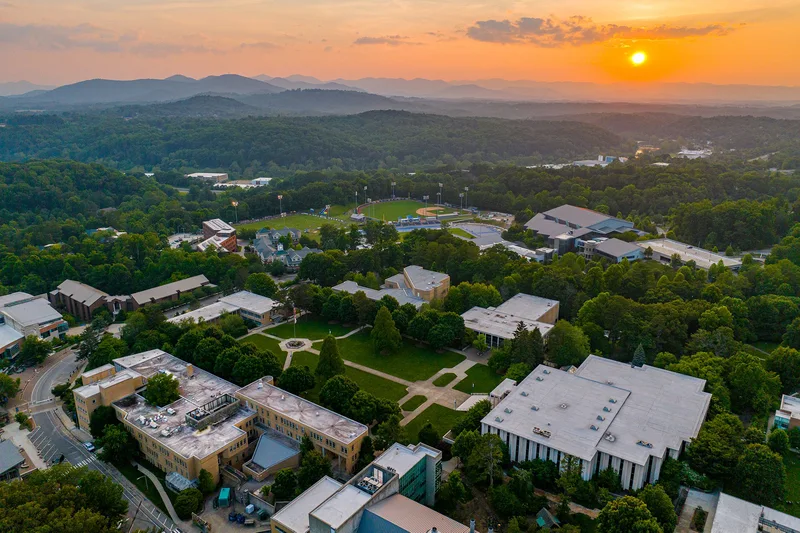
Asheville, NC
Why it is similar: Similar academics and size.Close faculty connections, undergraduate research and Asheville's arts and outdoor opportunities complement the Division I athletic experience.
Accessible admissions, practical academics and affordable costs make a residential Division I experience worth considering here.
Downtown access, approachable admissions and career-focused academics give athletes practical reasons to consider competing here.
Accessible admissions, affordability and a small-campus community give recruits practical reasons to consider competing here.
Southland competition, career-focused programs and regional affordability give athletes practical reasons to consider this Bayou Region campus.
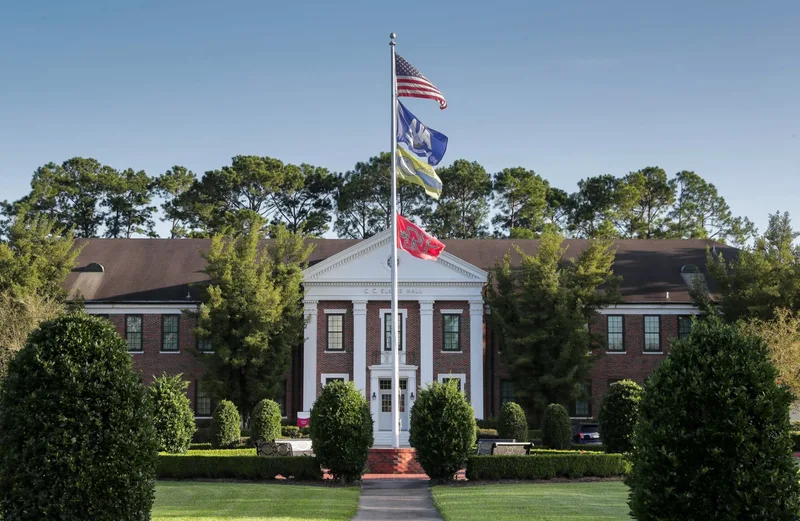
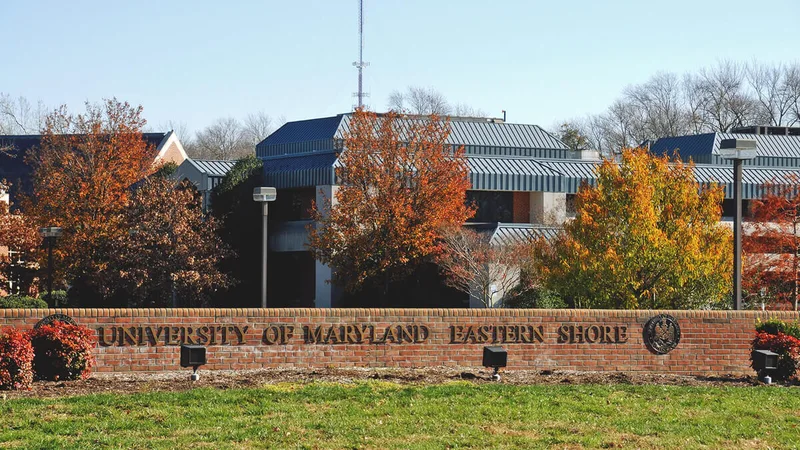
Division I competition, a close HBCU community and distinctive career programs give athletes strong reasons to consider UMES.
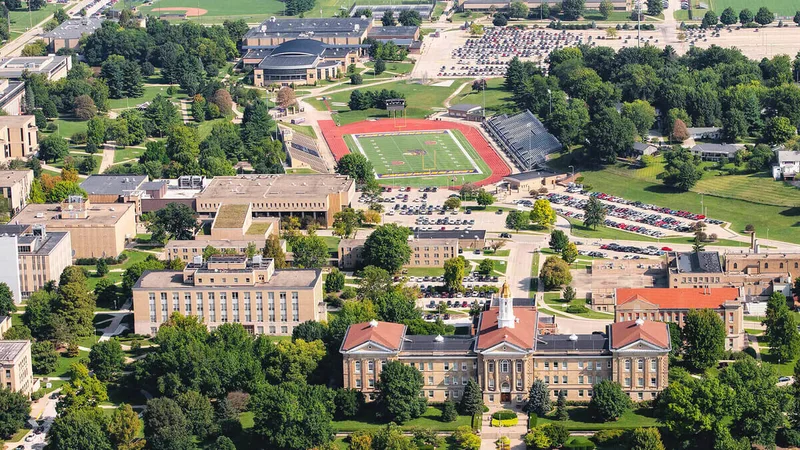
Division I competition, applied academics and public university value appeal to athletes seeking a smaller campus.
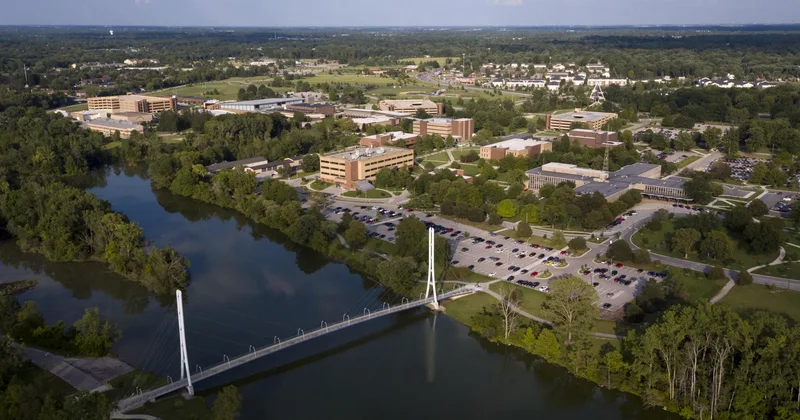
Purdue system academics, approachable faculty and regional career connections complement the demands of Division I competition.
Career-focused programs, affordable tuition and an urban campus give athletes practical reasons to pursue Division I competition here.
A supportive HBCU community and career-focused academics give athletes reasons to look beyond the competition.
Three ways to start
Pick the option that matches where you are, and we will show you the plan that fits.
Resources