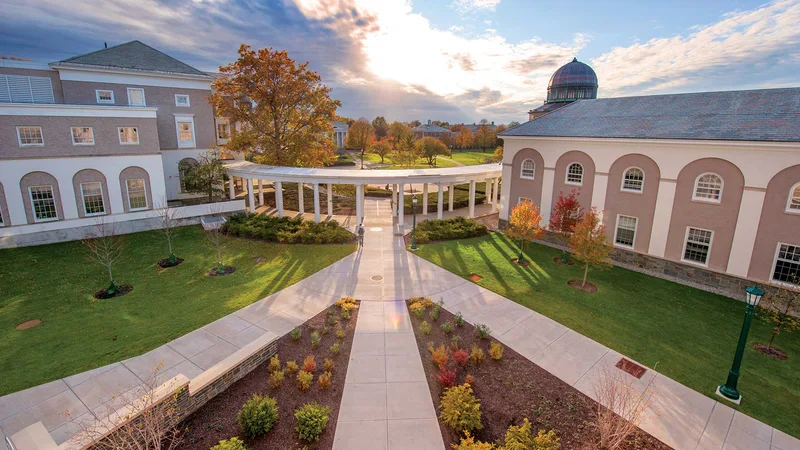

Global learning, a close-knit campus and competitive conference programs give athletes reasons to consider Dickinson.
- 2,314
- Students
- 42%
- Admit rate
- $37,607
- Net price
Browse programs
College directoryEvery program, filtered by what fits Sport directoryMen's and women's, every division State directoryPrograms in the states you would play inGo deeper
Major directoryYour major and your sport in one list Camp directoryID camps and showcases at college programs Conference directoryEvery conference and its member colleges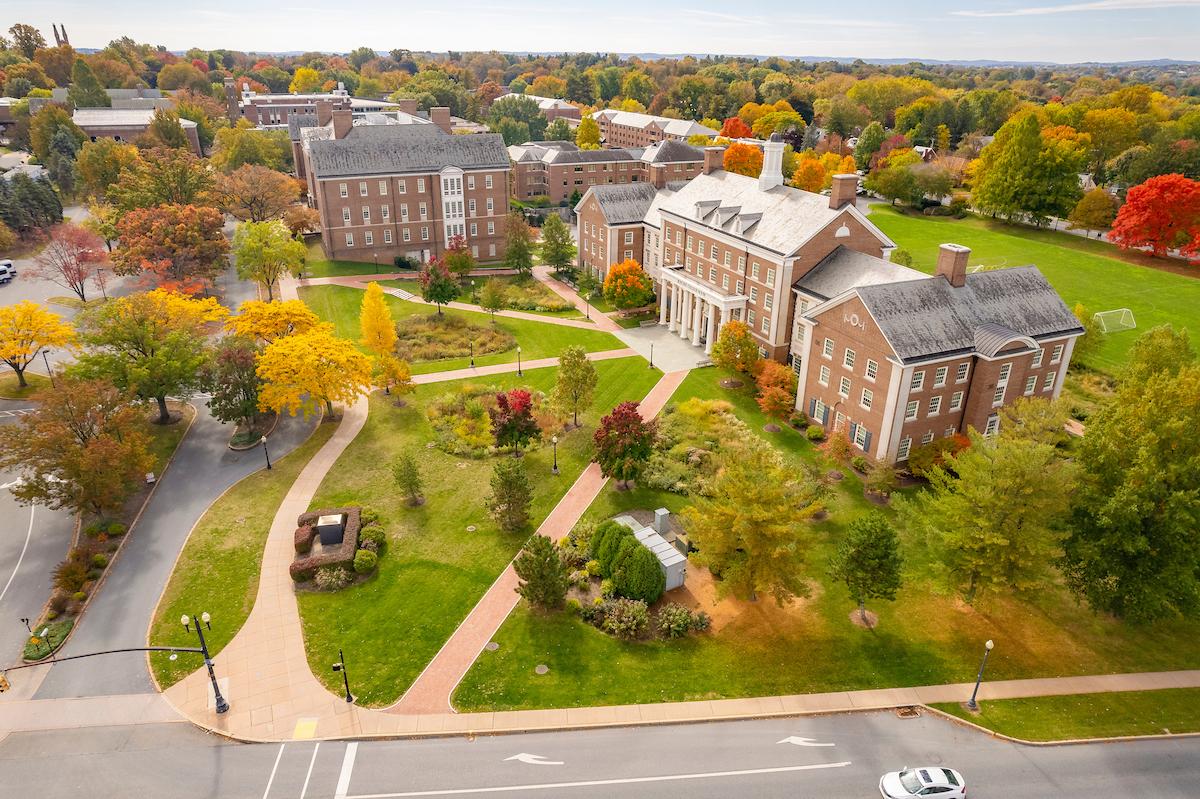

Lancaster, PennsylvaniaCentennial Conference
Overview
Mission and culture
Franklin & Marshall College is a residential liberal arts college in Lancaster, Pennsylvania, with strong undergraduate research and close faculty mentorship. Athletics compete primarily in NCAA Division III's Centennial Conference, while a rigorous, writing-intensive curriculum makes this a fit for recruits who want academics to remain central.
Why athletes choose Franklin & Marshall College
Close faculty relationships, research opportunities and Centennial Conference competition appeal to athletes seeking a demanding liberal arts education.
Fit check
Pick a sport, your position and level, add a test score if you have one, and get an instant read on your chances here. Free, and no account needed.
Academics
Franklin & Marshall College pairs research opportunities and close mentorship with rigorous liberal arts coursework, making academic preparation, major choice and the balance between studying and competing especially important.
Academic strength
A composite of graduation rate, earnings after college, how selective admissions are and how hard the coursework is.
Acceptance rate
More selectiveMore accessible
Admissions are selective, so recruits need strong classroom performance and should treat academic preparation as central to their candidacy.
Six-year graduation rate
0%100%
Graduation outcomes suggest an excellent path to finishing on time while maintaining progress alongside athletic commitments.
Academic difficulty
Rated 5 out of 5
Very challenging, writing-intensive coursework demands careful time management alongside practices, travel and competition.
Student to faculty ratio
students for every faculty member
A personal academic environment makes close mentoring likely, helping athletes build faculty relationships around demanding schedules.
Median earnings
per year, ten years after starting college
Six years after: $62,544Strong graduate earnings support the college's value, though families should still weigh aid and career goals carefully.
Undergraduate enrollment
undergraduate students
The small undergraduate community offers a familiar residential environment where athletes can build connections beyond their own programs.
SAT and ACT scores
Testing is optional, but the strong score profile suggests submitted results should reinforce an already well-prepared academic application rather than substitute for classroom performance.
Most popular majors
Admissions
Prepare your Franklin & Marshall College application by reviewing deadlines by plan, test policy, the application fee and recommendation requirements alongside your recruiting timeline.
Binding. If admitted, you commit to attend.
A second binding round with a later deadline.
The standard deadline. Not binding.
Majors
34 undergraduate majors across 5 academic areas.
No major matches that search.
Campus life
A small residential campus combines Greek life, arts events and student-run gathering spaces with access to walkable Lancaster and its urban surroundings.
Athletics
Most programs compete in NCAA Division III's Centennial Conference, while wrestling competes in NCAA Division I, giving recruits different competitive settings within the same college.
Athletic department
Explore how Franklin & Marshall College supports its primarily NCAA Division III athletic department through program spending, recruiting investment and the distribution of athletic aid and recruiting resources by gender.
Athletes
Athletic aid
Recruiting spend
Source: the federal Equity in Athletics report, 2025.
Cost
At Franklin & Marshall College, compare the published cost with the net price after grants, then examine how available need-based and merit-based aid affects your family's budget.
Average net price
What families pay on average after grants and scholarships, including tuition, housing and fees.
Published tuition
The sticker price a year, before any aid.
Financial aid
Need-based and merit-based aid availableAthletic scholarships, where a program offers them, are awarded by the coaching staff and come on top of these figures.
NIL
NIL rating
Franklin & Marshall College in Lancaster, Pennsylvania offers a growing name, image and likeness (NIL) environment that fits a high-academic NCAA Division III college sports program. Student-athletes can build their personal brands on campus and in the local community while balancing rigorous academics and athletics.
See the full NIL breakdownStudent fit
The kind of student-athlete who tends to do well at Franklin & Marshall College.
Franklin & Marshall College fits athletes who want primarily NCAA Division III competition without stepping away from a demanding liberal arts education. Strong students who enjoy writing, research and direct faculty interaction are well matched to its academic culture, especially those considering economics, government or biology and future graduate or professional study. The small residential community and walkable Lancaster setting suit recruits who want familiar faces on campus with city life nearby. Athletes seeking a lighter academic workload may find the balance difficult, while families should weigh the financial aid offer carefully against the college's strong graduation and career outcomes.
Who thrives here
Residential Liberal Arts FansStructure Driven CompetitorsGrad School PlannersMentorship SeekersCareer Focused AthletesQuestions
Franklin & Marshall College is known for its strong liberal arts curriculum, close student-faculty interaction, and rigorous academic standards. It offers a wide range of majors in the humanities, social sciences, natural sciences, and interdisciplinary fields, with particular strengths in government, business-related programs, biology, and the arts.
Franklin & Marshall College is located in Lancaster, Pennsylvania, a small city known for its historic downtown, arts scene, and nearby rural landscapes. Students have access to restaurants, shops, cultural events, and internship opportunities in a walkable urban environment with easy access to major East Coast cities.
Admission to Franklin & Marshall College is considered very competitive. The college looks for strong academic performance, challenging coursework, solid writing, and meaningful extracurricular involvement. Holistic review is used, so essays, recommendations, and activities all play an important role in the decision.
Classes at Franklin & Marshall are generally small, which promotes discussion-based learning and close contact with professors. The learning environment emphasizes critical thinking, writing, and collaborative projects, and students can expect to know their professors well and receive individual attention.
Yes, undergraduates have extensive research opportunities across disciplines. Students can work directly with faculty on projects in the sciences, social sciences, and humanities, often beginning as early as their first or second year. Many students present at conferences or co-author publications before graduation.
The campus community is close-knit and residential, with most students living on or near campus. Student life includes clubs, service organizations, arts and performance groups, student government, and a strong tradition of campus events. The college uses a house system that helps build community and connections across class years.
Students are typically housed in residential colleges and themed communities, with options that include traditional residence hall rooms and suite-style living as they advance. Housing is designed to integrate academic and social life, and many students live on campus for the majority of their time in college.
Graduates benefit from a well-regarded reputation among employers and graduate schools. The college offers robust career services, including advising, internship support, and networking opportunities. Alumni are active in mentoring and recruiting, and many students secure jobs, fellowships, or graduate school placements soon after graduation.
Franklin & Marshall competes in NCAA Division III, emphasizing a balance between academics and athletics. The sports culture is competitive yet student-centered, with many students participating in varsity, club, or intramural athletics while maintaining full academic commitments.
Prospective student-athletes should know that teams compete at a high Division III level and expect strong dedication to both sport and academics. Students manage rigorous coursework alongside practices and competitions, and they benefit from supportive academic resources, athletic facilities, and a team-oriented campus community.
The college offers need-based financial aid and may provide merit-based awards to eligible students. Aid packages can include grants, work-study, and limited loans, and applicants are encouraged to submit financial aid forms on time to receive full consideration.
Students who thrive are typically intellectually curious, comfortable with a demanding academic environment, and eager to participate in a close campus community. Those who enjoy discussion-based classes, seek meaningful involvement outside the classroom, and value strong relationships with professors tend to do especially well.
Compare
Other colleges worth comparing with Franklin & Marshall College.
Global learning, a close-knit campus and competitive conference programs give athletes reasons to consider Dickinson.
Close faculty mentorship and rigorous liberal arts study appeal to athletes seeking an academically focused college experience.
Engineering, close faculty relationships and a residential campus with city access give athletes distinct reasons to consider Union.
Close faculty relationships, challenging liberal arts coursework and Centennial Conference competition make this a distinctive recruiting option.
Close faculty relationships, NESCAC competition and Hartford internship opportunities appeal to athletes seeking a demanding liberal arts experience.
Immersive academics, close faculty connections and varied athletic competition appeal to recruits who also value outdoor experiences.
Close faculty relationships and Memphis opportunities give athletes a college experience that extends beyond competition.
Close faculty relationships and Los Angeles opportunities complement a residential liberal arts experience and Division III competition.
Close faculty relationships and a residential community help athletes pursue demanding academics alongside Northwest Conference competition.
Close faculty relationships, interdisciplinary study and NESCAC competition appeal to athletes seeking a small residential college.
Individualized study and Skyline Conference competition appeal to athletes who want room for creative and academic exploration.
Close faculty relationships, globally focused academics and Twin Cities opportunities complement competitive Division III athletics here.
Three ways to start
Pick the option that matches where you are, and we will show you the plan that fits.
Resources