A Christian community, career-focused academics and nationally successful athletics draw recruits seeking a small-campus experience.
- 3,321
- Students
- 96%
- Admit rate
- $26,106
- Net price
Browse programs
College directoryEvery program, filtered by what fits Sport directoryMen's and women's, every division State directoryPrograms in the states you would play inGo deeper
Major directoryYour major and your sport in one list Camp directoryID camps and showcases at college programs Conference directoryEvery conference and its member colleges

Forest Grove, OregonNorthwest Conference
Overview
Mission and culture
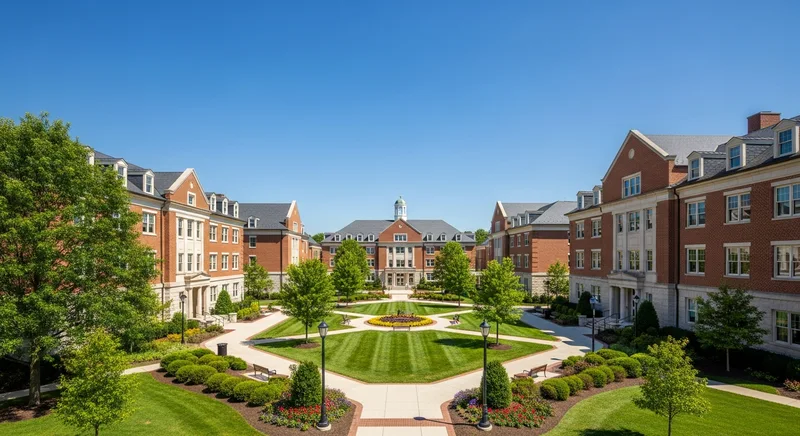
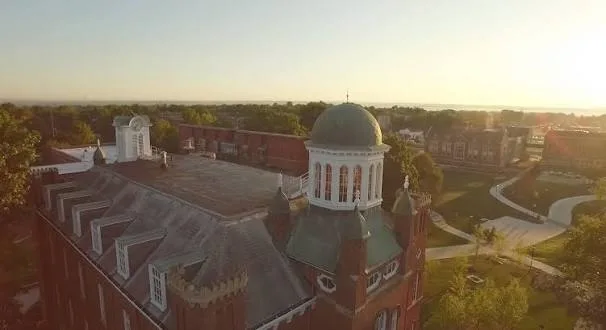
Pacific University offers a small-campus experience in Forest Grove, Oregon, with a strong emphasis on health professions and personalized learning. Its NCAA Division III athletics compete in the Northwest Conference, giving recruits a setting that combines college competition, close faculty contact and access to the Portland metropolitan area.
Why athletes choose Pacific University
Health-focused academics, accessible admissions and Northwest Conference competition appeal to athletes seeking a small Oregon campus.
Fit check
Pick a sport, your position and level, add a test score if you have one, and get an instant read on your chances here. Free, and no account needed.
Academics
Pacific University emphasizes health professions and personalized learning, making academic fit a question of career direction, classroom expectations and how comfortably you can balance coursework with your athletic commitments.
Academic strength
A composite of graduation rate, earnings after college, how selective admissions are and how hard the coursework is.
Acceptance rate
More selectiveMore accessible
Admissions are highly accessible, so recruits can focus on demonstrating classroom readiness rather than navigating an especially selective process.
Six-year graduation rate
0%100%
Students have a solid path to graduation, with consistent academic progress important throughout an athletic career.
Academic difficulty
Rated 3 out of 5
Coursework presents a balanced challenge that calls for steady study habits alongside athletic commitments.
Student to faculty ratio
students for every faculty member
The personal academic environment makes close faculty mentoring realistic, especially when you actively build those relationships.
Median earnings
per year, ten years after starting college
Six years after: $46,936Graduate earnings suggest solid outcomes, giving families a useful starting point for weighing cost against career goals.
Undergraduate enrollment
undergraduate students
The small undergraduate community offers a more familiar daily environment, appealing to athletes who prefer a close-knit campus.
SAT and ACT scores
The test score profile accommodates varied academic backgrounds, but scores are sometimes required, so confirm which testing expectations apply to your application.
Most popular majors
Admissions
Planning your application to Pacific University means reviewing deadlines by plan, test policy, application fees and recommendation requirements while coordinating admissions steps with your recruiting conversations.
Not binding. Hear back early and decide by May 1.
Majors
41 undergraduate majors across 6 academic areas.
No major matches that search.
Campus life
Daily life centers on a small residential campus in suburban Forest Grove, with outdoor recreation access and the Portland metropolitan area nearby.
Athletics
The Boxers compete in NCAA Division III within the Northwest Conference, offering athletes a college competitive setting alongside the university's small-campus academic experience.
Athletic department
Explore how Pacific University supports its NCAA Division III athletic department through operating resources and recruiting investment, with a closer look at athlete participation and financial allocations by gender.
Athletes
Recruiting spend
Source: the federal Equity in Athletics report, 2025.
Cost
At Pacific University, compare the published cost with the price after grants, then consider how available need-based and merit-based aid could shape your family's financial commitment.
Average net price
What families pay on average after grants and scholarships, including tuition, housing and fees.
Published tuition
The sticker price a year, before any aid.
Financial aid
Need-based and merit-based aid availableAthletic scholarships, where a program offers them, are awarded by the coaching staff and come on top of these figures.
NIL
NIL rating
Pacific University in Forest Grove, Oregon offers a growing name, image and likeness (NIL) environment that fits a competitive NCAA Division III program. Student-athletes in a range of college sports can build personal brands through the tight-knit campus community and regional connections across the Portland metro area.
See the full NIL breakdownStudent fit
The kind of student-athlete who tends to do well at Pacific University.
Pacific University fits athletes who want NCAA Division III competition, a small residential campus and an academic direction connected to health professions or other career-focused fields. It particularly suits students who value close faculty relationships and a balanced classroom challenge while staying committed to their sport. You should be comfortable with suburban Forest Grove and interested in having outdoor recreation and the Portland metropolitan area within reach, rather than expecting an urban campus. Families should also weigh the cost carefully, since need-based and merit-based aid are available but athletic aid is not part of the financial package.
Who thrives here
Self MotivatedBalance FocusedRelationship BuildersHealth Career DrivenCommunity OrientedQuestions
Pacific University is best known for its strong programs in health professions, education, optometry, and the liberal arts, as well as a close-knit campus environment that emphasizes hands-on learning, small classes, and community engagement.
Pacific University is located in Forest Grove, Oregon, a small city west of Portland. The area offers a quiet, tree-lined residential setting with easy access to outdoor recreation, vineyards, and the cultural and internship opportunities of the nearby Portland metro area.
Admission is considered moderately selective. Applicants with solid grades, a strong college-prep curriculum, and evidence of involvement in activities or community service generally have a good chance of admission, especially if they submit a thoughtful application and meet published deadlines.
The academic experience features moderate rigor with an emphasis on discussion-based classes, interdisciplinary study, and experiential learning. Students benefit from small class sizes, personal attention from faculty, and opportunities for research, internships, and service learning across a range of majors.
The university has a strong reputation in pre-health and professional fields, including pre-med, pre-physical therapy, optometry, occupational therapy, and pharmacy. Students often have access to faculty mentorship, clinical exposure, and clear academic pathways to graduate and professional programs.
Student life centers around a residential campus with a variety of clubs, cultural organizations, performing arts, and outdoor activities. Many students live on or near campus, participate in community service, and take advantage of the surrounding natural areas and the nearby Portland area for entertainment and internships.
It can be a strong option for out-of-state and international students who want a small, supportive campus with access to both nature and a major city. Dedicated support services, orientation programs, and campus housing help new students adjust academically and socially.
The campus culture is generally friendly, inclusive, and community-oriented. Students tend to value collaboration over competition, with a mix of academically focused, outdoorsy, and service-minded peers who participate in campus events and embrace the small-college atmosphere.
Athletic teams compete in NCAA Division III, which emphasizes a balance between academics and athletics. Student-athletes typically do not receive athletic scholarships but benefit from competitive sports, structured training, and the flexibility to pursue demanding majors, campus involvement, and study abroad.
Student-athletes experience competitive athletics combined with strong academic expectations. They usually have access to dedicated facilities, athletic training support, and a tight-knit team environment while still having time for classes, campus clubs, and social activities common at a small college.
Undergraduates have many chances to participate in research and internships across disciplines, often working directly with faculty or local organizations. The small size makes it easier to secure meaningful projects, clinical shadowing, and placements in the Portland area and surrounding communities.
This school is a good fit for students who want a small, supportive campus, moderate academic rigor, close relationships with professors, and access to strong programs in health, education, and the liberal arts, along with outdoor recreation and proximity to an urban center.
Compare
Other colleges worth comparing with Pacific University.
A Christian community, career-focused academics and nationally successful athletics draw recruits seeking a small-campus experience.
Close faculty access and a community-oriented campus help athletes connect their sport with broader academic and career goals.
A close-knit campus and career-focused academics appeal to athletes seeking a supportive setting for college competition.
A supportive community and health-focused academics appeal to athletes seeking personal connections alongside competitive college sports.
Career-focused academics and a small-campus community appeal to athletes seeking competitive play without losing sight of professional goals.
Competitive athletics, approachable faculty and career-focused programs give recruits reasons to look closely at this small university.
Close faculty mentoring and access to New York City opportunities complement a competitive Division III experience.
A Christian community, professional majors and competitive athletics appeal to recruits seeking a small-campus experience.
Close faculty mentoring and competitive athletics give recruits a small-college setting with practical career preparation.
Career-focused learning, accessible admissions and a small campus community give athletes practical reasons to consider Lasell.
A small residential community and individualized academic support appeal to athletes balancing coursework with competition.
Career-focused programs and close faculty contact give athletes practical reasons to consider this small university.
Three ways to start
Pick the option that matches where you are, and we will show you the plan that fits.
Resources