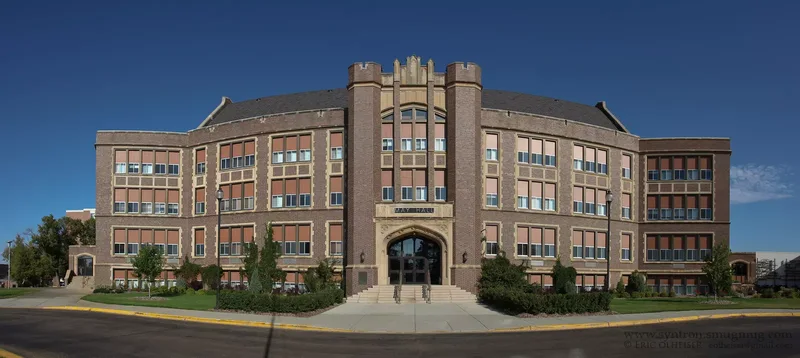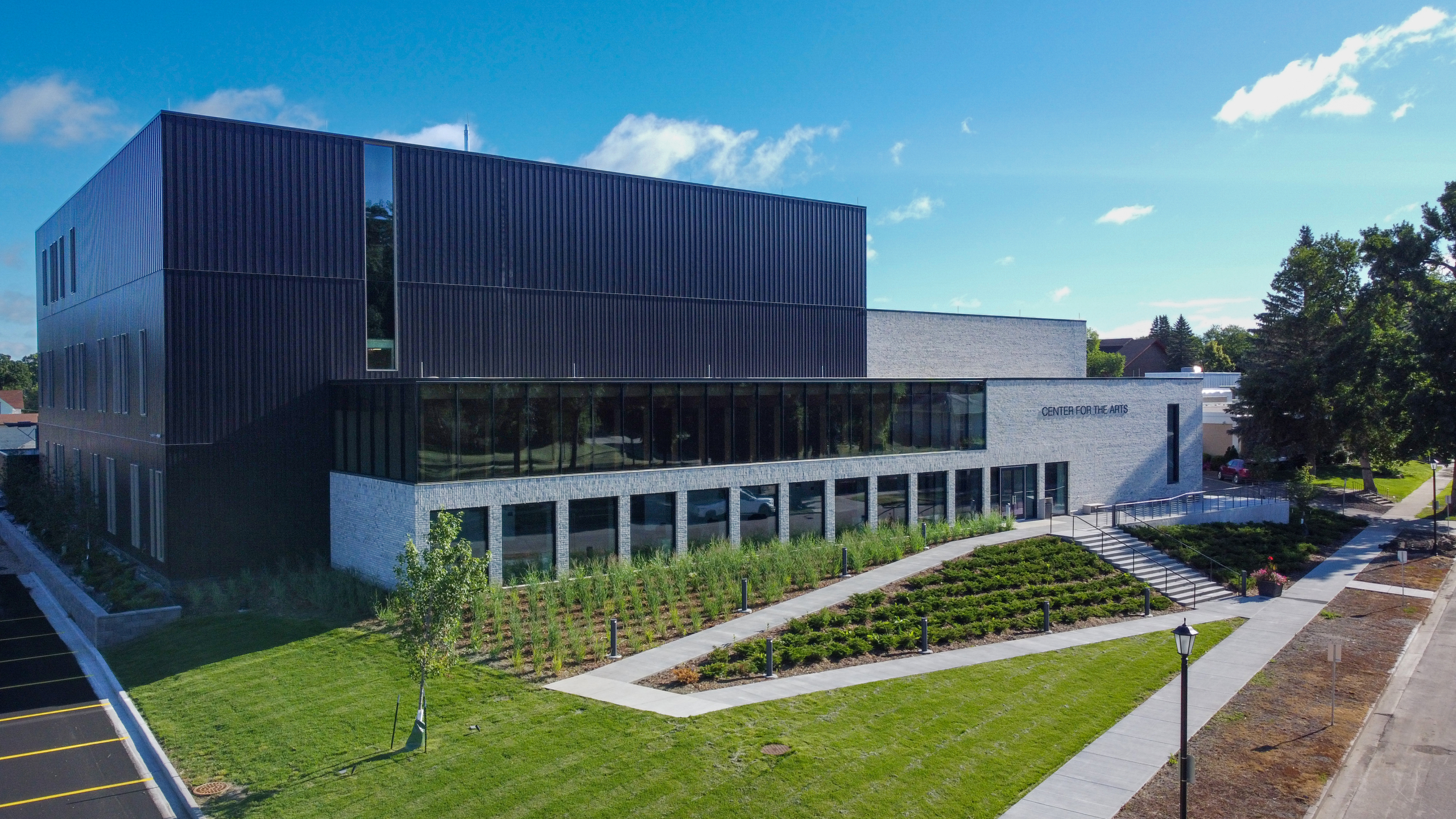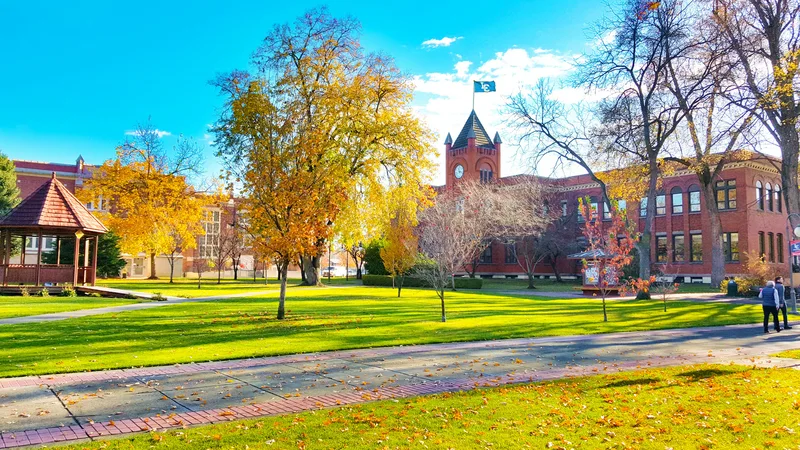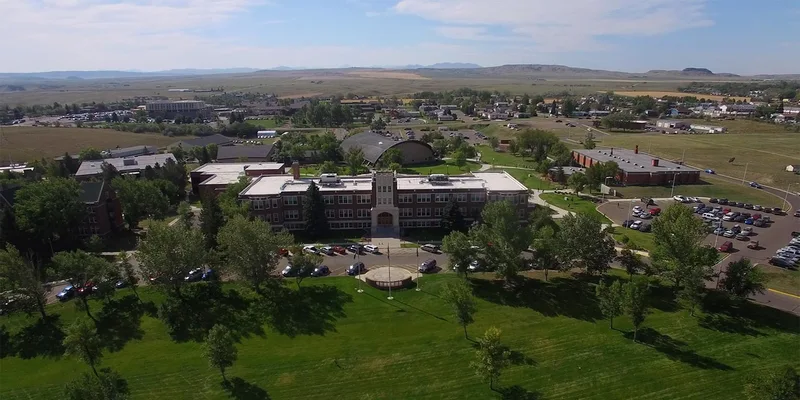

A small campus, practical career preparation and Frontier Conference competition give athletes clear reasons to consider this school.
- 966
- Students
- $12,664
- Net price
Browse programs
College directoryEvery program, filtered by what fits Sport directoryMen's and women's, every division State directoryPrograms in the states you would play inGo deeper
Major directoryYour major and your sport in one list Camp directoryID camps and showcases at college programs Conference directoryEvery conference and its member collegesOverview
Mission and culture
University of Montana Western is a public university in rural Dillon, Montana, with NAIA athletics in the Frontier Conference. Its block-scheduled academic model emphasizes hands-on learning, while a small campus and programs in education, environmental science and equine studies help define the college experience.
Why athletes choose University of Montana Western
Block scheduling, hands-on academics and Frontier Conference competition appeal to athletes seeking a small Montana campus.
Fit check
Pick a sport, your position and level, add a test score if you have one, and get an instant read on your chances here. Free, and no account needed.
Academics
University of Montana Western emphasizes experiential learning through block scheduling, with academic options that connect education, business and environmental interests to practical work and careers in the region.
Academic strength
A composite of graduation rate, earnings after college, how selective admissions are and how hard the coursework is.
Acceptance rate
More selectiveMore accessible
Admissions are highly accessible, so recruits should focus on academic readiness and finding a program that fits their goals.
Six-year graduation rate
0%100%
Students have a reasonable path to graduation with steady academic focus and consistent use of support.
Academic difficulty
Rated 3 out of 5
Coursework presents a balanced challenge, making steady study habits important alongside athletic commitments.
Student to faculty ratio
students for every faculty member
The academic environment balances faculty access with some larger classes, making regular communication with instructors worthwhile.
Median earnings
per year, ten years after starting college
Six years after: $37,252Graduate earnings are modest, so affordability and deliberate career preparation deserve close attention when weighing value.
Undergraduate enrollment
undergraduate students
The small undergraduate community offers a close-knit setting where you can build connections beyond your sport and classes.
SAT and ACT scores
Although reported test scores suggest an accessible academic profile, test-blind admissions means your scores are not considered when your application is reviewed.
Most popular majors
Admissions
Prepare your application to University of Montana Western by reviewing deadlines, test policy, application fees and recommendation expectations alongside your recruiting conversations.
Majors
14 undergraduate majors across 6 academic areas.
No major matches that search.
Campus life
Daily life centers on a small, close-knit campus in rural Dillon, with outdoor recreation nearby and hands-on learning shaping the academic experience.
Athletics
Athletes compete at the NAIA level in the Frontier Conference, with programs including football, basketball and volleyball contributing to the small-campus athletic community.
Athletic department
Explore how University of Montana Western supports its NAIA athletic programs through department spending, recruiting investment and athletic aid, including how resources are distributed across men's and women's programs.
Athletes
Athletic aid
Recruiting spend
Source: the federal Equity in Athletics report, 2025.
Cost
At University of Montana Western, in-state tuition offers Montana families a cost advantage, while grants and need-based or merit-based aid help shape the price you actually pay.
Average net price
What families pay on average after grants and scholarships, including tuition, housing and fees.
Published tuition
The sticker price a year, before any aid.
Financial aid
Need-based and merit-based aid availableAthletic scholarships, where a program offers them, are awarded by the coaching staff and come on top of these figures.
NIL
NIL rating
The name, image and likeness (NIL) environment at the University of Montana Western in Dillon, Montana is developing and community-driven, reflecting the close-knit feel of the campus and town. Student-athletes in Montana Western college sports can expect personalized NIL opportunities that focus on regional visibility and strong local connections.
See the full NIL breakdownStudent fit
The kind of student-athlete who tends to do well at University of Montana Western.
University of Montana Western fits athletes who want NAIA competition, a small campus and a hands-on academic experience rather than a large university environment. It is especially worth considering if you prefer block scheduling and have interests in education, business, environmental science or equine studies that connect with the college's practical academic strengths. You should be comfortable with rural Dillon, interested in building close campus connections and willing to maintain steady study habits while managing practices and travel. Athletes seeking a busy urban setting may find the location less suitable, and families should weigh affordability carefully against modest graduate earnings.
Who thrives here
Small Campus LearnersSelf Motivated AthletesBlock Schedule PlannersOutdoor Community BuildersQuestions
It is best known for its Experience One curriculum, where students typically take one course at a time in intensive blocks, allowing for hands-on learning, close interaction with faculty, and a strong focus on experiential education.
It is located in Dillon, Montana, a small, rural town in southwest Montana surrounded by mountains, ranch land, and outdoor recreation areas, offering a quiet, close-knit community environment.
Admission is generally considered accessible, with an emphasis on students who meet basic academic requirements and show readiness for college-level work, rather than highly competitive or selective criteria.
The academic environment is small and student-centered, with relatively small class sizes, an easy-to-moderate academic difficulty level, and a focus on practical learning, fieldwork, and close faculty mentorship.
Popular areas of study include education, business, environmental sciences, equine studies, outdoor and natural resource programs, along with liberal arts degrees that leverage field-based and experiential learning.
Campus life is low-key and community-oriented, with residence halls, student clubs, outdoor recreation opportunities, and frequent small-campus events that make it easy for students to get to know each other.
Yes, it offers residence halls and on-campus housing options for students, typically including traditional dorms and apartment-style living, along with campus dining and basic student services within walking distance.
It tends to be a good fit for students who prefer a small campus, value hands-on and experiential learning, enjoy a rural and outdoor lifestyle, and are comfortable in a laid-back, close-knit academic community.
It competes in the NAIA, participating in the Frontier Conference, with varsity teams in sports such as basketball, football, rodeo, and other men’s and women’s sports common to small colleges in the region.
Athletics play a visible role in campus life, with student-athletes balancing academics and competition, strong support from the local community, and facilities suited to small-college sports and year-round training.
Yes, it appeals strongly to students who enjoy the outdoors, offering easy access to hiking, fishing, hunting, camping, and winter sports, and many programs that integrate Montana’s natural environment into coursework.
Classes are generally small compared to large universities, allowing students to know their professors, participate actively in discussions and labs, and receive more individualized attention and support.
Compare
Other colleges worth comparing with University of Montana Western.
A small campus, practical career preparation and Frontier Conference competition give athletes clear reasons to consider this school.
Small classes, accessible admissions and outdoor recreation make this rural campus worth considering alongside its NAIA competition.
Athletes come for career-focused academics, Frontier Conference competition and a small campus with outdoor recreation nearby.
A close-knit campus, approachable faculty and NAIA competition appeal to athletes who prefer a smaller college environment.
Affordable costs, practical academics and a small rural community give athletes clear reasons to consider competing here.
A small campus, practical academic programs and regional career connections appeal to athletes balancing competition with college.
Affordable tuition, teacher education and a small rural community appeal to athletes seeking NAIA competition.
Athletes can pursue NAIA competition alongside career-focused academics, approachable faculty and a quieter campus experience.
Athletes choose a close-knit HBCU community, NAIA competition and comparatively affordable costs alongside career-focused academic options.
Accessible admissions, affordable study and close faculty contact make this a practical option for NAIA recruits.
Chickasha, OK
Why it is similar: Similar academics and size.A small campus, interdisciplinary coursework and accessible costs appeal to athletes seeking a connected college experience.
Career-focused learning, accessible admissions and a small campus give athletes practical reasons to consider competing here.
Three ways to start
Pick the option that matches where you are, and we will show you the plan that fits.
Resources