Skills campVolleyball · Women's
College Experience Camp
- Jun 12, 2026
One-day College Experience camp for high school student-athletes to be seen by Houston coaching staff (June session).
Browse programs
College directoryEvery program, filtered by what fits Sport directoryMen's and women's, every division State directoryPrograms in the states you would play inGo deeper
Major directoryYour major and your sport in one list Camp directoryID camps and showcases at college programs Conference directoryEvery conference and its member collegesOverview
Mission and culture
University of Houston is a research university in Houston, Texas, pairing NCAA Division I athletics in the Big 12 Conference with strong engineering and business programs. Its large, diverse urban campus has a strong commuter culture, while the surrounding city offers internships and professional career opportunities.
Why athletes choose University of Houston
Big 12 competition, professional programs and Houston career opportunities appeal to athletes planning beyond their sport.
Fit check
Pick a sport, your position and level, add a test score if you have one, and get an instant read on your chances here. Free, and no account needed.
Academics
University of Houston combines established research academics with strengths in engineering and business, making course demands, faculty access and career outcomes important considerations as you plan your education around athletic commitments.
Academic strength
A composite of graduation rate, earnings after college, how selective admissions are and how hard the coursework is.
Acceptance rate
More selectiveMore accessible
Admissions are accessible overall, giving recruits with solid classroom preparation a realistic opportunity while still making academic readiness important.
Six-year graduation rate
0%100%
Students have a solid path to graduation, with consistent academic progress important throughout an athletic career.
Academic difficulty
Rated 4 out of 5
Challenging coursework requires careful planning and steady study habits alongside practices and travel.
Student to faculty ratio
students for every faculty member
The academic environment is less individualized, so be proactive about meeting professors and asking for guidance.
Median earnings
per year, ten years after starting college
Six years after: $52,768Graduate earnings suggest solid outcomes, supporting the value of connecting your major with clear career goals.
Undergraduate enrollment
undergraduate students
A large undergraduate community offers variety, making it useful to build connections within your sport, major and campus organizations.
SAT and ACT scores
Testing is required for some applicants, so confirm your requirements; the score profile suggests solid academic preparation matters for recruits.
Most popular majors
Admissions
Plan your application to University of Houston by reviewing deadlines by admission plan, test policy, application fees and recommendation requirements alongside your recruiting timeline.
The standard deadline. Not binding.
Majors
71 undergraduate majors across 6 academic areas.
No major matches that search.
Campus life
Daily life blends a large, diverse urban campus, a strong commuter culture and professional organizations with access to Houston's broader city environment.
Athletics
The Cougars compete in NCAA Division I within the Big 12 Conference, with nationally prominent men's basketball and historically successful men's golf shaping the program's competitive profile.
Athletic department
Explore how University of Houston supports its NCAA Division I athletic department through overall spending, recruiting investment and athletic aid, including how those resources are distributed between men's and women's programs.
Athletes
Athletic aid
Recruiting spend
Source: the federal Equity in Athletics report, 2025.
Cost
For University of Houston, compare public in-state tuition value with the published attendance cost, average price after grants and available need-based and merit-based aid when building your budget.
Average net price
What families pay on average after grants and scholarships, including tuition, housing and fees.
Published tuition
The sticker price a year, before any aid.
Financial aid
Need-based and merit-based aid availableAthletic scholarships, where a program offers them, are awarded by the coaching staff and come on top of these figures.
NIL
NIL rating
The University of Houston offers a strong name, image and likeness (NIL) environment, supported by its large student body and major college sports presence in Houston, Texas. Student-athletes can benefit from the visibility of competing in a large urban market with passionate fans and extensive media coverage.
See the full NIL breakdownStudent fit
The kind of student-athlete who tends to do well at University of Houston.
University of Houston fits athletes seeking NCAA Division I competition in the Big 12 Conference alongside challenging academics and a career-focused education. It especially suits recruits interested in engineering, business or health-related fields who want to connect their studies with internships and Houston's large job market. You should be comfortable navigating a large, diverse urban campus with a strong commuter culture and taking initiative to build relationships with professors and classmates. Families prioritizing in-state value may find it appealing, while athletes wanting a small, highly personal academic environment or a less demanding course load may find it less suitable.
Who thrives here
Big Time CompetitorsCareer Minded AthletesSelf Directed StudentsUrban Campus FansTransfer Friendly MindsetCamps
University of Houston has not posted new camp dates yet. These ran last season.
One-day College Experience camp for high school student-athletes to be seen by Houston coaching staff (June session).
A day camp that combines basketball fundamentals and drills with hands-on STEM education (biomechanics, coding, data science) using wearable tech; open to students entering 3rd–8th grade.
One-day Offense & Defense ID Camp (June 16, 2026) for skill identification and development.
Questions
It is best known for strong programs in business, engineering, hospitality, the arts, and health-related fields, as well as its emphasis on research, innovation, and experiential learning tied to the energy, healthcare, and technology industries.
Admission is considered competitive, with an emphasis on a solid high school record, rigor of coursework, and standardized test scores when submitted, but it remains accessible to qualified students with strong academic preparation and well-rounded applications.
It attracts motivated, career-focused students who value diversity, urban opportunities, and hands-on experience, including many first-generation students and those interested in internships and networking in a major metropolitan area.
Campus life is active and vibrant, with a wide range of student organizations, cultural events, residence hall communities, and access to arts, dining, and entertainment both on campus and in the surrounding city.
Yes, it is widely recognized for its business and engineering programs, which offer industry-aligned curricula, research opportunities, and close connections to local employers in energy, finance, construction, and technology.
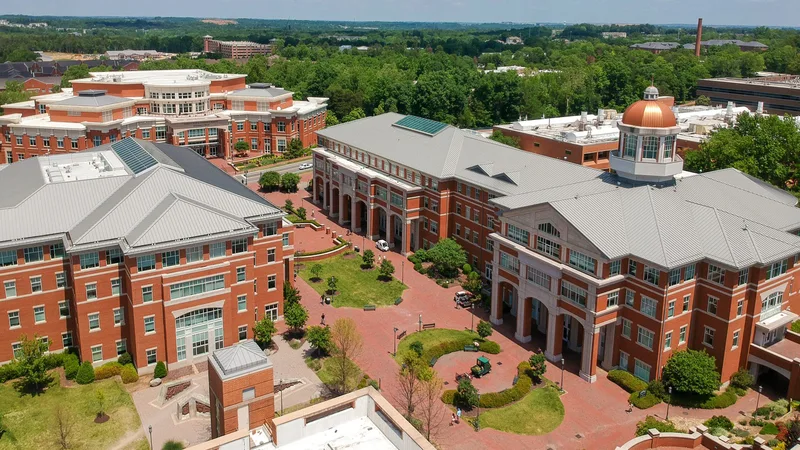
The campus is an urban, tree-lined setting with modern academic buildings, residence halls, research facilities, and recreational spaces, located a short distance from downtown and major employment hubs.
Undergraduates can participate in research across many disciplines, often working with faculty on projects in engineering, natural sciences, social sciences, arts, and health, with options to gain credit or paid experience.
The university is known for a highly diverse student body, with strong representation from many cultural, ethnic, and international backgrounds, creating an inclusive environment for learning and campus life.
Its location in a major global city offers extensive internship and job opportunities in energy, healthcare, technology, logistics, arts, and business, supported by career services, employer partnerships, and alumni networks.
It is a popular choice for first-generation students, offering academic advising, mentoring, financial aid guidance, and support programs designed to help students navigate college and succeed through graduation.
Athletics are a major part of campus culture, with competitive intercollegiate teams, spirited game days, and strong student support, alongside extensive intramural and club sports options for recreational participation.
Student-athletes have access to academic advising, tutoring, and time-management support, and are expected to maintain good academic standing while competing, making it possible to balance rigorous coursework with athletic commitments.
Compare
Other colleges worth comparing with University of Houston.
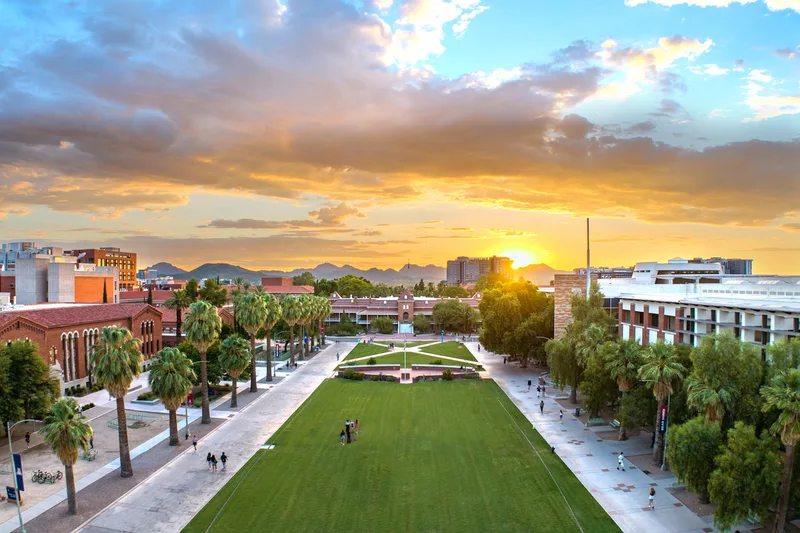
Competitive athletics, research-focused academics and Tucson's outdoor opportunities appeal to athletes seeking a broad college experience.
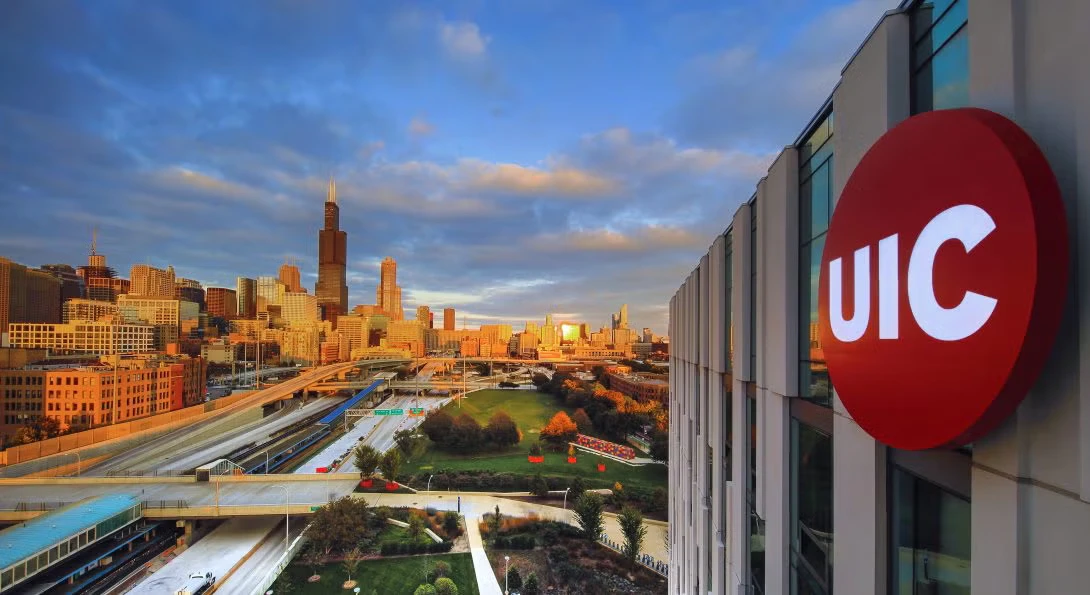
Competitive athletics, broad academic choices and an urban setting appeal to athletes planning for life beyond competition.
Competitive athletics, research opportunities and Salt Lake City's career connections give recruits several reasons to consider Utah.
Competitive athletics, applied academics and public university value give recruits several reasons to consider studying in Lubbock.
City career opportunities, accessible admissions and research-focused academics give athletes practical reasons to consider competing here.
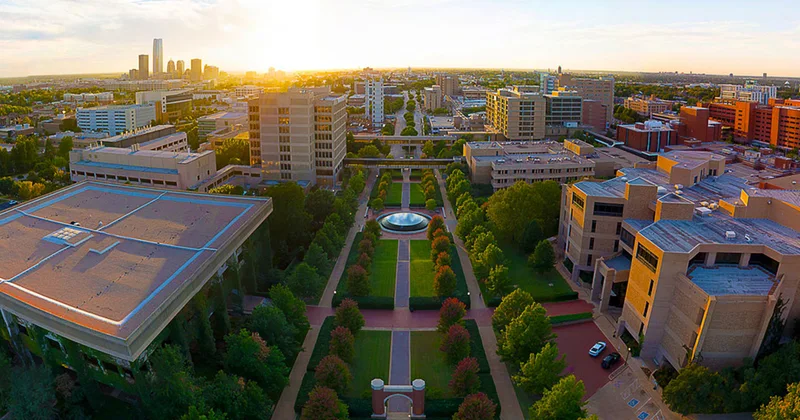
High-profile competition, broad academic choices and a spirited college-town campus give athletes distinct reasons to consider Oklahoma.
Research opportunities, competitive athletics and relatively low tuition give recruits several practical reasons to consider this campus.
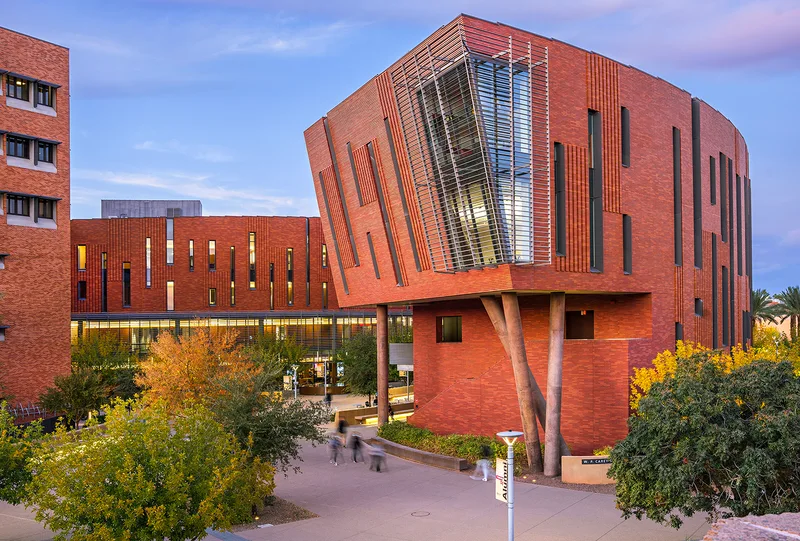
Competitive athletics, industry-aligned academics and in-state value make this urban university worth considering for recruits.
SEC competition, recognized academic strengths and a lively residential campus give athletes several reasons to consider Missouri.
Major conference competition, broad academic choices, and Orlando career opportunities give athletes several reasons to consider studying here.
Southeastern Conference competition, research opportunities and Baton Rouge employer connections give athletes distinct reasons to consider LSU.
Big Ten competition, established academic strengths and an active residential campus draw athletes seeking a full college experience.
Three ways to start
Pick the option that matches where you are, and we will show you the plan that fits.
News
Resources