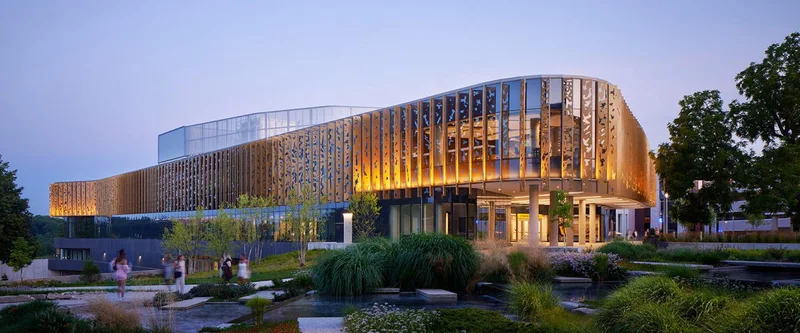
Recruiting campSoccer · Men's
MSU Men's ID Camp - Session 1
- Feb 21, 2026
- Clara Bell Smith SAAC, East Lansing, MI
One-day identification and training session for men's soccer players (ID camp session).
Browse programs
College directoryEvery program, filtered by what fits Sport directoryMen's and women's, every division State directoryPrograms in the states you would play inGo deeper
Major directoryYour major and your sport in one list Camp directoryID camps and showcases at college programs Conference directoryEvery conference and its member colleges

One plan built for Michigan State University Men's Soccer, with the roster read, the coach's contact and a dated plan, delivered within 24 hours. An expert checks every plan.
Overview
Key facts about the Michigan State University men's soccer team.
In East Lansing, Michigan, Michigan State University competes in Division I men's soccer through the Big Ten Conference. The most room for the Class of 2027 is among midfielders, with three leaving after the 2026-27 season, followed by two defenders. The roster is stable, with 91% of last season's non-seniors back, above the 69% median among Division I men's soccer teams.
Head Coach
players a season
Fit check
Pick your position and level, add a test score if you have one, and get an instant read on your chances here. Free, and no account needed.
Coaching staff
Head coach
Damon RensingHead CoachRoster
The roster by class
27 players on the latest roster (2026).
Roster openings after 2026-27
Defender 2 · Midfielder 3 · Forward 2
Looking at the Class of 2027, departures cluster among midfielders, with three finishing up after the 2026-27 season, followed by two defenders. Players at those positions have the clearest chance to step into new roles.
See who you would be replacingContinuity is a strength, with 91% of last season's non-seniors back, ahead of the 69% median among Division I men's soccer teams.
Positions
How many players a season the program carries at each position, and how tall they are.
Average height 6'2"
Average height 6'0"
Average height 5'10"
Average height 6'0"
Transfers
transfers in for 2026-27
transfers out
Footprint
Where the players are from
Counted from players on recent rosters with a known hometown.
Top home states
Michigan supplies 61% of the roster, one of the higher in-state shares among Division I men's soccer teams. Recruits from Michigan could find the clearest path onto the roster.
Results
Swipe to see every season
2021-22
41%6-9-2overall
2-4-2conference
2022
41%6-9-2overall
3-4-1conference
2023
66%7-2-7overall
3-1-4conference
2024
44%5-7-5overall
4-4-2conference
2025
41%5-8-3overall
2-5-3conference
Standings
Where Michigan State University stands in the Big Ten Conference.
Schedule and travel
The season's games, home and away, and how far the team travels.
Recruiting
Michigan State men's soccer is a highly competitive NCAA Division I program in the Big Ten. The program's schedule regularly includes nationally relevant opponents, and the current roster reflects academy, professional development, and college-transfer pathways. Recruits should expect strong competition for roster opportunities and playing time.
Recruiting difficulty
Michigan State competes at a high Division I level where most roster opportunities require proven club or academy experience.
What coaches value
How to get recruited here
Build a strong video package that shows full-match actions, not only goals or highlights, and include verified club, academy, academic, and athletic information. Contact the recruiting staff early with a concise profile, schedule, measurable development goals, and upcoming showcase details, then seek evaluation against high-level competition.
How hard is it to make the team
Making Michigan State's team is difficult because it competes in a high-major Big Ten environment and draws players from academy, professional development, and strong college backgrounds. A recruit usually needs to show Division I-level technical ability, athletic tools, tactical awareness, and consistency, while earning a roster spot does not guarantee immediate playing time.
Who fits this program
Videos
Program stats
Athletes on the roster
Coaches on staff
Spent per athlete
Spending and revenue a year
Revenue covers everything the program spends.
The operating budget is above its peers: about $12,000 per athlete in the 2025 EADA report, about twice the Division I median. The staff covers fewer athletes than usual: 28 athletes and four coaches in the same report, about seven athletes per coach versus a median of nine among Division I men's soccer teams.
Source: the federal Equity in Athletics report, 2025.
Feeders
The high schools and clubs that sent the most players to this roster.
On recent rosters, four schools or clubs show up with two or more players each, including East Lansing High School.
The school
Michigan State University combines broad academic options with research strengths in business, engineering and agriculture, giving recruits room to explore interests while weighing coursework, faculty access and career outcomes.
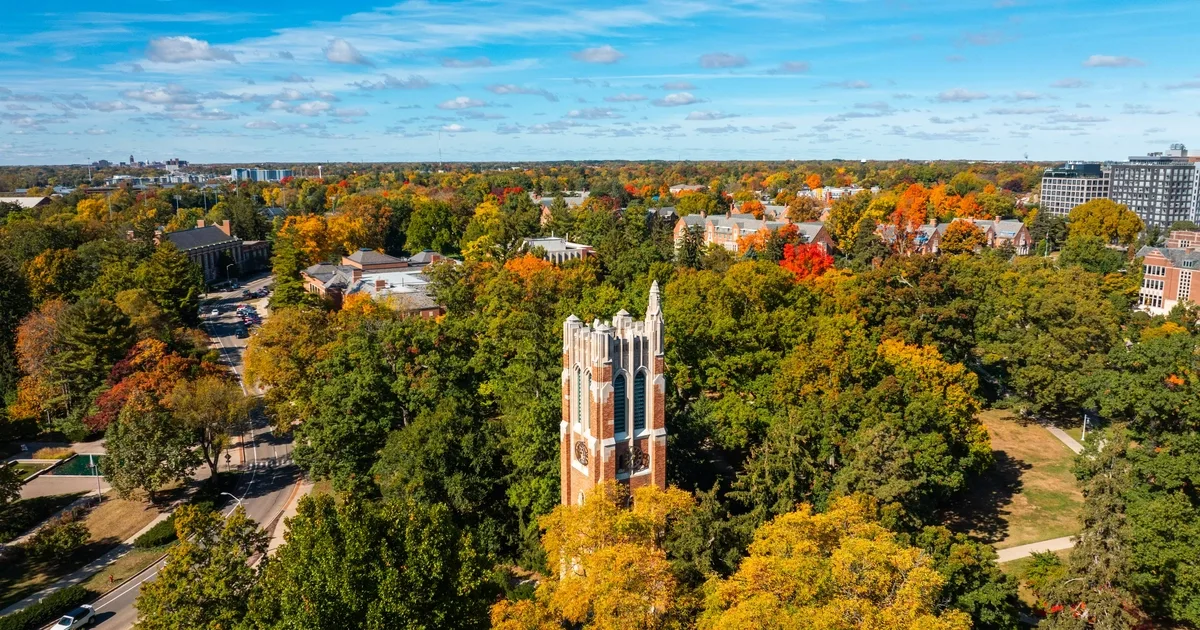 Michigan State UniversityEast Lansing, MichiganSee the full profile
Acceptance rate
Graduation rate
Camps
New camp dates are not posted yet. These ran last season.
One-day identification and training session for men's soccer players (ID camp session).
One-day identification and training session for men's soccer players (ID camp session).
Multi-session youth clinic offering instructional sessions across two clinic sessions.
Official links
Similar programs
Programs at a similar level, with similar academics, worth adding to your recruiting list.
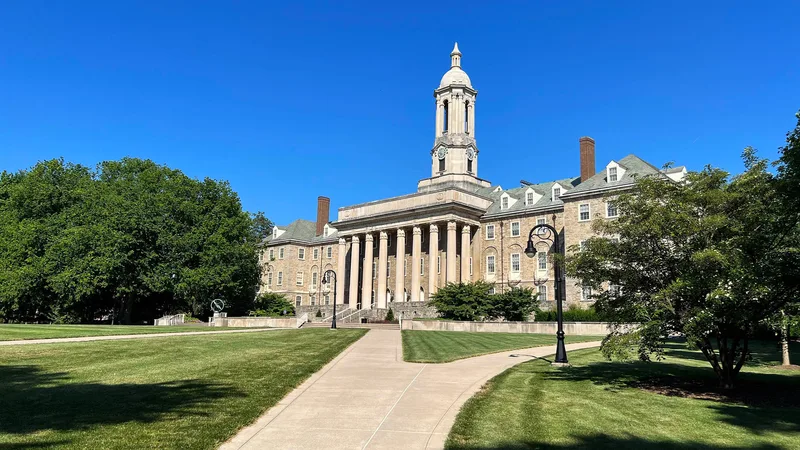
Big Ten competition, research opportunities and active campus life appeal to athletes seeking a broad college experience.
Big Ten competition, established academic strengths and an active residential campus draw athletes seeking a full college experience.
Major conference competition, broad academic choices, and Orlando career opportunities give athletes several reasons to consider studying here.
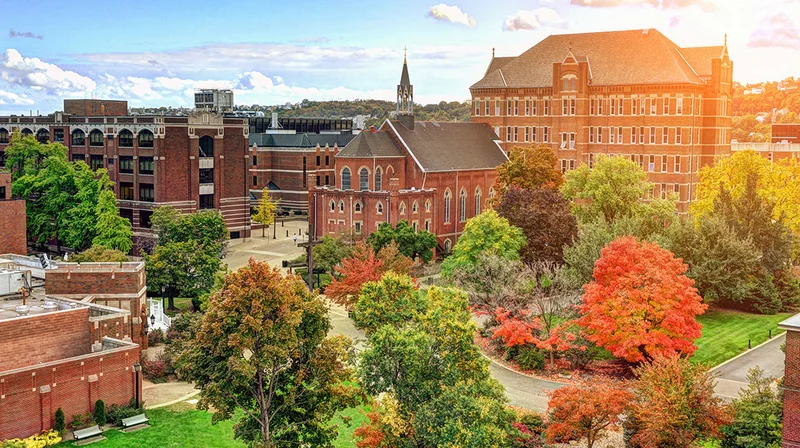
Athletes come for competitive athletics, career-focused academics and a Catholic campus community within Pittsburgh.
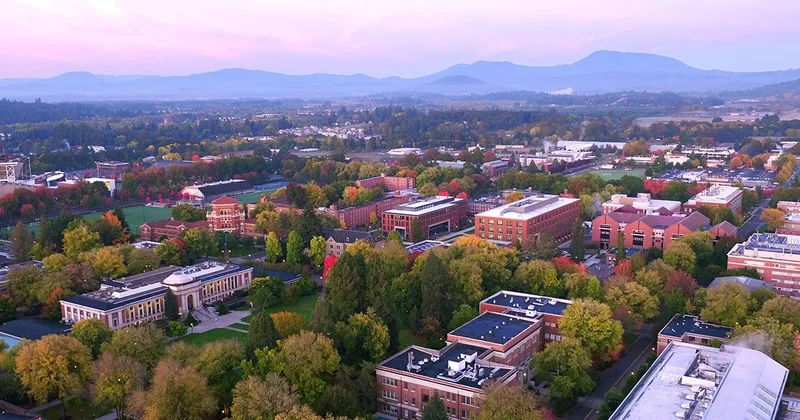
Division I competition, research opportunities and a college-town setting appeal to athletes with interests beyond their sport.
Competitive athletics, hands-on academics and an engaged campus community give recruits several reasons to consider studying here.
Teams in Michigan
Detroit, MI
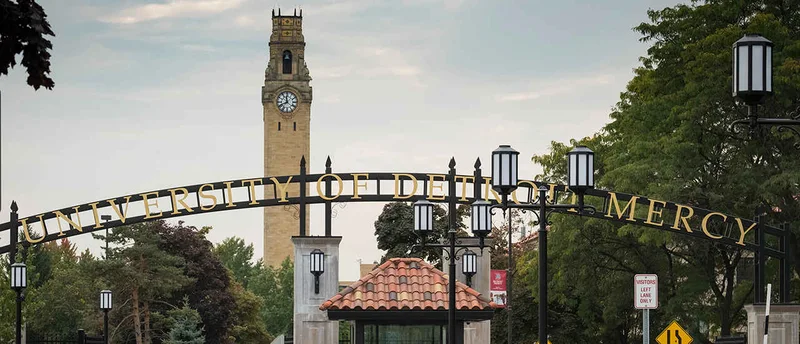
Competitive athletics, close faculty relationships and Detroit-based professional opportunities give recruits several reasons to consider this campus.
Ann Arbor, MI
Big Ten competition, broad academic choices and strong career outcomes appeal to athletes with ambitious goals.
Rochester Hills, MI
Career-focused academics, Division I competition and access to Detroit-area employers give athletes practical reasons to consider this campus.
Kalamazoo, MI
Specialized academics, competitive athletics and a residential Kalamazoo campus give recruits distinct reasons to consider this university.
Roster openings · 2026-27
Every program ranked by players in their final year, with the positions they are losing.
Three ways to start
Pick the option that matches where you are, and we will show you the plan that fits.
Resources