Pathley News
University of Missouri Power the Roar campaign passes $1.1 billion
University of Missouri's Power the Roar campaign reached $1.1 billion, fueling scholarships, research, facilities and athletics in Columbia.
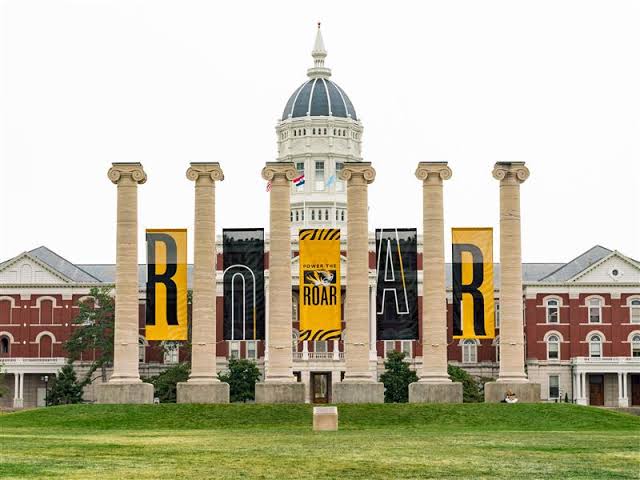
The University of Missouri delivered one of the most notable higher education announcements of late August when it said its Power the Roar fundraising campaign has reached $1.1 billion. The update, released August 27, moved the campaign beyond the halfway point of its $2 billion target and gave the Columbia campus a highly visible signal of donor confidence at a time when universities are under pressure to compete on enrollment, research output, facilities and athletic standing.
For Mizzou, this was not framed as a routine advancement office checkpoint. University leaders described Power the Roar as the most ambitious fundraising campaign in school history, and the scale matters because the campaign is being presented as an engine for several parts of institutional life at once. According to the university, philanthropy tied to the campaign is already influencing student access, faculty support, research capacity, health initiatives, campus projects and athletics.
The official campaign announcement said the effort was launched publicly last year and has drawn support from 70,000 donors, a notable point because it suggests breadth rather than reliance on one unusual mega gift. That larger donor base reinforces the university's public argument that this is a campus-wide effort connected to its land-grant mission, not simply a prestige number. The details released by Mizzou are available through the university's news report and related presidential update at Show Me Mizzou and President Mun Choi's blog.
In a college landscape where many late-summer stories revolve around preseason projections or enrollment expectations, the University of Missouri put forward a measurable achievement with immediate institutional implications. The campaign total is important on its own, but the timing makes it more significant. Mizzou is trying to build from several points of momentum at once, including projected fall 2026 enrollment above 31,650 students, 9,138 new Tigers, a 91 percent first-year retention rate and career or continuing education outcomes for more than 95 percent of graduates within six months.
Those figures give the fundraising campaign a larger context. Donor support is being positioned as a way to reinforce the university's ability to keep attracting students, fund hands-on learning and expand research. For observers of the University of Missouri, the announcement sends a clear message that institutional confidence is being translated into visible dollars.
That kind of momentum has become especially relevant in Division I athletics and in the broader competition among flagship public universities. As schools look for ways to separate themselves, major fundraising campaigns increasingly shape not only academic capacity but also national perception. The University of Missouri's institutional profile underscores its role as a land-grant research university, and Power the Roar is being cast as a financial extension of that mission.
The campaign's significance becomes clearer in the specific examples the university highlighted. Mizzou said the current total includes support tied to several high-impact projects across campus:
Those examples show why the campaign stands out beyond the headline number. The money is already connected to concrete projects in academics, research, health and athletics. Instead of speaking only in broad aspiration, the university is tying donor support to visible infrastructure and program development.
For students and families evaluating large public universities, this kind of fundraising news often functions as an indicator of institutional direction. It does not answer every question about student experience or affordability, but it does reveal where a campus is investing and what leaders believe will define the next era of growth. Resources like the college directory can help place that kind of institutional news alongside basic school information when comparing campuses.
Mizzou also used the August 27 announcement to make a student-centered case for the campaign. The university said scholarship support is helping place a Mizzou education within reach for more students, while also strengthening the Missouri Method, the school's longstanding emphasis on hands-on learning.
That is a key part of the story because fundraising totals can sometimes feel remote from everyday campus life. Here, the university argued that philanthropy is affecting students right now by widening access and backing educational experiences connected to real-world outcomes. Mizzou pointed to recent graduates moving into health care, agriculture and other important Missouri industries, while others have launched businesses contributing to local and state economies.
In that sense, Power the Roar is being framed as more than a development campaign. It is being presented as a pipeline story. The university's message is that donor support helps students enroll, learn through practical experience and move more quickly into careers and graduate pathways that matter to the state.
For recruits and families who look at college choices through more than an athletics lens, this is the kind of institutional context that matters. A program's facilities and competitive level may grab the first wave of attention, but long-term decisions often hinge on how a school supports students academically and professionally. Articles, campus data and school directories all help form that picture, including broad search references like a sport directory when athletes are comparing opportunities across different campuses.
One reason the announcement carried unusual force is that Mizzou paired the fundraising milestone with a recent performance benchmark. The university said gifts tied to faculty, facilities and research are helping experts address major challenges in energy security, cancer treatment, manufacturing and technology. It then pointed to a school record, noting that Mizzou recorded $553 million in research expenditures in fiscal year 2025.
That connection matters because it suggests the university is trying to accelerate existing research momentum rather than sell a distant vision. Donors often respond differently when they can see measurable evidence that an institution is already gaining traction. In Missouri's case, the fundraising total and the research expenditure figure work together to support the idea that the university is in a growth phase.
For a flagship public university, strong research spending can influence several areas at once. It can affect faculty recruitment, graduate education, laboratory infrastructure, partnerships and the overall profile of the campus. It can also shape the undergraduate experience in ways that do not always show up first in athletic conversations, from access to research labs to opportunities in health and technology fields.
That larger institutional strength can also matter in recruiting. Student-athletes and non-athletes alike increasingly evaluate schools through a wide-angle lens that includes academics, internship pathways, support systems and post-college outcomes. A major fundraising campaign that is directly linked to research investment can become part of that broader evaluation.
Although this was not announced as a football or basketball headline, athletics remain central to the story. The University of Missouri said donor investments are transforming facilities, enhancing programs and giving student-athletes more resources to compete for championships while also preparing them for leadership after their playing careers.
The most obvious athletics example in the current campaign update is Memorial Stadium. Mizzou said two anonymous gifts totaling $75 million are helping transform the facility through the Centennial Project. At an SEC institution, stadium investment is never just about bricks and steel. It affects recruiting presentation, fan experience, institutional identity and the visibility of the athletics department in a crowded national marketplace.
Even though the story is broader than any single roster or season, the athletics implications are real for anyone following the University of Missouri football program. Memorial Stadium is one of the most public-facing assets on campus, and campaign-backed upgrades there send a clear signal that athletics remain part of the university's competitive strategy.
That does not mean the campaign should be read only through football. In the modern college model, major philanthropic momentum often spills across entire athletic departments through facilities, staffing, support services and the overall environment around performance. The same donor climate that helps fund stadium work can also create downstream benefits for other programs. For that reason, the fundraising news matters not only to those tracking Missouri football, but to anyone watching how the university balances academics, research and sports.
Mizzou's place in the Southeastern Conference gives this update added significance. SEC schools are operating in one of the most resource-intensive environments in college sports, where facilities, donor support and institutional investment are all part of the public scorecard. While Power the Roar is much broader than athletics, the campaign's success inevitably influences how Missouri is viewed inside that landscape.
Large-scale philanthropy can function as a proxy for confidence in leadership, mission and trajectory. When a university says 70,000 donors have contributed to an effort that has already reached $1.1 billion, that scale suggests buy-in from a broad network of alumni and supporters. In a period when schools are competing for students, faculty and attention, that kind of donor engagement has strategic value.
For college sports observers, the story also reflects a wider national shift. Athletic competitiveness no longer sits in a silo. It is linked to campus infrastructure, student support, branding and the financial health of the institution. At schools like the University of Missouri, philanthropy is increasingly part of the same ecosystem that shapes the student-athlete experience.
Part of what makes the August 27 update especially notable is that university leaders signaled more movement may be close behind. In his presidential blog post earlier in the week, Mun Choi previewed an additional $25 million from Rich and Nancy Kinder, raising their lifetime support of the university to $85 million. He also referenced a planned September 2 announcement of a $50 million gift from alumnus David Payne intended to transform engineering education and research.
Those details matter, but the timing language matters too. The university described those items as planned or upcoming, not completed. That distinction is important for understanding the current story accurately. The $1.1 billion mark is already official. The additional September announcements, if they unfold as previewed, would further reinforce the sense that Mizzou is in the middle of a major philanthropic stretch.
University leaders also tied September 2 to a broader Mizzou Day of Celebration expected to include a Memorial Stadium Centennial Project grand opening, an Energy Innovation Center groundbreaking and a campus pep rally. That package of events would blend academic investment, athletics visibility and school spirit in a way that mirrors the campaign's overall message.
For recruits and their families, stories like this are useful because they illuminate institutional priorities. A fundraising update will not replace conversations with coaches, admissions staff or academic advisors, but it does help answer a basic question: where is the school investing its future?
In Missouri's case, the answer appears to be broad. Scholarships, research, athletics facilities, health initiatives and engineering are all part of the public narrative. That breadth can matter to recruits who want to understand whether a school's athletics brand is supported by a strong campus foundation. It can also matter to coaches who know that long-term program stability is often tied to university-wide momentum.
For families comparing colleges within a state or region, even a small peer reference can be useful. In Columbia, for example, Stephens College offers a very different institutional profile from Mizzou, which is one reason side-by-side school research often matters more than broad assumptions. The same is true in athletics. Big public Division I campuses and smaller private colleges can serve very different students, even when they sit in the same city.
The next phase of this story is straightforward. First, observers will watch whether the planned September 2 announcements land as previewed, particularly the David Payne gift for engineering education and research. Second, the Memorial Stadium Centennial Project will remain a visible marker of how campaign-backed athletics investment is taking shape on the ground.
Beyond those near-term developments, the larger question is whether Mizzou can keep translating fundraising success into durable outcomes. That means more than reaching a target number. It means sustaining enrollment strength, preserving student access, converting research investment into measurable progress and ensuring that athletics enhancements support the broader student-athlete experience rather than stand apart from it.
The University of Missouri's $1.1 billion campaign milestone stands out because it connects all of those threads at once. It is a fundraising story, but also a story about institutional confidence, public signaling and strategic positioning in Division I higher education. For Mizzou, the message from late August is that philanthropy is not operating on the edge of campus life. It is helping shape what the university wants to become next.
Rosters, coaches, and division breakdowns for every NCAA and NAIA program we track.








