Insight
University of Florida plans championship golf complex in Gainesville
University of Florida unveiled plans for the Evans University of Florida Golf Club, a major Gainesville project for men’s and women’s golf.
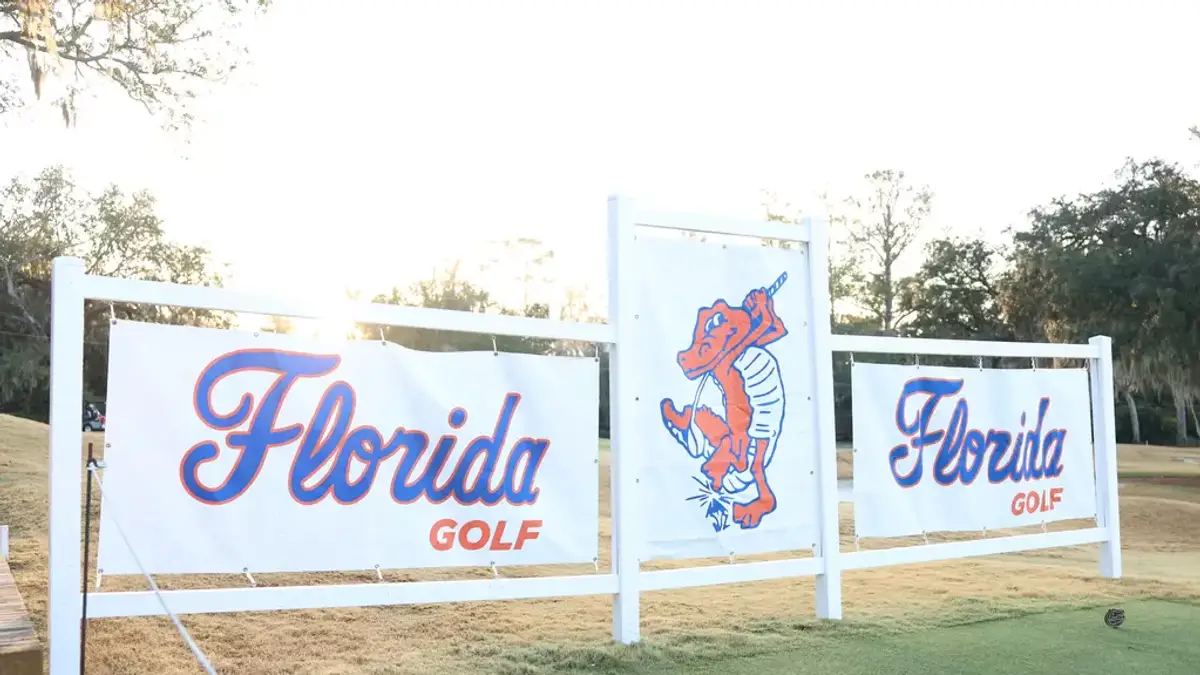
The University of Florida made one of the more significant facilities announcements of the week on September 17, unveiling plans for a new championship-level golf complex in Gainesville that is designed to reshape the future of both of its golf programs. The project, named the Evans University of Florida Golf Club, is backed by a major gift from Ed Evans, chairman and chief executive officer of Consumer Cellular. For the University of Florida, the news goes well beyond a routine construction update. It is a major statement about where Florida men’s golf and Florida women’s golf fit in the school’s long-term athletics vision.
According to the university, the development will cover more than 500 acres in west Gainesville and center on an 18-hole championship course designed by Beau Welling and Steve Smyers. The plan also includes a clubhouse by Hart Howerton and guest cottages, with the stated goal of creating an elite home base for the Gators while also making Gainesville a viable site for major collegiate, amateur and professional events. In a college sports calendar often dominated by immediate game results, this was a long-horizon announcement with real implications for recruiting, player development and program identity.
The facility story matters because golf operates differently than many higher-profile college sports. In football or basketball, practice gyms and stadiums draw headlines regularly. In golf, access to a purpose-built championship environment can shape almost every part of the student-athlete experience, from daily training to course familiarity to the ability to host recruiting weekends and major tournaments. That is why this project stands out as more than an amenity. It is core infrastructure for two Division I programs that expect to compete nationally.
Florida described the Evans University of Florida Golf Club as a championship-level complex intended to serve both the men’s and women’s teams. The headline feature is the 18-hole course, but the broader scale of the announcement is what gives it weight. The project ties together land, donor support, course architecture, team operations and institutional branding in a way that is unusual for an Olympic sport.
The official announcement from Florida notes that the course is intended to elevate the daily environment for the university’s golf teams while also creating a destination capable of attracting premier events. That is a notable distinction. Some college golf facility projects are built almost entirely for internal use. This one is being framed as both a home base and a stage, a place where development, competition and hosting can exist under one umbrella. Florida’s release is available at floridagators.com.
For recruits and coaches, that combination matters. A home course designed specifically for the program changes the rhythm of training. Instead of relying on a standard local arrangement or a patchwork of practice sites, a team can train in a setting built around its competitive goals. That includes shot-making variety, short-game work, team meeting space, recovery areas and a stronger sense of identity around the program itself.
That is part of what makes this such an important development for Florida’s college profile in the sport. The school is not merely refreshing an existing venue. It is creating a branded, named facility with a scale and purpose that should alter how the program presents itself on the national recruiting trail.
The second major component of the project may be just as important as the course itself. At the center of the complex will be the Power Design Team House, a performance center funded through a lead gift from Power Design. Florida said the building will bring together advanced player-development technology, specialized training spaces and practice environments for its golfers.
In practical terms, that suggests a more complete performance ecosystem. Golf development at the college level increasingly depends on far more than access to tee times. Elite programs think in terms of data, biomechanics, mobility, recovery, mental performance and repeatable technical work. A centralized team house built around those functions gives coaches a much tighter operational environment than a program that has to spread those activities across different sites.
That matters for both the Florida men’s golf program and the women’s side. Even in a sport built around individual scoring, the best college teams often have strong internal systems, where daily habits, competitive standards and support services reinforce each other. A purpose-built team house can become the place where that culture is established, not just where practice begins.
It also sharpens the recruiting message without turning the story into hype. Recruits and families routinely evaluate the practical side of a program. Where does the team train. How much access does it have to its home environment. Is there a clear space for development beyond the course itself. A facility like this answers those questions in concrete terms, which is one reason large-scale golf projects carry long recruiting shadows. For broader recruiting context across sports and divisions, resources such as the college directory and the sport directory help illustrate how differently colleges structure their athletic environments.
The university framed the project as a competitive step for both programs, and the public comments from leadership help explain why. Athletic director Scott Stricklin called it a defining moment for Gator golf. Men’s coach J.C. Deacon said the complex would give Florida something it does not currently have, access to a championship-level course and an expanded practice environment in Gainesville. Women’s coach Emily Glaser described the development as transformational for her program, emphasizing the impact of having a championship-level home course on player development and national competition.
Those comments are important because they reveal how the project is being understood internally. Florida is not presenting the course as decorative or secondary. It is presenting it as competitive infrastructure. In college athletics, that phrase matters. Infrastructure shapes the daily work behind results. It influences how athletes improve, how coaches manage time, and how a program hosts recruits, alumni and events.
In golf, where margins can be thin and player development is highly technical, a stronger home setup can affect everything from lineup depth to tournament preparation. If a team has better access to varied practice conditions, short-game repetition and integrated support spaces, that can gradually improve consistency across the roster. Over time, those details often matter more than a single splashy announcement day.
Another striking element of the announcement is the school’s effort to link athletics and academics in the same project. Florida said the Evans University of Florida Golf Club will also function as a laboratory for innovation through collaboration with the University of Florida Institute of Food and Agricultural Sciences. The areas identified by the university include turfgrass management, water use and environmental stewardship.
That gives the story significance beyond varsity golf. Many athletics facility projects are discussed strictly through recruiting or fan experience. Florida’s plan introduces a second frame, institutional research value. If the course becomes a site for applied work in agronomy, sustainability and land management, then the project carries academic utility alongside athletics utility.
That dual-purpose approach is especially relevant in a state where water use, land planning and environmental stewardship are constant public concerns. It also fits a broader trend in college athletics, where large capital projects are increasingly expected to show value across multiple university priorities. In this case, the message is that a golf complex can be both a competitive home for student-athletes and a living research environment for the university.
For readers trying to evaluate how college programs differ institutionally, that sort of crossover matters. It says something about how the school wants to define the project, not just what it wants to build.
The September 17 announcement did not emerge in a vacuum. Local reporting earlier in the year provided useful context on how the university reached this point. In June, the Alachua County Commission unanimously approved a comprehensive plan change and rezoning that allowed Florida to keep advancing its golf course plans in southwest Alachua County. WCJB reported on that action at wcjb.com, and WUFT also covered the land-use and zoning approval process at wuft.org.
Those reports added more detail to the broader proposal, including team facilities, guest cottages, practice areas, public trails, pedestrian and bicycle connections, and more than 100 acres of permanently protected conservation land. County officials also described the plan as an opportunity to show how a modern golf course could be designed with environmental considerations in mind.
That local backdrop matters because major athletics projects often live at the intersection of sports ambition and community impact. Rezoning, conservation commitments, access planning and infrastructure questions are part of the real story. Even after approvals, projects of this scale typically require additional steps before construction begins. So while the naming and donor announcement gives the project fresh momentum, there is still a practical development process ahead.
Any time a national brand invests heavily in sport-specific facilities, recruiting implications follow. That does not guarantee results on its own, but it changes the competitive context. In golf, where prospects often compare coaching, scheduling, player development, climate, academics and facilities together, a championship-level home complex can strengthen a program’s overall presentation.
For Florida, the timing is notable. The university already carries broad visibility as an SEC institution with an established athletic brand. Adding a golf-specific project of this size tells recruits that both the men’s and women’s programs are being treated as long-term priorities. It gives the staff a more defined physical identity in Gainesville and can support hosting in ways that matter on the recruiting trail.
It also helps Florida answer a common question in Olympic sports recruiting, what does daily life actually look like for athletes in this program. A purpose-built course and performance center create a clearer answer. Families are not just hearing about competitive aspirations. They can see the structure being built around those aspirations.
At the same time, facility investment is only one part of the larger recruiting picture. Coaching continuity, roster management, player fit and competitive opportunity remain critical. Athletes researching schools often compare those factors across divisions and programs, which is why informational tools such as a family recruiting Q&A library can be useful when trying to understand the bigger landscape.
Facility announcements are easy to overstate, but they are also easy to underestimate in golf. In some sports, a new building may mostly enhance aesthetics, hospitality or support services. In golf, the actual training surface is the sport. A team’s home course, practice design, short-game areas and access patterns shape development in a very direct way.
If Florida is able to deliver a true championship-level environment in Gainesville, the impact could show up in several areas:
More consistent day-to-day training on a course designed with elite competition in mind.
Better alignment between technical development and on-course application.
A more centralized team culture through the Power Design Team House.
Improved ability to host events, recruits and stakeholders in one setting.
A stronger public identity for both golf programs within the broader athletics department.
Those effects do not happen overnight, and they do not replace coaching or player talent. But they can alter the baseline from which a program operates.
The available college data supplied for this story included only the University of Florida, so there are no additional related college records to reference here. In a broader national context, however, the story still fits a recognizable pattern in Division I golf. Programs that combine facility investment, donor backing and a clear development model often position themselves well for sustained relevance, especially when the facility can serve both men’s and women’s teams.
The most important next step is movement from announcement to execution. Florida has now identified the project name, donor backing, design team, training component and academic tie-in. That level of specificity gives the plan substance. The next phases to watch are the development timeline, construction milestones, and any additional detail about how the university expects the facility to be phased and used.
There is also the question of event strategy. Florida has made clear that it sees Gainesville as a place that could host premier collegiate, amateur and professional tournaments. If that vision materializes, the project could affect not only the Gators internally but also the city’s place in the sport’s calendar.
From a recruiting standpoint, the larger takeaway is straightforward. The University of Florida has made a public, high-level investment in golf that reflects how seriously it views both programs. For athletes evaluating college golf, that is the kind of development worth noting, not because facilities tell the whole story, but because they often reveal what a school intends to prioritize over the next decade. In that sense, this announcement is less about one construction project and more about Florida declaring that golf will have a bigger, more permanent stage in Gainesville.
Rosters, coaches, and division breakdowns for every NCAA and NAIA program we track.








