Insight
Gonzaga Officially Joins Pac-12 as New Era Begins for Bulldogs
Gonzaga officially joined the Pac-12 on July 1, 2026, bringing elite basketball value, recent WCC success, and immediate schedule changes.

On July 1, 2026, Gonzaga University officially became a member of the Pac-12 Conference, turning what had long been a planned realignment move into a live, operational change for one of the most recognizable athletic departments in the western United States. For months, the move had been discussed as a coming shift. As of July 1, it became reality.
That matters for more than branding. Conference membership affects scheduling, recruiting, travel, visibility, rivalries, media attention, and how student-athletes evaluate a program. In Gonzaga's case, the move also says something bigger about the direction of the rebuilt Pac-12. The conference did not add the Bulldogs simply to fill a slot. It added Gonzaga because of the university's national reputation, especially in basketball, and because the athletic department arrived at this moment with fresh competitive momentum in several sports.
According to Gonzaga athletic director Chris Standiford, the date marks a historic day for the university and opens a new chapter for Gonzaga's student-athletes, programs, and fan base. Gonzaga's admission into the league had been approved in October 2024, with the agreement setting July 1, 2026 as the effective date and 2026-27 as the first academic year of competition in all conference sports sponsored by the university.
In practical terms, that means the waiting period is over. Gonzaga University is now formally part of the relaunched Pac-12.
Realignment stories often focus on football because football money drives so much of the college sports economy. Gonzaga is different. The Bulldogs do not sponsor football, which means their value to the new conference is centered elsewhere, on basketball and Olympic sports, and on brand strength that extends well beyond one season's results.
When the Pac-12 first announced the addition in 2024, the conference was direct about its reasoning. In its announcement, the league described Gonzaga as a cornerstone in building a basketball powerhouse and highlighted the combined success of Gonzaga's men's and women's basketball programs. Over the previous five seasons, those two programs had combined for a 286-44 record, a remarkable number that helps explain why Gonzaga was so attractive to a conference trying to reestablish itself quickly and credibly.
The Pac-12 also emphasized Gonzaga's national profile. That is not a small point. In a rebuilding phase, conferences need programs that carry name recognition, postseason legitimacy, and dependable competitive standards. Gonzaga brings all three. The Bulldogs give the conference a nationally relevant basketball brand, and they do it without ambiguity.
For athletes and families trying to understand conference movement, this is a useful reminder that leagues do not just add schools. They add inventory, audience, competitive reputation, and recruiting influence. Gonzaga gives the Pac-12 all of that, especially on the basketball side.
The most obvious reason Gonzaga's official Pac-12 arrival is so newsworthy is men's basketball. The Gonzaga men's basketball program remains the school's strongest national athletic brand, and that program has built unusual consistency over a long period of time.
At the time of Gonzaga's invitation, the Pac-12 noted that the Bulldogs had reached every NCAA men's tournament since 1999 and had played for the national championship in 2021. That level of annual relevance is rare, and it changes how a conference is perceived. The rebuilt Pac-12 is not simply adding a good team. It is adding one of the most stable and visible men's basketball programs in the country.
Gonzaga also entered the conference on the heels of another championship run. On March 10, 2026, the Bulldogs defeated Santa Clara 79-68 in Las Vegas to win the West Coast Conference men's basketball tournament. That result secured the program's 27th straight NCAA tournament berth and gave Gonzaga one final WCC tournament title before the move took effect.
That sendoff matters. It gave the transition a clean competitive storyline. Gonzaga did not limp out of the WCC. It left after collecting another trophy.
On the women's side, the momentum was there too. Gonzaga beat Oregon State 76-66 in the WCC women's tournament championship game, also on March 10, 2026. That title gave the Bulldogs their 11th WCC women's tournament championship and sent the program to its 16th NCAA tournament, its first berth since 2024. So when the Pac-12 pointed to Gonzaga as a basketball anchor, it was not speaking only about the men's team. The women's program also delivered a meaningful statement in its final WCC season.
For recruits, that kind of across-the-board basketball credibility matters. Families often think in terms of one team, but departments with strong multi-program success tend to carry more visibility, stronger game environments, and wider competitive expectations. Gonzaga's entrance into the league reflects that full athletic picture.
Conference changes can sometimes arrive at awkward moments, especially if a program is in transition competitively. That was not the case here. Gonzaga enters the Pac-12 after a final WCC year that included major accomplishments across multiple sports.
In baseball, the Gonzaga baseball team won the 2026 WCC regular-season championship with a 22-5 conference record. That total marked the most WCC conference wins in school history. The Bulldogs finished six and a half games ahead of second-place Pacific, a margin Gonzaga described as the largest WCC regular-season gap in 34 years.
That is more than a nice stat line. It shows competitive form at the exact moment Gonzaga enters a more visible conference setting. For the Pac-12, which is trying to establish credibility in its new structure, recent performance across multiple sports adds substance to the league's story.
And for Gonzaga, it reinforces a broader message. The university is not joining the Pac-12 on reputation alone. It is arriving with historical value and with current results.
July 1 is the official membership date, but the transition becomes visible to fans and recruits when schedules begin to change. That part is already underway.
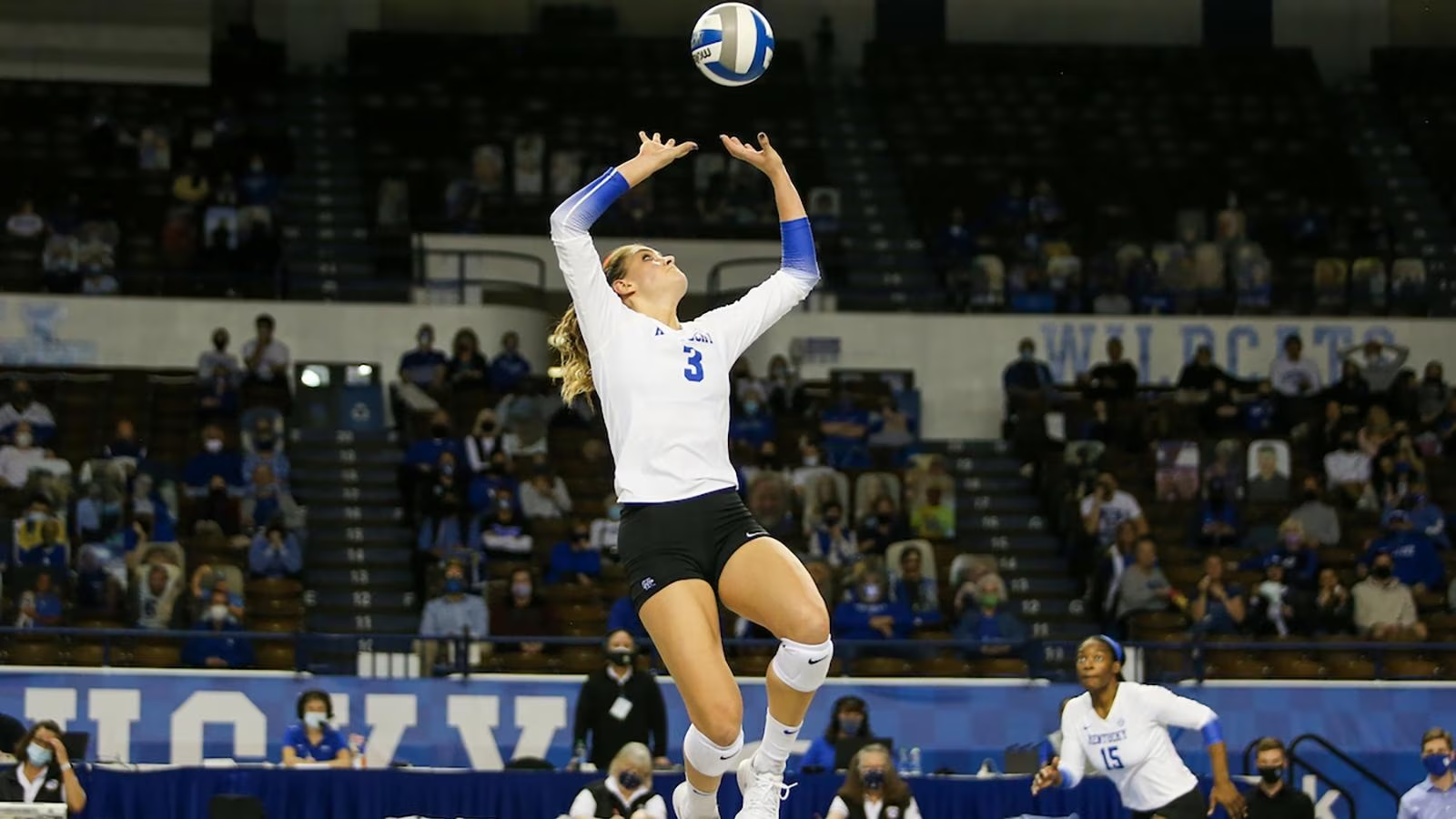
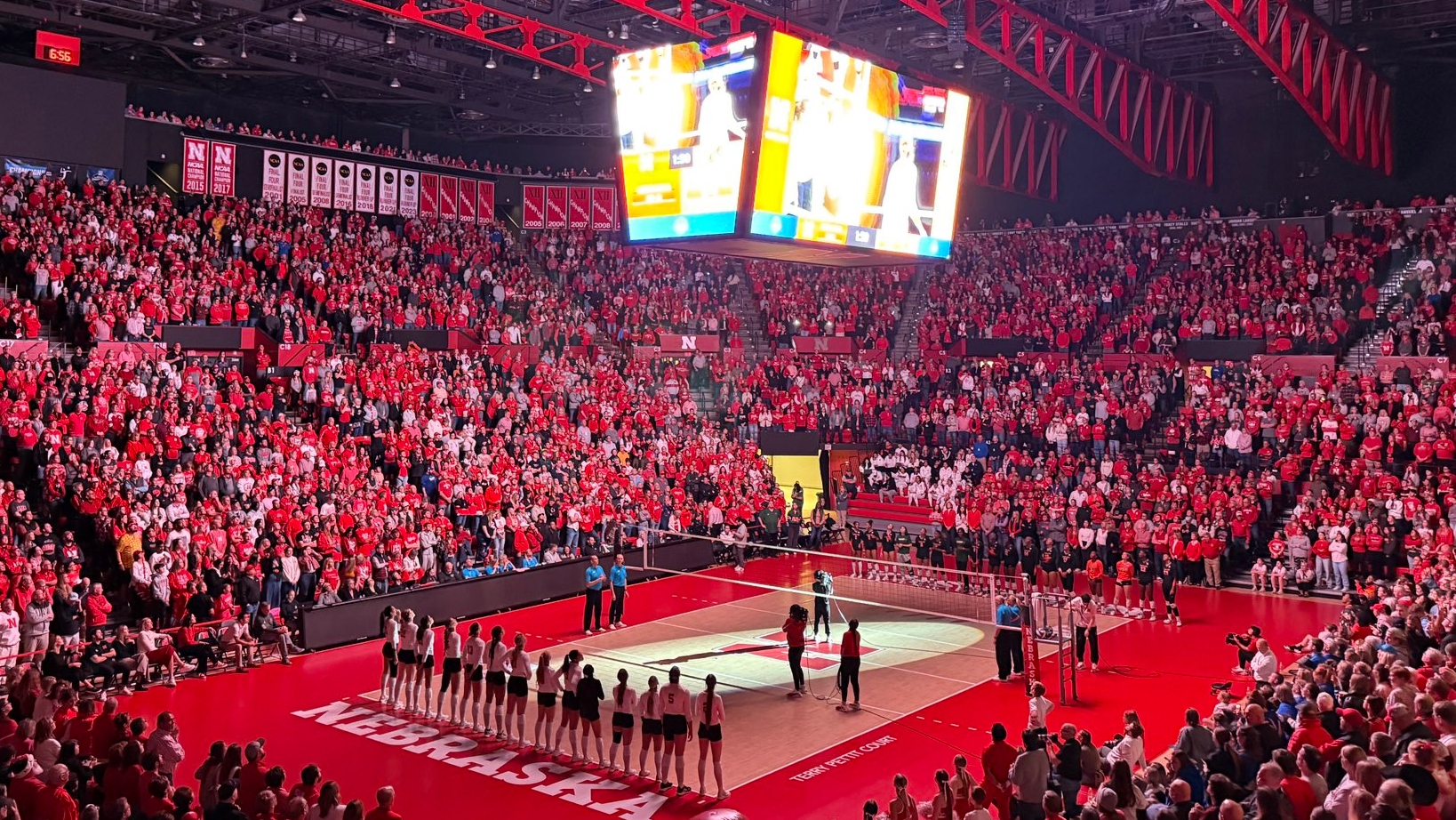
Gonzaga's volleyball team is scheduled to play its first Pac-12 conference match on Sept. 24 at Boise State. The Bulldogs' first home Pac-12 volleyball match is set for Oct. 1 against Colorado State. Those are meaningful markers because they put a real timetable on the new era and give athletes and supporters a first look at what Pac-12 competition will feel like for a non-basketball program.
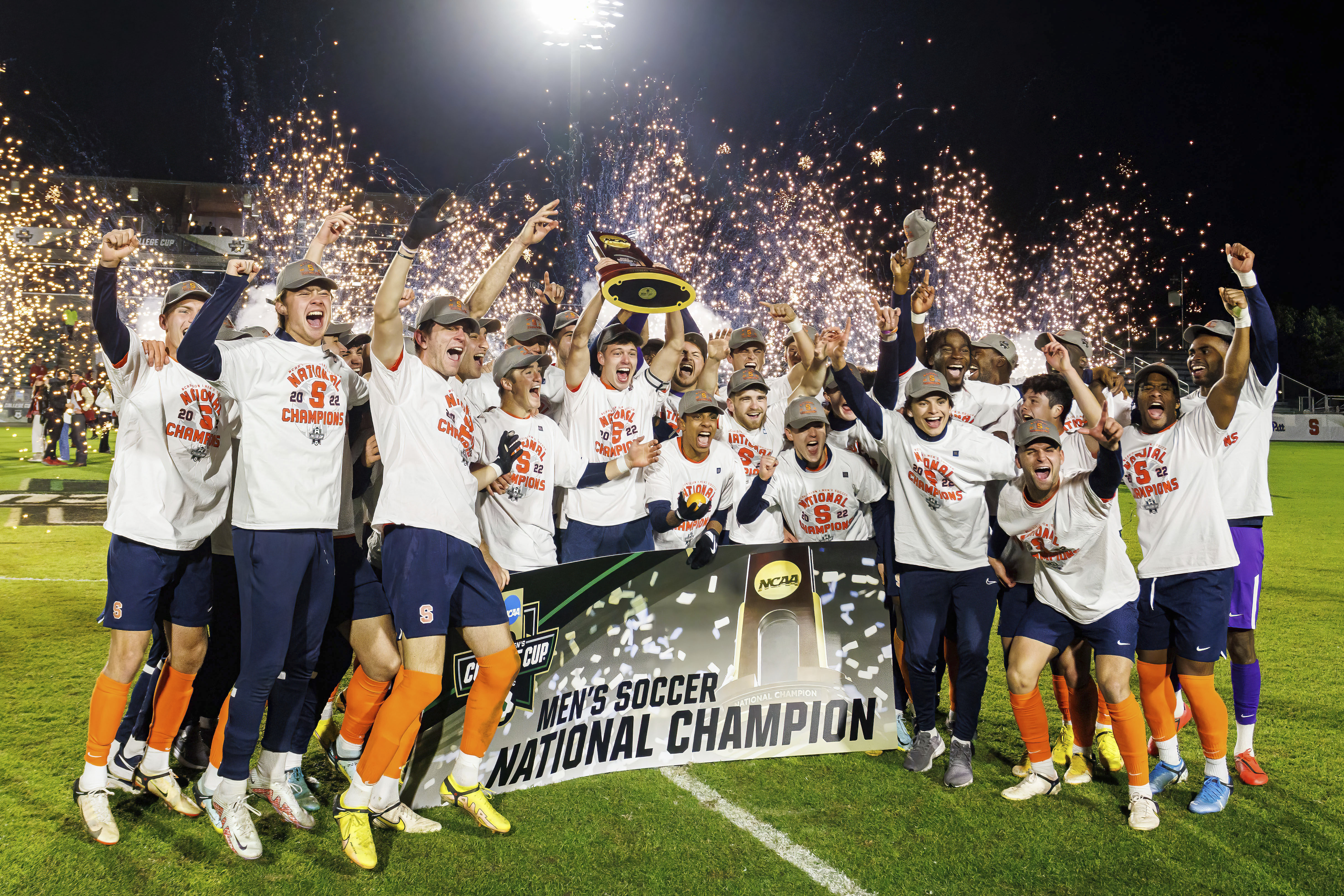
Women's soccer will begin league play on Oct. 4 at Boise State and will host Fresno State on Oct. 11 in its first home Pac-12 match. Men's soccer has also announced a 2026 schedule built around its first season competing in the Pac-12, further underscoring that this is not a symbolic move. It is already shaping the calendar, the travel map, and the day-to-day structure of Gonzaga athletics.
Anyone following the Gonzaga women's volleyball team or the Gonzaga women's soccer program can now view the Pac-12 transition in practical terms. New conference opponents mean new scouting habits, different recruiting comparisons, and a different competitive identity. The same is true for the Gonzaga men's soccer team, which enters its first season under a new league structure.
With Gonzaga's move now official, the new Pac-12 includes nine full members: Boise State, Colorado State, Fresno State, Gonzaga, Oregon State, San Diego State, Texas State, Utah State, and Washington State.
That list shows why Gonzaga's arrival carries extra weight. Among those members, Gonzaga stands out as a national basketball name with long-term tournament relevance. For a conference looking to define its post-realignment identity, having Gonzaga in the fold gives the league an immediate centerpiece in a sport that still matters deeply to school branding, media attention, and postseason credibility.
It also gives the conference a school with broad success beyond one flagship team. Gonzaga's recent results in men's basketball, women's basketball, and baseball support the argument that the Bulldogs can help elevate the league's competitive reputation across the academic year.
For prospects, a conference move changes the evaluation process. A school can still be the same school academically and culturally, but the athletic environment shifts in important ways. That is especially relevant at Gonzaga University, where the institutional identity remains rooted in its Catholic, Jesuit, and humanistic traditions, even as the external competitive setting changes.
From a recruiting standpoint, athletes and families should think about several questions when a program changes conferences:
These are not abstract questions. They matter in sports like basketball, baseball, volleyball, and soccer, where league strength can influence both athlete development and recruiting fit. Families exploring schools often start with brand names, but fit comes from understanding role opportunity, roster outlook, academic match, and where a program is heading, not just where it has been.
That is part of why tools like Pathley's College Directory and Pathley Chat can be useful starting points. They help athletes move from broad awareness to actual comparison, especially when a school's conference landscape is changing.
It is easy to reduce realignment to wins and losses, but Gonzaga's transition also has an institutional side. Standiford's comments made clear that the university sees this as a new chapter, not a departure from its core identity. Gonzaga says its mission remains grounded in Catholic, Jesuit, and humanistic traditions even as it enters a new competitive setting.
That continuity matters. One reason certain schools remain attractive to recruits is that their identity is not dependent on one conference or one season. For Gonzaga, the move to the Pac-12 may bring different opponents and bigger visibility in some sports, but the school's underlying values, campus experience, and long-developed athletic culture remain central to how the university presents itself.
For the Pac-12, that is also valuable. The conference gains a school with national recognition, but also one with a clear sense of mission and a stable athletic brand. In a period when college sports can often feel unsettled, that stability has real value.
Families researching Spokane-area college athletics may also come across Whitworth University. While it competes in a different setting from Gonzaga and is not part of this conference story, it is another name local athletes may want to explore when comparing college options in eastern Washington. Using broad search tools like the Pathley Sport Directory can help athletes understand how schools differ by sport, level, and roster opportunity.
This story is supported by official reporting and institutional announcements from both Gonzaga and the Pac-12, including Gonzaga's July 1 message from athletic director Chris Standiford and the Pac-12's 2024 announcement on Gonzaga joining the conference. Additional context comes from official Gonzaga releases on men's basketball, women's basketball, baseball, volleyball, women's soccer, and men's soccer scheduling and postseason results.
Authoritative sources include Gonzaga Athletics and the Pac-12 Conference. Additional official team result and schedule information can be found through Gonzaga's releases on men's basketball, women's basketball, and baseball.
The biggest takeaway from July 1 is that Gonzaga's Pac-12 membership is no longer an idea tied to future headlines. It is active now. The administration is complete, the conference home is official, and the 2026 fall calendar is already aligned with a new league.
That means the next chapter will be judged less by announcement language and more by actual competition. How will Gonzaga men's basketball look as a Pac-12 flagship? Can women's basketball build on its return to the NCAA tournament? How quickly can baseball, volleyball, and soccer establish themselves in the conference structure? Those are the questions that now replace the old one of whether the move would happen.
For Gonzaga, the timing is strong. The Bulldogs enter with historical prestige, fresh trophies, and a clear place in the Pac-12's rebuilt identity. For the conference, Gonzaga brings a brand capable of giving immediate credibility to the league's new era. For athletes, parents, and coaches, this is the kind of shift that can reshape recruiting conversations quickly.
Rosters, coaches, and division breakdowns for every NCAA and NAIA program we track.