Insight
College Recruiting for Multi Sport Athletes: Smart 2026 Guide
Learn how multi-sport athletes should choose a college path, market both sports, and build a realistic recruiting plan with less guesswork today.
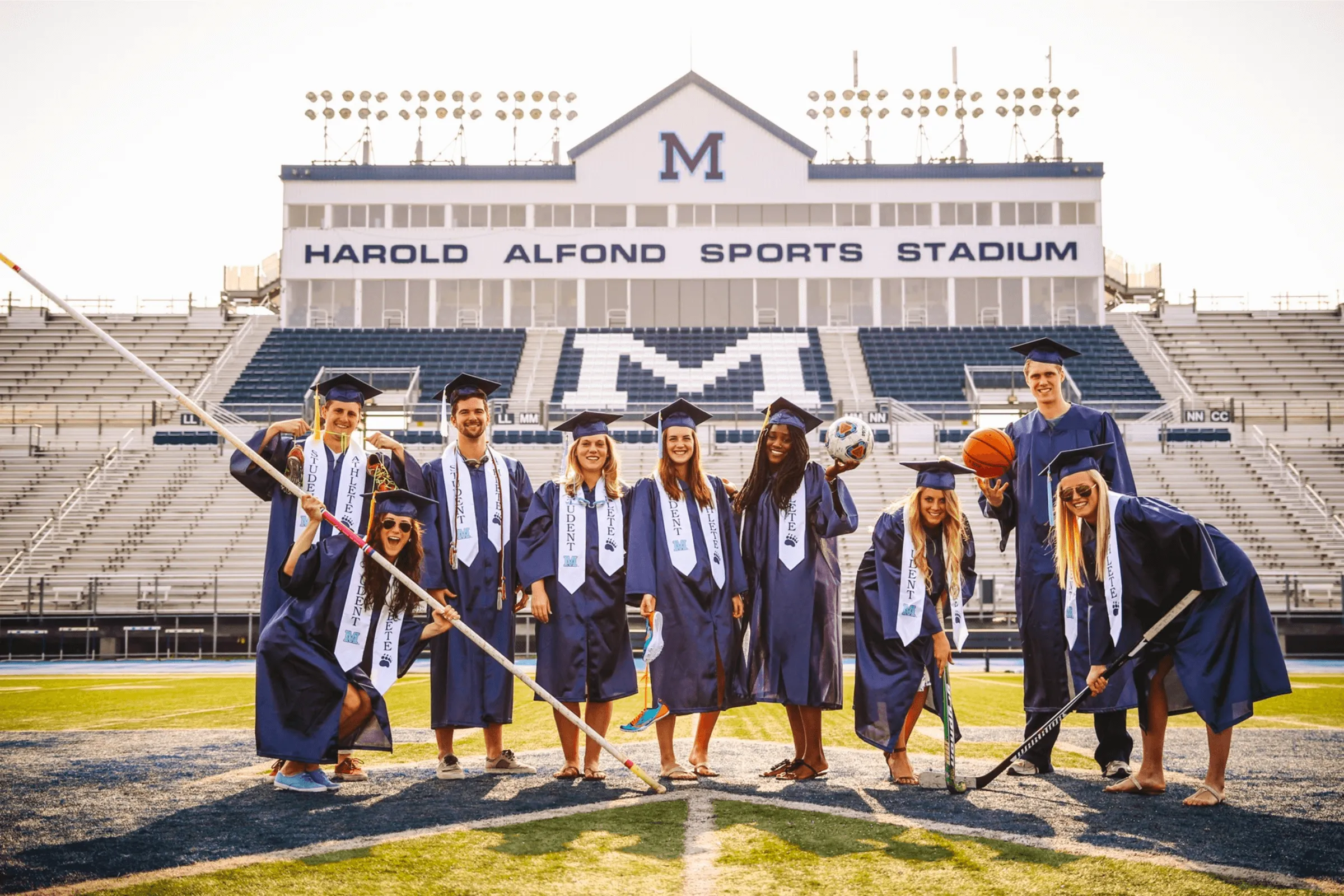
College recruiting for multi sport athletes can feel like a good problem to have. If you are good at more than one sport, people assume more doors will open. Sometimes that is true. Sometimes it just creates more noise, more pressure, and more confusion about where you actually fit.
The biggest mistake families make is treating versatility like a strategy by itself. Being a two-sport or three-sport athlete can absolutely help your recruiting profile, but only if you turn that versatility into a clear story. College coaches need to know what they are projecting, what role you could fill, and how serious you are about their sport.
If you want a fast place to sort through those options, Pathley Chat can help you explore schools, divisions, and recruiting questions before you make big decisions.
How should a multi-sport athlete decide which sport to pursue in college?
Here is the simple truth. Most college coaches love multi-sport backgrounds. Very few want vague recruiting communication. They like athletes who compete, adapt, and keep developing. They do not like guessing what sport you really want to play, how they fit into your plans, or whether another season will keep you from doing the things they need recruits to do.
So if you are trying to keep two options alive, your goal is not to look available for everything. Your goal is to create clarity around the best path.
There is a reason many college coaches say they like multi-sport athletes. Different sports often build traits that transfer well. A basketball player who also runs track may bring explosiveness. A football player who wrestles may show toughness and body control. A softball player who also plays volleyball may show hand-eye coordination, timing, and competitiveness.
Just as important, multi-sport athletes often look more coachable. They have learned different systems, different coaching styles, and different ways to compete. They usually have broader movement skills and a better sense of how to handle winning, losing, and role changes.
Parents also need to remember that being multi-sport can help with development even if it does not lead to two college opportunities. It can reduce early burnout, keep training fresh, and give athletes more time to mature physically and emotionally.
But recruiting is not a reward for being well-rounded. Recruiting is a projection business. A coach is asking one question above all else, can this athlete help our program in our sport?
High school coaches, club coaches, and family friends may tell you that playing more than one sport makes you more valuable. That can be true. Still, college coaches do not recruit resumes the way adults talk about them at dinner. They recruit position fit, event fit, measurable upside, academic viability, and personality fit.
That means a multi-sport athlete has to answer a few questions early. Which sport has the strongest level fit right now? Which sport has the best long-term upside? Which sport gives you the most realistic combination of playing opportunity, school fit, and cost?
If a college coach gets an email from a recruit who seems equally focused on two different sports, the coach may hesitate. Not because the athlete lacks talent, but because the athlete does not yet look easy to recruit. Clear recruits are easier to evaluate. Clear recruits are easier to picture on a roster. Clear recruits are easier to fight for in admissions.
Do college coaches prefer specialists or multi-sport athletes?
This is why the best recruiting approach is usually not, "I can do everything." It is, "Here is my primary college path, and here is how my other sport strengthens that path."
The best college recruiting for multi sport athletes strategy is usually not keeping every door open forever. It is narrowing your focus at the right time, for the right reasons, with real information.
Many athletes choose based on the sport they love most, the sport they have played longest, or the sport people around them talk about most. That is understandable. It is not always the smartest recruiting move.
Start with honest level fit. In which sport are you closest to college standards right now? In which sport can a coach quickly understand your value? Objective sports, like track, swimming, golf, or rowing, often make level fit easier to see. Subjective sports, like soccer, basketball, baseball, and volleyball, may require more context, film, and event evaluation.
You do not need to guess through that alone. Use the Pathley College Directory to explore different schools and start noticing patterns by division, academics, and program type. Sometimes the right answer is not the sport with the biggest name recognition. It is the sport where your profile actually creates traction.
Families often get stuck chasing the version of recruiting that sounds most exciting instead of the version that can really work. One sport may offer stronger admissions support. Another may have more scholarship money in theory but less for your position or level. Another may lead to a better overall financial package once merit aid or need-based aid is considered.
That is why cost has to be part of the decision early. A partial offer at one school can be less affordable than a strong academic package at another. A non-scholarship roster spot at a school that fits academically and socially can still be a win if the overall numbers work.
Before you get too deep, confirm the official eligibility side through the NCAA Eligibility Center, the NAIA eligibility portal, and the NJCAA if junior college is part of your search. Those are the formal checkpoints. Your recruiting strategy still has to be personal.
College sports are not just games on weekends. They are lifts, travel, class scheduling, recovery, team culture, and year-round expectations. One sport may be a better talent fit, but another might fit your body, your academic goals, or the kind of college experience you actually want.
Ask yourself hard questions. Where do you still have the most room to improve? In which sport do coaches respond with real interest instead of polite replies? In which environment can you see yourself staying motivated for four years?
Sometimes the best answer surprises families. The athlete who was known for one sport locally may be more recruitable in the other. The athlete who dreamed about a major conference logo may actually have a better experience and more playing time at a strong Division III, NAIA, or JUCO program.
One of the hardest parts for multi-sport athletes is that each sport moves on its own calendar. Some sports evaluate earlier. Some depend heavily on club seasons, camps, showcases, or specific competition windows. Some coaches want steady updates over time. Others move fast once they have the information they need.
This is where families get overwhelmed. While one sport is in season, the other sport may still require film updates, academic communication, camp planning, or summer event decisions. If you disappear completely from one recruiting process because you are busy with another season, momentum can fade.
That does not mean you need to live in your inbox. It means you need a simple system. Keep your grades current. Update film after meaningful performances. Send short, relevant messages when something changes. Let coaches know when your season ends, when new video is available, and when you are ready for the next step.
Parents can help a lot here, but not by taking over communication. The best parent role is structure. Keep deadlines visible. Make sure travel and event choices align with the athlete's real recruiting priorities. Do not let fear turn the family calendar into chaos.
If you are truly still deciding between sports, set a decision checkpoint. For many athletes, that checkpoint lands sometime between the end of sophomore year and the middle of junior year, depending on the sport. You do not always need to be fully locked in early, but you do need growing clarity.
Your materials matter more when you are a multi-sport athlete because coaches are trying to sort signal from noise. If your outreach is messy, they will assume your recruiting process is messy too.
Do not send one giant all-purpose recruiting package and hope coaches figure it out. Build sport-specific emails, sport-specific film, and a clean sport-specific resume. Your second sport can appear in the background section, but the main message should stay focused on the sport that coach cares about.
The same rule applies to video. A soccer coach does not need a long clip of your basketball highlights before getting to the soccer actions that matter. A track coach does not need to decode how your lacrosse speed translates. Lead with the information that makes evaluation easy.
You can make this cleaner with the Athletic Resume Builder. It helps turn your stats, honors, schedules, and video links into something organized and coach-ready instead of something that feels thrown together.
What should a multi-sport athlete include in a coach email and resume?
Your other sport can still help a lot. It can support your story without taking over your story. Mention it when it explains something valuable, like speed, toughness, leadership, endurance, body control, or late development.
For example, a football recruit who also runs track can use verified sprint or jump marks to support explosiveness. A rower who also swims can show aerobic base and work capacity. A tennis player who also plays soccer can point to movement and competitiveness. The key is relevance.
Think of the second sport as proof of athleticism, not as a substitute for evaluation in the main sport. Coaches still want to see you perform the skills that matter in their game.
A lot of high school athletes dream about playing two sports in college. Some do it. Most do not. The reason is usually not lack of ability. It is time.
College sports, especially at the NCAA Division I level, are demanding almost year-round. Even when games are not happening, training, meetings, lifts, film, travel, rehab, and team responsibilities continue. Two coaching staffs may both say they love the idea in theory, then discover the calendars collide in real life.
That does not mean you should give up on the idea immediately. It means you should be realistic about where it is most possible. Smaller schools, Division III programs, some NAIA settings, and certain athlete profiles can make dual-sport participation more manageable. It still takes unusual coordination and honest communication.
If you want to explore that path, ask direct questions during the recruiting process. How do the seasons overlap? What happens during off-season training blocks? Can both coaching staffs support the plan? How are missed practices handled? What does a normal week actually look like?
The athlete who asks those questions early looks mature. The athlete who avoids them usually runs into problems later.
Most mistakes in this process come from confusion, not laziness. Families want to preserve opportunity, so they delay hard decisions. The problem is that delayed decisions can create weak positioning.
Watch for these traps:
• Treating all coach interest like it means the same thing. A camp invite, a questionnaire, and a real recruiting conversation are very different.
• Waiting too long to decide which sport gets your strongest recruiting energy.
• Combining film, emails, and stats into one message that makes evaluation harder.
• Assuming the highest division is automatically the best outcome.
• Ignoring cost, admissions odds, and the day-to-day reality of the school.
• Thinking that being a great athlete in general will solve a lack of specific sport development.
The good news is that every one of those mistakes is fixable once you get honest about fit.
A smart plan is not complicated. It is just specific.
• Pick a primary recruiting lane, even if you are still monitoring a second sport.
• Build a realistic college list with reach, target, and safety options based on academics, level, location, and cost.
• Keep your communication clean and coach-friendly.
• Use the second sport to strengthen your athletic story, not blur it.
• Revisit the decision when new information arrives, like coach replies, updated stats, or stronger academic options.
This is also where technology can save families a ton of time. Instead of manually searching random schools and trying to interpret scattered advice, use tools that actually organize the process. Pathley was built for that kind of clarity, especially for families who do not want to waste months guessing.
If college recruiting for multi sport athletes has felt confusing, that usually means you need structure, not more opinions. The goal is not to prove you can do everything. The goal is to find the college path where your talent, academics, lifestyle, and money picture line up.
What should a realistic college list look like for a multi-sport athlete?
Rosters, coaches, and division breakdowns for every NCAA and NAIA program we track.