Pathley News
College Football Recruiting Rankings, What They Mean for Recruits
Learn how college football recruiting rankings work, what they miss, and how athletes and parents should use them to build a realistic college list.
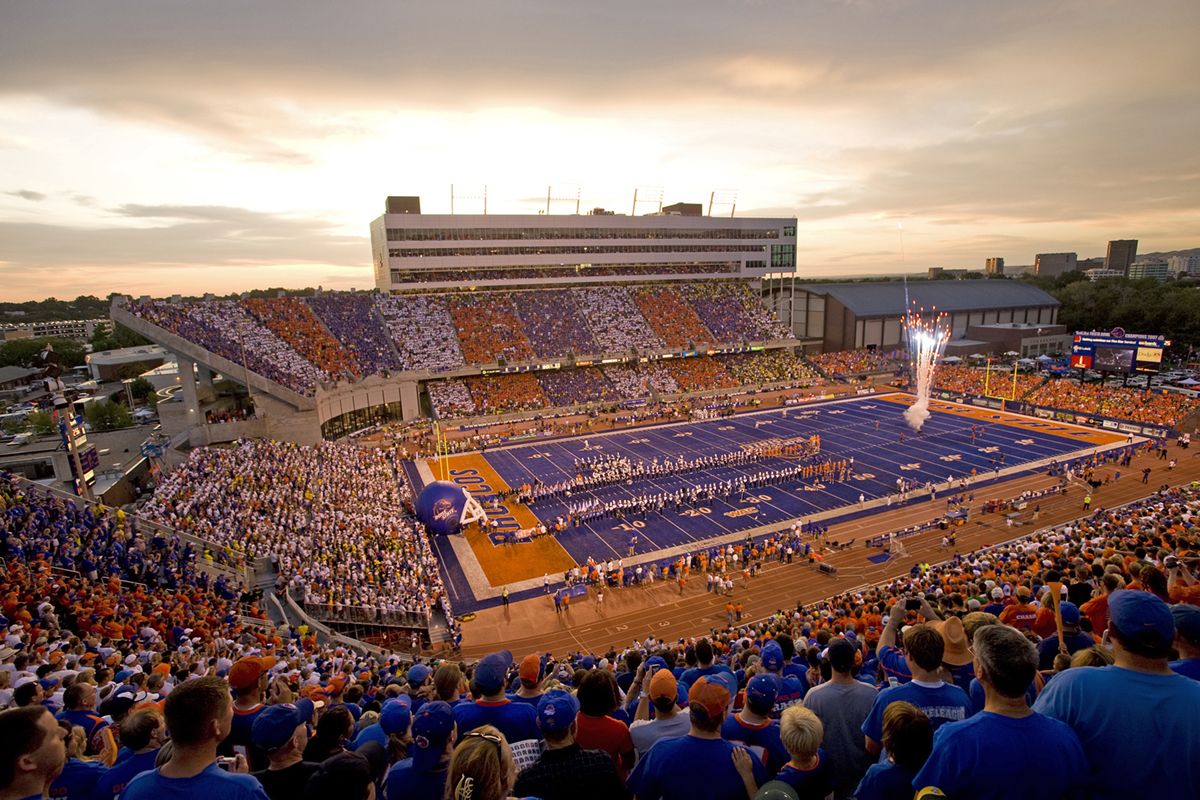
If you spend even a little time around football recruiting, you will see star ratings, top prospect lists, social graphics, and debates about who is rising or falling. That is why college football recruiting rankings feel so powerful. They turn a messy process into something that looks simple. For athletes and parents, the problem is that simple is not always accurate. A ranking can tell you how a third-party service sees a player at a moment in time. It cannot fully explain how a college staff evaluates fit, development, academics, position need, or personality.
How do college coaches actually use football rankings when they evaluate recruits?
Rankings are public. Most recruiting conversations are not. Families rarely hear the full discussion inside a college staff room, but they can see a prospect list in two seconds on a phone. That visibility gives rankings outsized emotional weight. If a player is high on a list, it can feel like proof. If a player is missing from a list, it can feel like rejection. Neither reaction tells the full story.
There is also a numbers problem. High school football is massive, and official NFHS participation data shows just how many athletes are competing for attention every year. At the same time, the NCAA guide for college-bound student-athletes makes clear that recruiting includes academic standards, communication rules, evaluations, visits, and eligibility details. In a process that complex, families naturally grab onto the most visible label they can find.
That does not mean the label is useless. It means it has to be put in the right place. Rankings can be a signal. They are not a verdict. They can highlight who is getting national attention, but they do not capture every good player, every late bloomer, or every program that might be a serious fit.
The first thing to understand is that the NCAA does not publish official high school recruit rankings. Public rankings usually come from third-party scouting services. Those services watch film, attend camps, compare measurable data, study body type, project long-term upside, and track how a player performs against strong competition. In other words, they are evaluating both current production and future potential.
That last part matters. Scouts are often projecting, not just recording. A quarterback might be ranked because of arm talent, release, size, and how his game may translate after two years in a college weight room. An offensive tackle might be evaluated less on current polish and more on length, foot speed, and whether his frame suggests future growth. A defensive back may rise because verified speed changes how a scout sees his ceiling. Rankings are often about projection as much as present ability.
Exposure shapes the sample too. If a player attends major camps, plays for a program that gets regular scouting traffic, or competes in games that are easy to evaluate, that player has more chances to be seen. If another athlete is at a smaller school, plays a less visible schedule, or develops later, the public may simply have less information. That is one reason unranked does not automatically mean unrecruitable. It can also mean underexposed.
When families broaden the search beyond the same famous logos, a football-focused sport directory helps show how many programs exist across different levels of college football.
Why do some football players get ranked early while others stay unranked for so long?
Even very smart rankings have blind spots. They cannot fully measure how a player fits a specific scheme. A spread offense may love a certain quarterback skill set that another staff values less. One defense may need length on the edge. Another may prioritize bend and first-step burst. Coaches recruit roles, not just reputations. A player can be perfect for one staff and only average for another.
Rankings also miss a lot of daily information that college coaches care about. Does the athlete handle coaching well? Does he consistently compete? How serious is he in the classroom? What does the high school staff say about work ethic, toughness, and reliability? Does the transcript match the level of school being considered? Those answers often shape real recruiting decisions more than a public star count.
Position context matters too. Some positions get more recruiting attention because they are easier to market and debate publicly. Quarterbacks, wide receivers, defensive backs, and edge rushers often create more ranking conversation than interior linemen, fullbacks, specialists, or players whose value shows up in gritty details. Coaches, however, still need complete rosters. A staff can be very serious about a player who barely appears in public conversations if that player fills a real need.
Late development is another major factor. Football recruiting is full of players who add strength, improve movement skills, grow into their bodies, or finally land in the right system during junior or senior year. Public rankings can lag behind that progress. They can also overreward early maturity. That is why the recruiting journey looks so different from player to player.
At the highest levels of the sport, rankings can absolutely matter. They can help players get seen sooner, create social proof, and signal that other evaluators think the athlete belongs in a certain tier. For big staffs recruiting nationally, public rankings can function like an early sorting tool. A highly ranked player is harder to ignore, especially when multiple schools are already involved.
But that does not mean coaches outsource recruiting decisions. They still watch game film closely. They still confirm measurables. They still talk to the high school coach, visit the school, evaluate transcript details, and decide whether the player fits the locker room and scheme. Public attention may open the first door. Real evaluation determines whether a staff walks through it.
This is even more important once you move outside the small slice of players who dominate national coverage. At many FCS, Division II, Division III, NAIA, and JUCO programs, direct evaluation often matters far more than public ranking status. Those coaches are not building a class from social media graphics. They are building a roster that fits their admissions process, geography, scholarship structure, scheme, and positional needs.
A broad college directory can be more valuable than any star graphic because it turns abstract recruiting talk into real schools, real levels, and real possibilities. A general college rankings directory can add academic and campus context, but it still cannot tell you whether a football staff believes you solve one of its problems.
What matters more for football recruiting, rankings or verified measurables?
For nationally recruited players, a jump in visibility can lead to faster conversations, more camp invitations, more media coverage, and more outside opinion. That momentum can be real. It can influence how often a player is discussed and how quickly new staffs check the film. But fast attention is not the same thing as final fit. A school can love the ranking and still hesitate on position depth, academic concerns, or scheme overlap.
Can this lineman move well enough for our front? Can this receiver separate against our kind of competition? Can this linebacker process quickly and tackle in space? Can this athlete get admitted? Can he stay healthy and keep developing? Those questions are more practical than any public ranking. They sound less glamorous, but they are often what decide whether communication grows into a real recruiting relationship.
A huge mistake in football recruiting is assuming that no ranking means no future. Public rankings only cover part of the player pool. Plenty of college coaches spend more time chasing traits, improvement, and fit than chasing internet consensus. If an athlete is not heavily ranked, the smartest response is not panic. It is clarity.
Focus points:
• Keep measurable data accurate and verified whenever possible. Height, weight, speed, strength numbers, and updated film are more useful when they are current and easy for coaches to trust.
• Make film honest and efficient. Coaches do not need hype edits first. They need clips that show movement, decisions, physicality, and how traits carry over play after play.
• Build a school list that matches level, academics, geography, and positional fit. The goal is not to impress people with a dream list. The goal is to find real opportunity.
• Communicate like a serious recruit. Short updates, clear academic information, and consistent follow-through matter more than trying to sound famous.
• Keep improving after the first ranking cycle. Football recruiting is full of movement because bodies, technique, and roles change over time.
For many families, the best reset is simply seeing more options. Looking through real programs in a structured way is often healthier than refreshing the same top prospect pages every week.
Parents do not need to ignore rankings. They do need to stop treating them like a final judgment on the athlete. A good question is not, "Did my son move up?" A better question is, "What real recruiting behavior changed?" Did more coaches reach out? Did a staff ask for transcripts or updated film? Did the high school coach hear from programs that fit? Those signals matter more than online buzz.
It also helps to separate identity from exposure. A ranking is public feedback from outsiders who have limited time and incomplete information. It is not a complete description of the athlete or the family. If a player starts feeling pressure to perform for the internet instead of to improve week by week, rankings have stopped being useful.
When rumors, message boards, or group texts make the process feel louder than it needs to be, a searchable family recruiting Q&A archive can be more grounding than chasing every opinion that pops up online.
The healthiest way to use college football recruiting rankings is to treat them as one piece of public information, not the center of the story. They can help with awareness. They can sometimes speed up attention. They can also miss whole categories of players and lead families into comparison traps that do nothing for actual recruiting progress.
When should a football player worry about recruiting rankings, and when should they ignore them?
The single most important takeaway is simple. Coaches recruit film, traits, fit, academics, development, and trust. Public lists can influence visibility, but they do not replace those fundamentals. If the athlete keeps improving, communicates clearly, and builds a college list that matches reality instead of ego, the process gets much more productive, whether a ranking ever shows up or not.
Rosters, coaches, and division breakdowns for every NCAA and NAIA program we track.