Insight
Best Colleges for Swimmers: How to Find the Right Program Today
Looking for the best colleges for swimmers? Learn how to evaluate swim level, academics, roster fit, cost, and build a smarter college list.
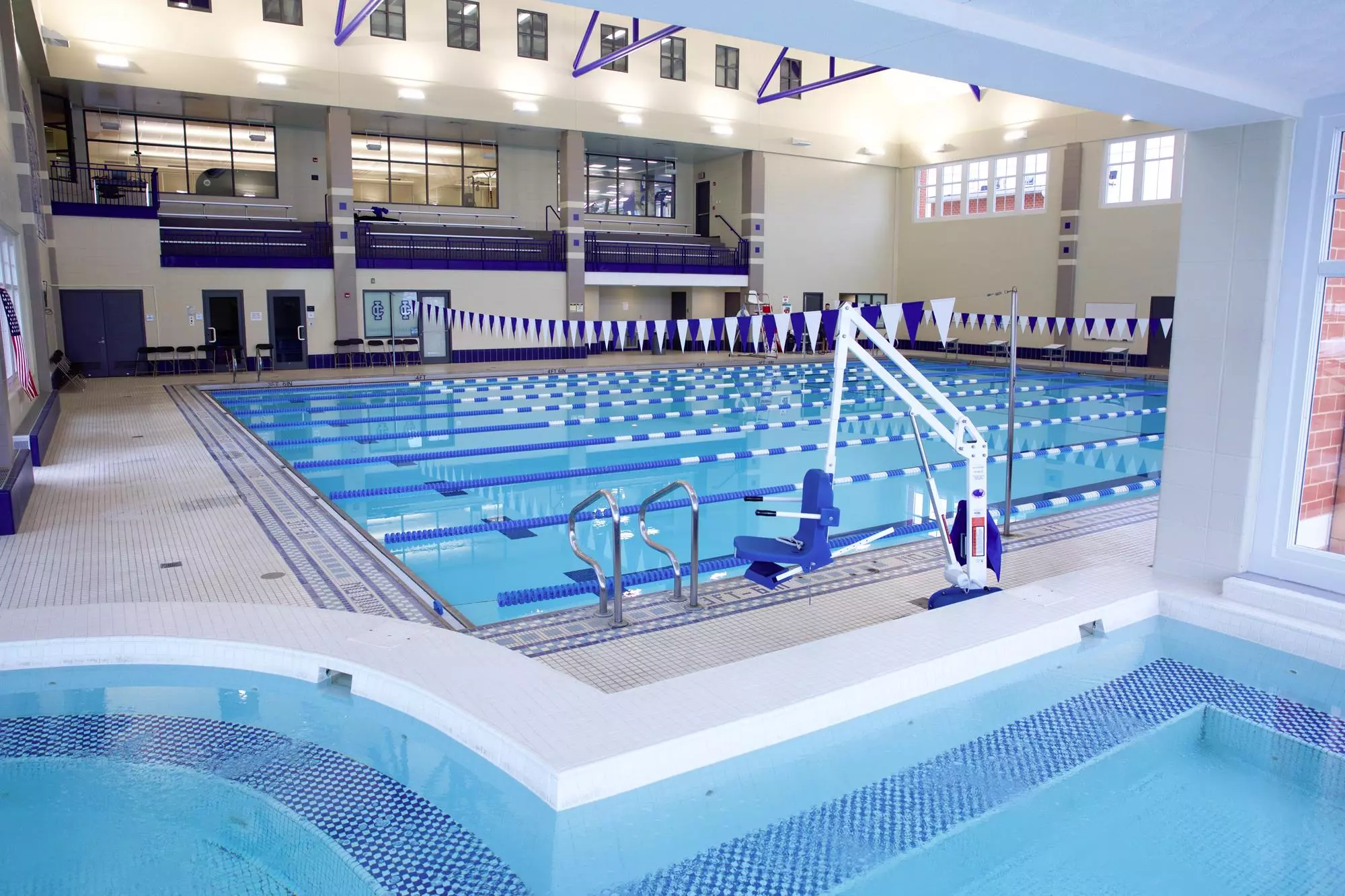
A lot of families search best colleges for swimmers because they want a simple answer. The problem is that swimming recruiting is not a simple ranking exercise. A school can look amazing on paper and still be a bad fit for your times, your academic goals, your event group, your budget, or the kind of college life you actually want.
The real goal is not to find the most famous swim program. It is to find schools where you can contribute, develop, afford the experience, and enjoy the next four years. That takes more than scrolling team names or chasing a logo.
What should swimmers look for when choosing a college program?
If you approach recruiting this way, you immediately get ahead of a lot of families. College coaches are not just asking whether you are fast. They are asking whether you fit their program. You should be asking the same thing right back.
Rankings can be useful, but only as a starting point. They tell you who is well known, who scores at conference meets, or who gets attention online. They do not tell you whether a program needs your event profile, whether your academic interests line up, whether the campus feels right, or whether the actual price will work for your family.
For swimmers, the gap between a public ranking and a real fit can be huge. A nationally prominent team may have elite depth in your events, which means you could spend four years fighting just to travel. A slightly less flashy program might give you better development, more racing opportunity, a stronger academic major, and a better chance to contribute early.
That is why smart families treat rankings like a map, not a destination. Use them to generate names. Then dig deeper.
The first question is simple. Are your current times, progression, and event strengths reasonably aligned with the program? That does not mean you need a perfect match today. Coaches recruit upside, work ethic, and event versatility too. But you do need an honest read on where you stand.
Look at recent meet results, conference standards, roster depth, and the range of times on the current team. Pay attention to how swimmers improve once they get there. Some programs are great at developing athletes over four years. Others are loaded with depth but offer fewer chances to move up.
Also think about your event identity. A sprint freestyler, a distance swimmer, and an IM athlete may all fit the same school differently. The right college swim program is not just about overall team quality. It is about whether your specific skill set makes sense in that environment.
College coaches also care about consistency, academic reliability, coachability, and whether you look like someone who can handle the daily grind of college training. A swimmer who keeps improving, communicates well, and understands their fit can become much more recruitable than a swimmer who only chases prestige.
What do college swim coaches care about besides times?
Swimming can open a door, but academics decide what happens once you walk through it. If a school does not offer the majors, class environment, or academic support you need, it is not a great fit, even if the pool is beautiful and the team is fast.
This is also where a lot of families get tripped up. They get excited about a program before checking admissions reality, core requirements, or eligibility steps. Before you fall in love with a school, verify the basics through official sources like the NCAA Eligibility Center and the NAIA Eligibility Center. If you are considering junior college options, the NJCAA is worth understanding too.
A good recruiting list should include schools where your academics help you, not just schools where you hope your swimming carries the conversation.
Swimmers spend a lot of time with their team. Early lifts, double sessions, travel weekends, recovery routines, and academic pressure all shape daily life. That means team culture matters a lot more than families sometimes realize.
Ask yourself whether you want a huge state school or a smaller campus. Do you want a city environment, warm weather, cold weather, a tight team culture, a broader social scene, or a balance of both? Some athletes thrive in a pressure-heavy performance environment. Others improve more in a supportive, development-driven program.
You are not choosing a logo. You are choosing where you will wake up, train, study, compete, and live.
Swimming families often hear the word scholarship and assume big money is waiting at the end of the process. Usually, that is not how it works. At many schools, scholarship money is partial, distributed across multiple athletes, and combined with academic or need-based aid.
That means the better question is not, "Can I get a scholarship?" The better question is, "What will this school actually cost us after all aid is considered?" A program with less athletic money can still be the better financial choice if the academic aid, in-state tuition, or total package is stronger.
Families who understand scholarship reality make calmer, smarter decisions. They stop chasing magic numbers and start comparing real offers, real aid possibilities, and real long-term value.
How much do swim scholarships usually cover at different college levels?
If you only look at one level, you usually end up with a distorted list. There are strong opportunities across NCAA Division I, Division II, Division III, NAIA, and junior college programs. Each path can make sense, depending on your swimming level, academics, finances, and personal goals.
Division I
Division I can offer high-level training, deep rosters, major resources, and strong competition. It can also be brutally competitive. For some swimmers, it is the dream and the right fit. For others, it becomes a chase that crowds out better overall options.
Division II
Division II often gives swimmers a strong competitive environment with a different balance of athletics, academics, and campus life. For many recruits, it is an excellent middle ground.
Division III
Division III does not offer athletic scholarships, but it can be outstanding for swimmers who want strong academics, meaningful team culture, and the chance to contribute without giving up a more traditional college experience.
NAIA
NAIA programs can be very appealing for swimmers who want recruiting flexibility, scholarship opportunities, and schools that may be overlooked by families locked into NCAA-only thinking.
Junior college
Junior college can be a smart route for development, affordability, academic reset, or late bloomers who need more time before moving to a four-year program.
How do NCAA, NAIA, and Division III options differ for swimmers?
The point is not to force yourself into the highest label possible. The point is to find the right lane for your goals.
Most families begin with a search for best colleges for swimmers because rankings feel safe. But the fastest way to get clarity is to build a repeatable research process. That means looking at the same core factors for every school instead of hopping from website to website and guessing.
Start with a broad pool of possibilities. The Pathley College Directory is useful for discovering schools you may not have considered. If you want a quick way to see broad academic, affordability, or overall school strength categories, the Rankings Directory can help you create a first draft list.
Those free tools are a great way to explore before you commit to a full recruiting plan.
From there, narrow your list by asking practical questions. Are your events represented well on the roster? Does the school offer your intended majors? What conference does the team compete in? Is the climate and campus setting a fit? What is the likely cost after aid? Could you see yourself being happy there if swimming ended tomorrow?
This is where families often get stuck. They know how to gather names, but not how to sort them into reach, target, and safer options. That sorting matters because recruiting is rarely a straight line. A smart list gives you room to pivot without panic.
If you want to explore questions other families are already asking, the Family Recruiting Q&A is a helpful place to see how real recruiting decisions get unpacked.
Some recruiting mistakes are easy to miss because they look like ambition. In reality, they slow athletes down.
• Chasing only famous programs, even when the fit is weak.
• Ignoring schools outside Division I, even though great swim and academic opportunities exist across every level.
• Focusing only on scholarship talk instead of total cost.
• Building a list with no reach, target, and safety balance.
• Sending outreach before your profile, times, academics, and video are organized.
• Waiting too long to ask whether you actually want the daily life that comes with a specific program.
• Assuming a fast team automatically means a better development environment for you.
• Treating recruiting like a one-school dream instead of a process with multiple good paths.
None of these mistakes mean an athlete lacks potential. They usually just mean the family does not have a system. Recruiting feels chaotic when every school is evaluated differently. It gets much clearer when the process is structured.
A strong list is not just a collection of school names. It should tell you why each school belongs on the list, how realistic the athletic fit is, how the academic profile lines up, what the social environment feels like, and what the money picture probably looks like.
It should also separate your schools into tiers. Some should be aspirational. Some should be realistic targets. Some should be dependable options where the fit still feels good. That balance lowers stress and leads to better decisions once coaches start responding.
You also need a clear action plan. Which schools should you contact first? When should you send updates? Which programs are worth visiting? What gaps do you need to address in academics, times, communication, or list building?
When should a swimmer start reaching out to college coaches?
Without that roadmap, families tend to overreact. One slow month feels like failure. One coach response feels like a guarantee. A real plan keeps you steady.
That matters for swimmers because your best list is rarely obvious at first. You need honest fit analysis, not hype. You need a plan that shows where you truly match, where you may be stretching, and what to do next.
How can I build a realistic college list for swimming based on fit, cost, and level?
The right college swim program is not always the one with the biggest name, the fastest conference, or the flashiest social media. It is the one that fits your level, your goals, your academics, your lifestyle, and your finances.
Once you see recruiting through that lens, everything gets clearer. You stop chasing random schools. You start making smart decisions.
Rosters, coaches, and division breakdowns for every NCAA and NAIA program we track.








