Pathley News
Basketball Elite Camps: A Recruiting Guide for Athletes in 2026
College basketball camps can support recruiting, but fit matters. This guide explains invitations, coach evaluation, preparation, and useful follow-up.
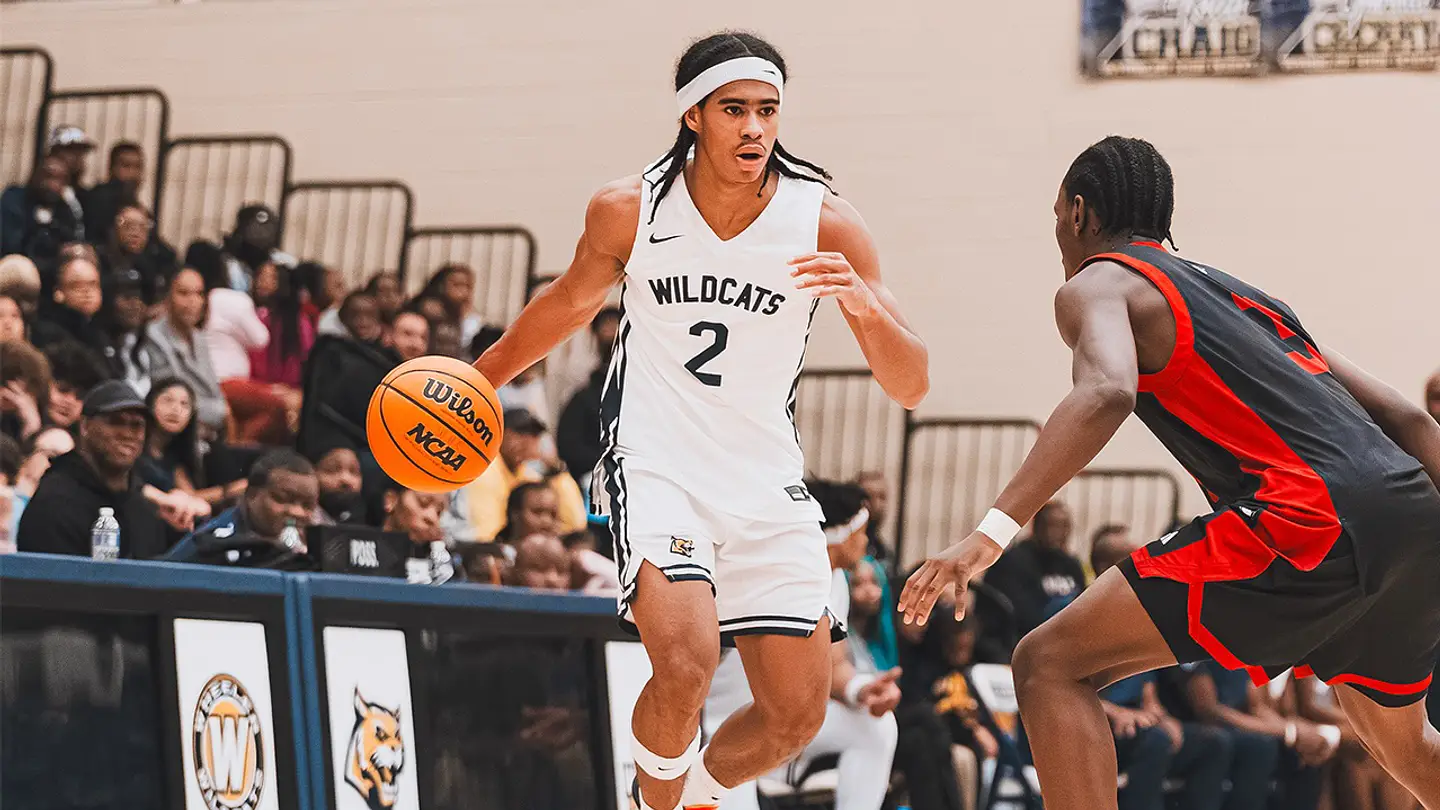
The email looks promising. A college basketball program has invited you to its elite camp, the message mentions your graduation year, and the coaching staff will be there. Does that mean the coaches are recruiting you?
Maybe. But the invitation alone does not answer that question.
For recruits, basketball elite camps can create a valuable opportunity to compete in front of a college staff, experience its coaching style, and understand a program more clearly. They can also produce very little recruiting progress when the athlete, event, and school are not a realistic match.
The difference is rarely the word elite. It is the context around the event: who invited you, what the staff already knows about you, how the camp operates, and whether your skills translate to that program.
How do college basketball camps fit into the recruiting process?
An elite camp generally targets competitive players interested in a more demanding basketball environment. At a college-hosted event, the schedule may include skill instruction, small-sided competition, full-court games, and interaction with the program's coaches.
However, the label is not a universal standard. Two events with similar names can have different age groups, player numbers, coaching involvement, and purposes. The published schedule and participation requirements tell you more than the title.
A college-hosted camp usually provides direct exposure to that institution's staff. An independent showcase may bring together coaches from several programs, but a published list of invited schools is not necessarily a confirmed attendance list.
The key distinction is who will actually evaluate athletes. A camp led mostly by outside instructors is a different experience from an event where the college staff watches games, teaches sessions, and speaks with participants.
Some camps emphasize instruction. Others provide extensive competitive play that helps coaches evaluate prospects. Many combine both.
A development-focused event can still be useful, but it should not be mistaken for a guaranteed recruiting opportunity. Likewise, an evaluation-focused event may not provide the individualized teaching an athlete expects. A clear purpose makes the experience easier to judge.
Camp invitations fall along a spectrum. At one end is broad event advertising. At the other is a specific request from a coach who has watched your film or seen you compete and wants another evaluation.
Both messages may use enthusiastic language. That does not make them equivalent recruiting signals.
A message that uses your name, position, or graduation year may still come from a large distribution list. Those details can be collected through questionnaires, previous events, or recruiting databases.
General invitations are not automatically meaningless. They simply do not establish that a coach has evaluated you or placed you on a recruiting priority list. Pathley's guide to responding to camp invitations from coaches explains why the context behind the message matters.
A more meaningful invitation might reference a recent game, a particular skill, or film the staff has reviewed. A coach may explain what they want to evaluate next, such as how you defend quicker guards or make decisions against pressure.
Even then, an invitation is not an offer. It usually means the staff wants more information. Recruiting interest can change after the event, and no single conversation guarantees admission, athletic aid, or a place on the team.
Useful clarification topics include:
• Whether the staff has already reviewed your film or watched you play.
• Which graduation years the event is intended to serve.
• Which coaches will be present and what their camp responsibilities will be.
• How much competitive play is included in the schedule.
• Whether athletes receive feedback and how that feedback is delivered.
The most recognizable school is not automatically the most useful camp destination. A better match connects your current playing ability, potential development, academic interests, and actual interest in the college.
Athletes often compare themselves with a division label rather than a specific team. That is too broad. Programs within the same division can differ substantially in size, speed, physicality, and recruiting expectations.
Game film, an honest conversation with your current coach, and observation of college competition can help establish a realistic range. Pathley's college basketball recruiting guide provides context for evaluating opportunities across different levels.
A stretch camp can be useful when the purpose is to experience a higher standard of play. It becomes less useful when the family treats attendance as evidence that an offer is likely.
A camp is also an opportunity to understand the place where an athlete might study and live. Academic programs, campus size, location, student support, and the surrounding community still matter.
A school that makes sense only if basketball goes perfectly is a fragile choice. Injuries, coaching changes, and shifting roles happen. Strong college fit remains valuable even when the athletic experience changes.
A younger athlete may benefit most from instruction, learning the pace of college-style practices, and identifying development priorities. An older prospect may need a more direct evaluation from programs that realistically fit their ability and academic profile.
For a rising senior, an important question is whether the event includes evaluation of that graduation class. For an athlete rebuilding after an injury, readiness may matter more than the camp date.
How should a basketball recruit choose which college camps to attend?
Scoring matters, but coaches do not evaluate a camp game the way spectators follow a box score. They are often trying to understand whether an athlete's habits will hold up in their system.
A player who scores frequently while stopping the offense may leave a different impression from a player who creates good shots, defends consistently, and makes quick decisions.
Coaches notice whether a player recognizes an advantage and acts before it disappears. That includes attacking a closeout, delivering a pass on time, relocating after a drive, and choosing a good shot rather than forcing a difficult one.
For guards, handling pressure and organizing teammates can be revealing. For wings, shooting readiness, cutting, and secondary playmaking matter. For interior players, screening angles, finishing decisions, passing, and positioning can demonstrate value.
These are examples, not a universal position checklist. Programs recruit for different systems, and modern basketball roles often overlap.
A missed shot is visible. So is the response afterward. Coaches can learn a great deal from whether an athlete sprints back, communicates a matchup, or gives up on the next possession.
Defensive evaluation includes stance, positioning, screen navigation, help awareness, rebounding, and the ability to contain an opponent without unnecessary fouls. Effort helps, but effort combined with awareness is more useful than constant motion without purpose.
Camp settings reveal how athletes respond to unfamiliar instruction and unfamiliar teammates. A coach may watch whether a player applies a correction during the next repetition, listens during explanations, and communicates without blaming others.
Confidence and coachability are compatible. An athlete can compete aggressively while accepting feedback. The goal is not to perform a personality for the staff. It is to show habits that teammates and coaches can rely on.
What do college basketball coaches evaluate during a camp?
The best preparation is not a last-minute attempt to become a different player. It is arriving healthy, organized, and clear about the skills you can consistently contribute.
In the weeks before camp, normal training can emphasize game-speed execution and decisions under pressure. Shooting while fatigued, defending live actions, and playing with different teammates are more relevant than rehearsing moves with no defender.
Athletes do not need to add unusual workouts immediately before the event. Excess fatigue can undermine performance. Training changes and injury concerns belong in conversations with the athlete's coach and qualified health professionals.
Coaches should be able to understand the athlete's basic recruiting information without confusion. Graduation year, school, team, position, academic interests, and a current film link are useful details when requested through the event's process.
Measurements and statistics should be accurate. An exaggerated height or misleading statistic creates a credibility problem that a strong drill performance may not fix.
There is also a privacy boundary. Sensitive identity documents and detailed medical information should only move through the appropriate secure institutional process, not casual messages to unfamiliar event contacts.
The event's instructions should guide clothing, equipment, check-in requirements, meals, and hydration arrangements. Athletes who require medication or have medical restrictions need an appropriate plan consistent with professional guidance and camp procedures.
Travel timing matters too. Arriving rushed, missing check-in, or beginning the day exhausted can affect both performance and the ability to absorb instruction.
A camp does not erase recruiting restrictions. Rules about communication, evaluations, visits, and permissible activity depend on the association, division, sport, and date.
Men's and women's basketball do not share an identical recruiting calendar. A rule that applies to one program should not automatically be assumed to apply to another. The NCAA's official recruiting resource is a starting point for understanding these distinctions and locating applicable calendars.
At many NCAA institutional camps, open-enrollment requirements also apply. The word elite should not automatically be interpreted as an invitation-only admissions process. The institution's compliance office can clarify the requirements that govern its particular event.
Academic eligibility is a separate responsibility. An impressive camp performance does not replace required coursework, eligibility certification, or college admission. The NCAA's initial eligibility guidance explains the academic certification framework for prospective college athletes.
NAIA and junior college programs operate under their own rules. Event staff and the institution's athletics compliance personnel are the appropriate authorities for questions about what is permitted at a specific camp.
Camp basketball can be messy. Players may not know one another, possessions can become rushed, and some teammates will try to prove themselves on every touch. The athlete who stays composed can stand out without dominating the ball.
Imagine a guard who normally creates offense through penetration and passing. At camp, that guard starts forcing contested jump shots because other players are scoring. The attempt to look more impressive hides the skill that made the player valuable in the first place.
A stronger approach is to demonstrate reliable strengths while remaining willing to take appropriate opportunities. Good basketball does not require passive play. It requires recognizing the difference between an available advantage and a forced action.
If a coach corrects a defensive angle or screening detail, the next repetitions provide an opportunity to apply it. Visible adjustment shows that the athlete can learn during competition, not just nod during a conversation.
Questions work best when they are brief, relevant, and timed appropriately. A teaching break is different from interrupting a live drill. Parents generally help most by handling logistics and leaving basketball interactions to the athlete.
After camp, a recruiting update is more informative when it connects the experience to a specific conversation or teaching point. A generic message about enjoying the event gives the staff little new information.
For example, an athlete might reference a coach's instruction about defending ball screens, mention how it affected their play, and include an updated schedule or film link if appropriate. The message can remain brief and athlete-written.
Clarity matters more than interpreting every friendly comment. A coach saying that you played well is different from explaining that the staff wants to continue evaluating you. Pathley's guide to questions to ask college coaches provides context for conversations about evaluation, program fit, and next steps.
Silence after camp does not prove that an athlete cannot play college basketball. It may reflect a mismatch with that program, the staff's priorities, communication restrictions, or incomplete evaluation. At the same time, repeated silence is not evidence of hidden interest.
No. Player numbers, court assignments, staff responsibilities, and the event format affect how closely any athlete is observed. Attendance creates an opportunity for evaluation, not a guarantee of sustained attention.
Yes, it can start or strengthen interest. But coaches may still want game film, academic information, references from current coaches, and additional evaluation. One strong day is useful evidence, not a complete recruiting profile.
No. A camp can expose a skill gap, an unrealistic target level, or a problem with preparation. Those findings are useful when translated into development goals and a more balanced college list. One event should not define an athlete's identity or entire recruiting outlook.
Basketball elite camps are most useful when they answer a real question. Can you handle this pace? Does the coaching style fit you? Which parts of your game translate, and which need more development? Is there specific interest beyond the invitation?
The answer may be encouraging, disappointing, or somewhere in between. All three can help an athlete make a better decision when the experience is evaluated honestly.
What should a basketball recruit do after attending a college camp?
The most important outcome is not leaving with the most points or the most enthusiastic compliment. It is leaving with a clearer understanding of your game, the program, and the next stage of your recruiting process. A camp is one piece of evidence. Consistent development, academic preparation, and realistic college fit still carry the process forward.
Rosters, coaches, and division breakdowns for every NCAA and NAIA program we track.







