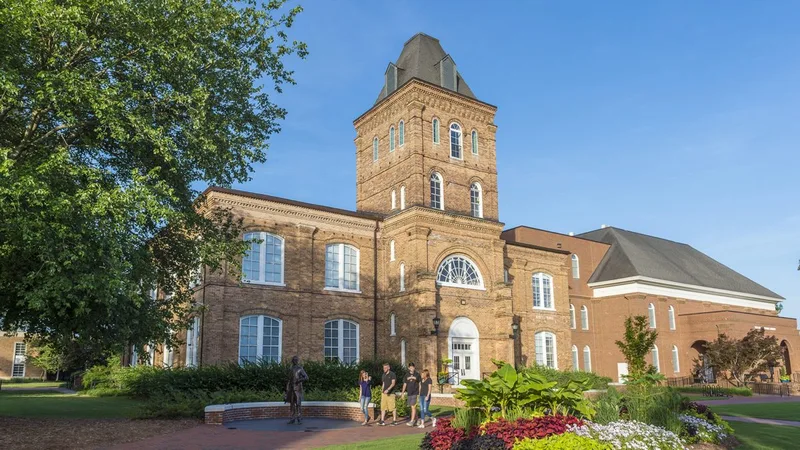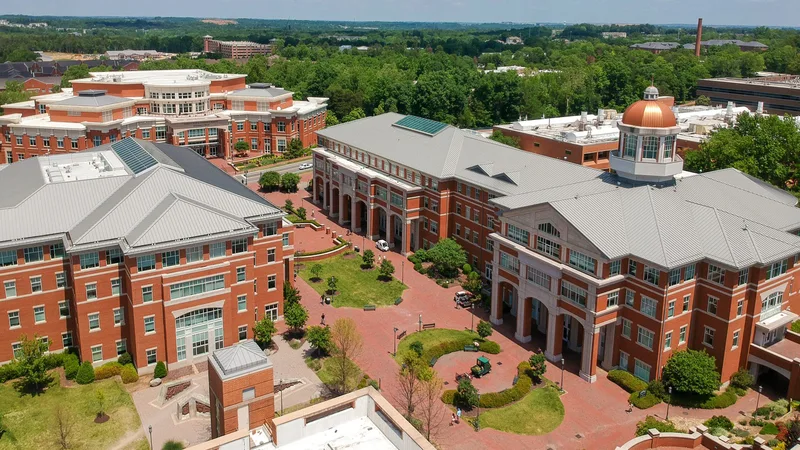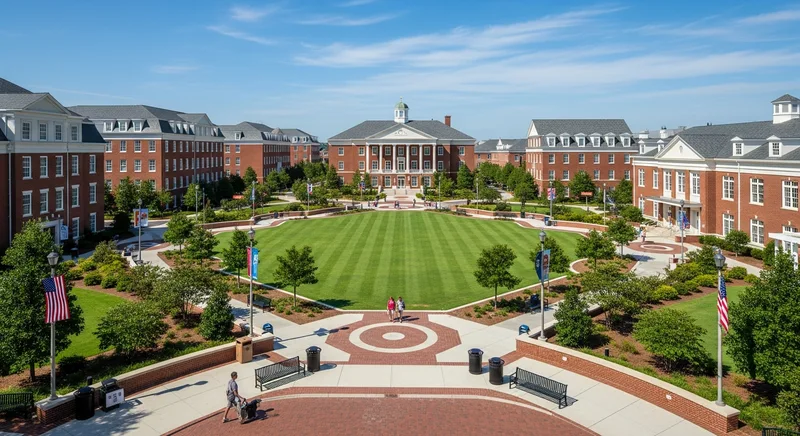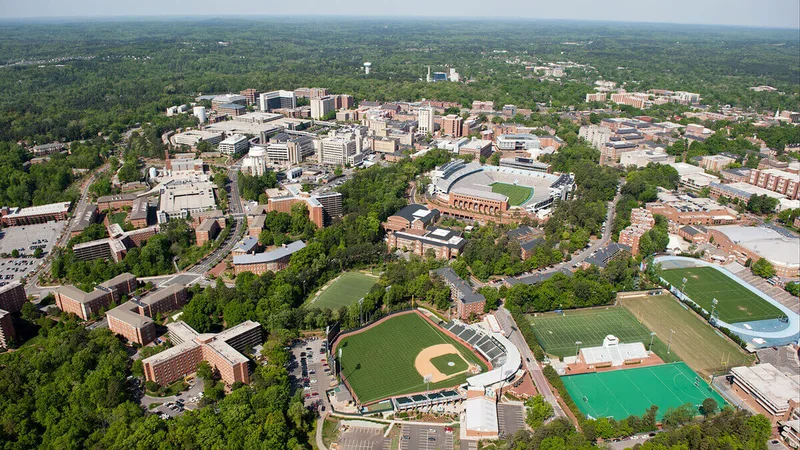

University of North Carolina at Chapel Hill
Chapel Hill, NC
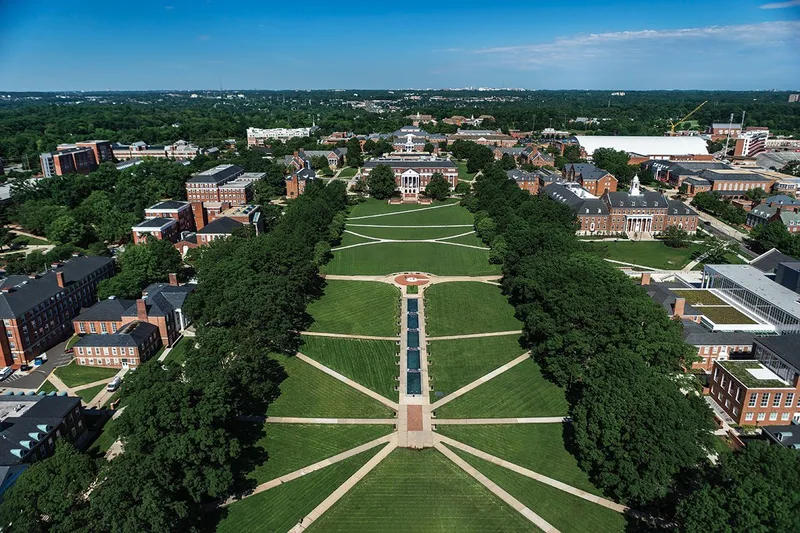
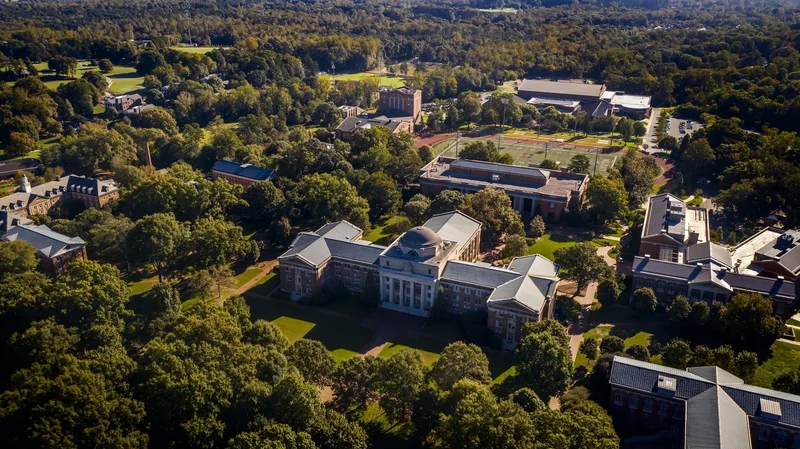
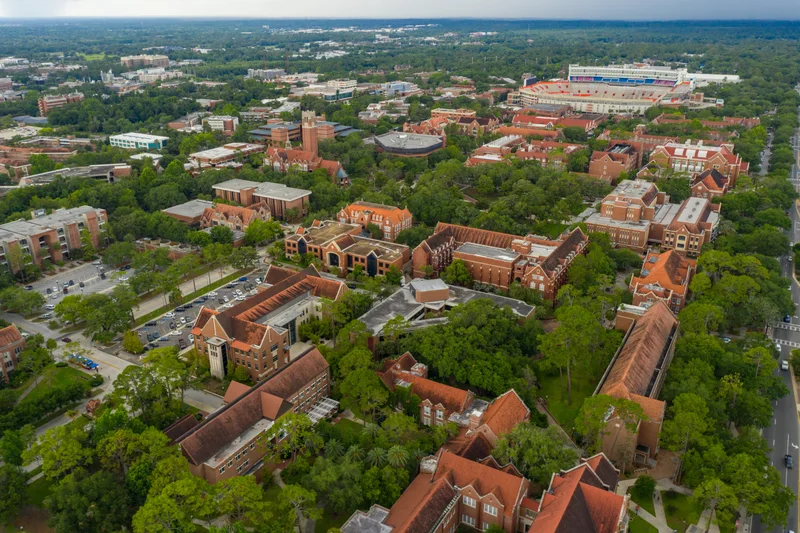
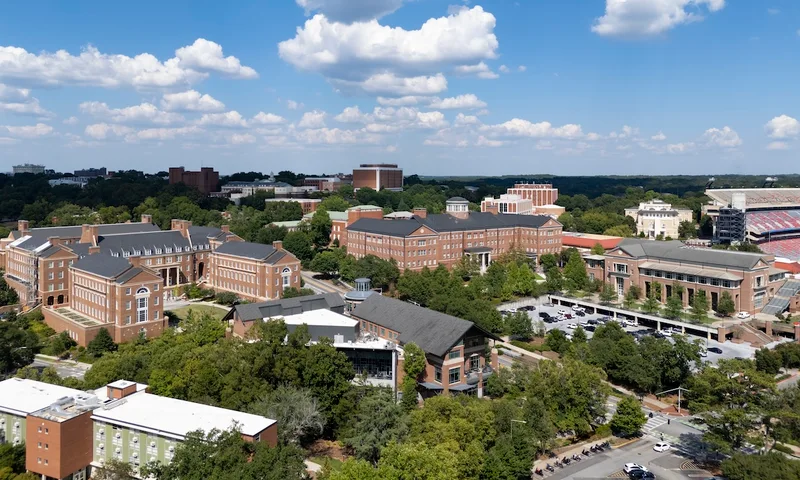
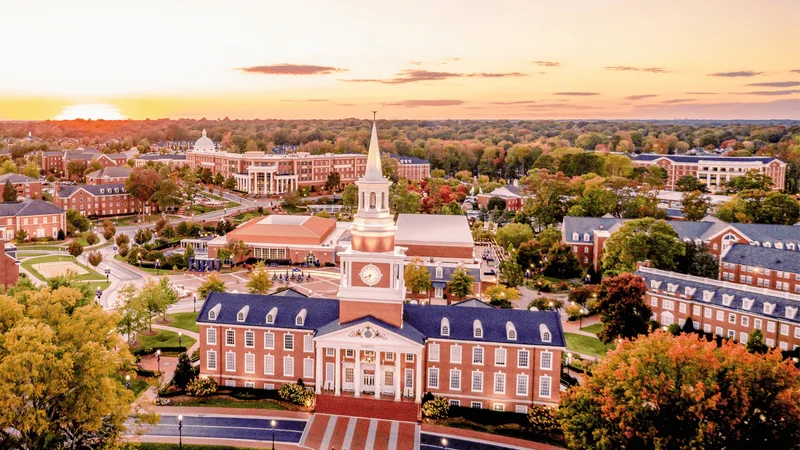
Why it is similar: Same conference and state.Strong academics, ACC competition and in-state value appeal to athletes seeking a demanding college experience.
Browse programs
College directoryEvery program, filtered by what fits Sport directoryMen's and women's, every division State directoryPrograms in the states you would play inGo deeper
Major directoryYour major and your sport in one list Camp directoryID camps and showcases at college programs Conference directoryEvery conference and its member colleges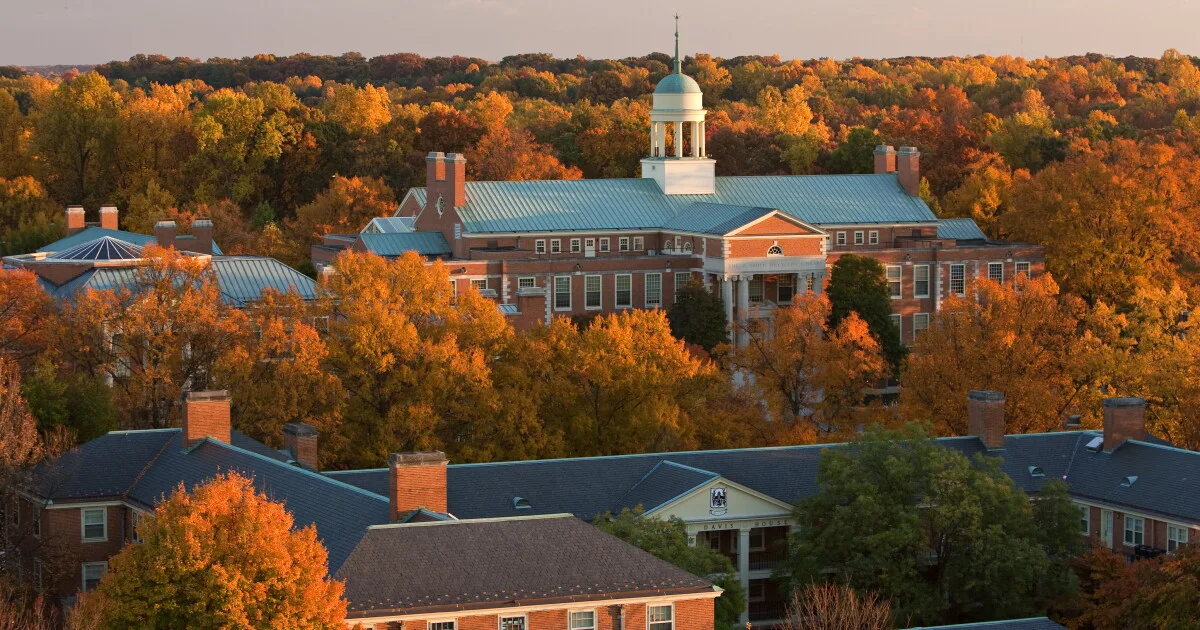

One plan built for Wake Forest University Baseball, with the roster read, the coach's contact and a dated plan, delivered within 24 hours. An expert checks every plan.
Overview
Key facts about the Wake Forest University baseball team.
From its campus in Winston-Salem, North Carolina, Wake Forest University competes in Division I baseball as a member of the Atlantic Coast Conference. Five straight winning seasons run through 2026. Freshmen make up 37% of the roster, which makes it a young team.
Head Coach
players a season
Fit check
Pick your position and level, add a test score if you have one, and get an instant read on your chances here. Free, and no account needed.
Coaching staff
Head coach
Tom WalterHead CoachRoster
The roster by class
35 players on the latest roster (2027).
Roster openings after 2026-27
Pitcher 1 · Infielder 1 · Outfielder 1 · Utility/Designated Hitter 1
For the Class of 2027, the numbers are tougher, since only 11% of the roster, four players, is set to leave after the 2026-27 season and the median among Division I baseball teams is 26%. Fewer departures mean fewer open spots for incoming recruits.
See who you would be replacingThe program has kept only 39% of last season's non-seniors, below the 61% median among Division I baseball teams, and is young, with 13 of 35 players in their first year.
Positions
How many players a season the program carries at each position, and how tall they are.
Average height 6'3"
Average height 6'1"
Average height 6'1"
Average height 6'1"
Average height 6'1"
Transfers
transfers in for 2026-27
transfers out
Footprint
Where the players are from
Counted from players on recent rosters with a known hometown.
Top home states
This program recruits away from home, with 18% of the roster from North Carolina, compared with a median of 40% among Division I baseball teams.
Results
Swipe to see every season
2022
68%41-19-1overall
15-14-1conference
2023
82%54-12overall
22-7conference
2024
63%38-22overall
15-15conference
2025
64%39-22overall
16-14conference
2026
65%39-21overall
16-14conference
Among Division I baseball teams, a 49% winning percentage is typical. This team has managed 69% over five seasons, enough for the top 10%.
Schedule and travel
The season's games, home and away, and how far the team travels.
Recruiting
Wake Forest baseball is a highly competitive NCAA Division I program in the ACC, where recruits regularly face nationally competitive schedules and a deep talent pool. The program has a strong history that includes multiple ACC titles, NCAA Tournament appearances, a 2023 ACC championship, and recent regional-level postseason consistency. Making the roster generally requires verified college-level tools, position fit, and the ability to contribute in a demanding baseball environment.
Recruiting difficulty
Wake Forest is a highly competitive ACC program near the national postseason level, so most roster opportunities are likely to favor recruited players with strong measurable tools and proven performance.
What coaches value
How to get recruited here
Build a verified recruiting profile with current metrics, game video, academic information, and a clear position projection. Attend events where ACC-level evaluators are present, contact the baseball staff professionally, and show recent performance against strong competition rather than relying only on showcase results.
How hard is it to make the team
It is very difficult to make Wake Forest baseball because the program competes in the ACC and has maintained a strong postseason and player-development profile. Recruits should expect competition from experienced high-level players and should bring a clear athletic advantage, positional fit, or developmental upside.
Who fits this program
Program stats
Athletes on the roster
Coaches on staff
Spent per athlete
Spending and revenue a year
Revenue covers everything the program spends.
Operating spending per athlete runs high, at around $29,000 in the 2025 EADA report, about three times the Division I median.
Source: the federal Equity in Athletics report, 2025.
Feeders
The high schools and clubs that sent the most players to this roster.
The school
Wake Forest University combines rigorous liberal arts and professional study with close faculty engagement, making academic preparation, major choice and long-term career goals central to evaluating your fit as an athlete.
Wake Forest UniversityWinston-Salem, North CarolinaSee the full profile Acceptance rate
Graduation rate
Official links
Similar programs
Programs at a similar level, with similar academics, worth adding to your recruiting list.
Chapel Hill, NC
Why it is similar: Same conference and state.Strong academics, ACC competition and in-state value appeal to athletes seeking a demanding college experience.
ACC competition, rigorous academics and a residential campus attract athletes looking for a demanding college experience.
Big Ten competition, strong academics and nearby Washington opportunities give athletes compelling reasons to consider this campus.
Athletes choose a close-knit residential community where demanding academics, faculty mentorship and Division I competition come together.
Strong research academics, SEC competition and in-state value attract athletes who want an active campus experience.
Strong academic options, SEC competition and Athens campus life give athletes compelling reasons to pursue a place here.
Teams in North Carolina
Buies Creek, NC
Athletes choose a small-campus environment where Division I competition sits alongside professional preparation and accessible admissions.
Charlotte, NC
Competitive athletics, industry-aligned academics and in-state value make this urban university worth considering for recruits.
Davidson, NC
Athletes choose a close-knit residential community where demanding academics, faculty mentorship and Division I competition come together.
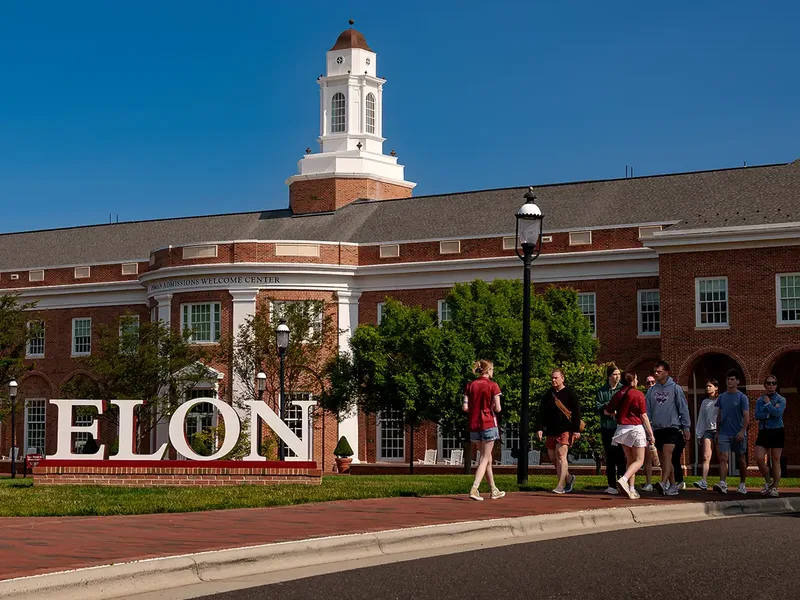
Elon, NC
Competitive athletics, approachable faculty and hands-on learning appeal to athletes who want meaningful preparation beyond their sport.
Boiling Springs, NC
A small campus community and faith-informed education give athletes a personal setting for Division I competition.
High Point, NC
Division I competition, hands-on academics and a residential community give athletes clear reasons to consider this campus.
Raleigh, NC
ACC competition, applied academics and Raleigh career connections give athletes clear reasons to consider studying here.
Chapel Hill, NC
Strong academics, ACC competition and in-state value appeal to athletes seeking a demanding college experience.
Charlotte, NC
A small campus, demanding competition and career-focused academics give athletes a distinctive balance in Charlotte.
Asheville, NC
Close faculty connections, undergraduate research and Asheville's arts and outdoor opportunities complement the Division I athletic experience.
Greensboro, NC
Southern Conference competition, professional programs and an affordable urban campus give athletes several reasons to consider studying here.
Wilmington, NC
Coastal academics, competitive athletics and regional career connections give recruits several reasons to consider studying here.
Roster openings · 2026-27
Every program ranked by players in their final year, with the positions they are losing.
Three ways to start
Pick the option that matches where you are, and we will show you the plan that fits.
Resources