Research opportunities, competitive athletics and relatively low tuition give recruits several practical reasons to consider this campus.

NCAA Division IAmerican ConferenceNorth Carolina

University of North Carolina at Charlotte Football
One plan built for University of North Carolina at Charlotte Football, with the roster read, the coach's contact and a dated plan, delivered within 24 hours. An expert checks every plan.
- 110
- Roster
- 39
- Leaving
- 28%
- In-state
- 17%
- Transfers
Overview
University of North Carolina at Charlotte Football Team Details
Key facts about the University of North Carolina at Charlotte football team.
In Charlotte, North Carolina, University of North Carolina at Charlotte competes in Division I FBS football through the American Conference. The most room for the Class of 2027 is among offensive linemen, with 10 leaving after the 2026-27 season, followed by seven defensive linemen. Seniors and graduate students make up 35% of the roster, which makes it a veteran team.
NCAA Division IAmerican ConferenceNorth Carolina
- Head coach
- Tim Albin
- Home venue
- Jerry Richardson Stadium
- Average roster
- 134
- Five-year win rate
- 28%
Head Coach
players a season
Fit check
Do You Fit at University of North Carolina at Charlotte?
Pick your position and level, add a test score if you have one, and get an instant read on your chances here. Free, and no account needed.
Coaching staff
Get on This Staff's Radar
Head coach
Tim AlbinHead CoachEmail●●●●●●@●●●●.edu
Phone(●●●) ●●●-●●●●
Roster
Roster Breakdown
The roster by class
26FreshmenFr.
19SophomoresSo.
26JuniorsJr.
19SeniorsSr.
20GraduateGrad
110 players on the latest roster (2026).
Roster openings after 2026-27
39players in their final year, 36% of the roster
Quarterback 3 · Running Back 3 · Wide Receiver 4 · Tight End 3 · Offensive Line 10 · Defensive Line 7 · Linebacker 2 · Defensive Back 6 · Specialist 1
Looking at the Class of 2027, departures cluster among offensive linemen, with 10 finishing up after the 2026-27 season, followed by seven defensive linemen. Recruits at those positions would face the least entrenched competition.
See who you would be replacingExperience runs deep, with 39 of 110 players seniors or graduate students, 35% of the roster. Recruits could step into larger roles as those players move on.
Positions
Football Roster by Position
How many players a season the program carries at each position, and how tall they are.
Quarterback
4.7players a season
Average height 6'2"
Running Back
7.3players a season
Average height 5'10"
Wide Receiver
14.3players a season
Average height 6'1"
Tight End
7.7players a season
Average height 6'4"
Offensive Line
19.3players a season
Average height 6'4"
Defensive Line
19.7players a season
Average height 6'3"
Linebacker
10.3players a season
Average height 6'2"
Defensive Back
21.7players a season
Average height 6'0"
Specialist
7.3players a season
Average height 6'1"
Transfers
Transfers In and Out
19
transfers in for 2026-27
24
transfers out
- Share of the roster
- 17%
- Per 100 freshmen
- 73
- By position
- Quarterback 1 · Running Back 2 · Wide Receiver 3 · Tight End 2 · Offensive Line 3 · Defensive Line 5 · Defensive Back 2 · Specialist 1
- Came from
- 14 from Division I, 4 from Division II, 1 from NAIA
Footprint
Where This Team Recruits
Where the players are from
335players
In-state28.1%
Other US states71%
International0.9%
Counted from players on recent rosters with a known hometown.
Top home states
North Carolina28%
Georgia15%
Florida8%
South Carolina6%
Maryland5%
Results
University of North Carolina at Charlotte Football Recent Results
Swipe to see every season
2021
42%5-7overall
3-5conference
2022
25%3-9overall
2-6conference
2023
25%3-9overall
2-6conference
Best season
2024
42%5-7overall
4-4conference
Latest
2025
8%1-11overall
0-8conference
The 2025 season brought a dip: 1-11, down from 5-7 in 2024, or 33 points of winning percentage. A 28% winning percentage across five seasons sits in the bottom 10% among FBS programs.
Standings
American Conference Standings
Where University of North Carolina at Charlotte stands in the American Conference.
Schedule and travel
Football Schedule
The season's games, home and away, and how far the team travels.
Recruiting
Recruiting Outlook
Charlotte competes in NCAA Division I FBS football as an American Conference program and faces a schedule that can include nationally competitive and Power Four opponents. The program is still building consistency at the FBS level, creating a competitive environment where recruited players are favored but development and position fit remain important.
NCAA Division I FBS competitionAmerican Conference scheduleProgram-building environment
Recruiting difficulty
60/ 100Hard
OpenCompetitiveSelectiveElite
Charlotte is a competitive FBS program where most roster spots are recruited, but its developing position in the conference leaves room for well-matched prospects who show clear growth potential.
What coaches value
- Position-specific athletic ability, size, speed, and movement skills
- Consistent technique, physicality, and performance against strong competition
- Football intelligence, coachability, and dependable practice habits
- Strength, durability, and the ability to contribute on special teams
How to get recruited here
Build verified film that shows your best position-specific traits, especially against quality competition, and send it with accurate measurables, academic information, and contact details. Communicate with the football recruiting staff early, attend appropriate camps or evaluation events, and explain how your skills fit the team's needs without assuming a roster opening.
How hard is it to make the team
Making Charlotte's football team is difficult because it is an NCAA Division I FBS program competing in the American Conference. The roster includes recruited scholarship athletes and transfers, so prospects generally need credible FBS-level athletic traits, strong film, academic readiness, and the versatility to compete for a defined position or special-teams role.
Who fits this program
- Division I football players seeking a competitive American Conference level
- Athletes prepared to balance Division I football with academic responsibilities
- Students seeking a large, urban campus connected to Charlotte opportunities
- Players comfortable developing within a program-building NCAA Division I setting
Videos
University of North Carolina at Charlotte Football Videos
Program stats
The Program by the Numbers
122
Athletes on the roster
13
Coaches on staff
$23,912
Spent per athlete
Spending and revenue a year
Spending$15,571,390
Revenue$11,946,167
Revenue covers 77% of what the program spends.
Costs outrun income in the 2025 EADA report, with about $16 million spent versus $12 million in revenue, which covers 77% of the spending.
Source: the federal Equity in Athletics report, 2025.
Feeders
Top Feeder Schools and Clubs
The high schools and clubs that sent the most players to this roster.
1Fort Mill High3 players on recent rosters
2Marvin Ridge High3 players on recent rosters3Saint Frances Acad3 players on recent rosters
4Atascocita High School2 players on recent rosters5Charlotte Christian School2 players on recent rosters
Three sources, including Fort Mill High, are tied at three players each in recent seasons. Pipelines repeat here: five schools or clubs have each placed two or more players.
The school
School Environment
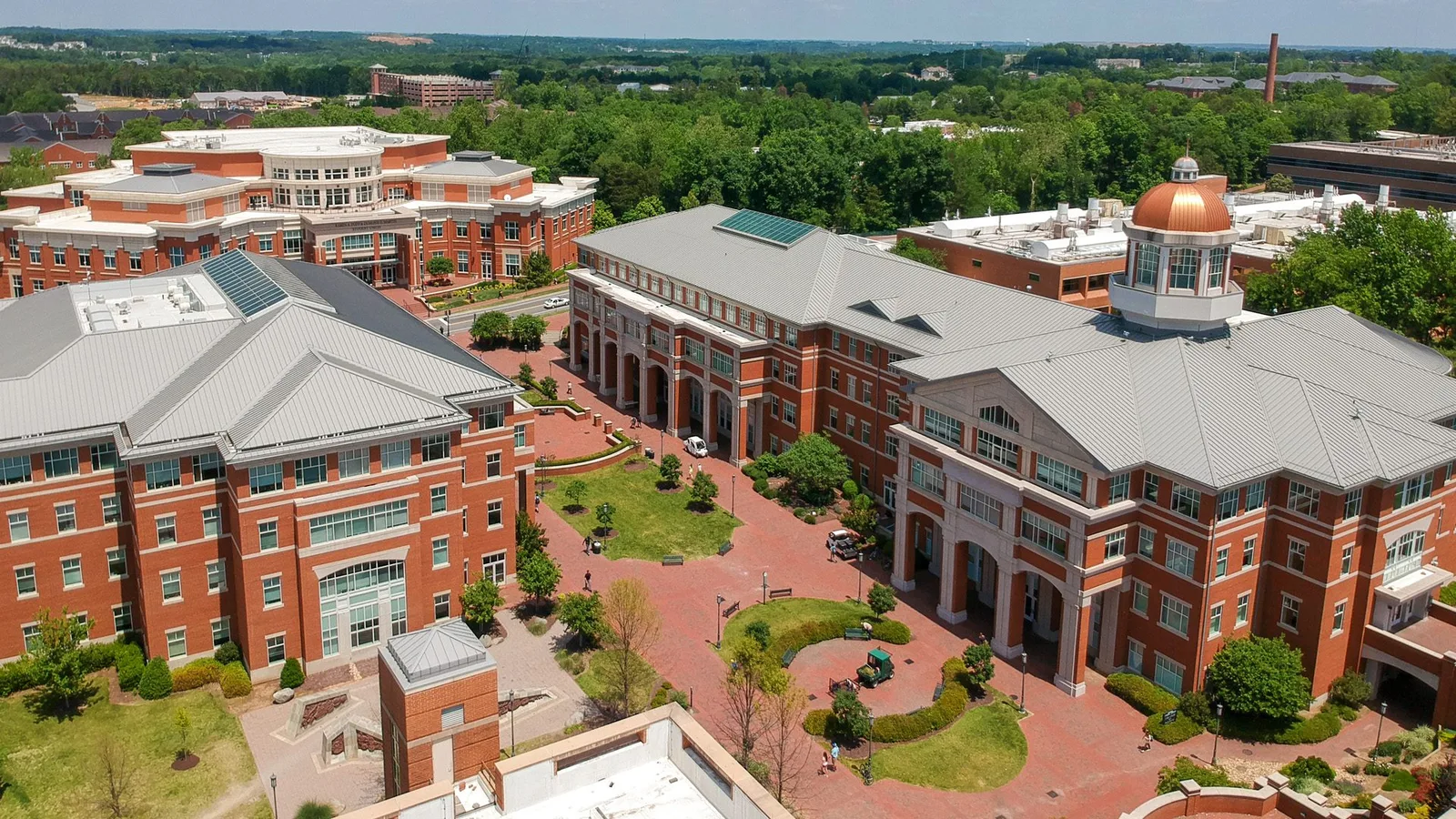
University of North Carolina at Charlotte pairs research activity with strengths in engineering, computing and business, giving athletes an academic path connected to the surrounding city's major industries.
 University of North Carolina at CharlotteCharlotte, North CarolinaSee the full profile
80%
Acceptance rate
69%
Graduation rate
- Undergraduates
- 24,868
- Net price a year
- $15,435
- Earnings after ten years
- $57,289
Official links
Official University of North Carolina at Charlotte Football Links
Similar programs
Similar Football Teams
Programs at a similar level, with similar academics, worth adding to your recruiting list.

Competitive athletics, healthcare-focused academics and in-state affordability give recruits practical reasons to consider this Greenville campus.


Career-focused study, accessible admissions and New York professional connections complement the demands of Division I competition.


Athletes choose the combination of demanding competition, military leadership development and a close-knit cadet community.
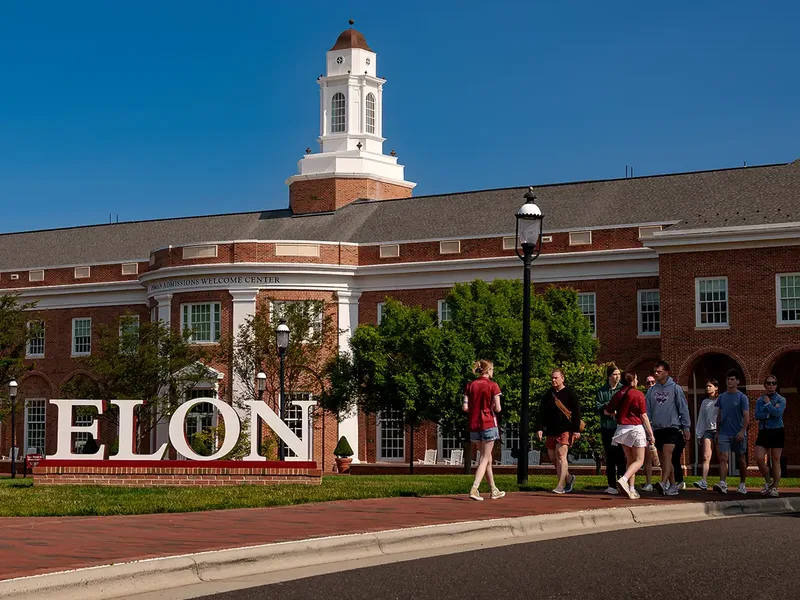
Competitive athletics, approachable faculty and hands-on learning appeal to athletes who want meaningful preparation beyond their sport.


The Citadel, The Military College of South Carolina
Charleston, SC
Why it is similar: Similar level and academics.Athletes choose a disciplined cadet environment that combines competitive athletics, leadership preparation and life in Charleston.
Teams in North Carolina
More Football Teams in North Carolina
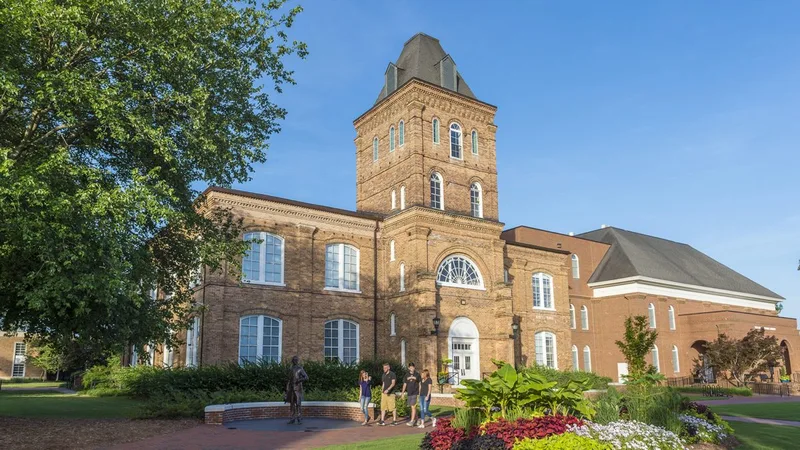

Campbell University
Buies Creek, NC
Athletes choose a small-campus environment where Division I competition sits alongside professional preparation and accessible admissions.
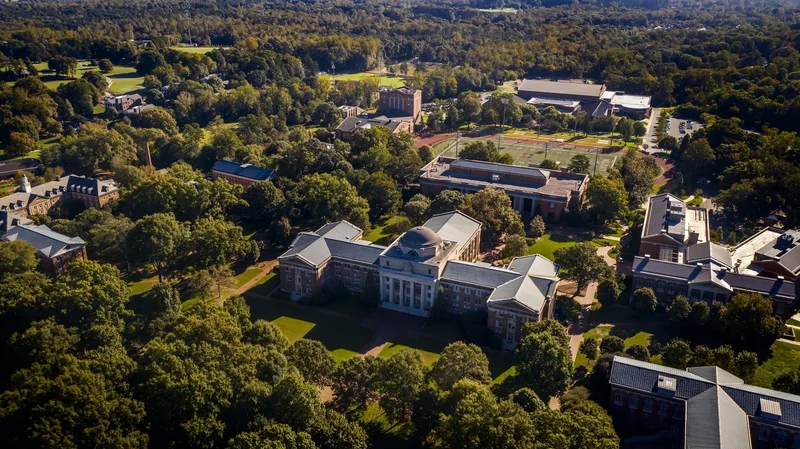

Davidson College
Davidson, NC
Athletes choose a close-knit residential community where demanding academics, faculty mentorship and Division I competition come together.
Elon University
Elon, NC
Competitive athletics, approachable faculty and hands-on learning appeal to athletes who want meaningful preparation beyond their sport.


Gardner-Webb University
Boiling Springs, NC
A small campus community and faith-informed education give athletes a personal setting for Division I competition.


North Carolina State University
Raleigh, NC
ACC competition, applied academics and Raleigh career connections give athletes clear reasons to consider studying here.
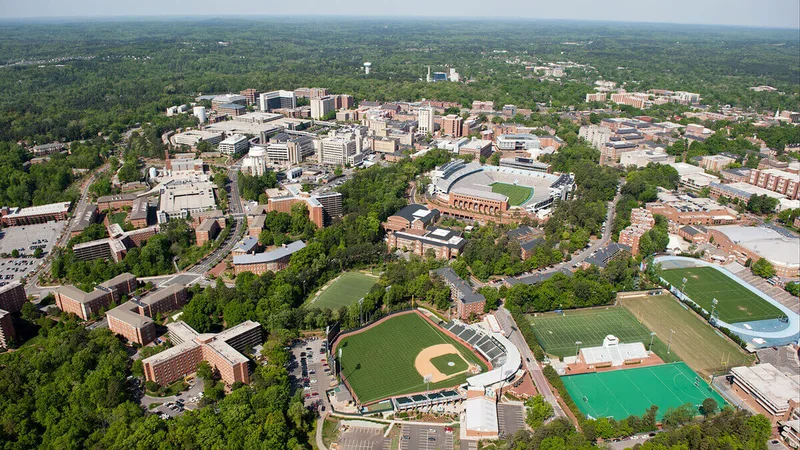

University of North Carolina at Chapel Hill
Chapel Hill, NC
Strong academics, ACC competition and in-state value appeal to athletes seeking a demanding college experience.
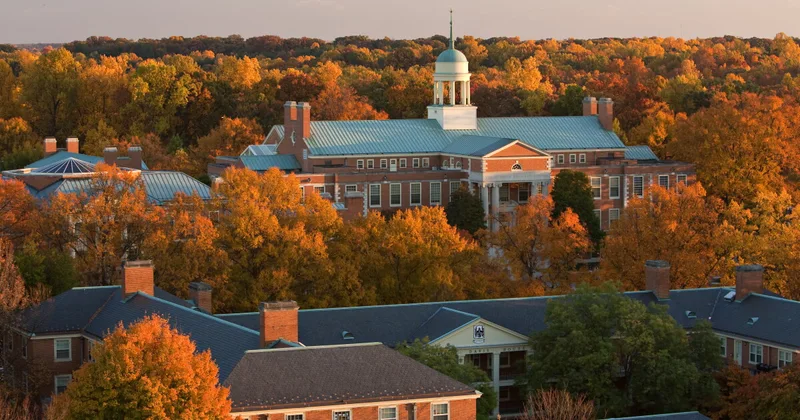

Wake Forest University
Winston-Salem, NC
ACC competition, close faculty relationships and strong career outcomes give athletes compelling reasons to consider this residential campus.
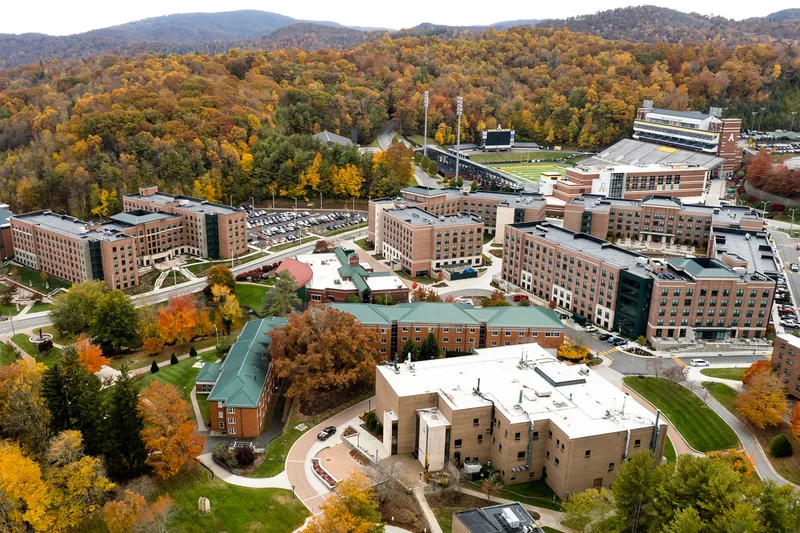

Appalachian State University
Boone, NC
Competitive athletics, public university value and a mountain campus attract athletes who want an active college experience.
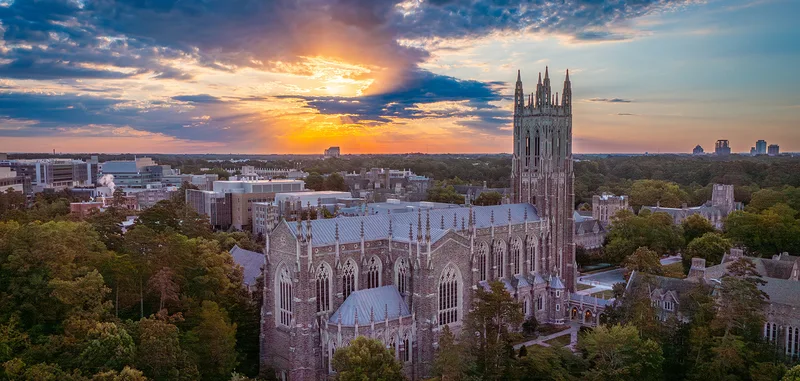

Duke University
Durham, NC
Strong research opportunities, ACC competition and a spirited residential campus attract athletes with ambitious academic goals.
East Carolina University
Greenville, NC
Competitive athletics, healthcare-focused academics and in-state affordability give recruits practical reasons to consider this Greenville campus.
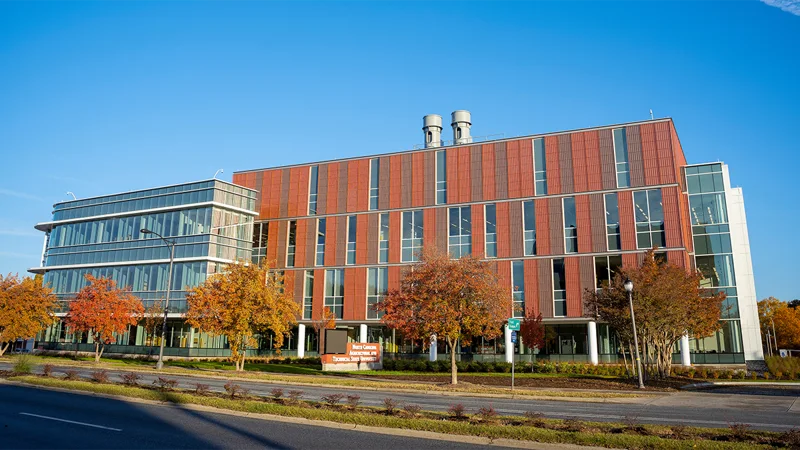

Engineering strengths, Division I competition and vibrant HBCU campus life give athletes distinct reasons to consider this university.
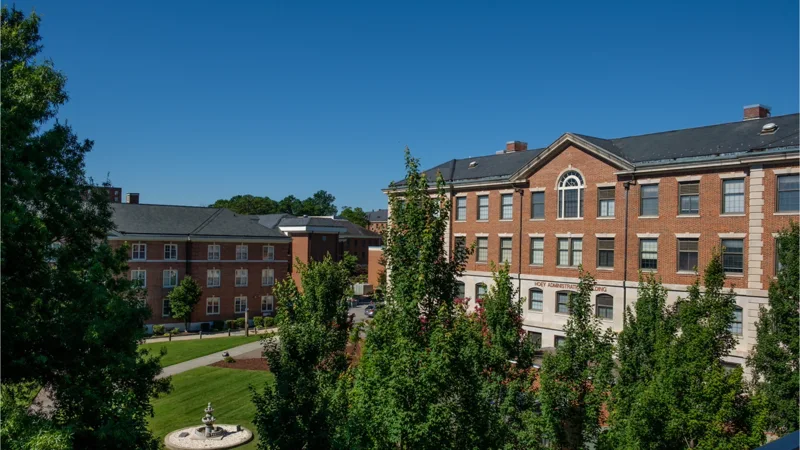

North Carolina Central University
Durham, NC
MEAC competition, professional academic pathways and a community-centered Durham campus give athletes distinct reasons to consider this university.
Roster openings · 2026-27
Which D1 Football programs have the most roster spots opening up?
Every program ranked by players in their final year, with the positions they are losing.
29.7players leaving per program, on average
See the programs Three ways to start
Where are you in the search?
Pick the option that matches where you are, and we will show you the plan that fits.
Recruiting Plan
Your 20 to 25 best-fit schools, picked for you.



- Starter: the list, fit reads, real costs and a dated timeline
- Complete: adds roster reads and coach emails for every school
$99 or $249Starter or Complete, one time
Build my plan
Roster Report
The roster at your position, at the schools you pick.


- Who is graduating at your position, class year by class year
- Where spots are likely to open, in plain words
From $193, 8 or 15 schools
Choose my schools
School Plan
One school, covered end to end.
- Your honest odds, the roster and the verified coach
- Intro email, three follow-ups, admissions steps and timeline
$49One school, one time
Pick my school Resources