Elite Goalkeeper Camp
- Feb 7, 2026
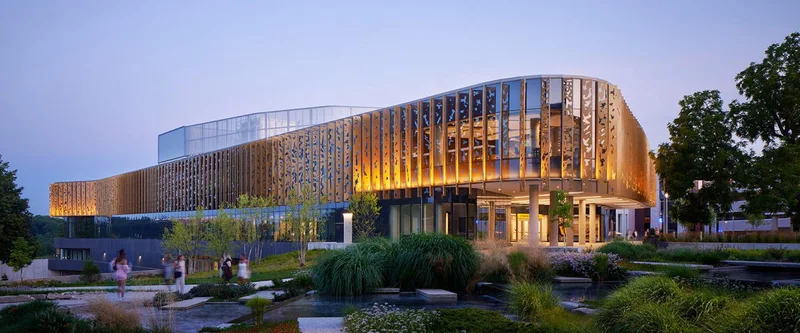
- Indoor Training Center (ITC), 1150 S. State St., Ann Arbor, MI
- $158
Elite goalkeeper training session coached by Michigan women's soccer goalkeeper coach with technical and tactical focus.
Browse programs
College directoryEvery program, filtered by what fits Sport directoryMen's and women's, every division State directoryPrograms in the states you would play inGo deeper
Major directoryYour major and your sport in one list Camp directoryID camps and showcases at college programs Conference directoryEvery conference and its member collegesOne plan built for University of Michigan Women's Soccer, with the roster read, the coach's contact and a dated plan, delivered within 24 hours. An expert checks every plan.
Overview
Key facts about the University of Michigan women's soccer team.
University of Michigan runs a women's soccer team in Ann Arbor, Michigan, competing in the Big Ten Conference at the Division I level. The most room for the Class of 2027 is among defenders, with three leaving after the 2026-27 season, followed by three midfielders. Win rate rose 22 points, from 3-13-2 in 2024 to 6-8-4 in 2025.
Women's Soccer Head Coach
players a season
Fit check
Pick your position and level, add a test score if you have one, and get an instant read on your chances here. Free, and no account needed.
Coaching staff
Head coach
Dave DiIanniWomen's Soccer Head CoachRoster
The roster by class
26 players on the latest roster (2026).
Roster openings after 2026-27
Goalkeeper 1 · Defender 3 · Midfielder 3 · Forward 2
More spots open up than at most programs: nine players are set to leave after the 2026-27 season, or 35% of the roster compared with a median of 24% among Division I women's soccer teams, and the Class of 2027 stands to gain. Position by position, defenders lead the departures, with three leaving after that season, followed by three midfielders.
See who you would be replacingPositions
How many players a season the program carries at each position, and how tall they are.
Average height 5'9"
Average height 5'6"
Average height 5'6"
Average height 5'8"
Transfers
transfers in for 2026-27
transfers out
Footprint
Where the players are from
Counted from players on recent rosters with a known hometown.
Top home states
Recruiting has moved away from Michigan lately, since no freshman with a listed hometown is from there compared with 27% of the roster as a whole.
Results
Swipe to see every season
2021
78%18-4-3overall
6-2-2conference
2022
47%7-8-3overall
2-6-2conference
2023
50%7-7-4overall
3-5-2conference
2024
22%3-13-2overall
2-8-1conference
2025
44%6-8-4overall
3-4-4conference
A 22-point jump in winning percentage, from 22% in 2024 to 44% in 2025, was the biggest recent swing, with the record moving from 3-13-2 to 6-8-4.
Standings
Where University of Michigan stands in the Big Ten Conference.
Schedule and travel
The season's games, home and away, and how far the team travels.
Recruiting
Michigan women's soccer is a competitive NCAA Division I program in the Big Ten, where recruiting and roster competition are demanding. The team plays at a high-major level against a difficult conference schedule, but its recent standing suggests the current opportunity is competitive rather than clearly elite national-contender level.
Recruiting difficulty
Most roster spots are likely filled by recruited players, but the program's recent conference position leaves room for strong prospects who can contribute and develop.
What coaches value
How to get recruited here
Build a soccer profile that shows high-level club or academy competition, reliable film, academic readiness, and a clear position-specific role. Contact the recruiting staff early with a concise introduction, schedule, verified athletic information, and links to full-match video so the staff can evaluate your fit for Big Ten play.
How hard is it to make the team
Making Michigan's women's soccer team is difficult because it competes in NCAA Division I and the Big Ten, with most roster spots going to recruited athletes who have played at a strong club, academy, or high school level. The recent conference finish indicates the program is competitive but not necessarily operating at the very top of the national landscape, so development, positional need, and the ability to contribute quickly can matter.
Who fits this program
Videos
Program stats
Athletes on the roster
Coaches on staff
Spent per athlete
Spending and revenue a year
Revenue covers 5% of what the program spends.
The operating budget is above its peers: around $15,000 per athlete in the 2025 EADA report, more than twice the Division I median. Expenses of around $2.5 million in the same report outrun revenue of $130,000, which covers 5% of the cost.
Source: the federal Equity in Athletics report, 2025.
Feeders
The high schools and clubs that sent the most players to this roster.
The school
The University of Michigan combines research-intensive academics with strengths in engineering, business and the sciences, making academic preparation and a realistic plan for balancing coursework with athletics especially important.
Acceptance rate
Graduation rate
Camps
New camp dates are not posted yet. These ran last season.
Elite goalkeeper training session coached by Michigan women's soccer goalkeeper coach with technical and tactical focus.
College identification clinic for high-school girls featuring tactical training, small- and large-sided games, and goalkeeper-specific sessions.
College identification clinic for high-school girls with training sessions and games coached by Michigan women's soccer staff.
Official links
Similar programs
Programs at a similar level, with similar academics, worth adding to your recruiting list.
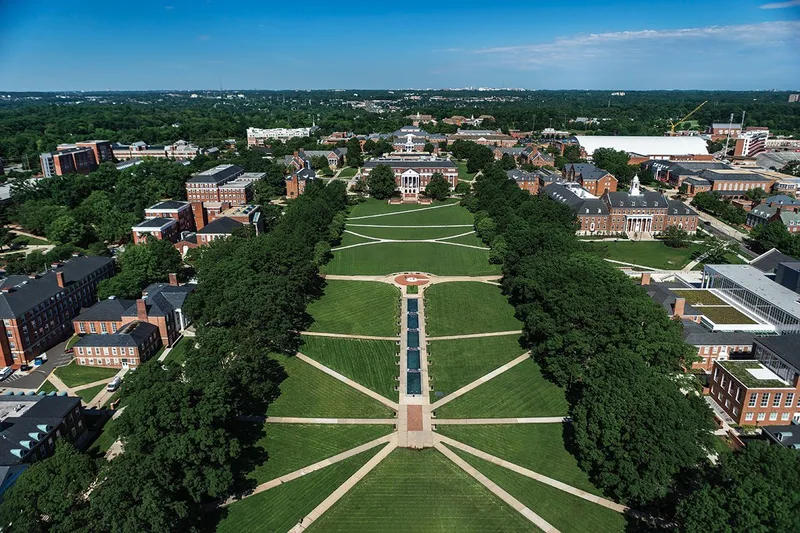
Big Ten competition, strong academics and in-state value attract athletes who want a challenging college experience.
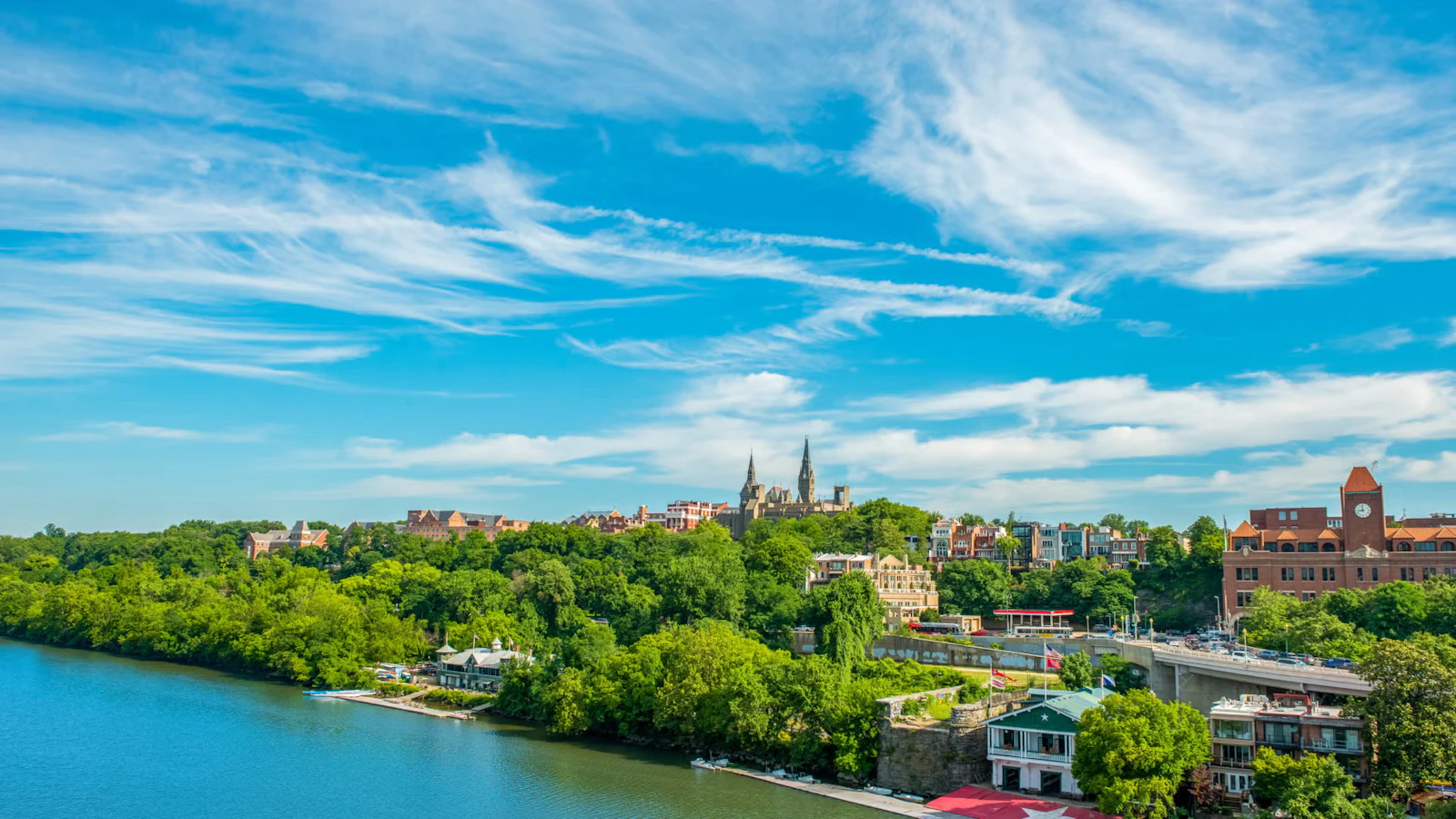
Big Ten competition, strong academics and nearby Washington opportunities give athletes compelling reasons to consider this campus.
Competitive athletics, approachable faculty and Silicon Valley career opportunities give recruits several reasons to consider this campus.
Competitive athletics, Washington internships and a Jesuit educational tradition attract athletes with strong academic ambitions.
Competitive athletics, demanding academics and Boston access appeal to recruits who want substantial opportunities beyond their sport.
Athletes choose this historic university for demanding academics, Division I competition and a close campus community.
Teams in Michigan
Detroit, MI
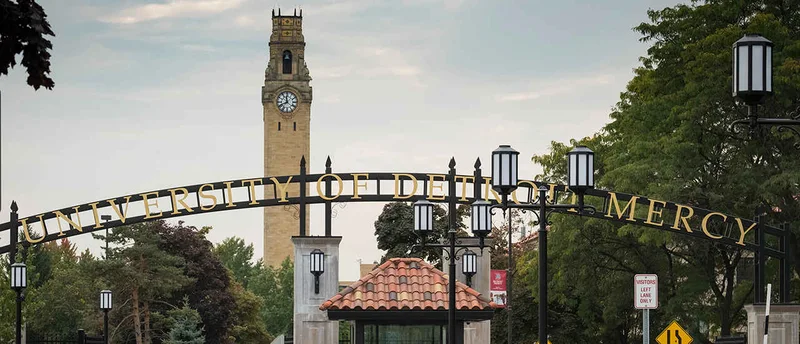
Competitive athletics, close faculty relationships and Detroit-based professional opportunities give recruits several reasons to consider this campus.
East Lansing, MI
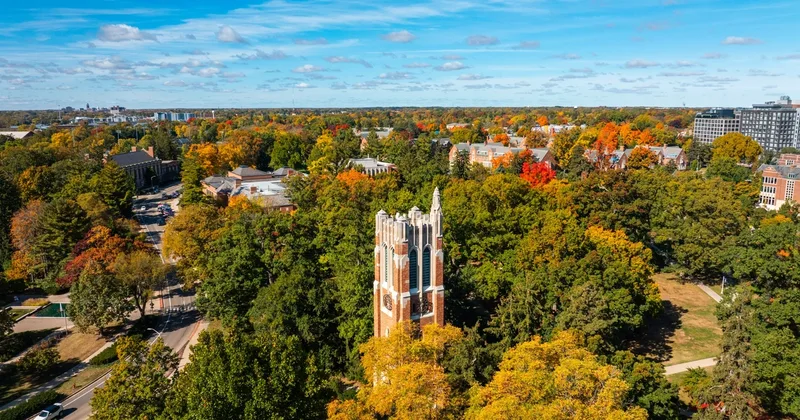
Big Ten competition, broad academic choices and in-state tuition value give athletes several reasons to consider enrolling.
Rochester Hills, MI
Career-focused academics, Division I competition and access to Detroit-area employers give athletes practical reasons to consider this campus.
Kalamazoo, MI
Specialized academics, competitive athletics and a residential Kalamazoo campus give recruits distinct reasons to consider this university.
Mount Pleasant, MI
Conference competition, professional programs and a residential campus appeal to athletes seeking a balanced college experience.
Ypsilanti, MI
Conference competition, applied academics and nearby career opportunities give athletes practical reasons to consider studying here.
Roster openings · 2026-27
Every program ranked by players in their final year, with the positions they are losing.
Three ways to start
Pick the option that matches where you are, and we will show you the plan that fits.
Resources