

ACC competition, established business programs and Dallas connections appeal to athletes with ambitious academic and career goals.

NCAA Division IAtlantic Coast ConferenceFlorida

University of Miami Women's Soccer
One plan built for University of Miami Women's Soccer, with the roster read, the coach's contact and a dated plan, delivered within 24 hours. An expert checks every plan.
- 31
- Roster
- 7
- Leaving
- 22%
- In-state
- 16%
- Transfers
Overview
University of Miami Women's Soccer Team Details
Key facts about the University of Miami women's soccer team.
The Atlantic Coast Conference is the home league for University of Miami women's soccer, a Division I program in Coral Gables, Florida. After the 2026-27 season, it loses three midfielders, the most of any position group, followed by two forwards. It is a young group, with 11 of 31 players in their first year.
NCAA Division IAtlantic Coast ConferenceFlorida
- Head coach
- Ken Masuhr
- Home venue
- Cobb Stadium
- Average roster
- 29
Head Coach
players a season
Fit check
Do You Fit at University of Miami?
Pick your position and level, add a test score if you have one, and get an instant read on your chances here. Free, and no account needed.
Coaching staff
Get on This Staff's Radar
Head coach
Ken MasuhrHead CoachEmail●●●●●●@●●●●.edu
Phone(●●●) ●●●-●●●●
Roster
Roster Breakdown
The roster by class
11FreshmenFr.
6SophomoresSo.
7JuniorsJr.
7SeniorsSr.
31 players on the latest roster (2026-27).
Roster openings after 2026-27
7players in their final year, 23% of the roster
Goalkeeper 1 · Defender 1 · Midfielder 3 · Forward 2
After the 2026-27 season, three midfielders will leave, the largest group of departures by position, followed by two forwards. Players at those positions have the clearest chance to step into new roles.
See who you would be replacingJust 60% of last year's freshmen, sophomores and juniors are back on the roster, below the 76% median among Division I women's soccer teams. Coaches lean on the transfer market more than most, with 38% of players arriving from another college, against a 17% median among Division I women's soccer teams.
Positions
Women's Soccer Roster by Position
How many players a season the program carries at each position, and how tall they are.
Goalkeeper
2.7players a season
Average height 5'9"
Defender
9.3players a season
Average height 5'7"
Midfielder
5.7players a season
Average height 5'8"
Forward
11.3players a season
Average height 5'6"
Forwards account for 39% of the roster, roughly 11 a year, versus 27% on the typical Division I women's soccer team. Midfielders make up just 20% of the roster, roughly six per season, light compared with the 31% average among Division I women's soccer teams.
Transfers
Transfers In and Out
5
transfers in for 2026-27
5
transfers out
- Share of the roster
- 16%
- Per 100 freshmen
- 46
- By position
- Goalkeeper 1 · Defender 1 · Midfielder 2 · Forward 1
- Came from
- 5 from Division I
Footprint
Where This Team Recruits
Where the players are from
87players
In-state21.8%
Other US states62.1%
International16.1%
Counted from players on recent rosters with a known hometown.
Top home states
Florida22%
California13%
New Jersey13%
Massachusetts9%
Texas6%
A global roster: 16% of players are from abroad, led by Canada and the United Kingdom, against a median of 9% among Division I women's soccer teams.
Recruiting
Recruiting Outlook
Miami women’s soccer competes at the NCAA Division I level in the ACC, one of the most demanding environments in college soccer. The program’s current roster includes a mix of freshmen, experienced upperclassmen, and transfers, so recruits should expect strong competition for roster consideration and playing time.
ACC Division I competitionRoster includes multiple transfersNational recruiting reach
Recruiting difficulty
80/ 100Hard
OpenCompetitiveSelectiveElite
The ACC level and Miami’s recruited, transfer-inclusive roster make earning a roster place highly competitive.
What coaches value
- Technical quality and composure under pressure
- Tactical awareness, positioning, and decision-making
- Speed, fitness, and consistent work rate
- Versatility and defensive commitment across positions
How to get recruited here
Complete the program’s recruiting questionnaire, then send a concise introduction with academic information, position, measurable details, match schedule, and full-game or highlight video. Competing consistently in strong club events and attending appropriate college soccer camps can help demonstrate whether your level fits the ACC environment.
How hard is it to make the team
Making Miami’s women’s soccer team is difficult because it is an ACC Division I program with a deep roster and a recruiting profile that includes experienced college transfers. Recruits generally need to show they can contribute technically, tactically, and athletically against high-level competition, while walk-on opportunities should not be assumed.
Who fits this program
- Women's soccer players seeking highly competitive NCAA Division I competition.
- Athletes prepared to balance demanding training with serious academic work.
- Students preferring a medium-sized private campus in suburban Coral Gables.
- Athletes prepared to pursue roster opportunities within a mixed-experience program.
Program stats
The Program by the Numbers
30
Athletes on the roster
4
Coaches on staff
$9,337
Spent per athlete
Spending and revenue a year
Spending$3,357,289
Revenue$3,357,289
Revenue covers everything the program spends.
Operating spending comes to roughly $12,000 per athlete in the 2025 EADA report, about twice the Division I median. By the same report, the ratio is around eight athletes per coach, fewer than the median of nine among Division I women's soccer teams.
Source: the federal Equity in Athletics report, 2025.
Feeders
Top Feeder Schools and Clubs
The high schools and clubs that sent the most players to this roster.
The school
School Environment
The University of Miami combines demanding coursework with strengths in business, marine science and health, making academic preparation and career direction important parts of evaluating your fit as a recruit.
University of MiamiCoral Gables, FloridaSee the full profile 19%
Acceptance rate
84%
Graduation rate
- Undergraduates
- 13,250
- Net price a year
- $37,244
- Earnings after ten years
- $75,328
Official links
Official University of Miami Women's Soccer Links
Similar programs
Similar Soccer Teams
Programs at a similar level, with similar academics, worth adding to your recruiting list.


Health sciences, research opportunities and ACC competition draw athletes who want an academically demanding urban college experience.


Rutgers, The State University of New Jersey
New Brunswick, NJ
Why it is similar: Similar level and academics.Big Ten competition, broad academic choices and nearby career opportunities make this a fit for ambitious athletes.


Big Ten competition, broad academic options and an active Madison campus attract athletes with ambitious college goals.


Competitive athletics, approachable faculty and Silicon Valley career opportunities give recruits several reasons to consider this campus.
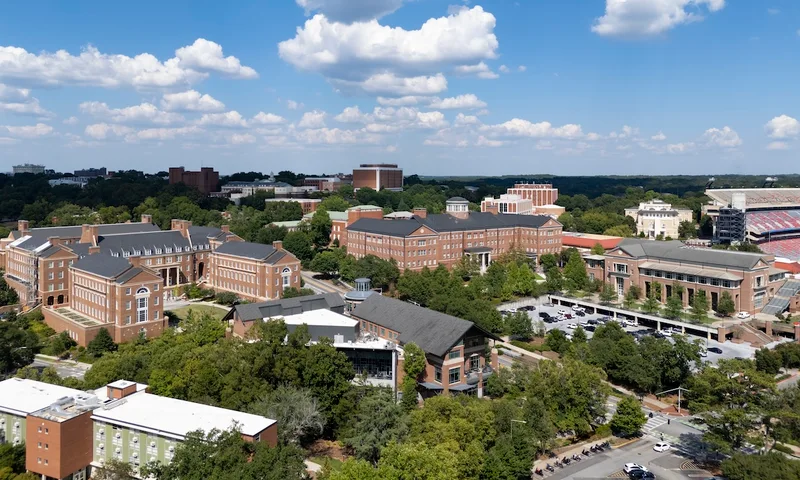

Strong academic options, SEC competition and Athens campus life give athletes compelling reasons to pursue a place here.
Teams in Florida
More Soccer Teams in Florida


Florida Gulf Coast University
Fort Myers, FL
Competitive athletics, professional programs and public tuition value give recruits practical reasons to consider this Southwest Florida campus.


Florida Atlantic University
Boca Raton, FL
Research opportunities, South Florida internships and competitive athletics give recruits reasons to look beyond the coastal setting.
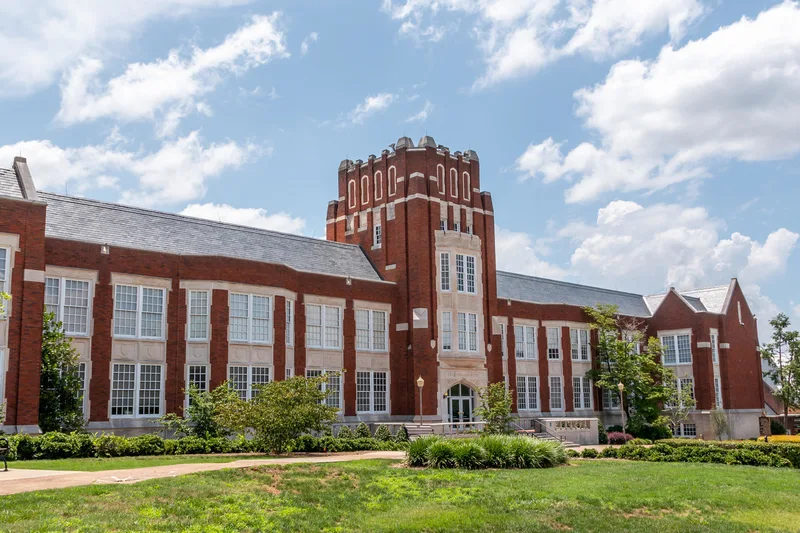

Jacksonville University
Jacksonville, FL
Career-focused programs, riverfront campus life and Division I competition give athletes distinct reasons to consider enrolling.


University of North Florida
Jacksonville, FL
Competitive athletics, career-focused academics and a nature-focused Jacksonville campus give recruits distinct reasons to consider this school.

University of South Florida
Tampa, FL
Research opportunities, competitive athletics and relatively low tuition give recruits several practical reasons to consider this campus.


Stetson University
DeLand, FL
Personal faculty connections and Division I competition give athletes a small-campus experience without stepping away from competitive sports.


University of Central Florida
Orlando, FL
Major conference competition, broad academic choices, and Orlando career opportunities give athletes several reasons to consider studying here.


Florida State University
Tallahassee, FL
Strong academics, prominent athletics and in-state affordability give recruits compelling reasons to consider this spirited campus.


Florida International University
Miami, FL
Competitive athletics, career connections and affordable tuition attract recruits who want a large university experience in Miami.
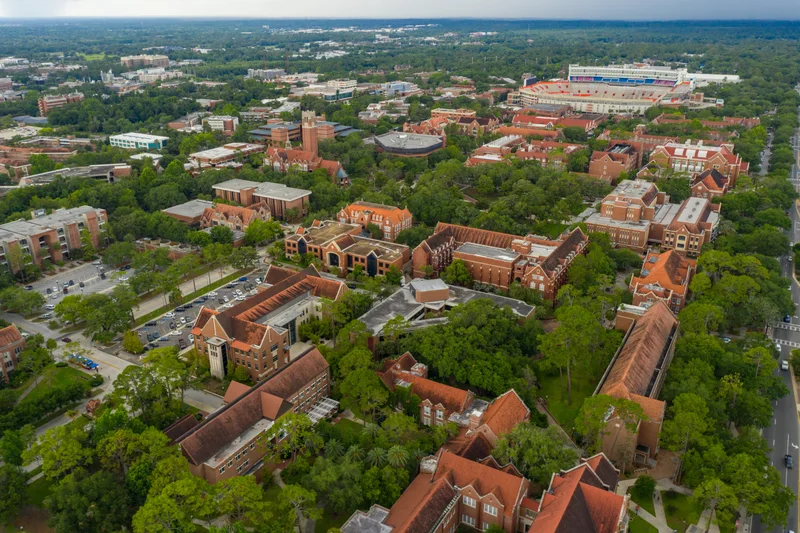

University of Florida
Gainesville, FL
Strong research academics, SEC competition and in-state value attract athletes who want an active campus experience.
Roster openings · 2026-27
Which D1 Women's Soccer programs have the most roster spots opening up?
Every program ranked by players in their final year, with the positions they are losing.
6.7players leaving per program, on average
See the programs Three ways to start
Where are you in the search?
Pick the option that matches where you are, and we will show you the plan that fits.
Recruiting Plan
Your 20 to 25 best-fit schools, picked for you.



- Starter: the list, fit reads, real costs and a dated timeline
- Complete: adds roster reads and coach emails for every school
$99 or $249Starter or Complete, one time
Build my plan
Roster Report
The roster at your position, at the schools you pick.


- Who is graduating at your position, class year by class year
- Where spots are likely to open, in plain words
From $193, 8 or 15 schools
Choose my schools
School Plan
One school, covered end to end.
- Your honest odds, the roster and the verified coach
- Intro email, three follow-ups, admissions steps and timeline
$49One school, one time
Pick my school Resources