Recruiting campSoccer · Women's
Gators Soccer Elite ID Camp 2026
- Jan 13, 2026
- Donald R. Dizney Stadium, Gainesville, FL
One-day Elite ID camp featuring technical work, small-sided games, full-field play, and player Q&A with UF coaches and players.
Browse programs
College directoryEvery program, filtered by what fits Sport directoryMen's and women's, every division State directoryPrograms in the states you would play inGo deeper
Major directoryYour major and your sport in one list Camp directoryID camps and showcases at college programs Conference directoryEvery conference and its member colleges

One plan built for University of Florida Women's Soccer, with the roster read, the coach's contact and a dated plan, delivered within 24 hours. An expert checks every plan.
Overview
Key facts about the University of Florida women's soccer team.
From its campus in Gainesville, Florida, University of Florida competes in Division I women's soccer as a member of the Southeastern Conference. After the 2026-27 season, it loses five forwards, the most of any position group, followed by two goalkeepers. IMG Academy leads its feeders by a wide margin, with five players to two for Creekside High School.
Head Soccer Coach
players a season
Fit check
Pick your position and level, add a test score if you have one, and get an instant read on your chances here. Free, and no account needed.
Coaching staff
Head coach
Nick ZimmermanHead Soccer CoachRoster
The roster by class
29 players on the latest roster (2026).
Roster openings after 2026-27
Goalkeeper 2 · Defender 1 · Forward 5
This roster loses five forwards after the 2026-27 season, which gives that group the most room for the Class of 2027, followed by two goalkeepers. Players at those positions have the clearest chance to step into new roles.
See who you would be replacingMany of last season's non-seniors are gone, as just 44% are back, against a 76% median among Division I women's soccer teams.
Positions
How many players a season the program carries at each position, and how tall they are.
Average height 5'10"
Average height 5'8"
Average height 5'5"
Average height 5'7"
Transfers
transfers in for 2026-27
transfers out
Footprint
Where the players are from
Counted from players on recent rosters with a known hometown.
Top home states
Results
Swipe to see every season
2021
30%4-12-4overall
3-6-1conference
2022
15%2-14-1overall
0-9-1conference
2023
53%6-5-6overall
2-4-4conference
2024
39%4-8-6overall
1-7-2conference
2025
47%6-7-5overall
2-3-5conference
Against a median of 49% among Division I women's soccer teams, this team has a 37% winning percentage over five seasons.
Schedule and travel
The season's games, home and away, and how far the team travels.
Recruiting
Florida women’s soccer competes in the SEC, one of the strongest conferences in NCAA Division I. The program has a national championship, numerous SEC titles, and a long history of NCAA appearances, although its recent seasons have been more developmental and the program is entering a new leadership phase for 2026.
Recruiting difficulty
Florida remains a high-level SEC program where most roster opportunities are earned by recruited players, but recent results and a leadership transition create some uncertainty compared with the program’s peak years.
What coaches value
How to get recruited here
Build a strong recruiting profile with full-match video, verified testing or athletic information, academic details, and a clear position fit. Contact the staff early, attend high-level showcases and identification events, and show that you can contribute technically and tactically against nationally competitive opponents.
How hard is it to make the team
Making Florida’s team is difficult because the program operates in the SEC and evaluates players against a deep Division I talent pool. Recent roster information shows a mix of freshmen, experienced players, and transfers, so athletes need clear position-level strengths and the ability to compete immediately or develop within a demanding environment.
Who fits this program
Program stats
Athletes on the roster
Coaches on staff
Spent per athlete
Spending and revenue a year
Revenue covers 5% of what the program spends.
Operating spending comes to about $14,000 per athlete in the 2025 EADA report, more than twice the Division I median. The team spends around $2.6 million and takes in $130,000 in the same report, covering 5% of its spending.
Source: the federal Equity in Athletics report, 2025.
Feeders
The high schools and clubs that sent the most players to this roster.
The lead is clear. IMG Academy has supplied five players, at least double the two from Creekside High School.
The school
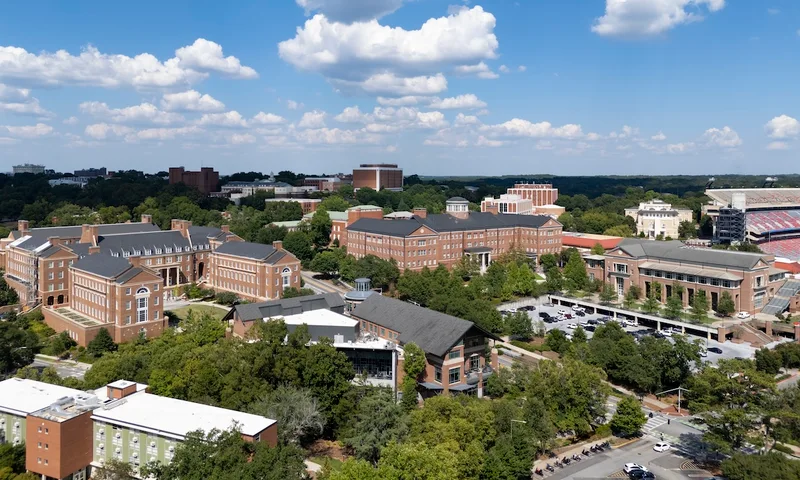
The University of Florida combines a broad research environment with strengths in engineering, business, agriculture and life sciences, making academic preparation and major selection important parts of your recruiting decision.
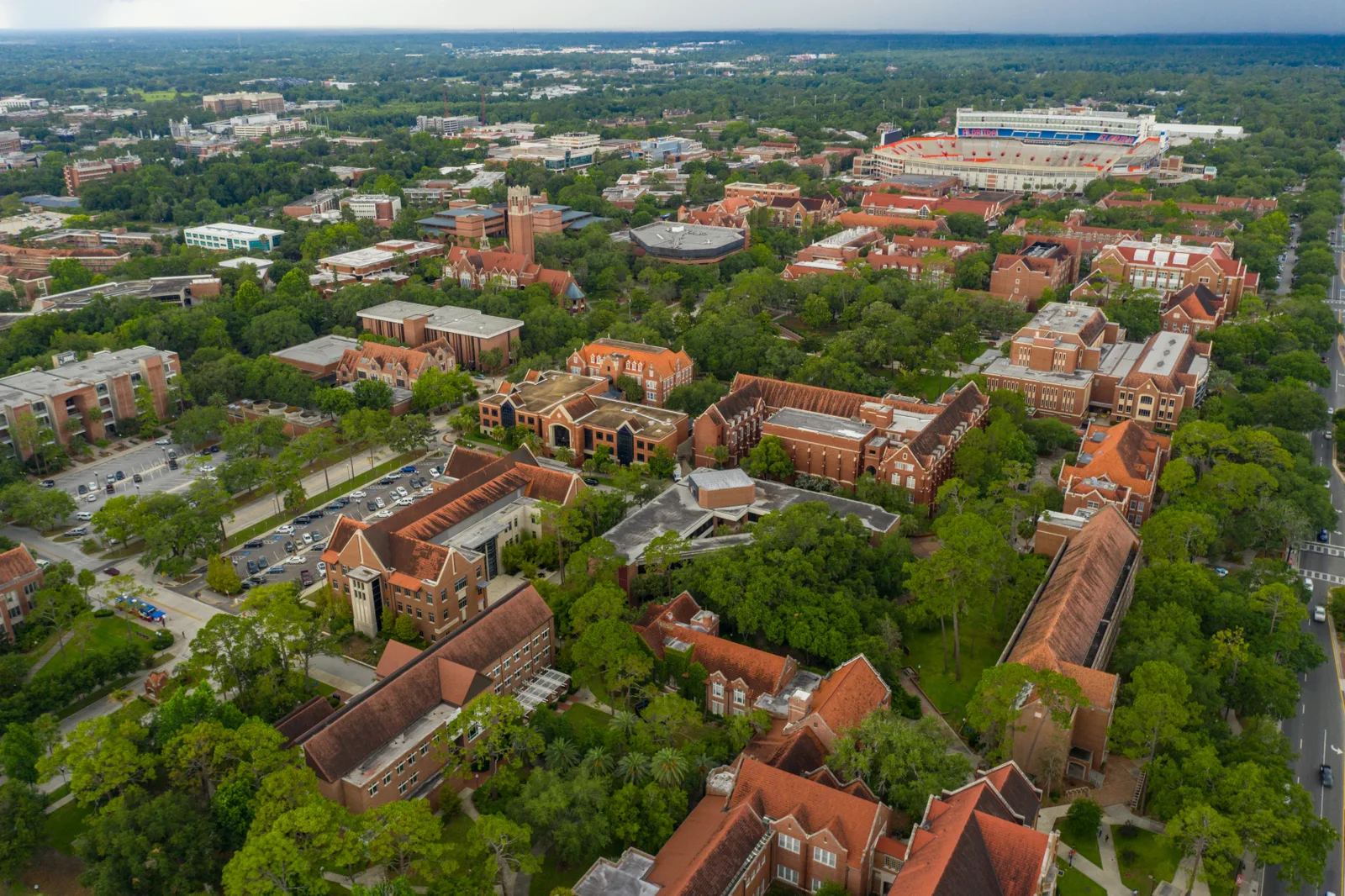 University of FloridaGainesville, FloridaSee the full profile
Acceptance rate
Graduation rate
Camps
New camp dates are not posted yet. These ran last season.
One-day Elite ID camp featuring technical work, small-sided games, full-field play, and player Q&A with UF coaches and players.
Two-day Elite ID camp featuring technical work, small-sided games, 11v11 and player Q&A.
Two-day Elite ID camp featuring technical work, small-sided games, 11v11 and player Q&A.
Official links
Similar programs
Programs at a similar level, with similar academics, worth adding to your recruiting list.
SEC competition, strong academics and Austin's active city life attract athletes seeking a demanding college experience.
Strong academic options, SEC competition and Athens campus life give athletes compelling reasons to pursue a place here.
Close faculty relationships and strong career preparation complement competitive athletics in a small, residential community.
Close faculty connections, professional programs and major-conference competition give athletes a focused campus experience in Tulsa.
Competitive athletics, business-focused academics and New York City career access give recruits distinct reasons to consider Fordham.
Division I competition, environmental academics and Burlington's outdoor culture give athletes distinct reasons to pursue a place here.
Teams in Florida
Fort Myers, FL
Competitive athletics, professional programs and public tuition value give recruits practical reasons to consider this Southwest Florida campus.
Boca Raton, FL
Research opportunities, South Florida internships and competitive athletics give recruits reasons to look beyond the coastal setting.
Jacksonville, FL
Career-focused programs, riverfront campus life and Division I competition give athletes distinct reasons to consider enrolling.
Jacksonville, FL
Competitive athletics, career-focused academics and a nature-focused Jacksonville campus give recruits distinct reasons to consider this school.
Tampa, FL
Research opportunities, competitive athletics and relatively low tuition give recruits several practical reasons to consider this campus.
DeLand, FL
Personal faculty connections and Division I competition give athletes a small-campus experience without stepping away from competitive sports.
Orlando, FL
Major conference competition, broad academic choices, and Orlando career opportunities give athletes several reasons to consider studying here.
Tallahassee, FL
Strong academics, prominent athletics and in-state affordability give recruits compelling reasons to consider this spirited campus.
Miami, FL
Competitive athletics, career connections and affordable tuition attract recruits who want a large university experience in Miami.
Coral Gables, FL
Major-conference competition, research opportunities and access to Miami employers give athletes reasons to look closely.
Roster openings · 2026-27
Every program ranked by players in their final year, with the positions they are losing.
Three ways to start
Pick the option that matches where you are, and we will show you the plan that fits.
Resources