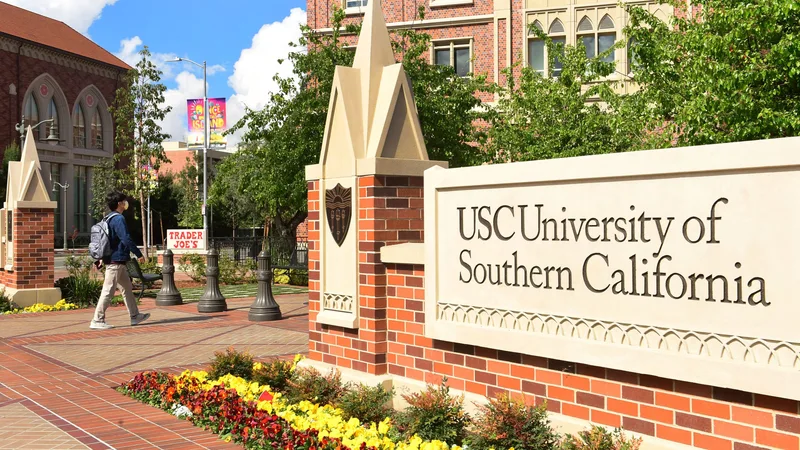

Competitive athletics, strong professional programs and Los Angeles industry connections give recruits compelling reasons to pursue a place here.

NCAA Division IBig Ten ConferenceCalifornia

University of California, Los Angeles Football
One plan built for University of California, Los Angeles Football, with the roster read, the coach's contact and a dated plan, delivered within 24 hours. An expert checks every plan.
- 120
- Roster
- 61
- Leaving
- 60%
- In-state
- 30%
- Transfers
Overview
University of California, Los Angeles Football Team Details
Key facts about the University of California, Los Angeles football team.
University of California, Los Angeles plays Division I FBS football in the Big Ten Conference from its campus in Los Angeles, California. After the 2026-27 season, it loses 14 defensive backs, the most of any position group, followed by 12 offensive linemen. It is an experienced group, with 61 of 120 players seniors or graduate students.
NCAA Division IBig Ten ConferenceCalifornia
- Head coach
- Bob Chesney
- Home venue
- Rose Bowl Stadium
- Average roster
- 116
- Five-year win rate
- 53%
Head Coach
players a season
Fit check
Do You Fit at University of California, Los Angeles?
Pick your position and level, add a test score if you have one, and get an instant read on your chances here. Free, and no account needed.
Coaching staff
Get on This Staff's Radar
Head coach
Bob ChesneyHead CoachEmail●●●●●●@●●●●.edu
Phone(●●●) ●●●-●●●●
Roster
Roster Breakdown
The roster by class
17FreshmenFr.
31SophomoresSo.
11JuniorsJr.
36SeniorsSr.
25GraduateGrad
120 players on the latest roster (2026).
Roster openings after 2026-27
61players in their final year, 51% of the roster
Quarterback 2 · Running Back 4 · Wide Receiver 6 · Tight End 4 · Offensive Line 12 · Defensive Line 8 · Linebacker 8 · Defensive Back 14 · Specialist 3
Departures reach 51% of the roster after the 2026-27 season, 61 players in total, a share in the top 10% among FBS programs, so the Class of 2027 should find real room. The biggest openings for that class are among defensive backs, where 14 are set to leave after that season, followed by 12 offensive linemen.
See who you would be replacingExperience runs deep, with 61 of 120 players seniors or graduate students, 51% of the roster. Against a 31% median among FBS programs, only 4% of this roster came from other colleges. Those players will leave soon, which tends to open spots for the next class.
Positions
Football Roster by Position
How many players a season the program carries at each position, and how tall they are.
Quarterback
6.7players a season
Average height 6'3"
Running Back
8players a season
Average height 6'0"
Wide Receiver
14players a season
Average height 6'1"
Tight End
6.3players a season
Average height 6'5"
Offensive Line
21.7players a season
Average height 6'5"
Defensive Line
17players a season
Average height 6'4"
Linebacker
13.3players a season
Average height 6'2"
Defensive Back
21players a season
Average height 6'0"
Specialist
8.3players a season
Average height 6'1"
Transfers
Transfers In and Out
36
transfers in for 2026-27
22
transfers out
- Share of the roster
- 30%
- Per 100 freshmen
- 212
- By position
- Quarterback 1 · Running Back 1 · Wide Receiver 5 · Tight End 4 · Offensive Line 6 · Defensive Line 6 · Linebacker 5 · Defensive Back 6 · Specialist 2
- Came from
- 36 from Division I
Footprint
Where This Team Recruits
Where the players are from
348players
In-state59.8%
Other US states38.5%
International1.7%
Counted from players on recent rosters with a known hometown.
Top home states
California60%
Texas4%
Nevada3%
Arizona3%
Hawaii3%
Home-state talent carries this roster: 60% of players are from California, versus 33% for the median team among FBS programs. Recruits from California could find the clearest path onto the roster.
Results
University of California, Los Angeles Football Recent Results
Swipe to see every season
2021
67%8-4overall
6-3conference
Best season
2022
69%9-4overall
6-3conference
2023
62%8-5overall
4-5conference
2024
42%5-7overall
3-6conference
Latest
2025
25%3-9overall
3-6conference
The low point of the last five seasons by win rate came in 2025, a 3-9 year with a 25% win rate.
Standings
Big Ten Conference Standings
Where University of California, Los Angeles stands in the Big Ten Conference.
Recruiting
Recruiting Outlook
UCLA football competes at the NCAA Division I FBS level in the Big Ten, making it a highly competitive recruiting environment. The roster includes a mix of high-level high school recruits and experienced transfers, while the program is operating within a newly structured football staff and recruiting operation.
Power Four Big Ten competitionRoster built through recruits and transfersExpanded recruiting and personnel infrastructure
Recruiting difficulty
80/ 100Very Hard
OpenCompetitiveSelectiveElite
UCLA is a highly competitive FBS program where most roster opportunities require strong verified athletic ability, position fit, and relevant game film.
What coaches value
- Position-specific size, speed, strength, and movement skills that translate to Big Ten football
- Consistent varsity film showing technique, decision-making, physicality, and production
- Verified testing results from camps, combines, or trusted evaluations
- Academic readiness, reliable character, and the ability to handle a demanding college schedule
How to get recruited here
Build a position-specific highlight film and full-game film package, then send verified measurements, testing results, academic information, and a clear recruiting résumé through UCLA's official football recruiting channels. Attend reputable college camps, maintain consistent communication, and show how your skills fit the physical and tactical demands of Big Ten football.
How hard is it to make the team
Making UCLA's football team is very difficult because it is an FBS program competing in the Big Ten, with a national recruiting reach and a roster that includes both recruited athletes and experienced transfers. Walk-on or developmental routes may exist, but athletes should expect meaningful competition and should have strong film, measurable traits, academic preparation, and position versatility.
Who fits this program
- The program suits athletes pursuing highly competitive Division I football.
- Athletes must balance football commitments with serious academic expectations.
- A large urban campus fits students seeking Los Angeles access.
- Self-directed athletes may fit a recruit-and-transfer roster pathway.
Program stats
The Program by the Numbers
121
Athletes on the roster
11
Coaches on staff
$54,362
Spent per athlete
Spending and revenue a year
Spending$55,205,071
Revenue$55,205,071
Revenue covers everything the program spends.
According to the 2025 EADA report, the program spends roughly $70,000 per athlete on operations, about twice the FBS median.
Source: the federal Equity in Athletics report, 2025.
Feeders
Top Feeder Schools and Clubs
The high schools and clubs that sent the most players to this roster.
1St John Bosco5 players on recent rosters
2Inglewood High3 players on recent rosters
3Warren (Earl) High3 players on recent rosters
4Episcopal High School2 players on recent rosters5Etiwanda High2 players on recent rostersAcross recent rosters, St John Bosco has supplied five players, the most of any school or club, ahead of Inglewood High with three. Several pipelines feed this roster, with five sources each placing at least two players.
The school
School Environment
The University of California, Los Angeles offers a demanding research-focused education spanning engineering, life sciences, social sciences and the arts, with strong graduate outcomes that matter when weighing athletic opportunities.
 University of California, Los AngelesLos Angeles, CaliforniaSee the full profile
9%
Acceptance rate
93%
Graduation rate
- Undergraduates
- 33,475
- Net price a year
- $12,548
- Earnings after ten years
- $82,511
Official links
Official University of California, Los Angeles Football Links
Similar programs
Similar Football Teams
Programs at a similar level, with similar academics, worth adding to your recruiting list.


Big Ten competition, established academic strengths and an active residential campus draw athletes seeking a full college experience.
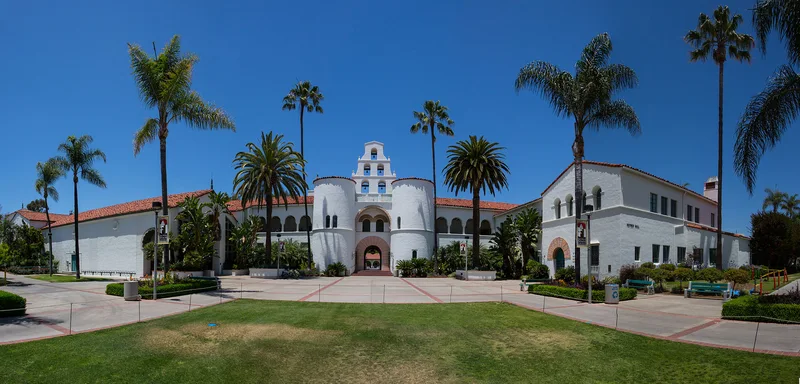

Competitive athletics, regional career connections and an active urban campus give recruits several reasons to consider studying here.


Competitive athletics, career-focused programs and affordable costs draw athletes who want strong connections to the Central Valley.
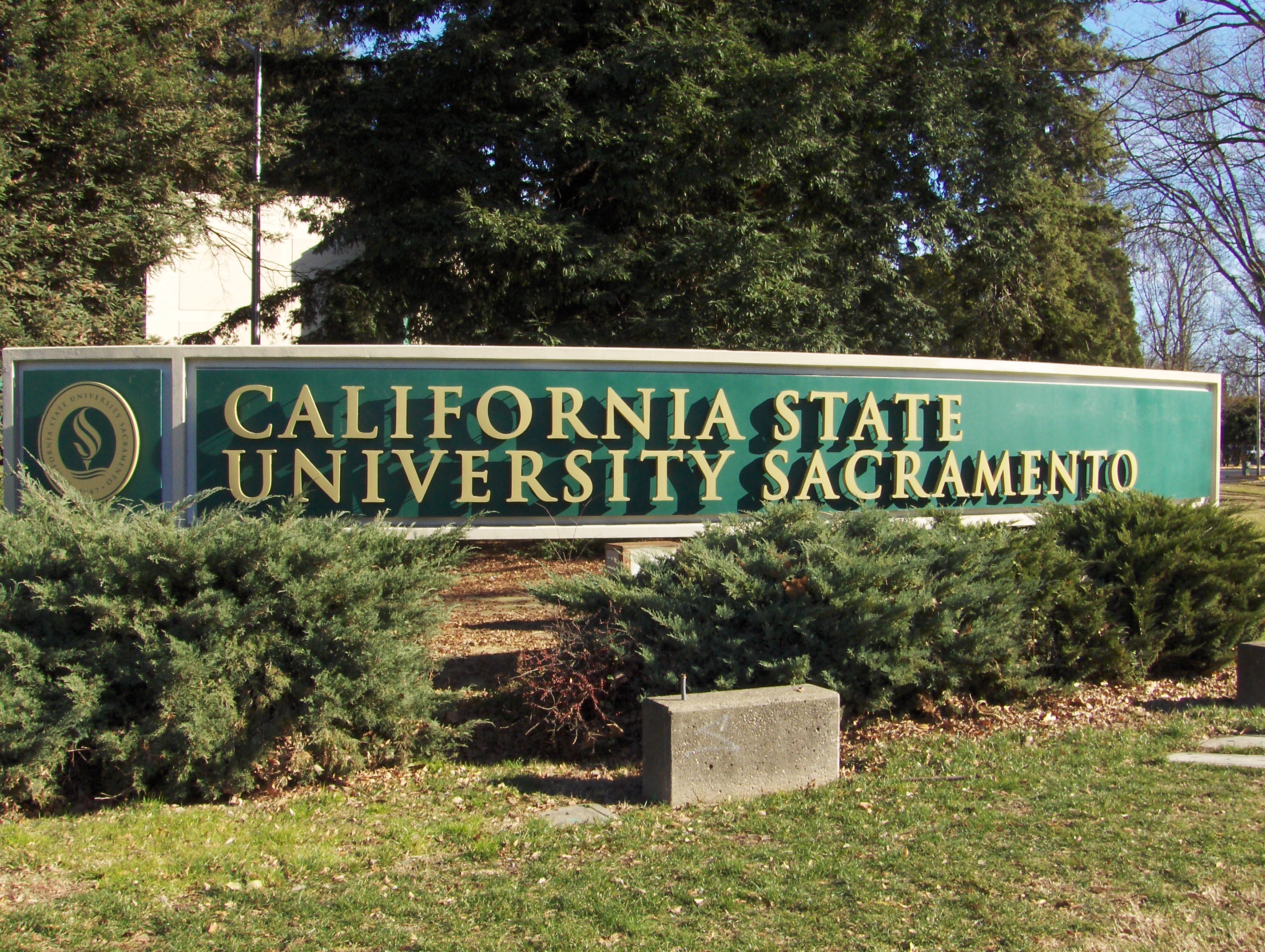

Competitive athletics, practical majors and capital-city internships give recruits several ways to build their future.


Competitive athletics, strong career outcomes and a close-knit campus community give recruits several reasons to consider studying here.
Teams in California
More Football Teams in California


California Polytechnic State University
San Luis Obispo, CA
Applied learning, competitive athletics and strong career outcomes appeal to recruits who take academics seriously.
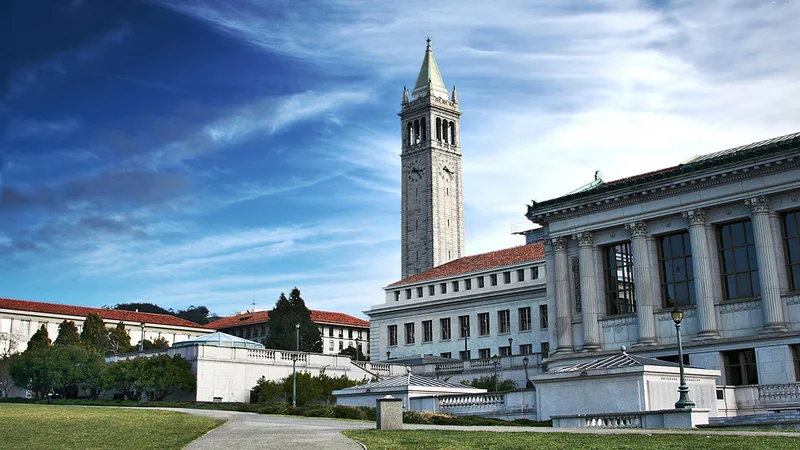

University of California, Berkeley
Berkeley, CA
Demanding academics, competitive athletics and Bay Area career opportunities appeal to athletes with ambitious goals beyond their sport.
California State University, Sacramento
Sacramento, CA
Competitive athletics, practical majors and capital-city internships give recruits several ways to build their future.
University of San Diego
San Diego, CA
Competitive athletics, strong career outcomes and a close-knit campus community give recruits several reasons to consider studying here.
San Diego State University
San Diego, CA
Competitive athletics, regional career connections and an active urban campus give recruits several reasons to consider studying here.


San José State University
San Jose, CA
Career-oriented academics and Mountain West competition attract athletes who want an urban college experience with professional possibilities.
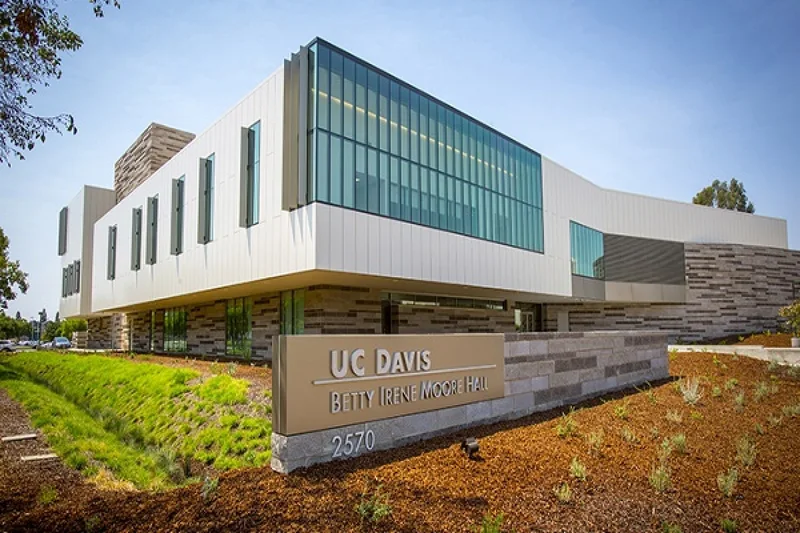

University of California, Davis
Davis, CA
Research opportunities, competitive athletics and a bike-friendly college town give recruits distinct reasons to consider this campus.
California State University, Fresno
Fresno, CA
Competitive athletics, career-focused programs and affordable costs draw athletes who want strong connections to the Central Valley.
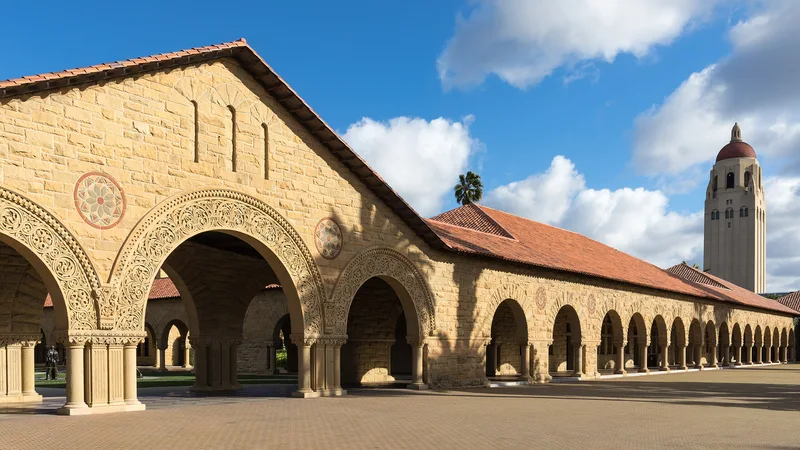

Stanford University
Stanford, CA
Demanding academics, competitive athletics and Silicon Valley connections appeal to recruits who want to pursue both sport and scholarship.
University of Southern California
Los Angeles, CA
Competitive athletics, strong professional programs and Los Angeles industry connections give recruits compelling reasons to pursue a place here.
Roster openings · 2026-27
Which D1 Football programs have the most roster spots opening up?
Every program ranked by players in their final year, with the positions they are losing.
29.7players leaving per program, on average
See the programs Three ways to start
Where are you in the search?
Pick the option that matches where you are, and we will show you the plan that fits.
Recruiting Plan
Your 20 to 25 best-fit schools, picked for you.



- Starter: the list, fit reads, real costs and a dated timeline
- Complete: adds roster reads and coach emails for every school
$99 or $249Starter or Complete, one time
Build my plan
Roster Report
The roster at your position, at the schools you pick.


- Who is graduating at your position, class year by class year
- Where spots are likely to open, in plain words
From $193, 8 or 15 schools
Choose my schools
School Plan
One school, covered end to end.
- Your honest odds, the roster and the verified coach
- Intro email, three follow-ups, admissions steps and timeline
$49One school, one time
Pick my school Resources