
Sun Belt competition, career-focused academics and affordable in-state tuition give athletes practical reasons to consider this campus.

NCAA Division ISun Belt ConferenceGeorgia

Georgia State University Baseball
One plan built for Georgia State University Baseball, with the roster read, the coach's contact and a dated plan, delivered within 24 hours. An expert checks every plan.
- 38
- Roster
- 9
- Leaving
- 69%
- In-state
- 21%
- Transfers
Overview
Georgia State University Baseball Team Details
Key facts about the Georgia State University baseball team.
In Atlanta, Georgia, Georgia State University competes in Division I baseball through the Sun Belt Conference. The most room for the Class of 2027 is among pitchers, with seven leaving after the 2026-27 season. Only 40% of its freshmen are from Georgia, against 66% of the full roster.
NCAA Division ISun Belt ConferenceGeorgia
- Head coach
- Brad Stromdahl
- Home venue
- GSU Baseball Complex
- Average roster
- 39
- Four-season win rate
- 47%
Head Coach
players a season
Fit check
Do You Fit at Georgia State University?
Pick your position and level, add a test score if you have one, and get an instant read on your chances here. Free, and no account needed.
Coaching staff
Get on This Staff's Radar
Head coach
Brad StromdahlHead CoachEmail●●●●●●@●●●●.edu
Phone(●●●) ●●●-●●●●
Roster
Roster Breakdown
The roster by class
5FreshmenFr.
12SophomoresSo.
12JuniorsJr.
6SeniorsSr.
3GraduateGrad
38 players on the latest roster (2027).
Roster openings after 2026-27
9players in their final year, 24% of the roster
Pitcher 7 · Infielder 1 · Outfielder 1
After the 2026-27 season, seven pitchers will leave, the largest group of departures by position. A recruit at that position would arrive just as the roster turns over.
See who you would be replacingPositions
Baseball Roster by Position
How many players a season the program carries at each position, and how tall they are.
Pitcher
20.3players a season
Average height 6'3"
Catcher
3.7players a season
Average height 6'1"
Infielder
7.7players a season
Average height 6'0"
Outfielder
7players a season
Average height 5'11"
Utility/Designated Hitter
0.3players a season
Average height 5'10"
Transfers
Transfers In and Out
8
transfers in for 2026-27
0
transfers out
- Share of the roster
- 21%
- Per 100 freshmen
- 160
- By position
- Pitcher 4 · Infielder 3 · Outfielder 1
- Came from
- 6 from Division I, 2 from Division II
Footprint
Where This Team Recruits
Where the players are from
116players
In-state69%
Other US states31%
International0%
Counted from players on recent rosters with a known hometown.
Top home states
Georgia69%
Florida4%
Arizona4%
Ohio3%
North Carolina3%
Recruiting has moved outward lately, since 40% of the freshman class is from Georgia against 66% of the roster as a whole. Recruiting is largely local here, with 69% of players from Georgia, against a median of 40% among Division I baseball teams.
Results
Georgia State University Baseball Recent Results
Swipe to see every season
Best season
2023
51%30-29overall
16-14conference
2024
44%25-32overall
13-17conference
2025
46%26-30overall
11-19conference
Latest
2026
47%27-30overall
14-16conference
Not one of the last three seasons has finished above .500, and the winning percentage over that run is 46%.
Standings
Sun Belt Conference Standings
Where Georgia State University stands in the Sun Belt Conference.
Recruiting
Recruiting Outlook
Georgia State baseball is an NCAA Division I program competing in the Sun Belt Conference, a demanding level where recruits typically need strong measurable skills and the ability to contribute in a specialized role. The roster reflects a mix of high school recruits, junior college transfers, and players transferring from other Division I programs, so the pathway can vary by position and development profile.
NCAA Division I Sun Belt competitionRoster includes junior college and Division I transfersEvaluation emphasizes role-specific fit and player development
Recruiting difficulty
80/ 100Hard
OpenCompetitiveSelectiveElite
Making the roster is highly competitive because Georgia State plays Division I baseball in a strong conference and recruits across both high school and transfer channels.
What coaches value
- Position-specific tools such as bat speed, defensive reliability, arm strength, and usable pitching velocity
- Consistent game performance against high-level travel, high school, junior college, or Division I competition
- Strike-zone control, pitch execution, and the ability to make adjustments during at-bats
- Athleticism, baseball awareness, work habits, and a clear willingness to develop through analytics and instruction
How to get recruited here
Build a position-specific profile with verified measurables, recent video, academic information, and competitive statistics. Send concise updates to the baseball staff, attend events where Division I evaluators are present, and show how your skills fit a specific roster need rather than relying only on general highlight footage.
How hard is it to make the team
It is difficult to make Georgia State's baseball team because the program competes at the NCAA Division I level in the Sun Belt and evaluates players from multiple recruiting pipelines. Recruits should expect competition from experienced college transfers as well as strong high school prospects, making production, projection, and role fit important.
Who fits this program
- Baseball players prepared for highly competitive Division I Sun Belt play
- Athletes ready to balance demanding baseball schedules with academic responsibilities
- Students who prefer a large, urban Atlanta university setting
- Players suited to role-specific evaluation and varied development pathways
Videos
Georgia State University Baseball Videos
Program stats
The Program by the Numbers
40
Athletes on the roster
4
Coaches on staff
$8,307
Spent per athlete
Spending and revenue a year
Spending$1,560,595
Revenue$1,560,595
Revenue covers everything the program spends.
Source: the federal Equity in Athletics report, 2025.
Feeders
Top Feeder Schools and Clubs
The high schools and clubs that sent the most players to this roster.
1Starr's Mill3 players on recent rosters
2Blessed Trinity2 players on recent rosters
3Brookwood High School2 players on recent rosters4Buford High School2 players on recent rosters5North Paulding High School2 players on recent rostersThe coaching staff has drawn three players from Starr's Mill on recent rosters, and counts five sources that have each sent two or more players.
The school
School Environment
Georgia State University combines a broad research university curriculum with strengths in business, public affairs and health, making academic fit and career planning important parts of your recruiting decision.
Georgia State UniversityAtlanta, GeorgiaSee the full profile 55%
Acceptance rate
53%
Graduation rate
- Undergraduates
- 27,415
- Net price a year
- $15,931
- Earnings after ten years
- $47,384
Official links
Official Georgia State University Baseball Links
Similar programs
Similar Baseball Teams
Programs at a similar level, with similar academics, worth adding to your recruiting list.


Sun Belt competition, career-focused academics and relatively affordable tuition make this a practical option for athletes.

Conference USA competition, career-focused coursework and access to Atlanta give athletes practical reasons to consider this university.


Accessible admissions, career-focused degrees and an active Phoenix campus give recruits several reasons to consider competing here.

Southland Conference competition, career-oriented study and relatively affordable tuition give athletes practical reasons to consider this Hammond campus.


Competitive athletics, applied academics and relatively affordable tuition give recruits practical reasons to consider studying here.
Teams in Georgia
More Baseball Teams in Georgia
Georgia Southern University
Statesboro, GA
Sun Belt competition, career-focused academics and affordable in-state tuition give athletes practical reasons to consider this campus.

Mercer University
Macon, GA
Athletes choose a personal academic environment alongside demanding competition and clear connections between coursework and careers.
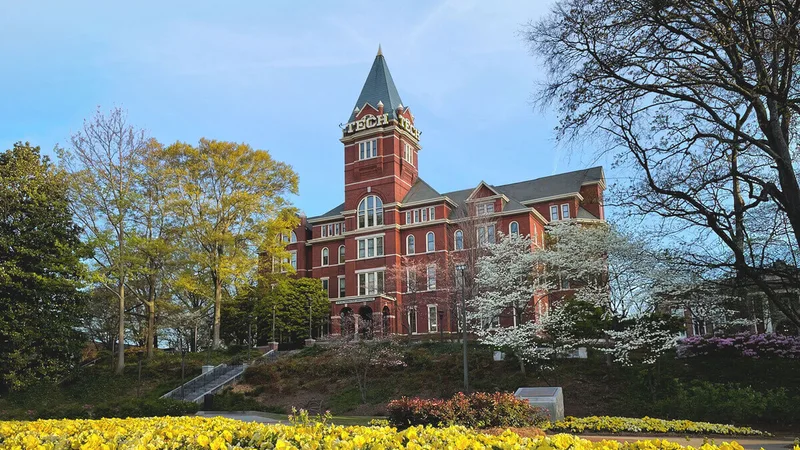

Georgia Institute of Technology
Atlanta, GA
Rigorous technical academics, ACC competition and Atlanta career opportunities appeal to athletes with ambitious goals beyond sports.
Kennesaw State University
Kennesaw, GA
Conference USA competition, career-focused coursework and access to Atlanta give athletes practical reasons to consider this university.
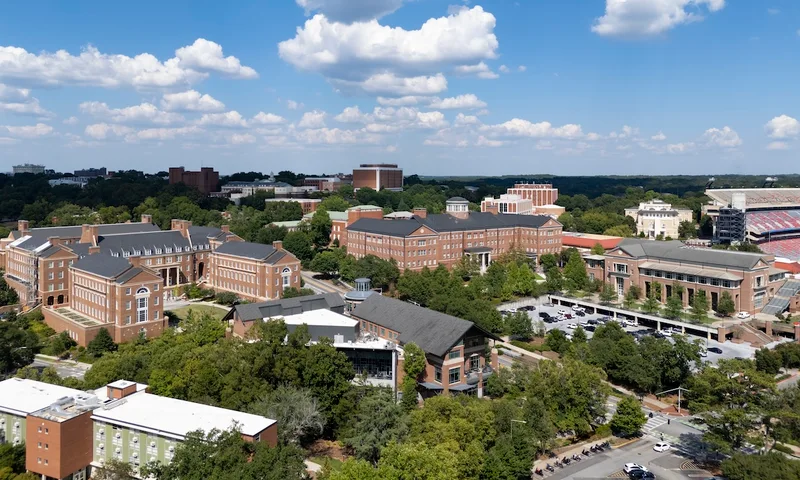

University of Georgia
Athens, GA
Strong academic options, SEC competition and Athens campus life give athletes compelling reasons to pursue a place here.


University of West Georgia
Carrollton, GA
Professional degree options, public university affordability and Division I competition give athletes practical reasons to consider this campus.
Roster openings · 2026-27
Which D1 Baseball programs have the most roster spots opening up?
Every program ranked by players in their final year, with the positions they are losing.
10.2players leaving per program, on average
See the programs Three ways to start
Where are you in the search?
Pick the option that matches where you are, and we will show you the plan that fits.
Recruiting Plan
Your 20 to 25 best-fit schools, picked for you.



- Starter: the list, fit reads, real costs and a dated timeline
- Complete: adds roster reads and coach emails for every school
$99 or $249Starter or Complete, one time
Build my plan
Roster Report
The roster at your position, at the schools you pick.


- Who is graduating at your position, class year by class year
- Where spots are likely to open, in plain words
From $193, 8 or 15 schools
Choose my schools
School Plan
One school, covered end to end.
- Your honest odds, the roster and the verified coach
- Intro email, three follow-ups, admissions steps and timeline
$49One school, one time
Pick my school Resources